
Hanoi
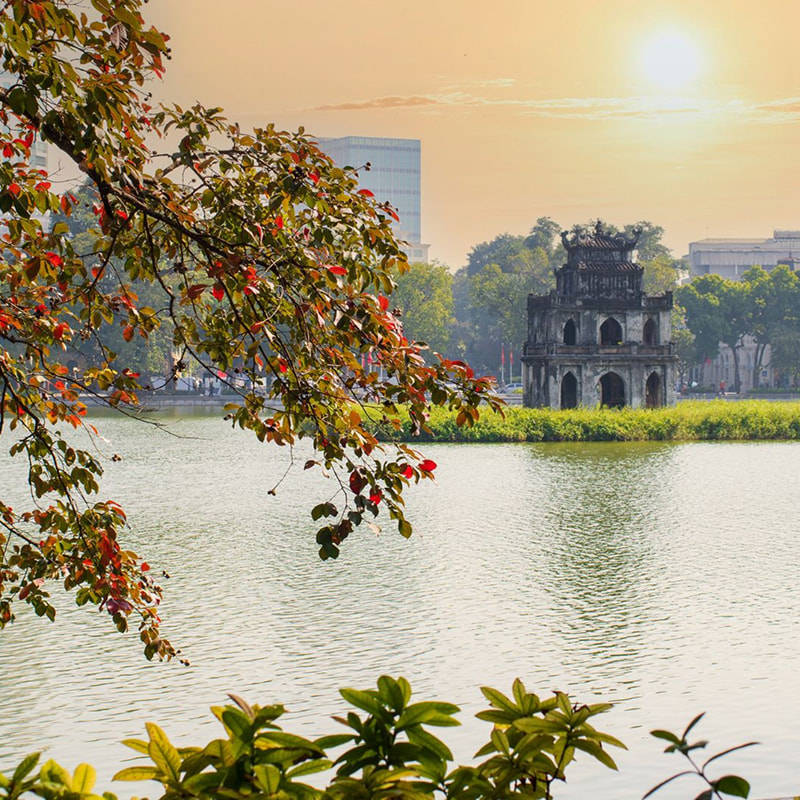
Discover Hanoi, where timeless heritage, vibrant street life, and authentic Vietnamese culture come together.
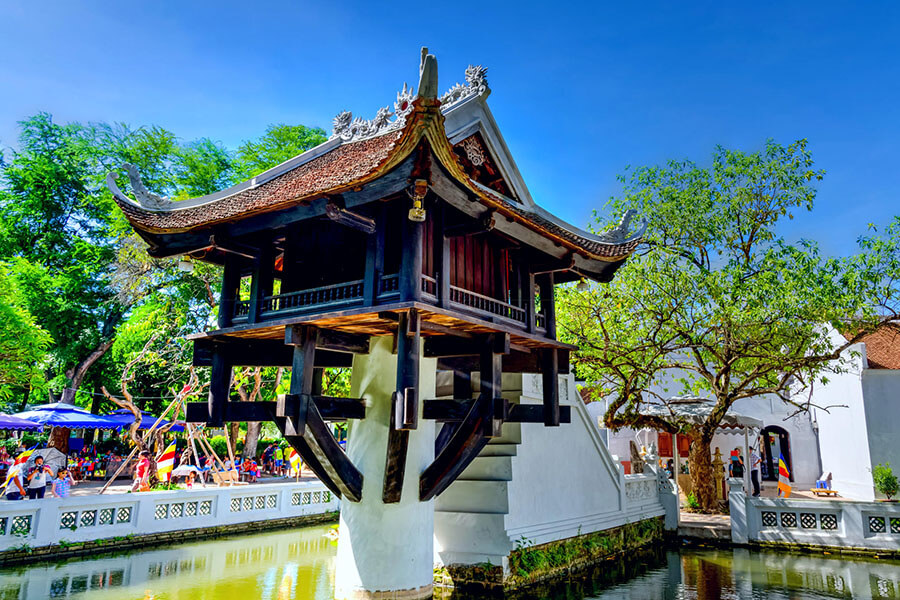
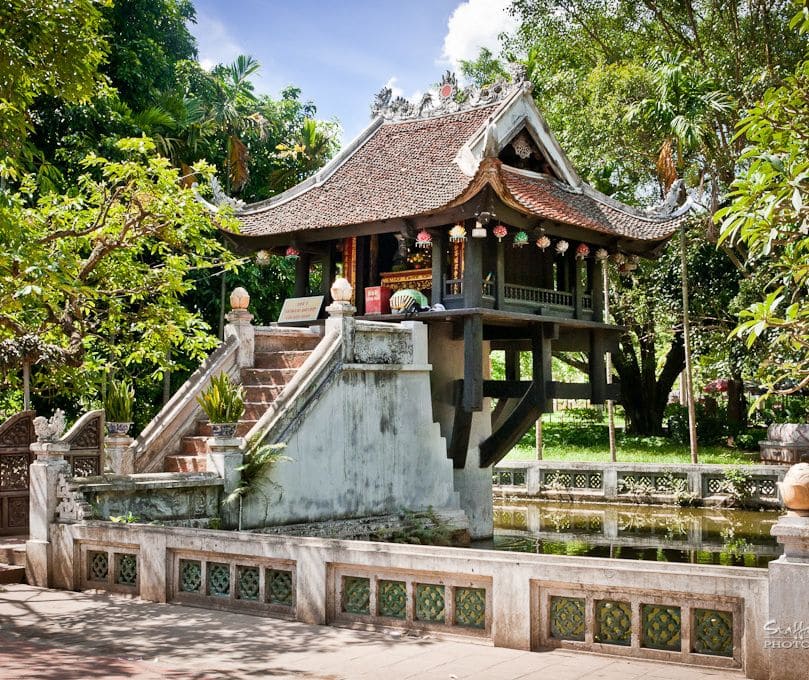
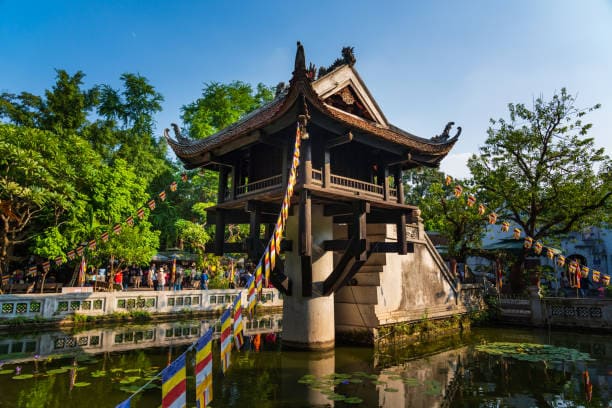
Located in the historic Ba Dinh area, One Pillar Pagoda is one of Hanoi’s most distinctive Buddhist landmarks, renowned for its unique architecture and long history.
Ba Dinh, Hanoi
Buddhist Pagoda & Historical Site
1049
Generally open daily
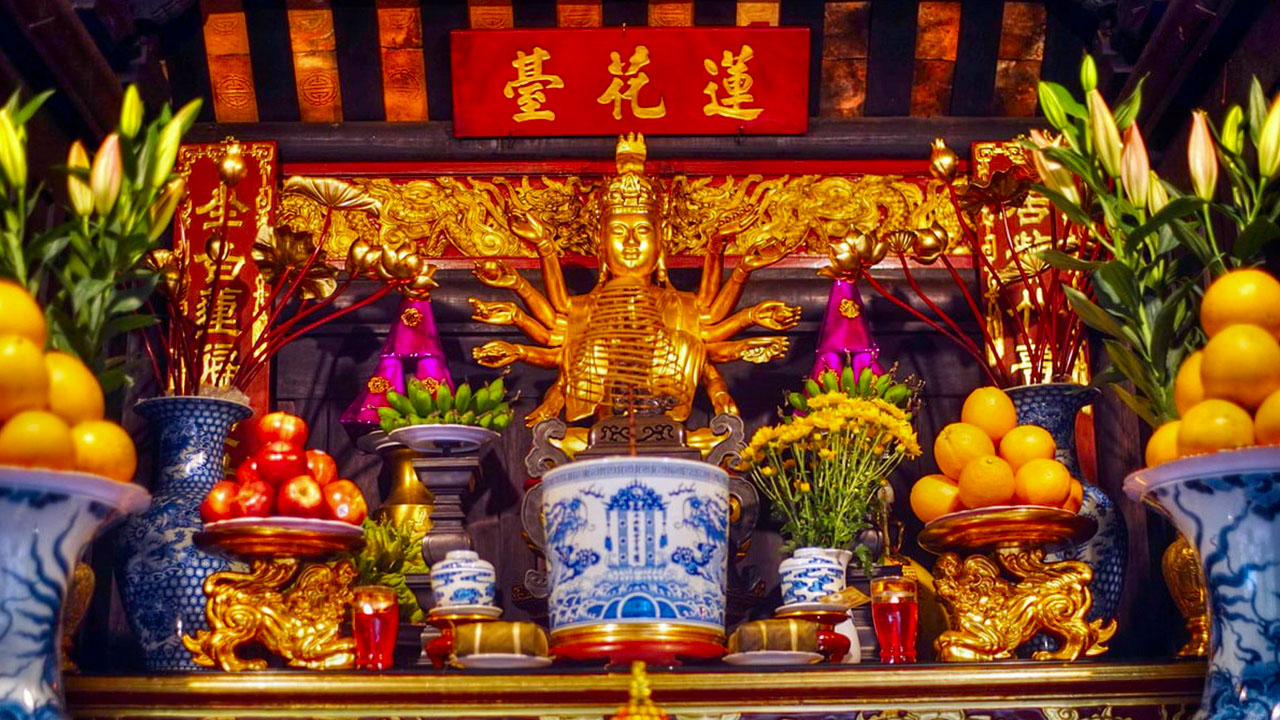
Lotus-inspired architecture, stone pillar, lotus pond and Buddhist symbolism
Discover Hanoi, where timeless heritage, vibrant street life, and authentic Vietnamese culture come together.
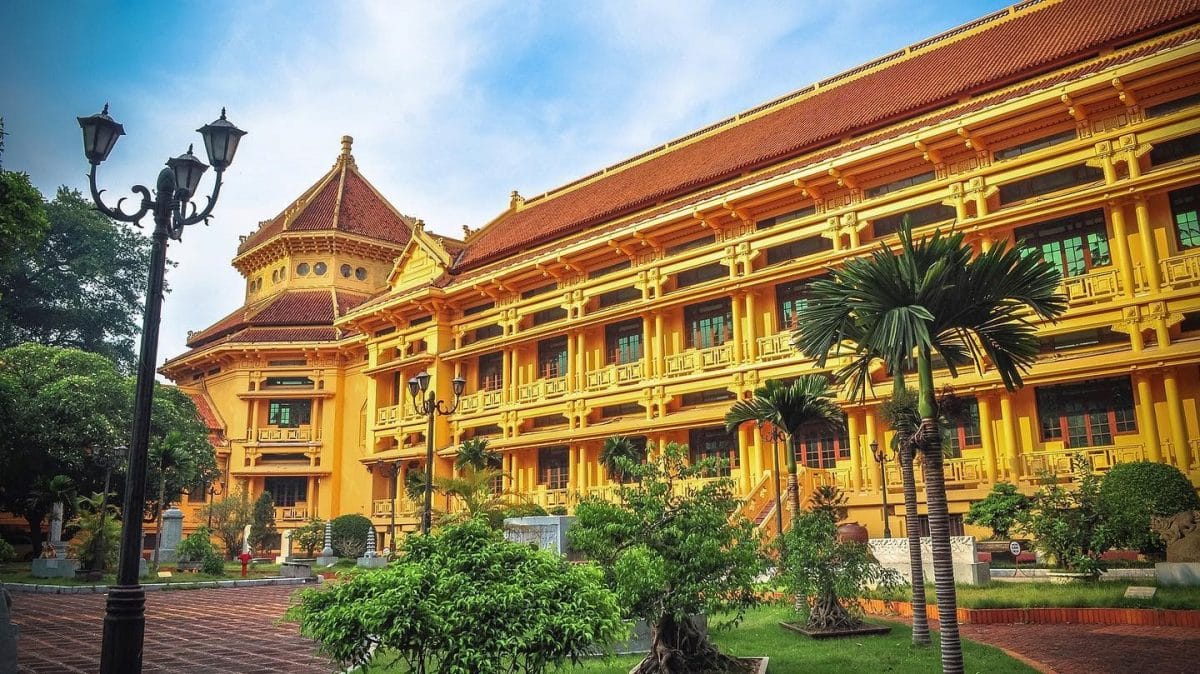
Trace Vietnam’s long and fascinating history through a remarkable collection of archaeological treasures, cultural artefacts and national heritage.
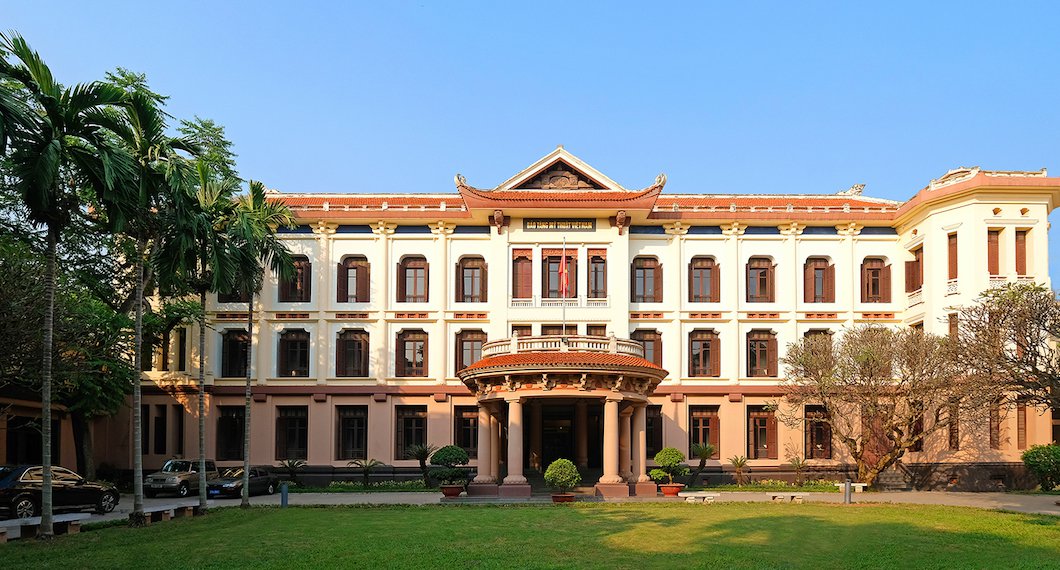
Discover the beauty of Vietnamese art through centuries of creativity, tradition and cultural expression.