

Da Nang
Discover a vibrant coastal destination where sun-kissed beaches, dramatic mountain landscapes, rich cultural heritage and exciting cuisine come together in the heart of Central Vietnam.
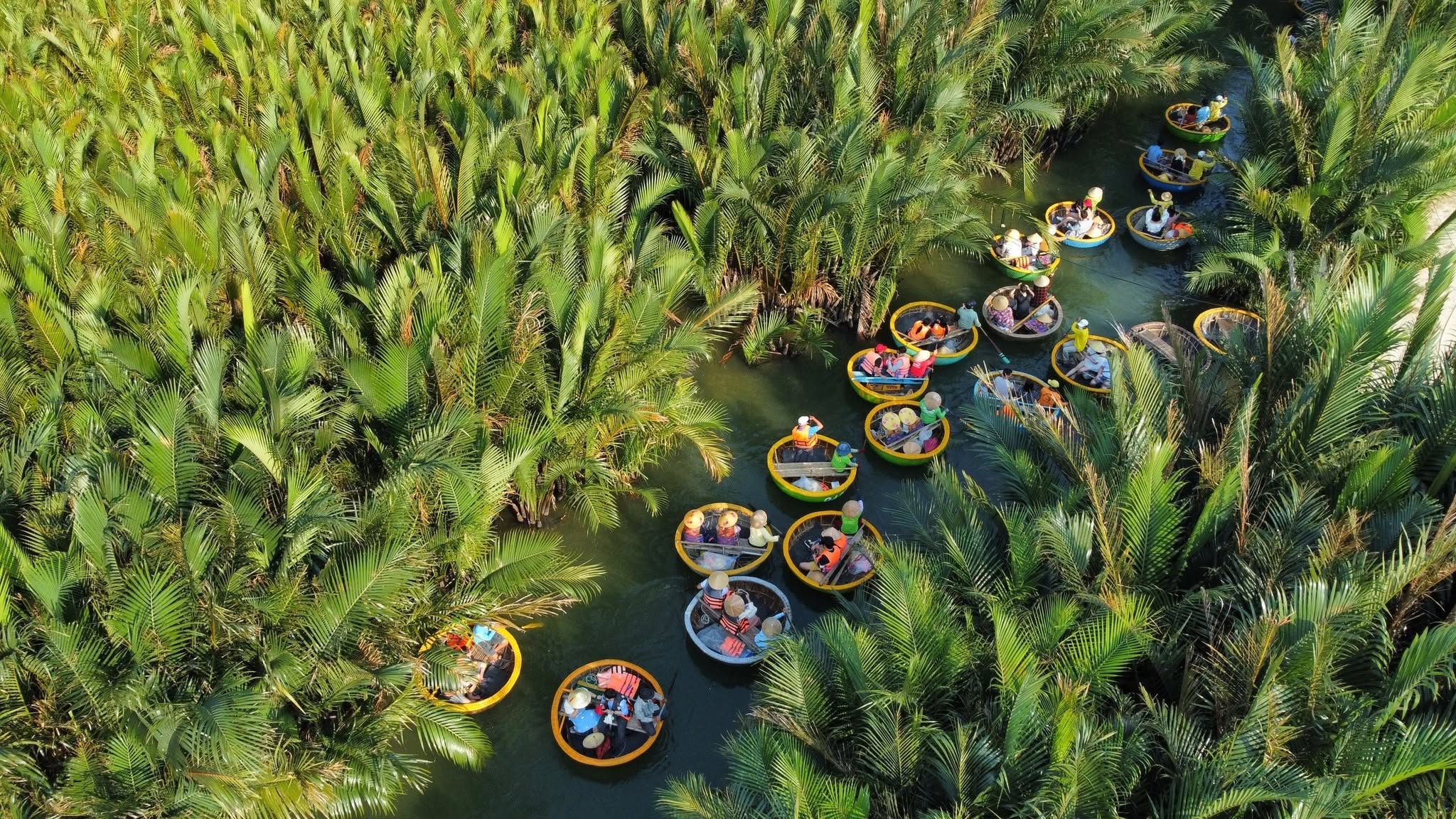
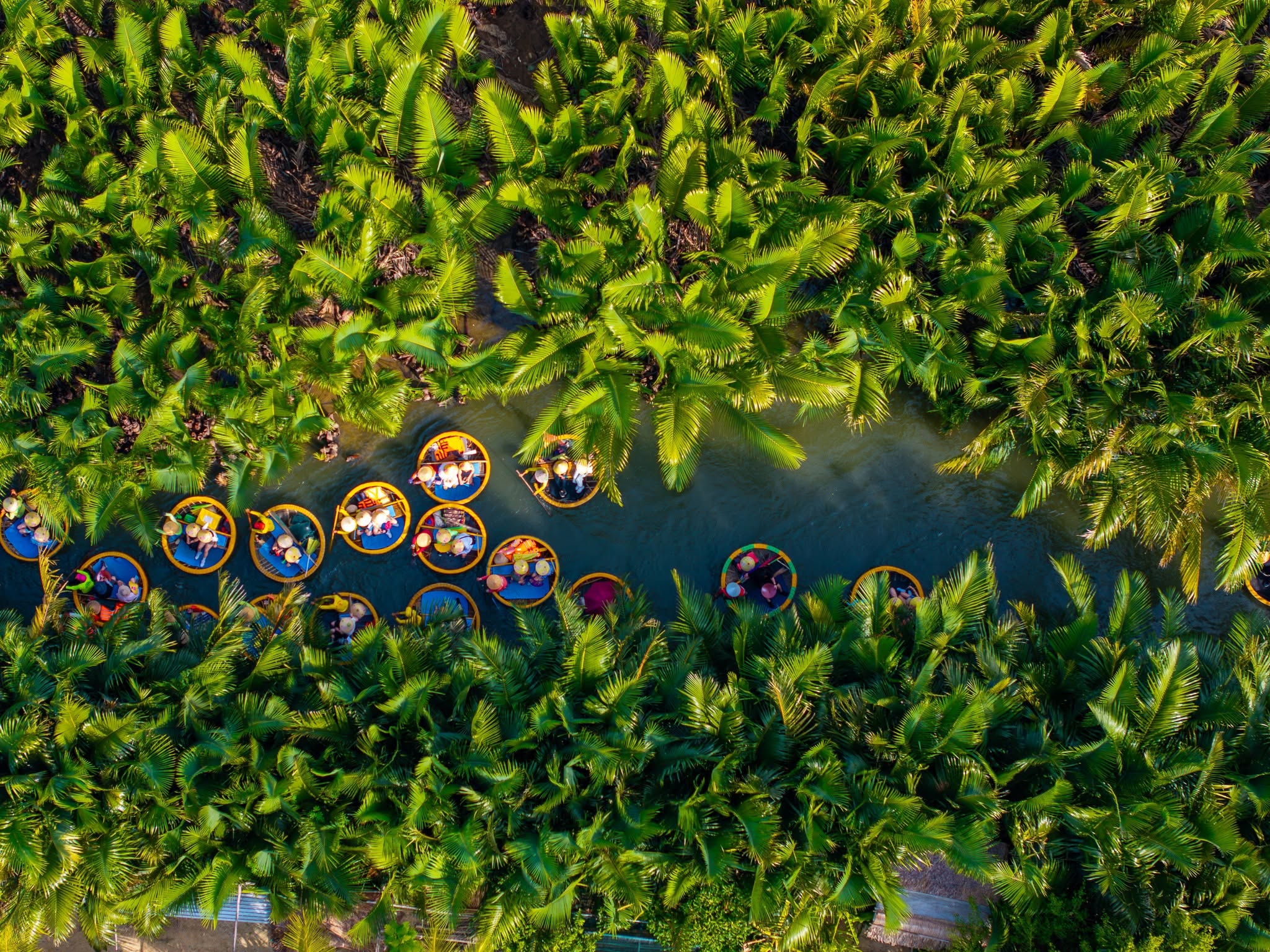
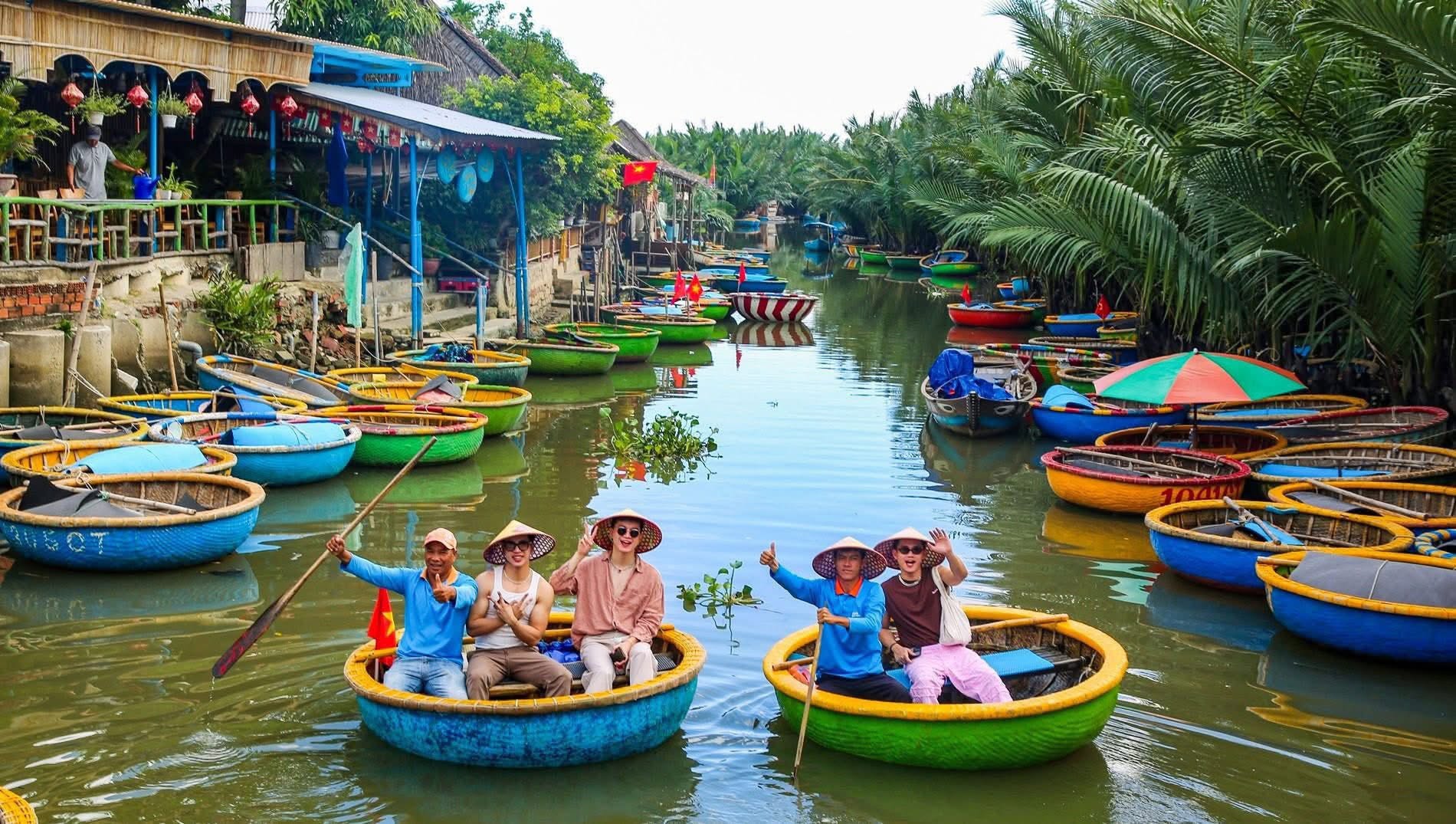
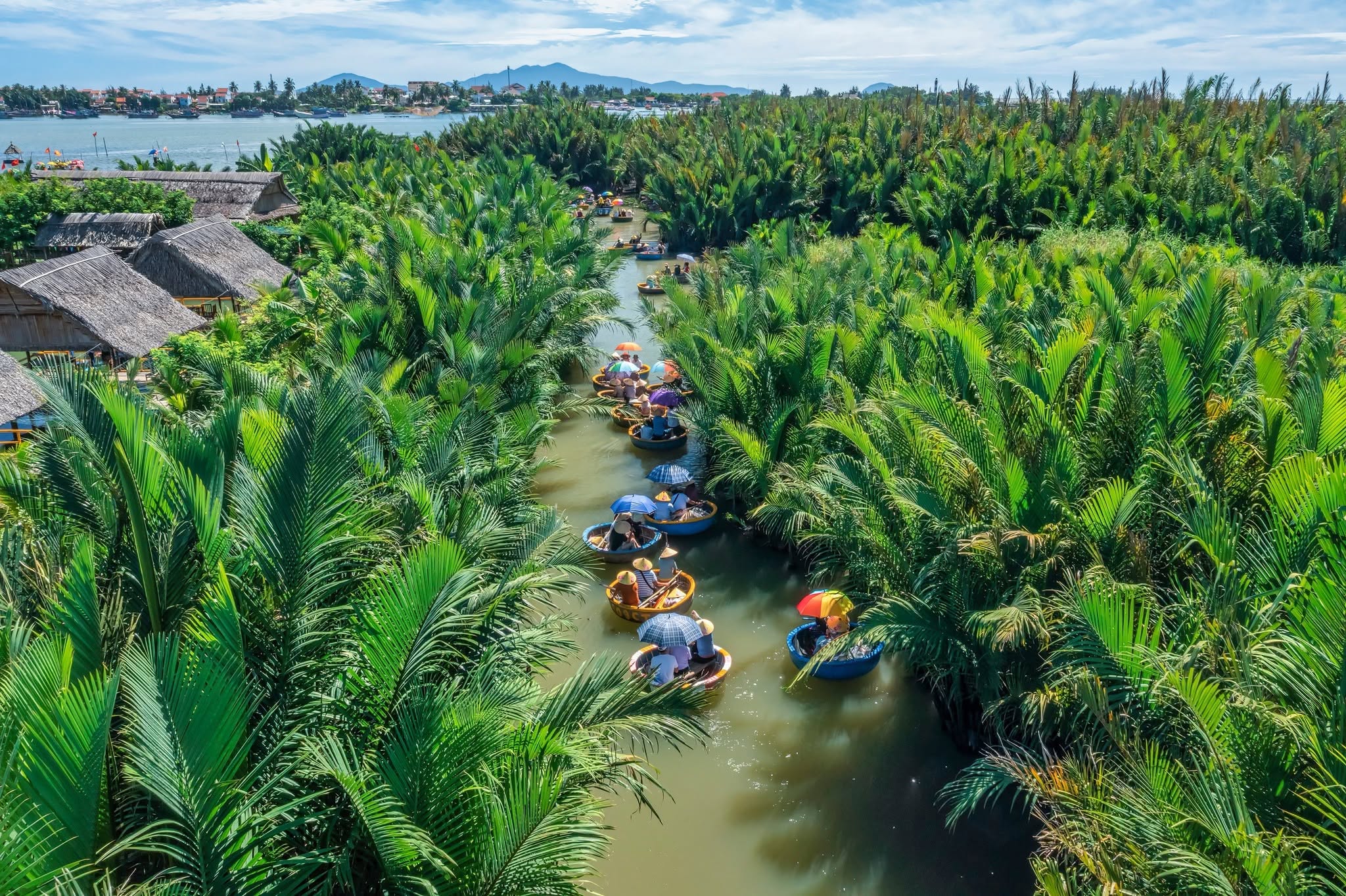
Bay Mau Coconut Forest is an extensive nipa palm ecosystem in Cam Thanh, known for its network of narrow waterways and traditional round basket boats. Located about 3 km from Hoi An Ancient Town, it combines ecological scenery with local fishing traditions and a significant history as a revolutionary base during wartime.
Vong Nhi Hamlet, Hoi An Dong Ward, Da Nang City
Nipa Palm Forest, Ecotourism Area and Historical Site
Natural ecosystem; historically used as a revolutionary base during wartime
7:30 AM–6:30 PM daily
Nipa palm waterways, traditional basket boat rides, local fishing culture, spinning basket boat performances and wartime heritage
Discover a vibrant coastal destination where sun-kissed beaches, dramatic mountain landscapes, rich cultural heritage and exciting cuisine come together in the heart of Central Vietnam.
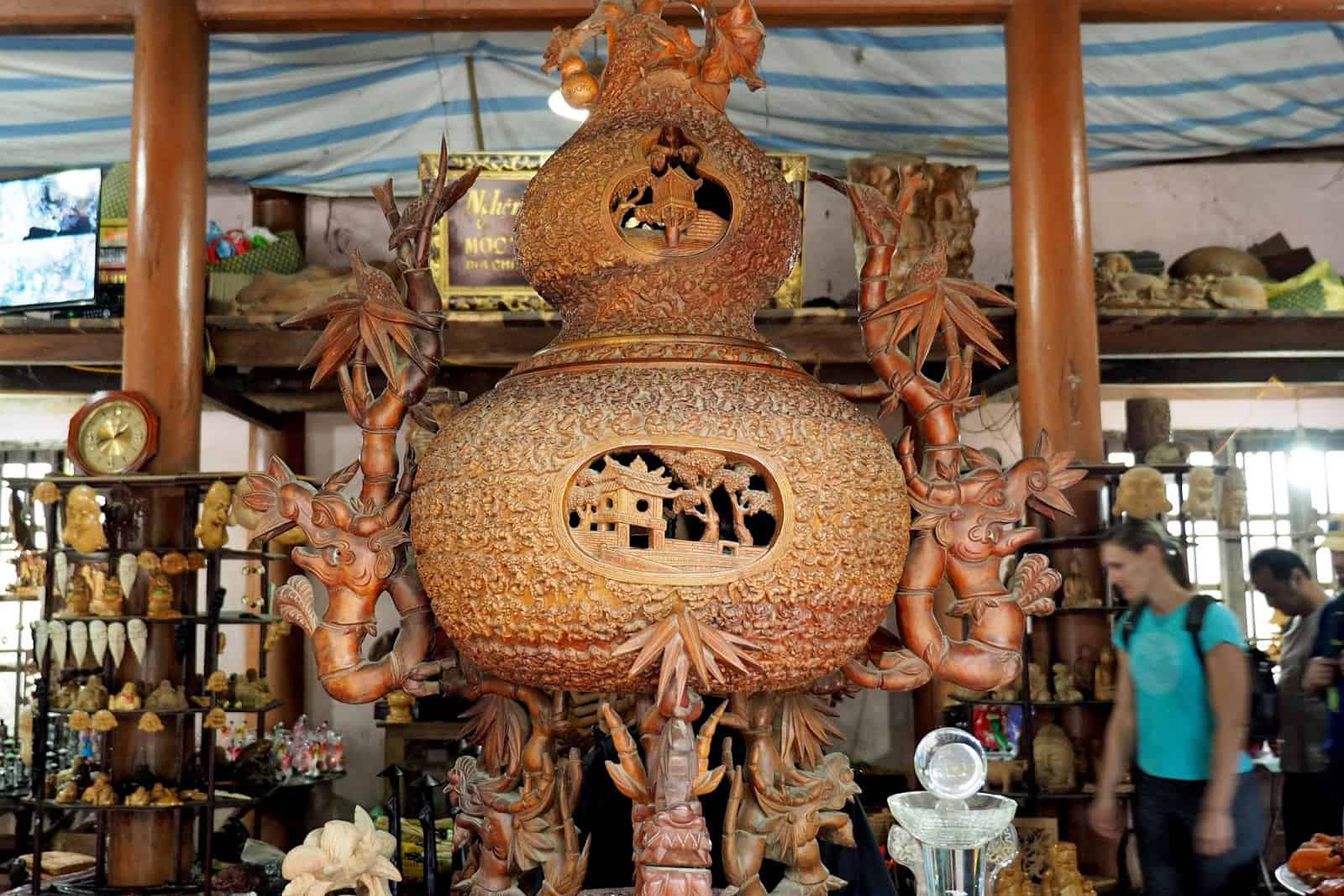
Explore a riverside craft village where generations of skilled artisans transform wood into intricate carvings, traditional boats and architectural masterpieces.
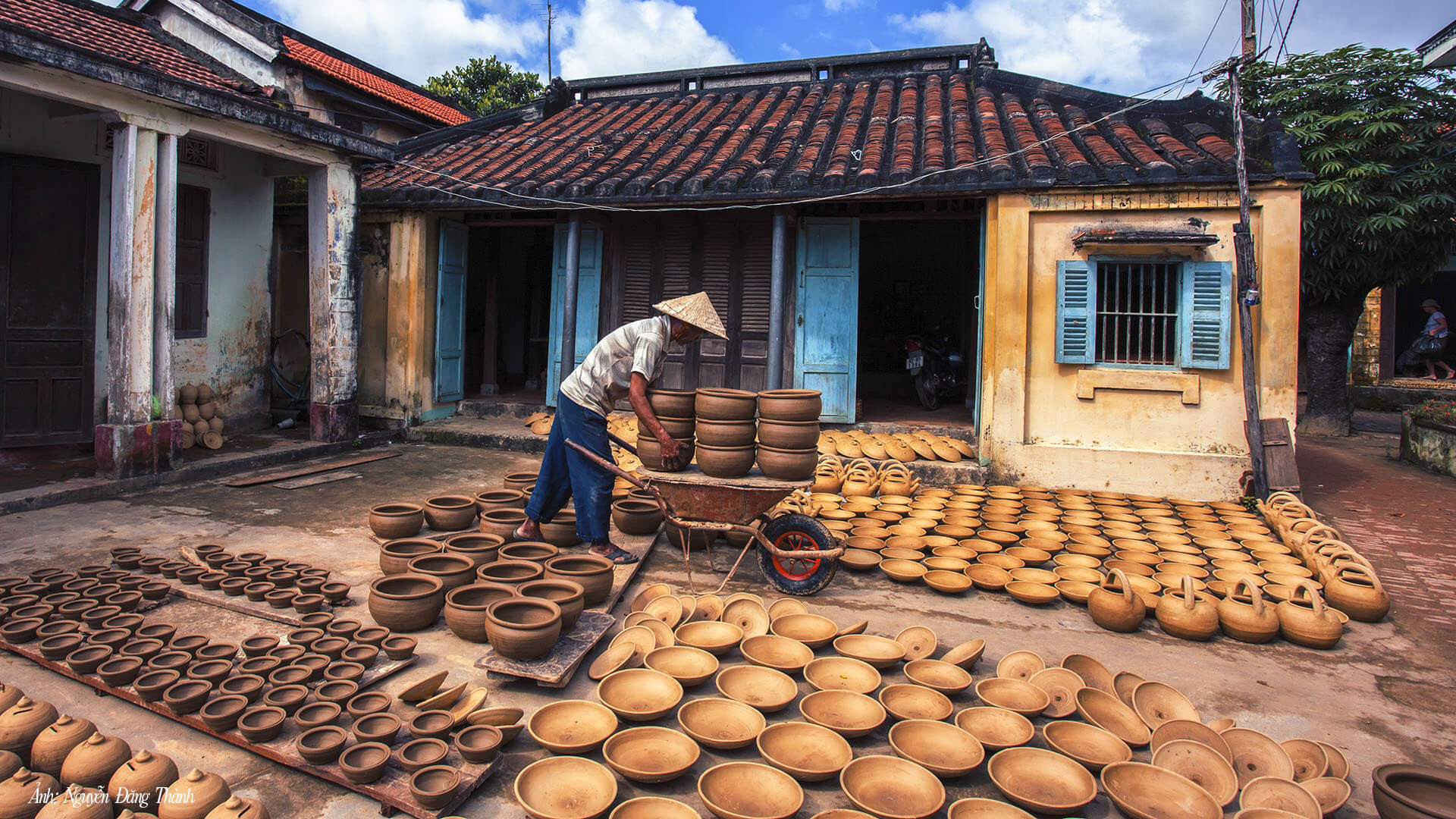
Discover a centuries-old craft tradition where local artisans shape clay by hand, preserving the enduring connection between Hoi An’s cultural heritage and everyday life.