
Thanh Hoa
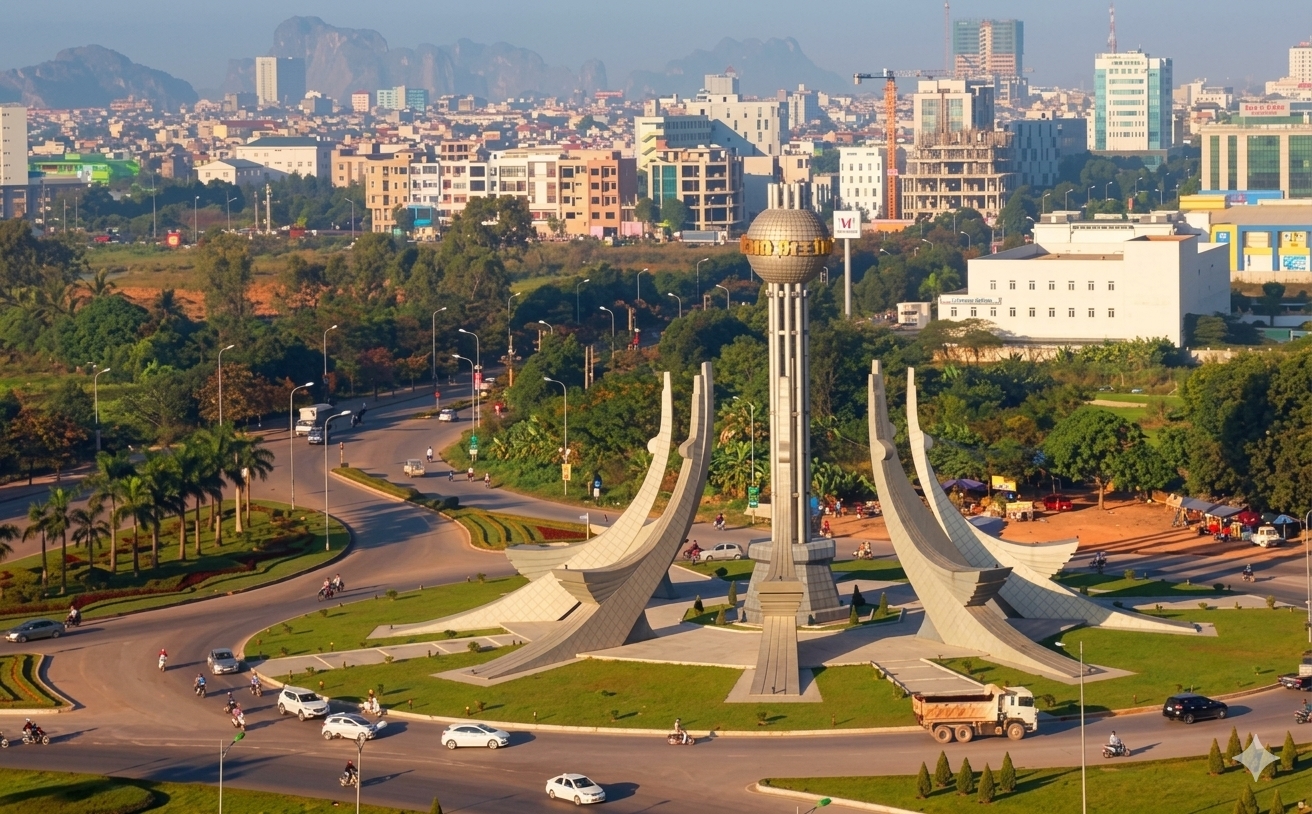
Discover Thanh Hoa, a destination where pristine beaches, lush mountain landscapes and centuries of history come together in the heart of North Central Vietnam.
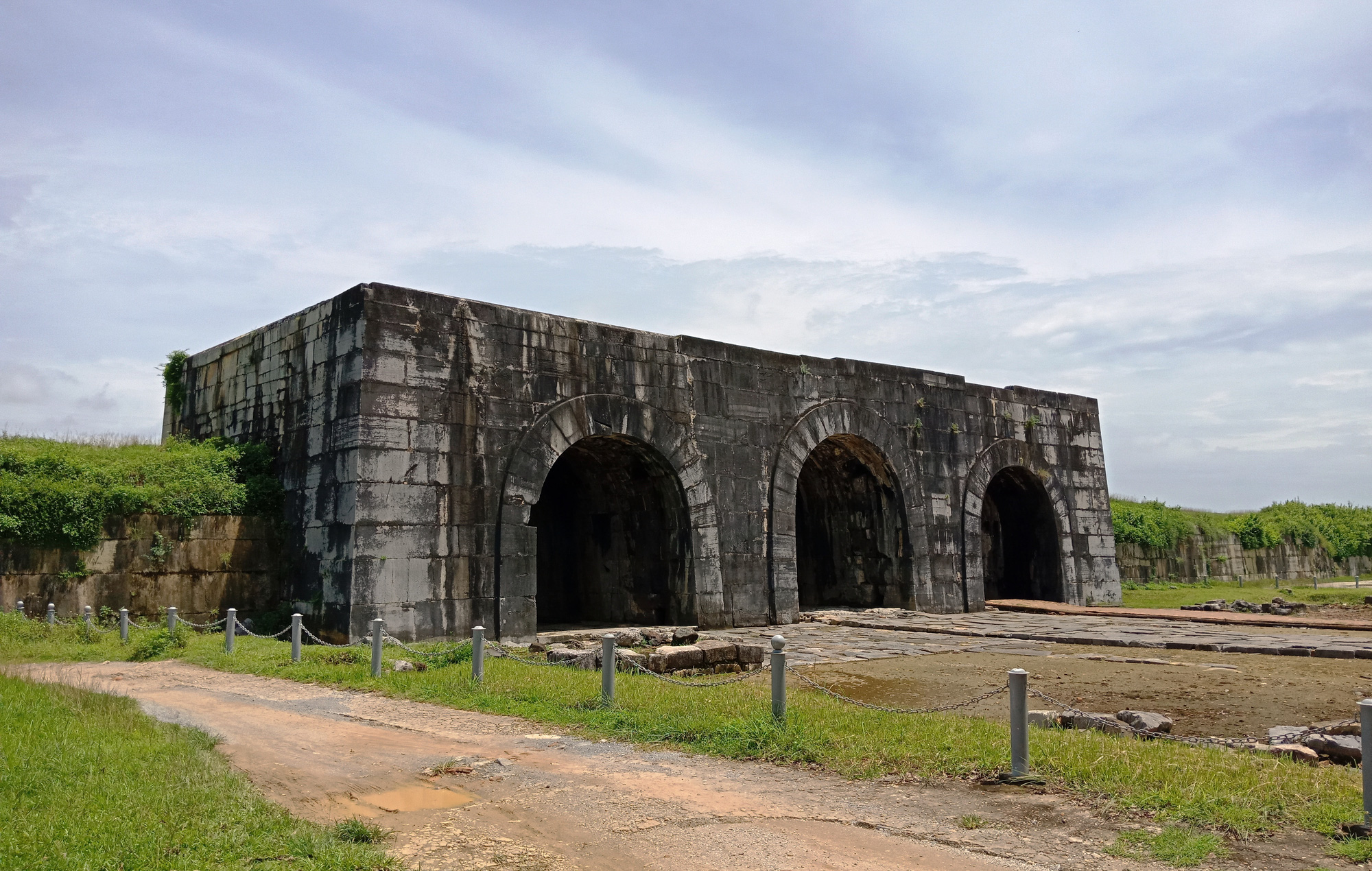
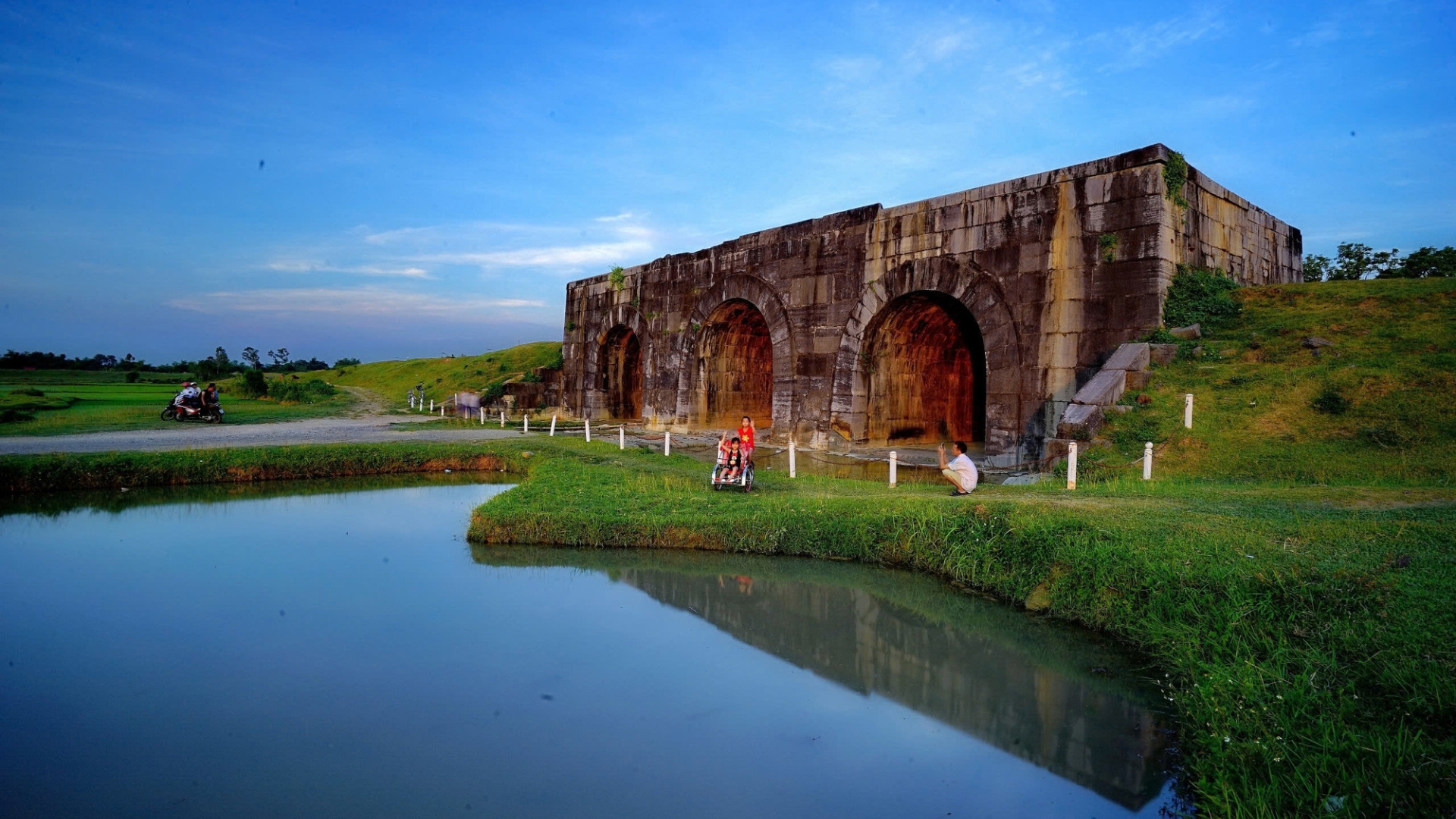
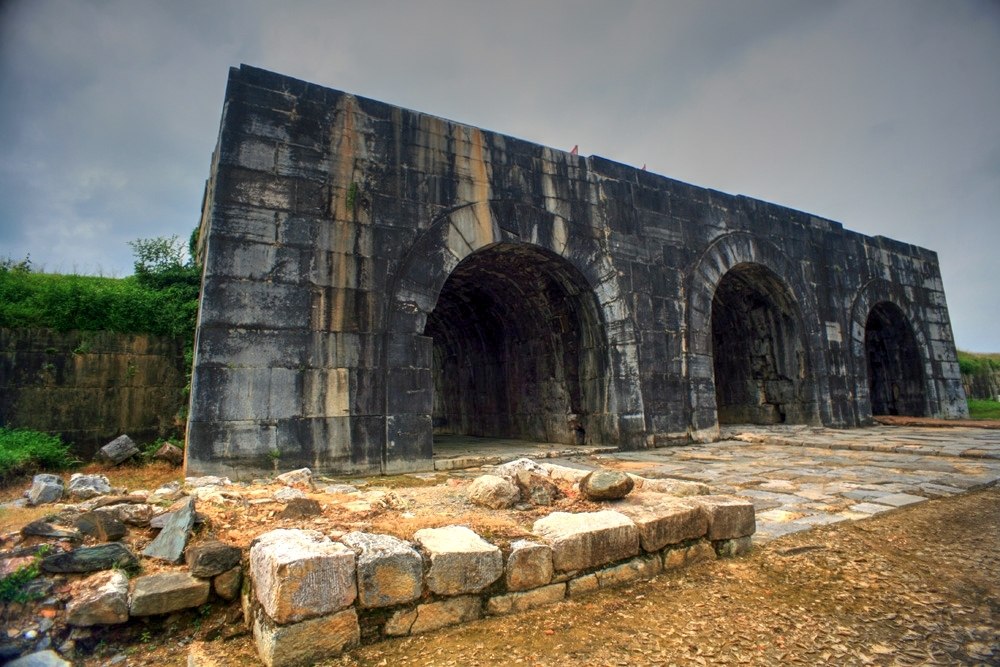
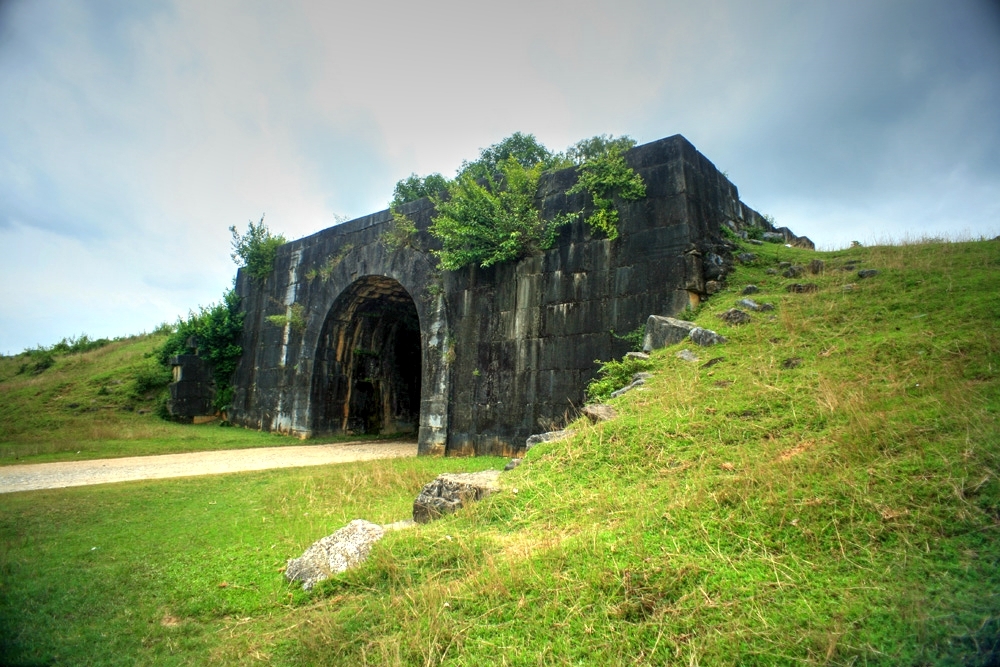
Ho Dynasty Citadel is a historic fortress built in the late 14th century under the Ho Dynasty. Located in Thanh Hoa Province, the citadel is distinguished by its massive limestone blocks, carefully planned layout and architectural techniques that reflect the development of Vietnamese royal construction. Recognized as a UNESCO World Heritage Site in 2011, it is an important landmark for understanding Vietnam’s medieval history.
Tay Do Commune, Thanh Hoa Province
Historical monument and UNESCO World Heritage Site
1397
Summer: 7:00 AM–5:30 PM;
Winter: 7:00 AM–5:00 PM.
Massive stone walls, four main gates, the remains of the imperial complex and surrounding historic landscape
Discover Thanh Hoa, a destination where pristine beaches, lush mountain landscapes and centuries of history come together in the heart of North Central Vietnam.
Escape to Bai Dong, a peaceful coastal retreat in Thanh Hoa, where clear blue waters, natural rock formations and quiet sandy shores create a refreshing seaside getaway.
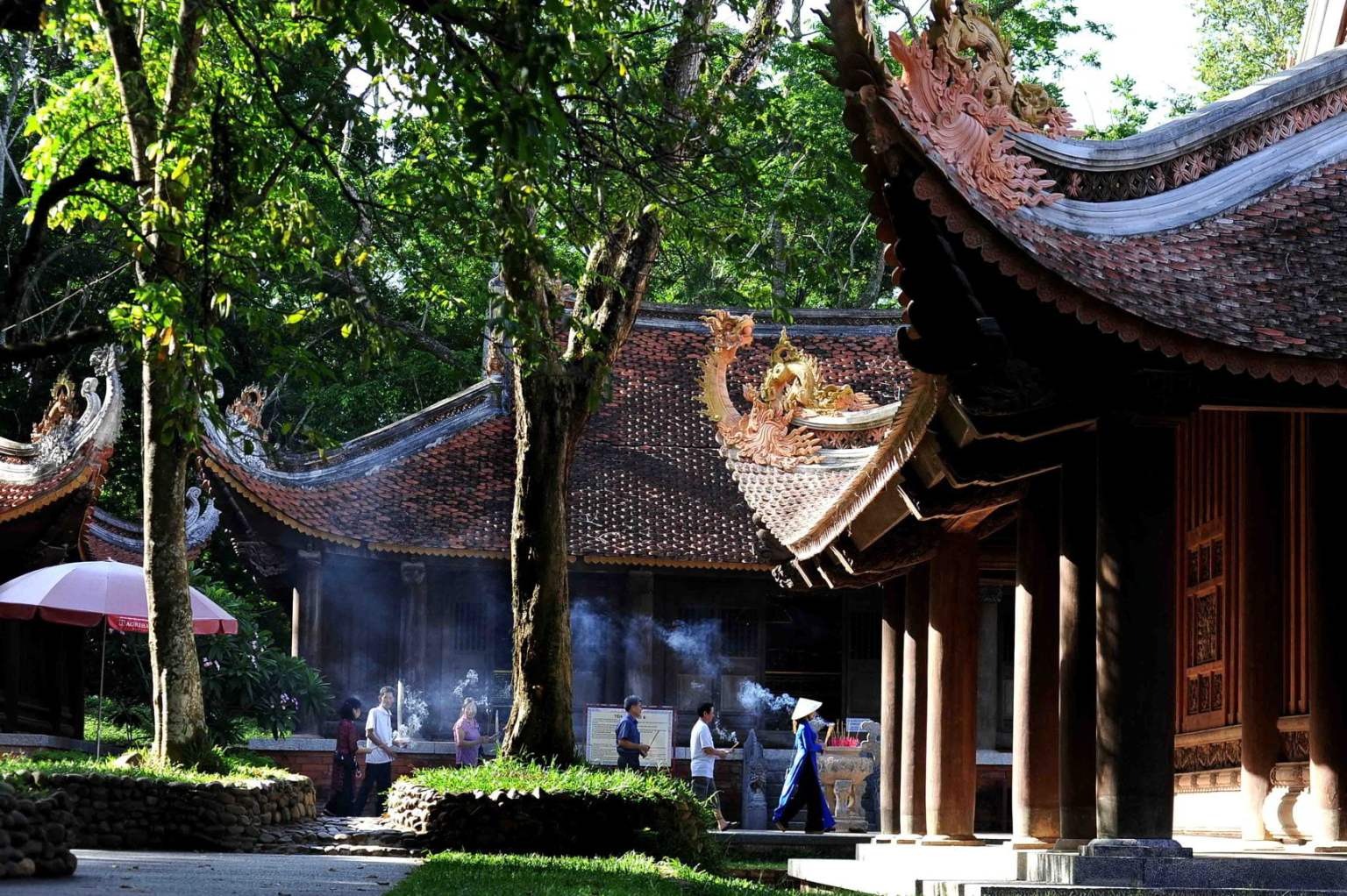
Explore Lam Kinh Historical Site, the ancestral homeland of the Later Le Dynasty, where ancient temples, royal tombs and centuries-old trees preserve an important chapter of Vietnamese history.