
Love Waterfall
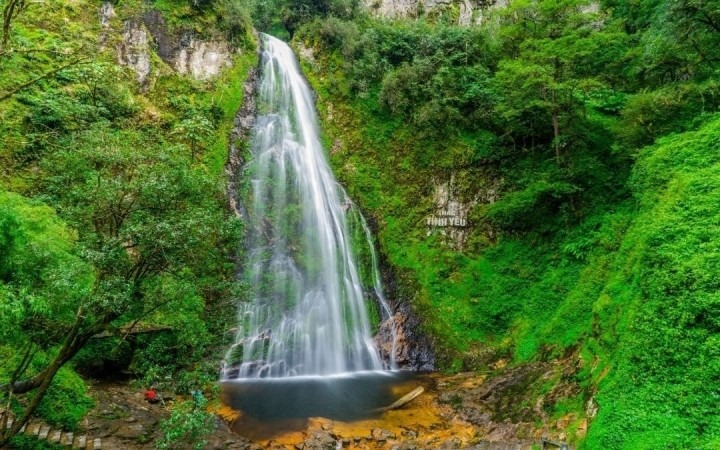
Follow the forest trail to Love Waterfall, where a graceful cascade, ancient woodland and mountain legends create a peaceful escape in the Hoang Lien range.
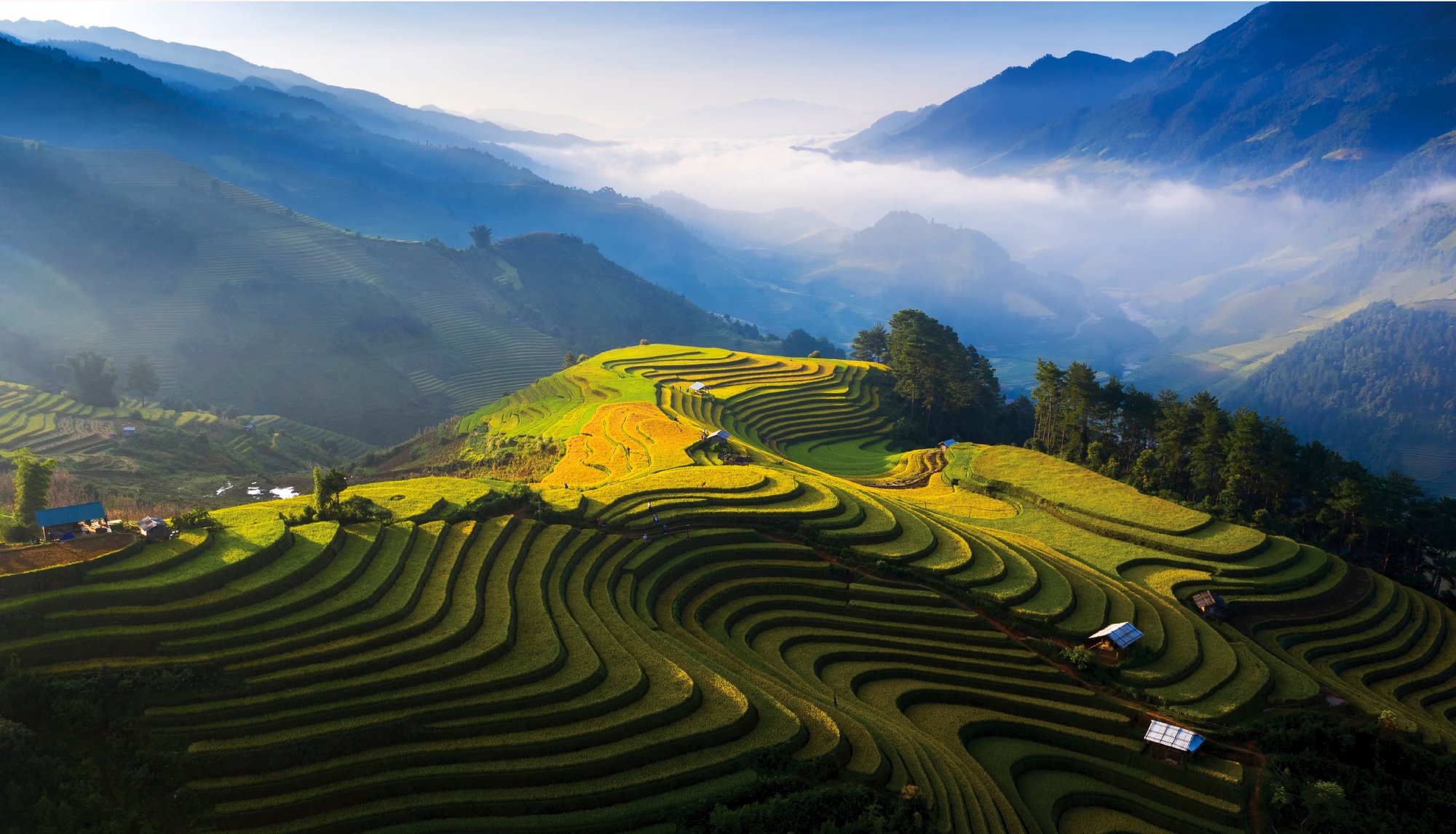
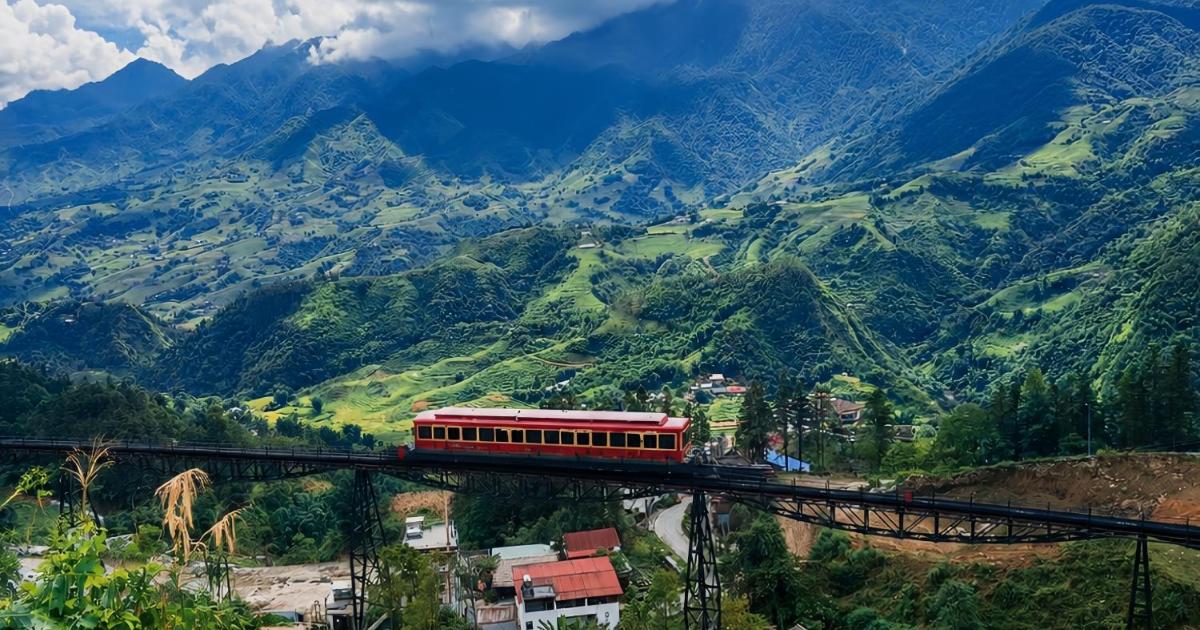
Located in the Hoang Lien Son mountains of northern Vietnam, Sa Pa combines spectacular highland scenery with diverse ethnic cultures, traditional villages and opportunities for trekking and mountain exploration.
Northern Vietnam
Sa Pa Ward, Lao Cai Province
Approximately 23,240
60.0 km²
Mountain trekking, terraced rice fields, ethnic village life, local markets, mountain scenery and cultural experiences
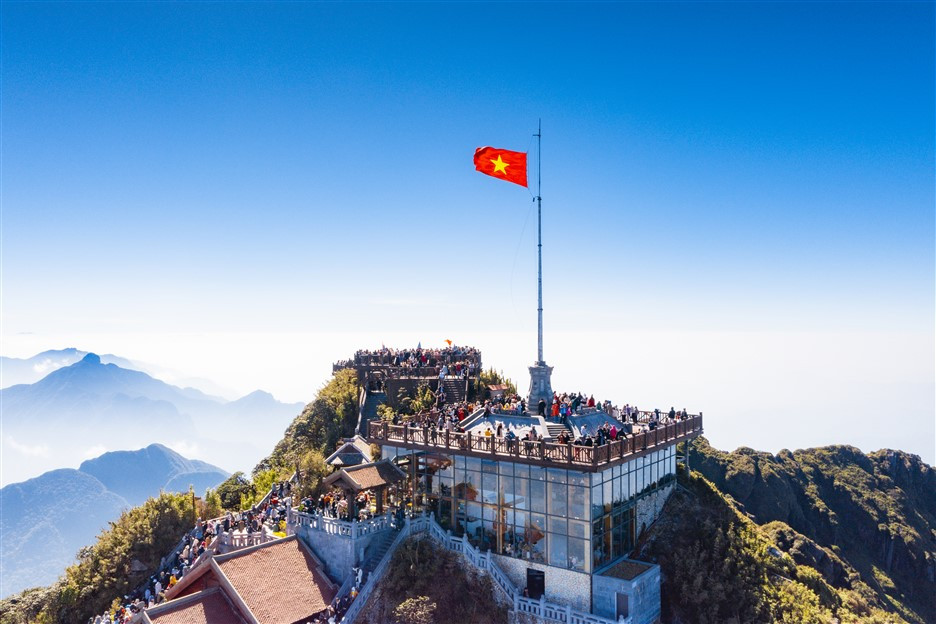
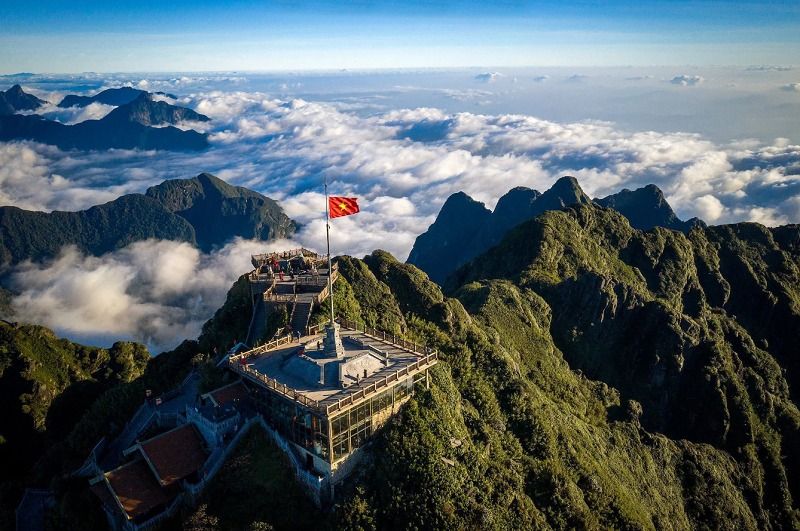
Fansipan, Muong Hoa Valley, Cat Cat Village, Ham Rong Mountain, Silver Waterfall, Love Waterfall and O Quy Ho Pass, etc.
Follow the forest trail to Love Waterfall, where a graceful cascade, ancient woodland and mountain legends create a peaceful escape in the Hoang Lien range.
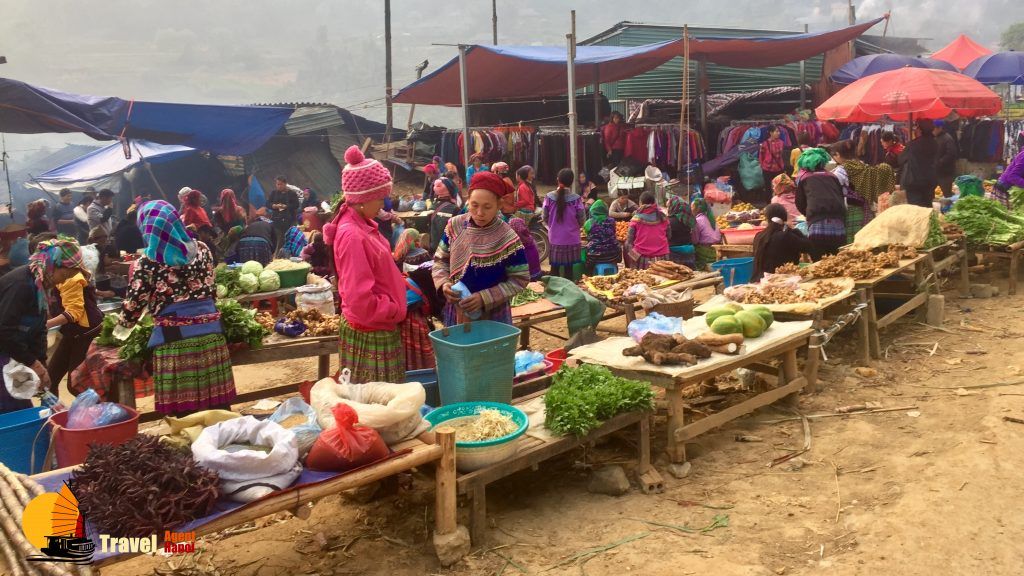
Experience the vibrant colours of Sa Pa’s highland markets, where ethnic traditions, local produce and everyday mountain life come together.
Journey along O Quy Ho Pass, where winding mountain roads, endless clouds and spectacular views reveal the grandeur of the Hoang Lien Son range.