
Hue
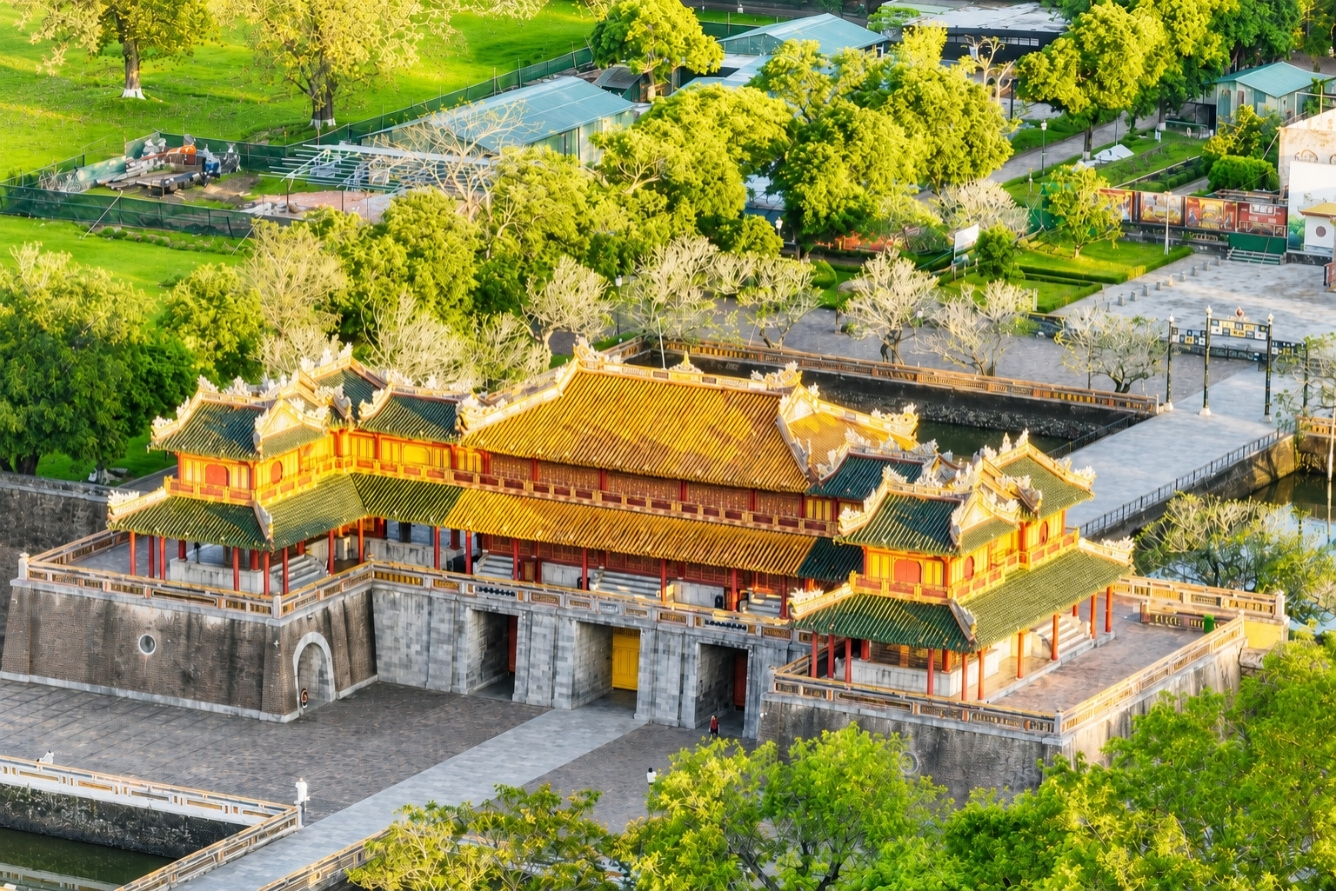
Discover the legacy of Vietnam’s last royal dynasty, from majestic imperial palaces and serene royal tombs to elegant garden houses and the gentle flow of the Perfume River.
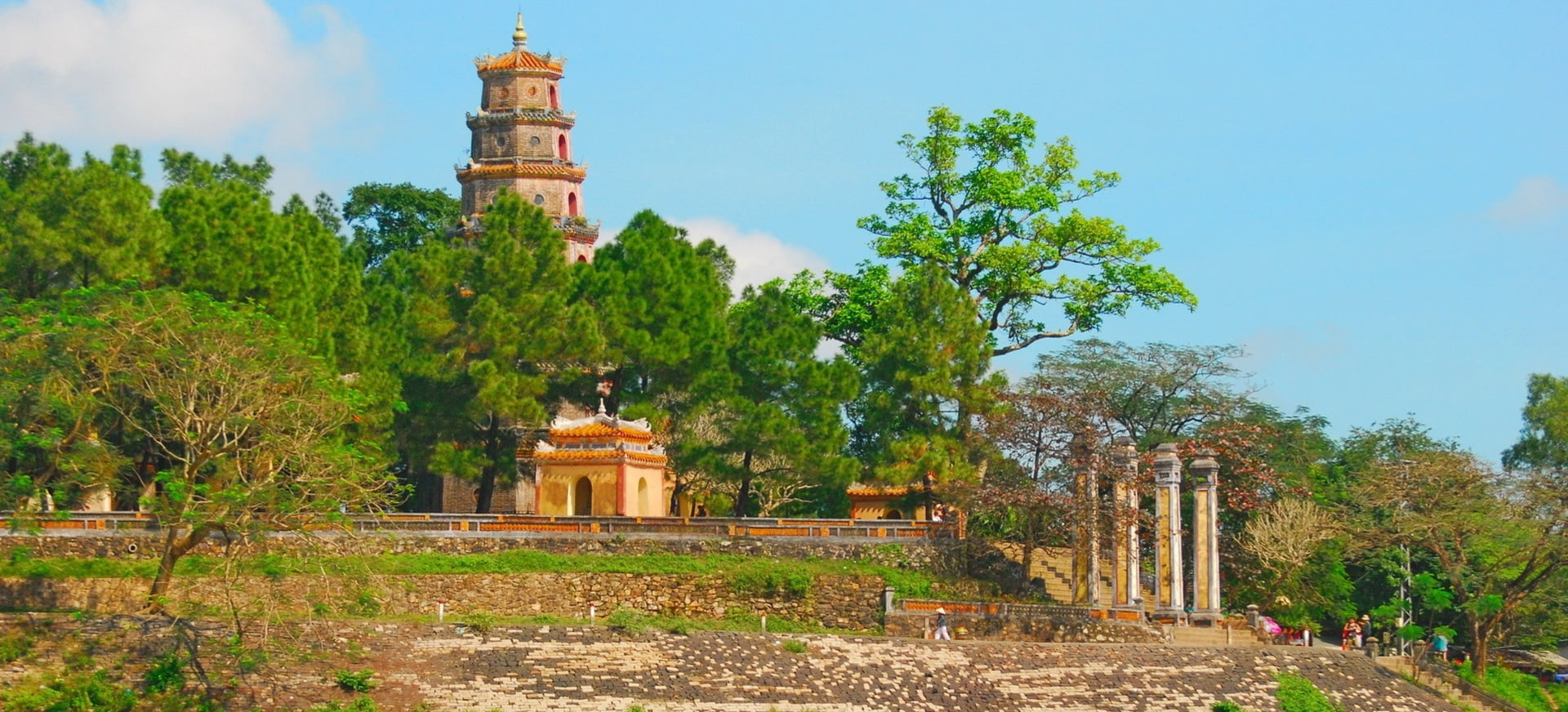
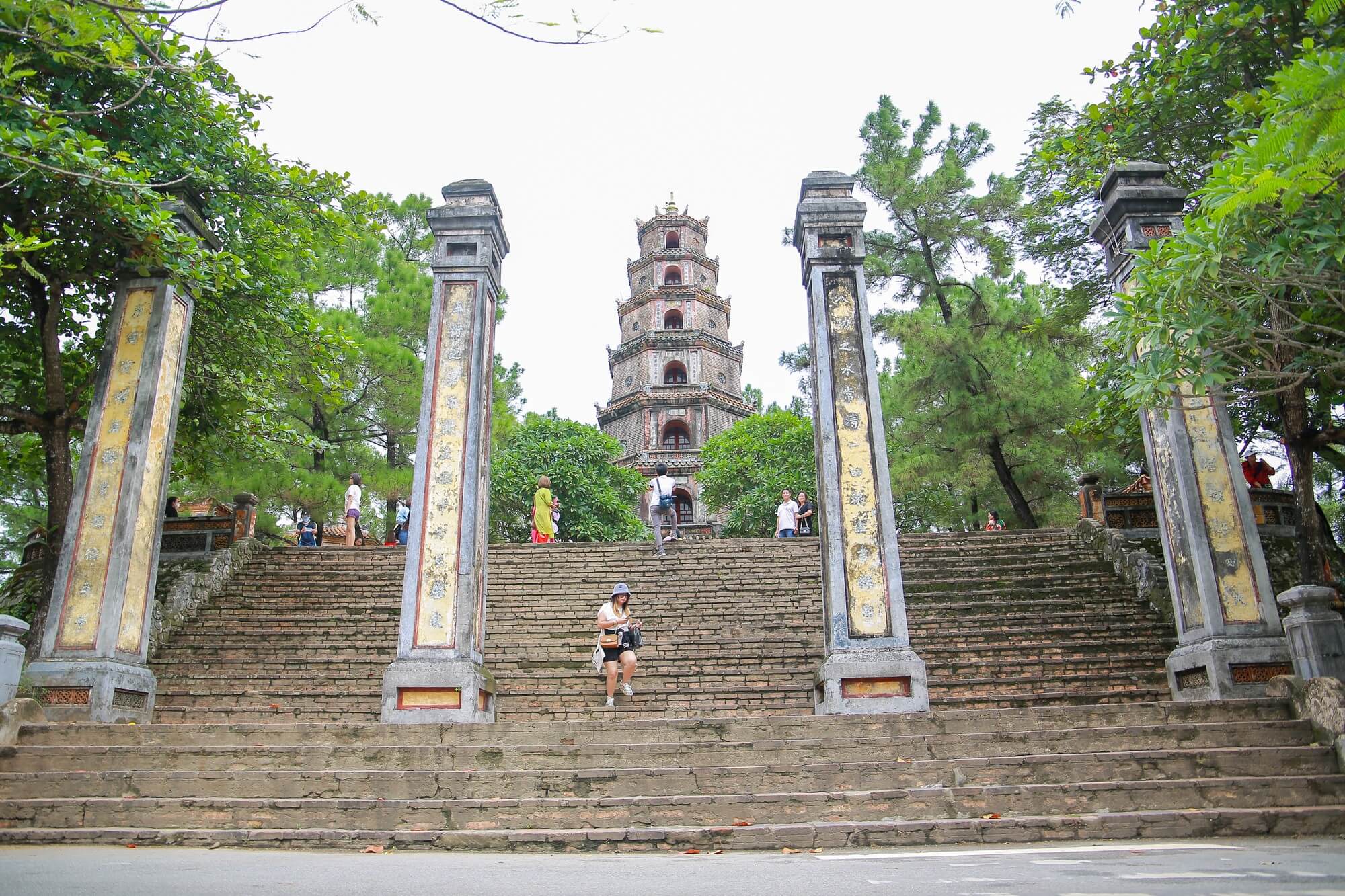
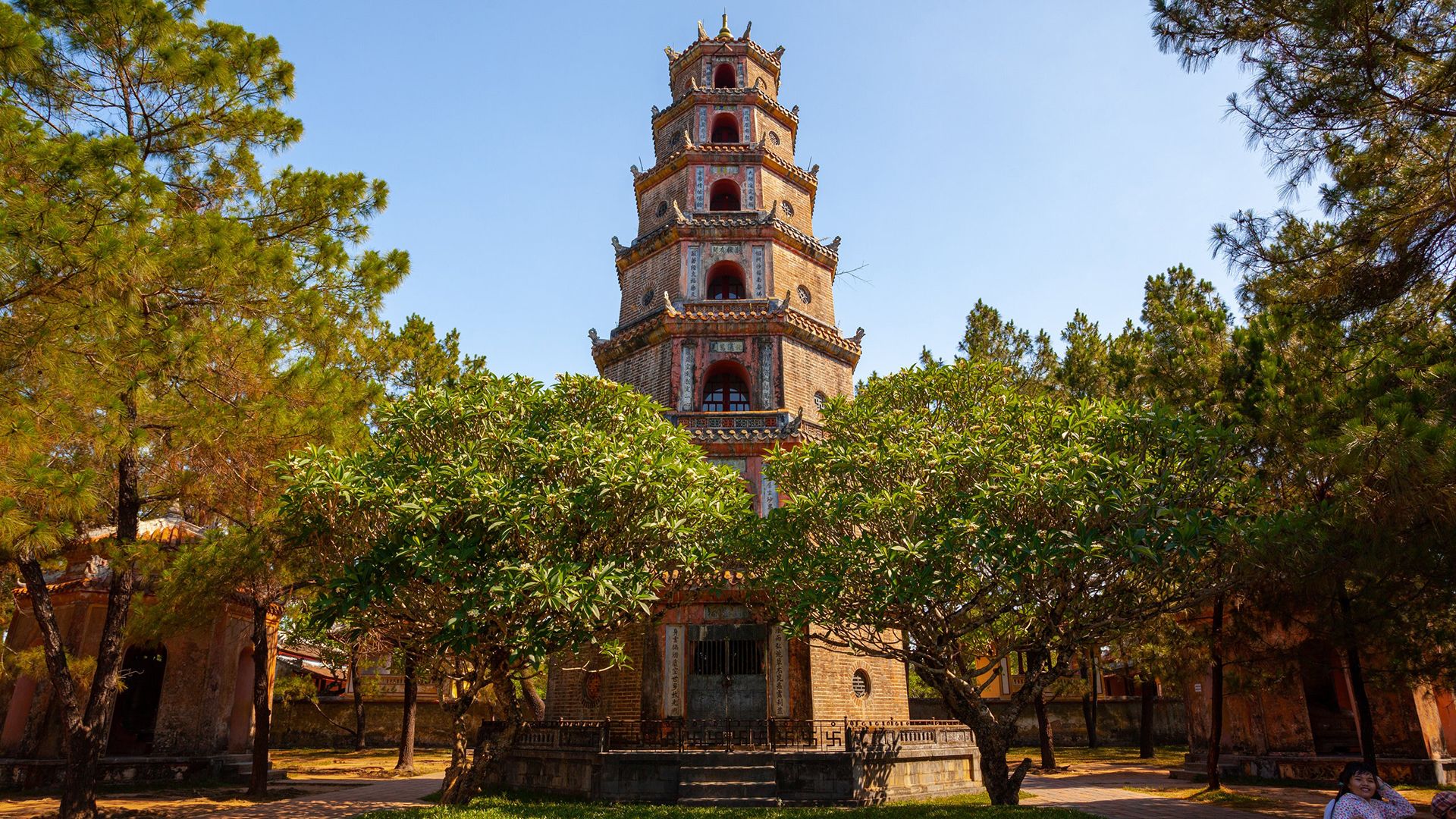
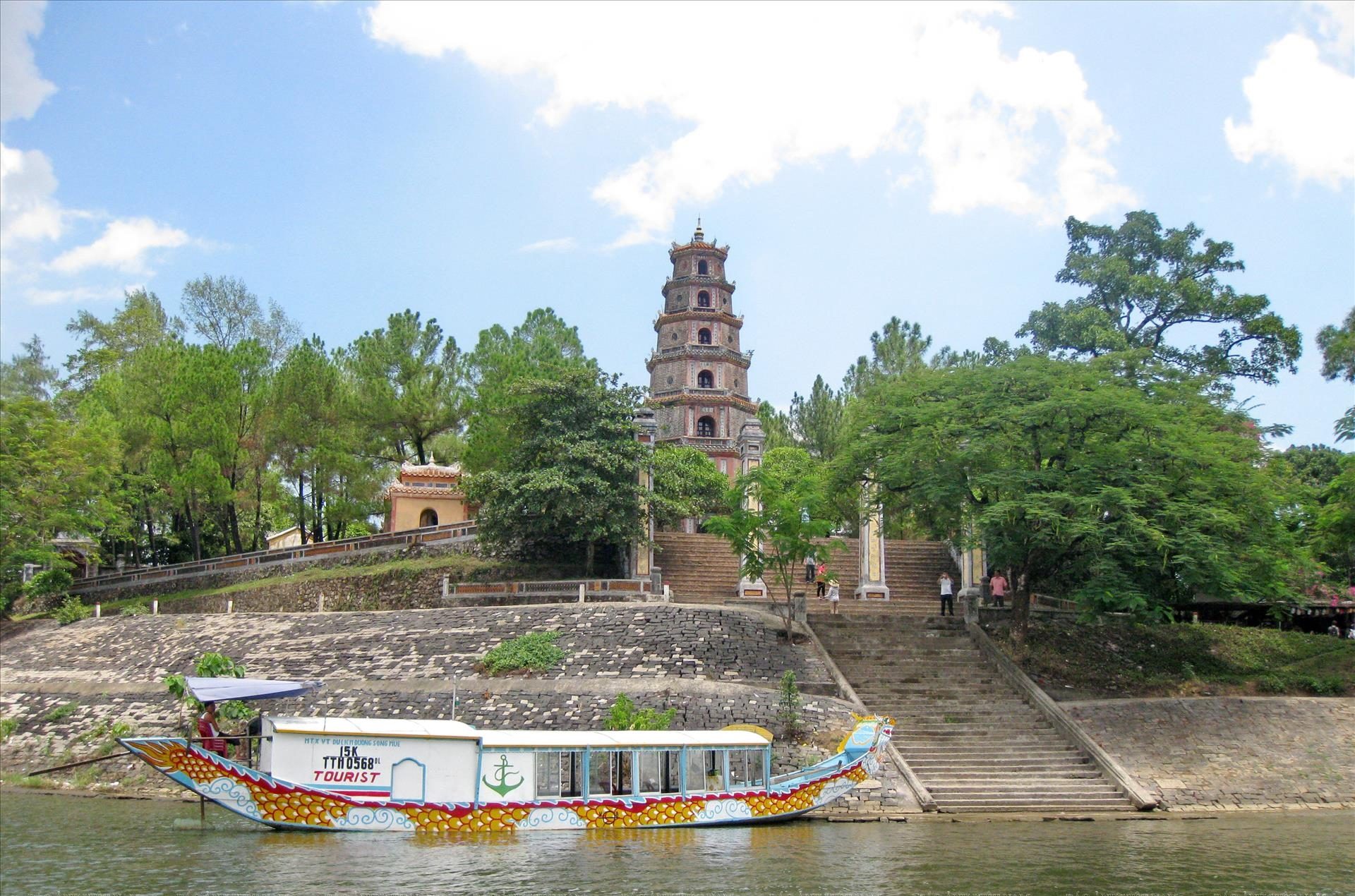
Thien Mu Pagoda, also known as Linh Mu Pagoda, is a historic Buddhist temple founded in 1601 by Lord Nguyen Hoang. Set on Ha Khe Hill overlooking the Perfume River, it is renowned for its distinctive Phuoc Duyen Tower and its close connection to the spiritual and political history of Hue.
Nguyen Phuc Nguyen Street, Kim Long Ward, Hue City
Buddhist Pagoda and National Heritage Site
1601
Generally 7:00 AM–5:00 PM daily
Phuoc Duyen Tower, Dai Hung Hall, the Great Bell, historic stone stele, Buddhist architecture and views of the Perfume River
Discover the legacy of Vietnam’s last royal dynasty, from majestic imperial palaces and serene royal tombs to elegant garden houses and the gentle flow of the Perfume River.
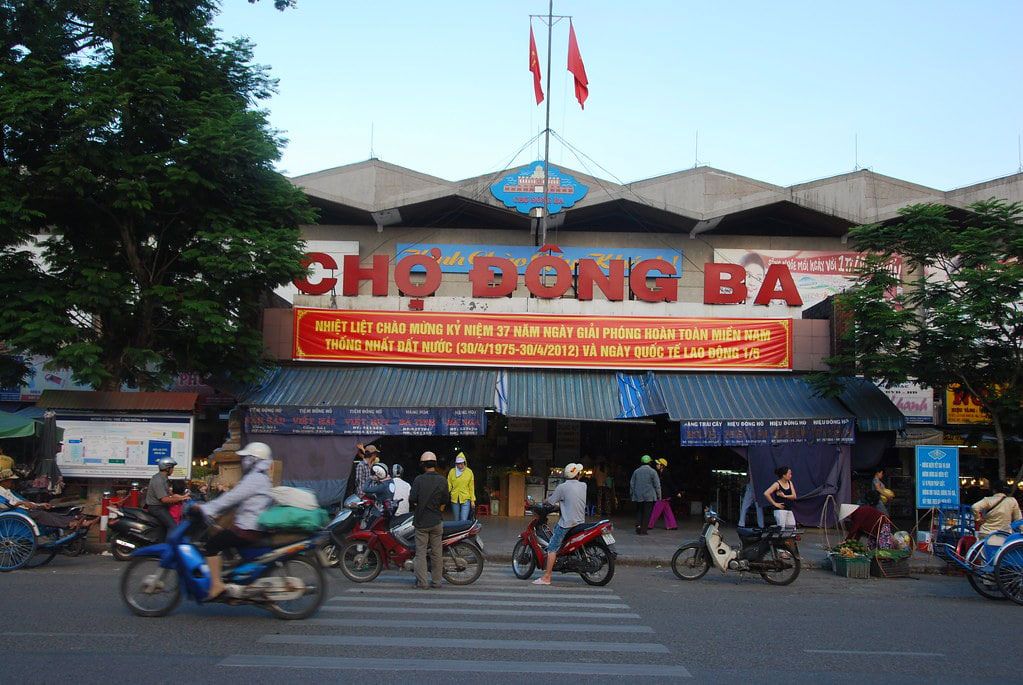
Experience the lively rhythms of everyday Hue through a historic marketplace filled with regional delicacies, traditional handicrafts and the flavours of Vietnam’s former imperial capital.
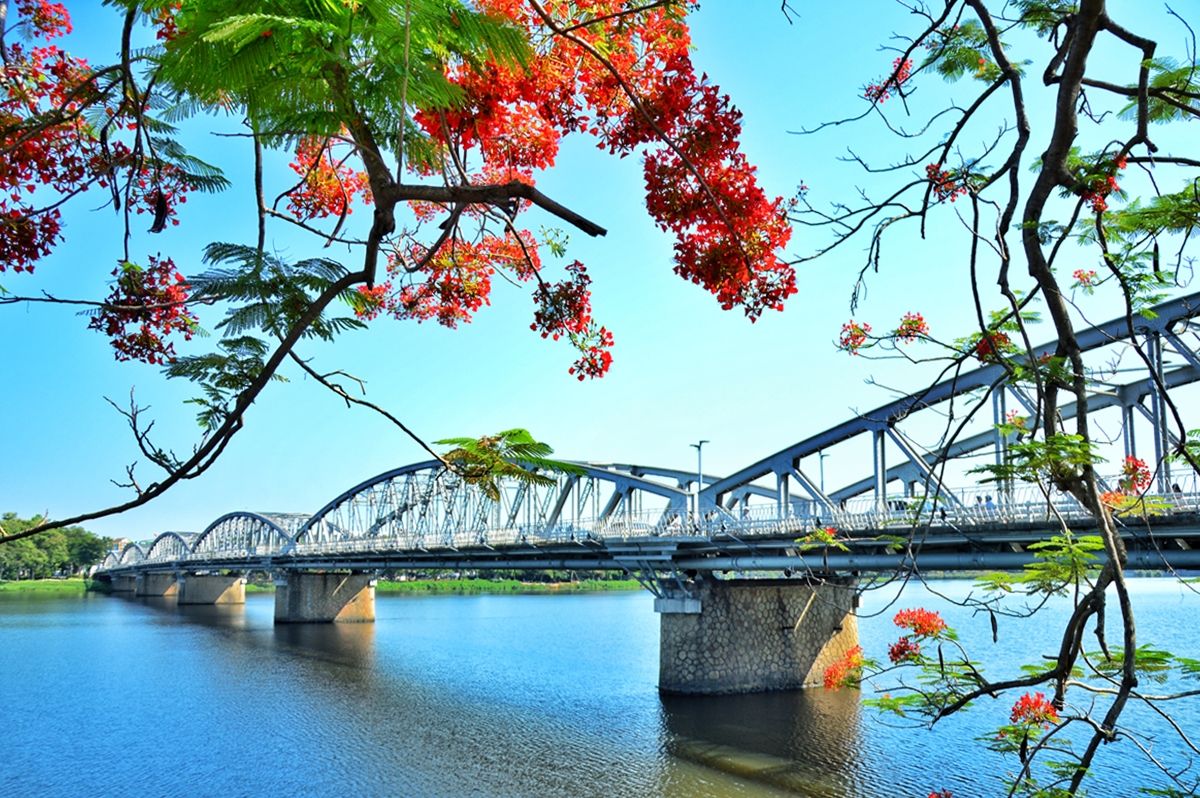
Follow the gentle flow of the Perfume River through Hue, where historic pagodas, elegant bridges and royal heritage create one of Vietnam’s most evocative riverside landscapes.