Ho Chi Minh City is a destination of striking contrasts, combining Vietnam’s historical legacy with the pace and creativity of a modern metropolis. Formerly known as Saigon, the city developed into an important commercial centre and retains a distinctive architectural landscape shaped by Vietnamese traditions, Chinese cultural influences and French colonial history. Today, busy boulevards, historic buildings, bustling markets and contemporary skyscrapers reflect its continuing evolution.
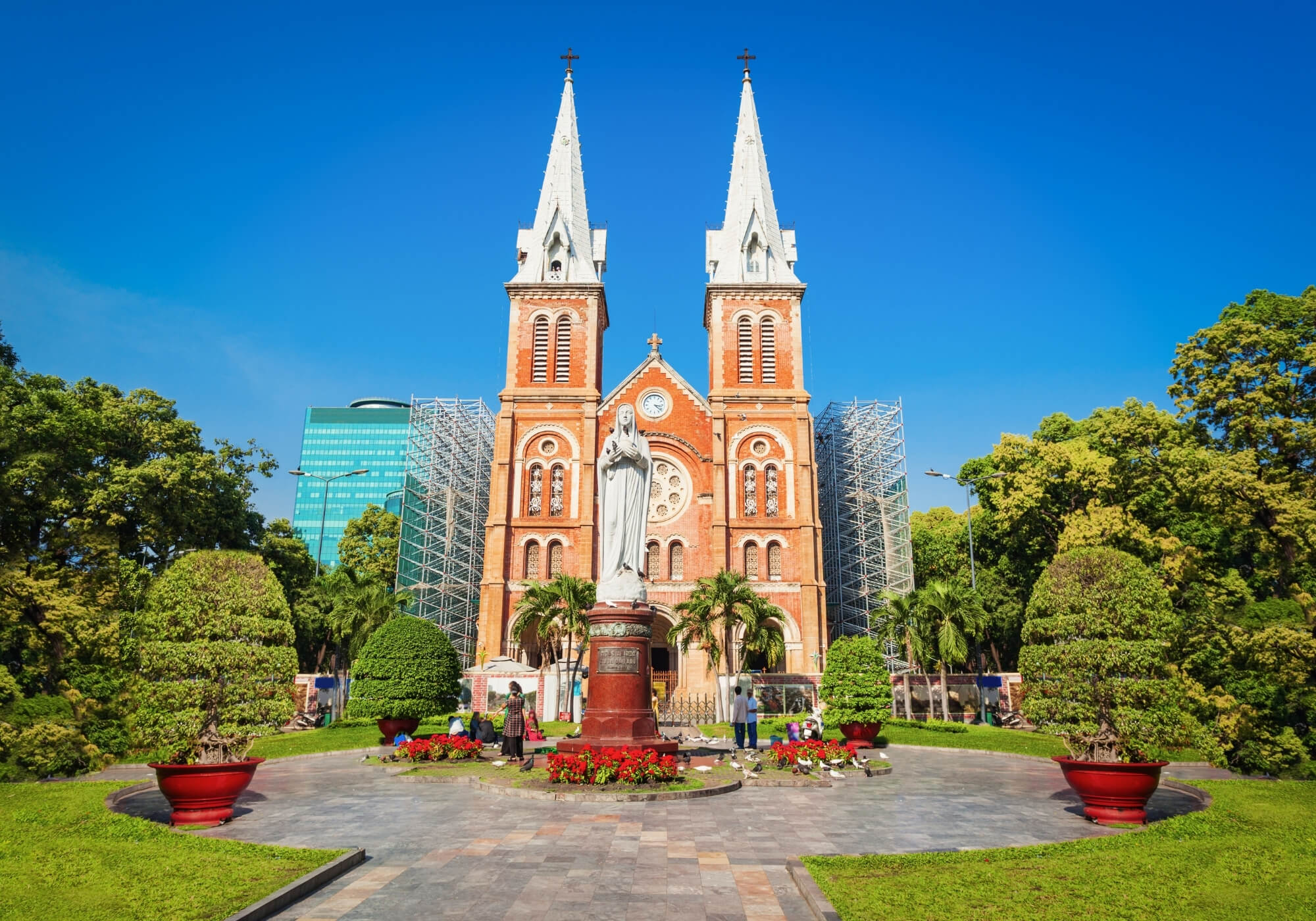
The city centre is an ideal starting point for exploring its history and culture. Independence Palace, closely associated with the events of 30 April 1975, offers insight into a defining chapter of modern Vietnamese history, while the War Remnants Museum presents exhibits documenting the consequences of war. Nearby, the Saigon Central Post Office, Notre-Dame Cathedral Basilica of Saigon and Saigon Opera House illustrate the architectural legacy of the French colonial period. For a different perspective, Cholon—the city’s historic Chinese quarter—invites visitors to explore traditional markets, Chinese temples and long-established trading streets.
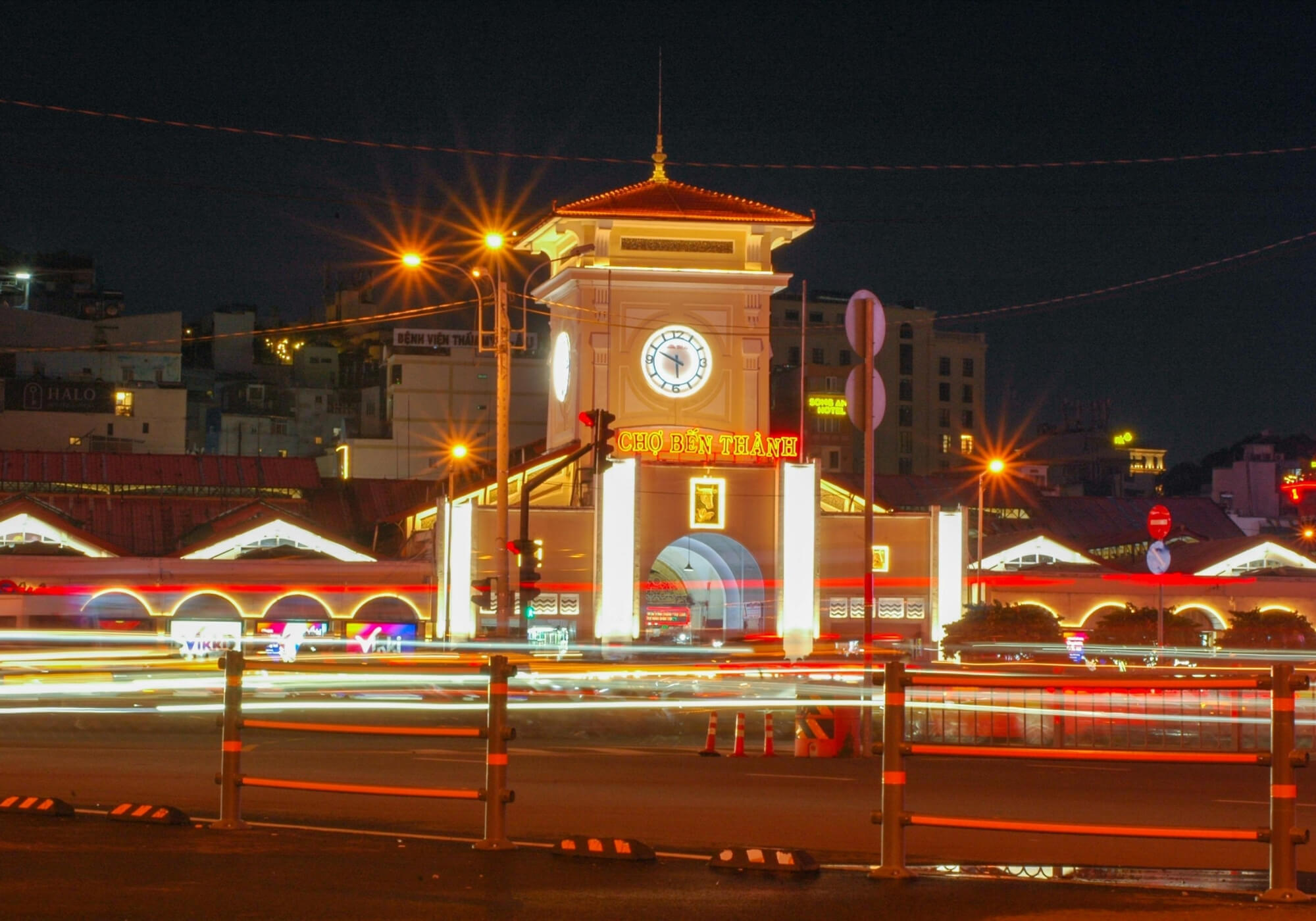
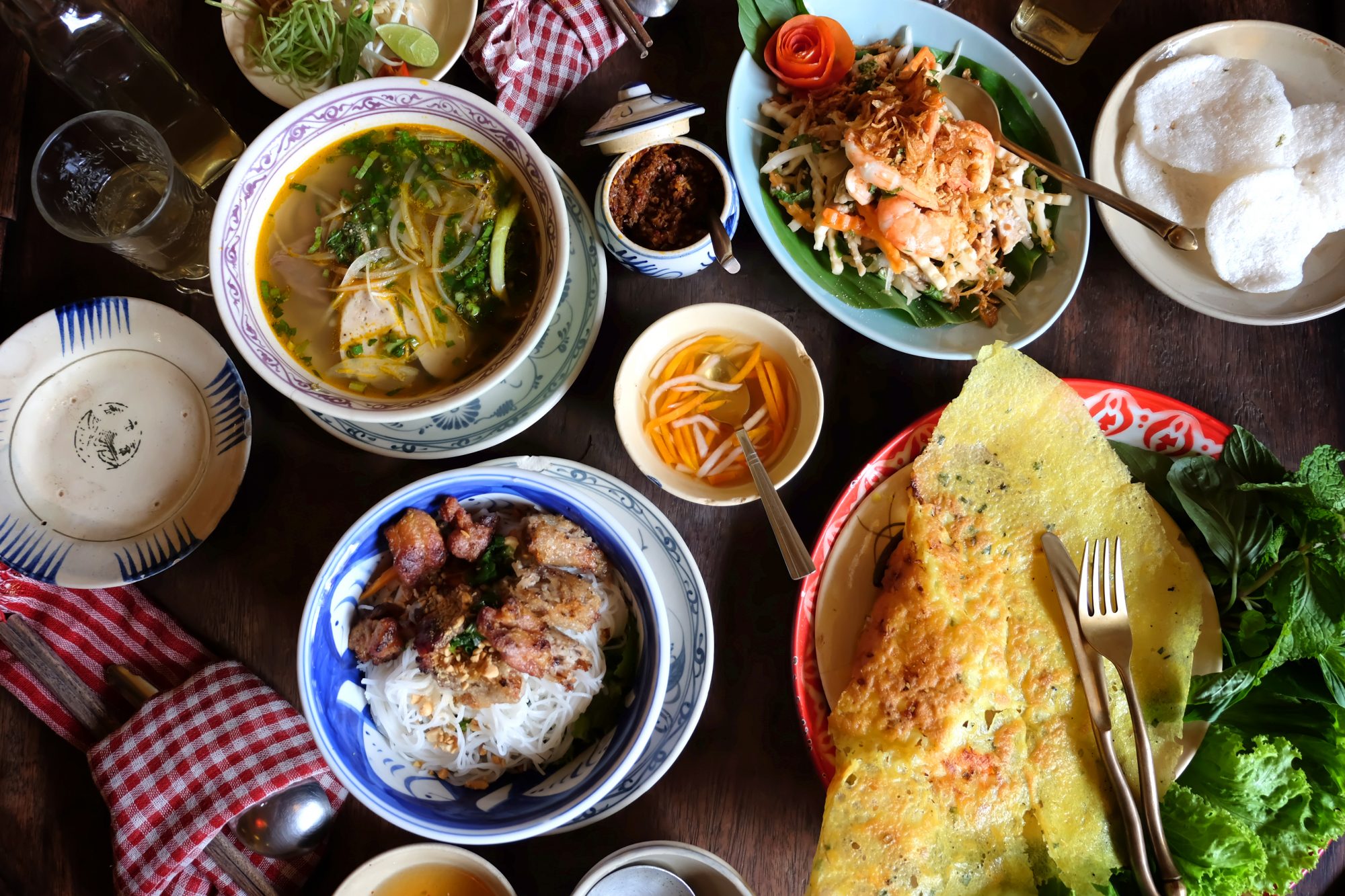
Food is an essential part of the Ho Chi Minh City experience. From crowded pavement stalls to contemporary restaurants, the city showcases the flavours of southern Vietnam alongside culinary influences from across the country. Visitors can sample cơm tấm (broken rice), bánh mì, bánh xèo (crispy savoury pancakes), gỏi cuốn (fresh spring rolls) and rich Vietnamese iced coffee. Ben Thanh Market, local food streets and evening food tours offer convenient ways to discover these everyday culinary traditions.
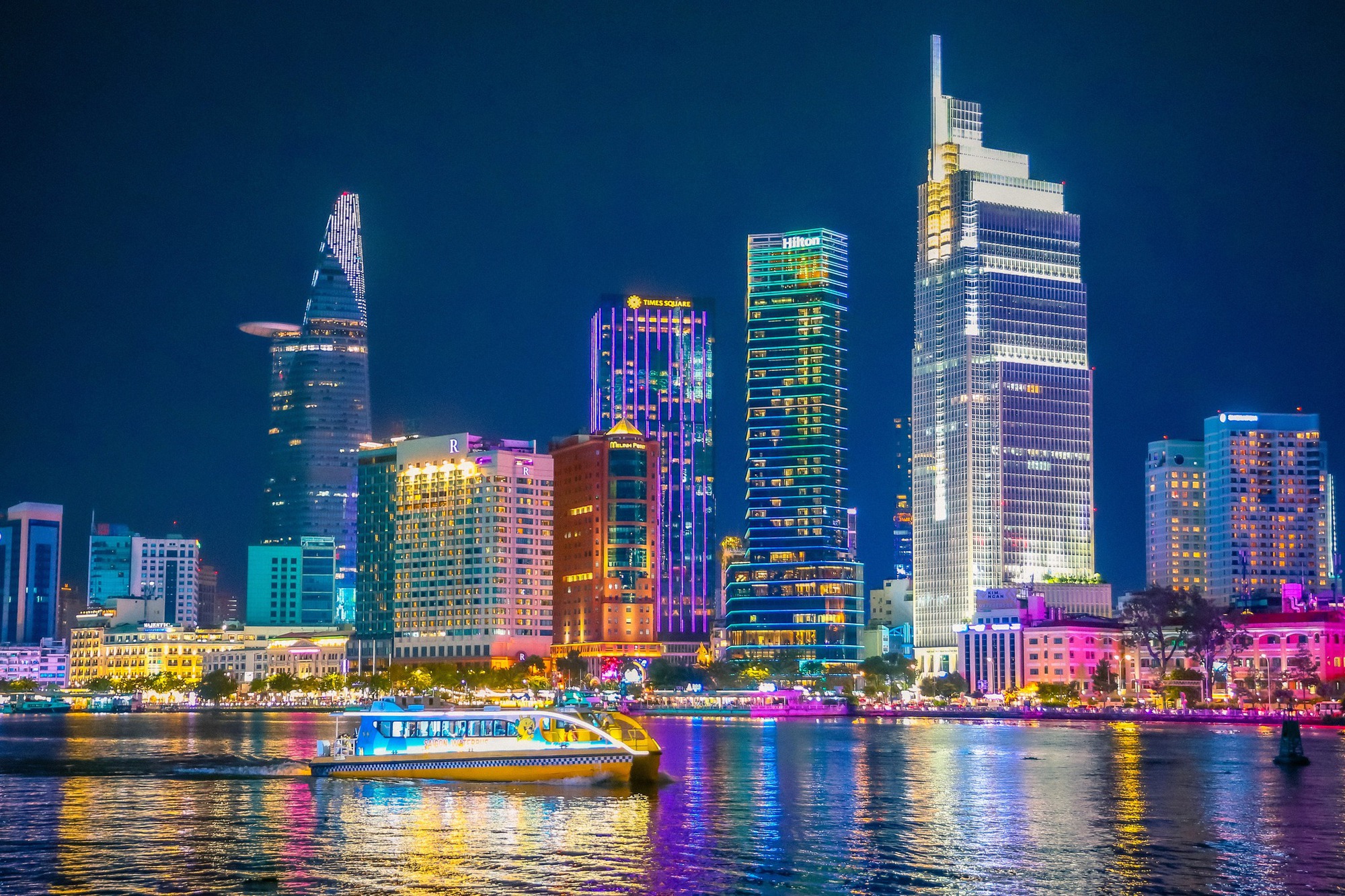
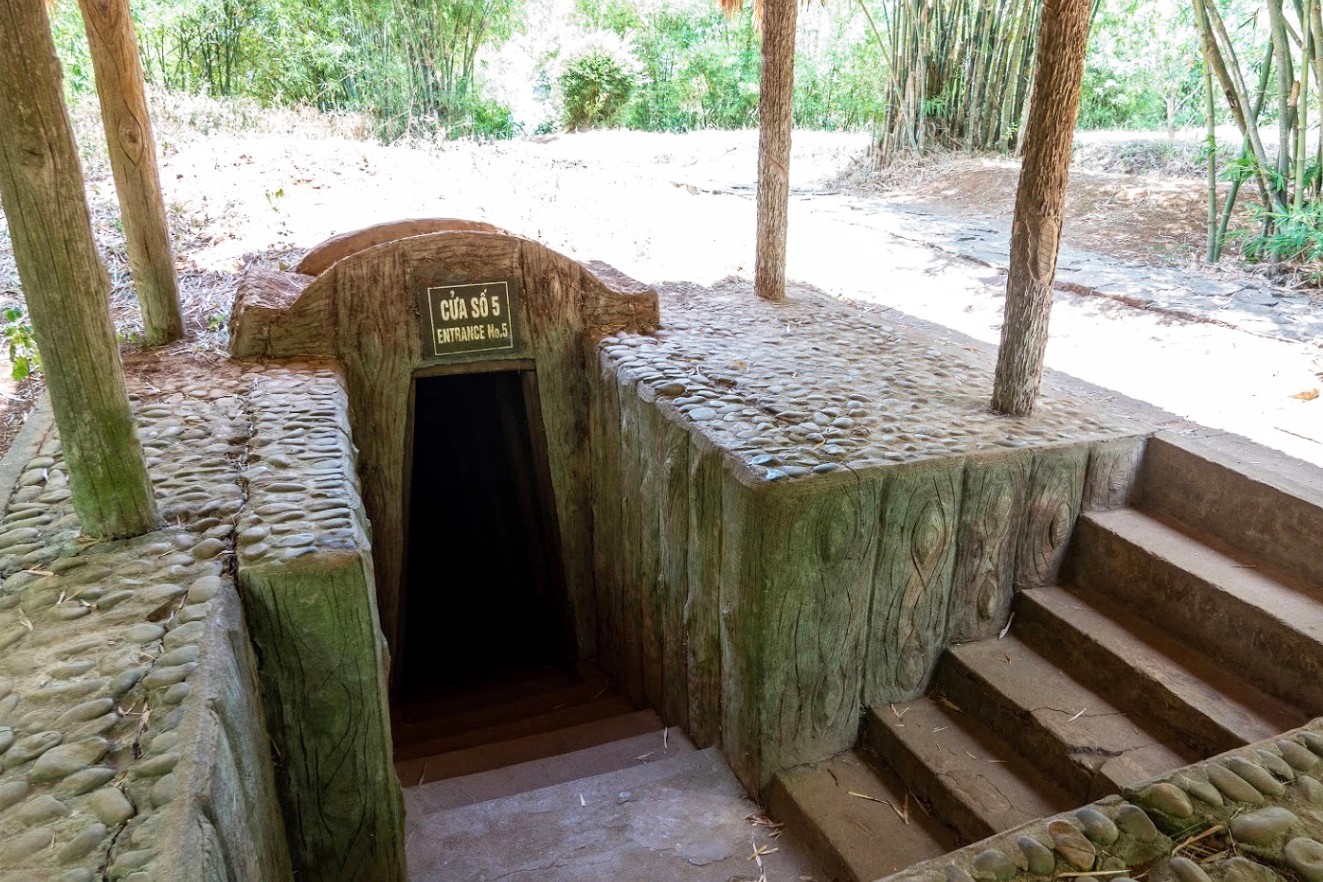
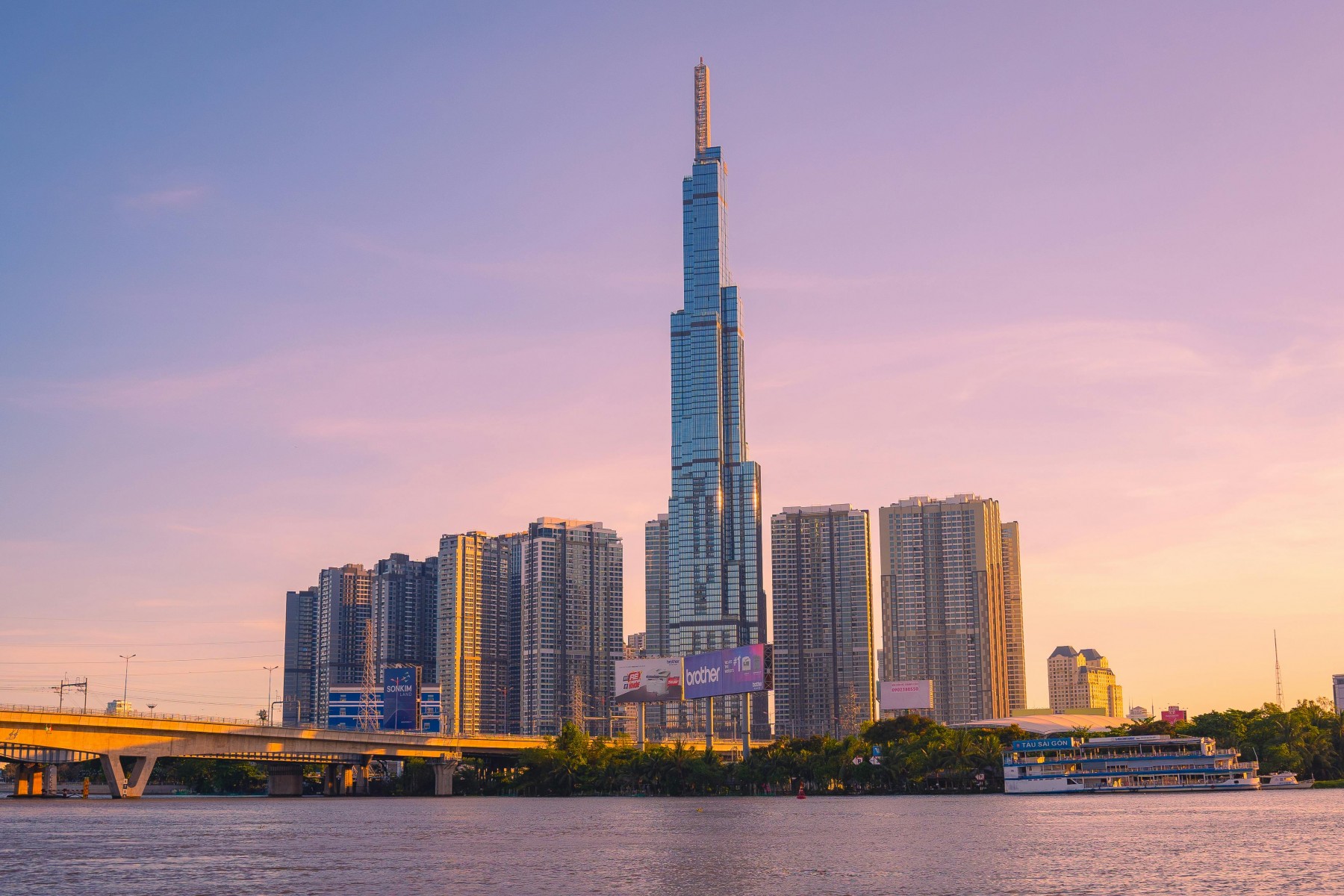
Beyond its historical landmarks and cuisine, Ho Chi Minh City is known for its lively atmosphere after dark. Rooftop venues, cafés, shopping streets and riverside restaurants provide different ways to enjoy the city, while a cruise along the Saigon River offers views of its changing skyline. Travellers seeking experiences beyond the urban centre can visit the Cu Chi Tunnels to learn about wartime history or extend their journey to the wider southern region.
The best time to visit is generally December to April, when the dry season brings sunnier conditions that are convenient for sightseeing and outdoor activities. The rainy season typically runs from May to November, with warm temperatures and frequent short showers, often in the afternoon. As the climate remains tropical throughout the year, lightweight clothing, sun protection and a compact umbrella are useful.
Ho Chi Minh City is also a practical gateway to the wider south. Following the 2025 administrative merger, its expanded territory includes the former coastal province of Ba Ria–Vung Tau, making it possible to combine urban sightseeing with beach stays in destinations such as Vung Tau. With its varied attractions, energetic food scene and convenient transport connections, the city works well as both a standalone city break and the starting point for a broader southern Vietnam itinerary.