
Dong Ba Market
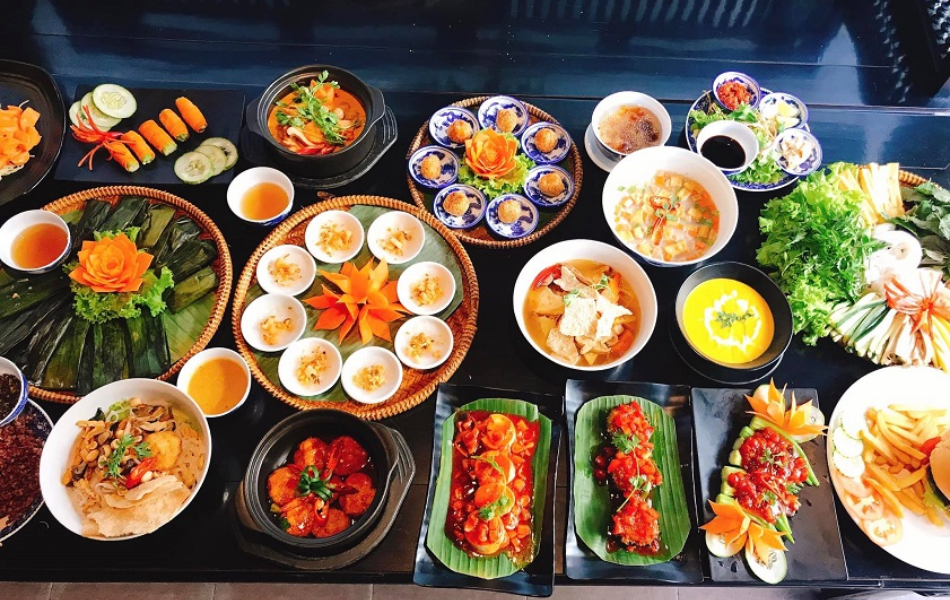
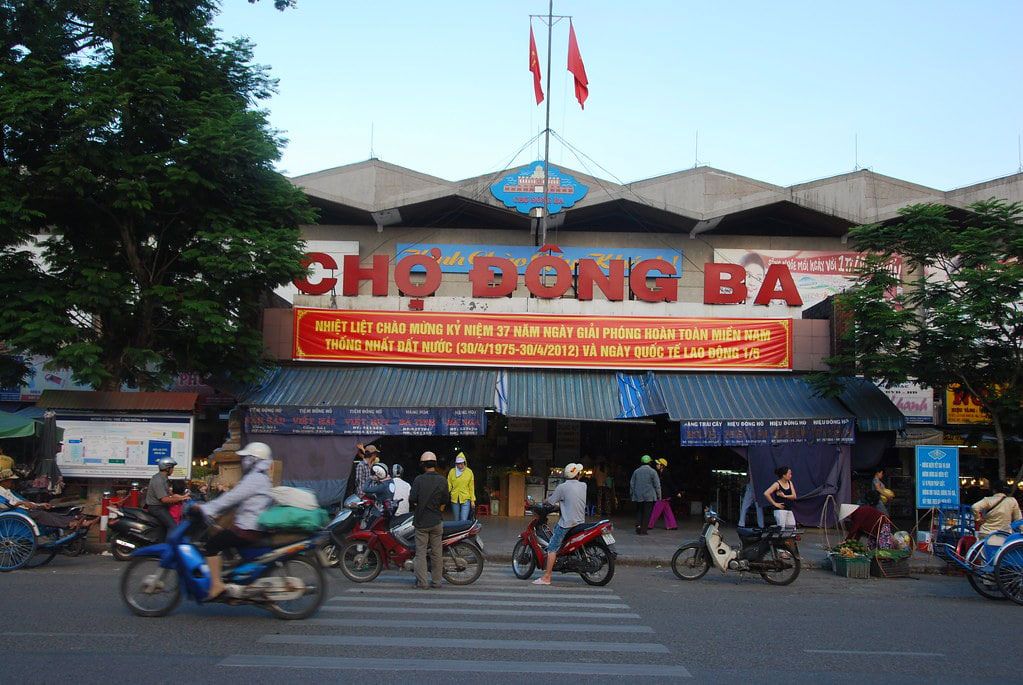
Experience the lively rhythms of everyday Hue through a historic marketplace filled with regional delicacies, traditional handicrafts and the flavours of Vietnam’s former imperial capital.
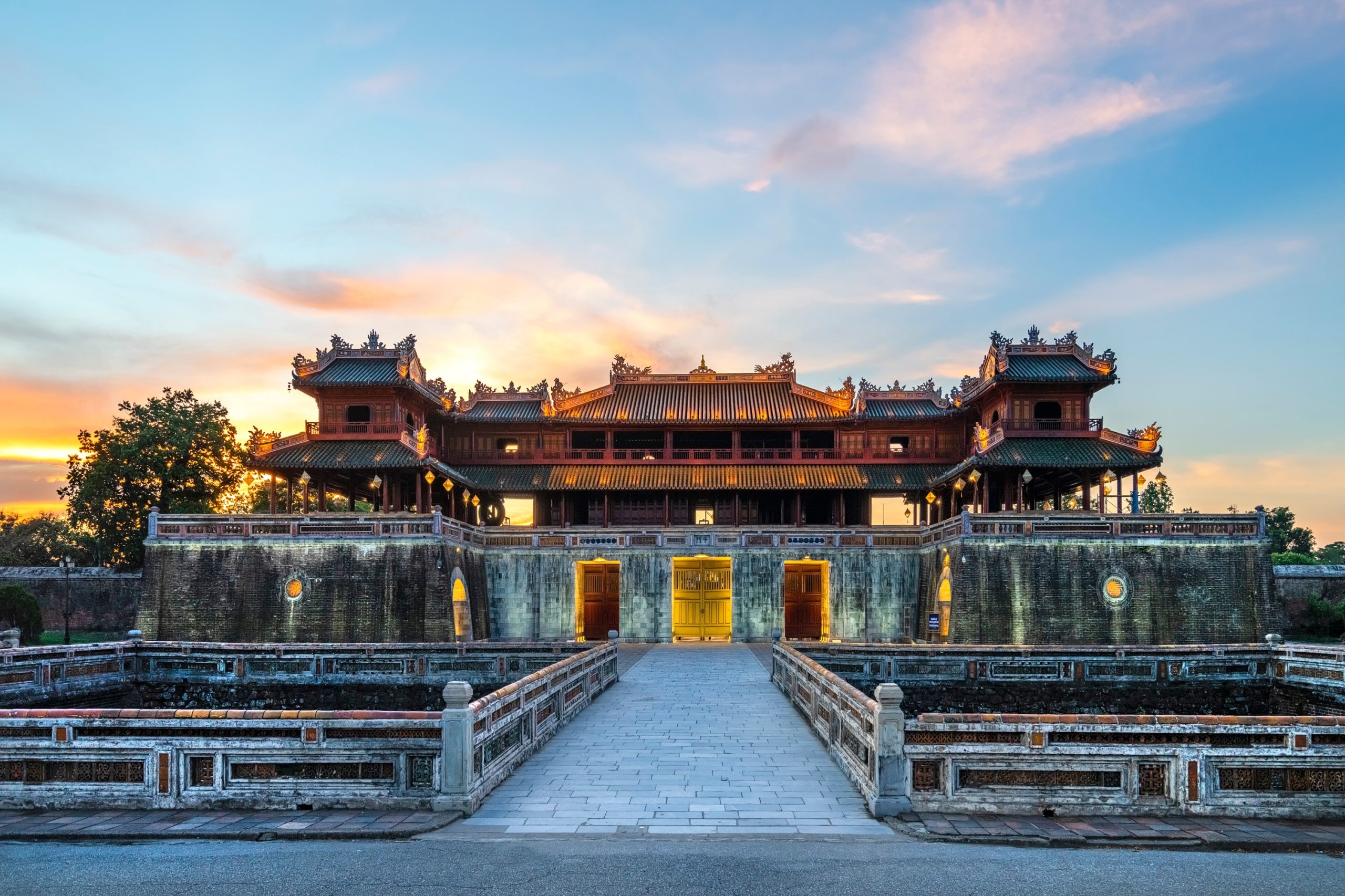
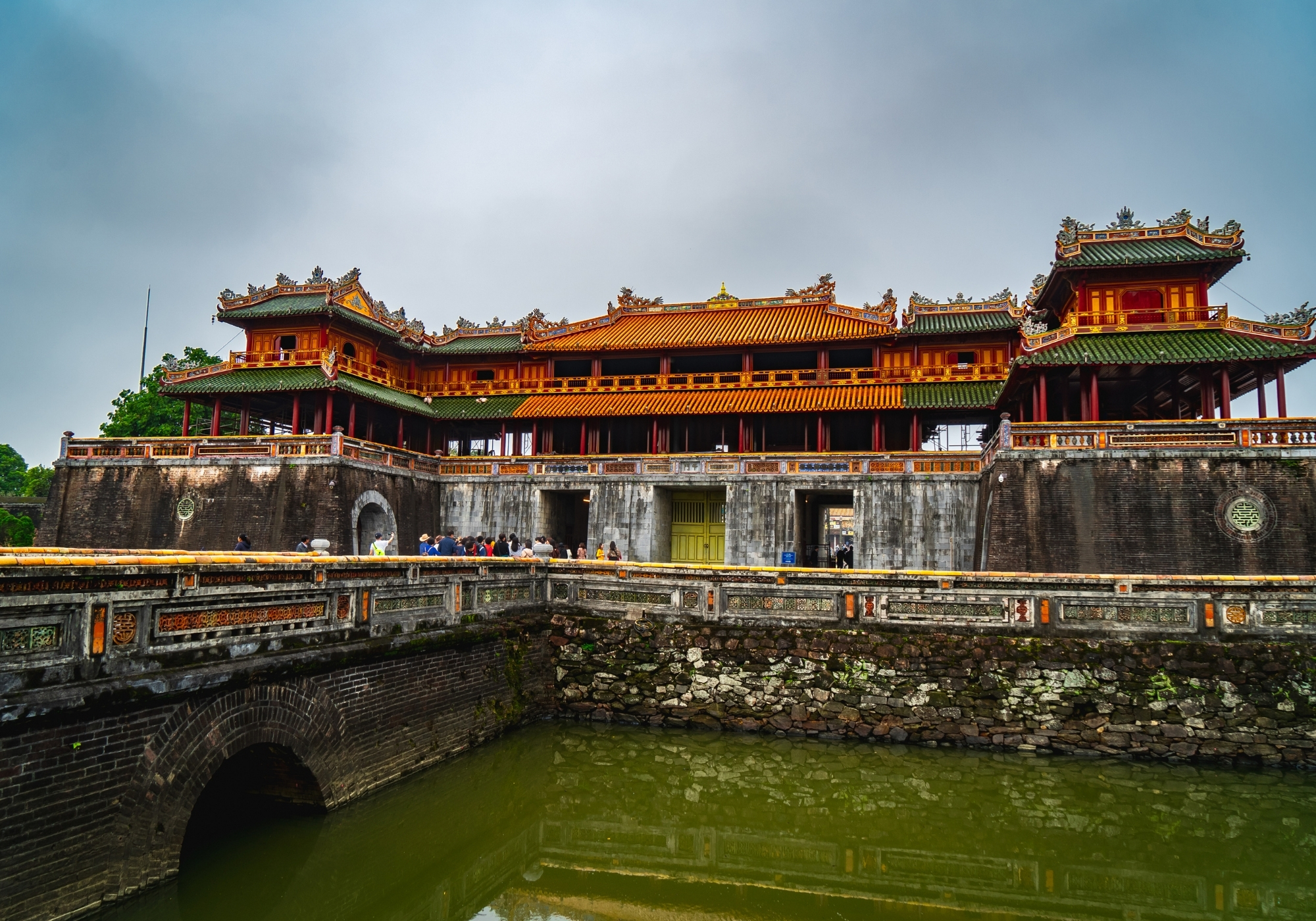
Hue, a city in Central Vietnam, served as Vietnam’s imperial capital under the Nguyen Dynasty from 1802 to 1945. Its historic monuments, royal architecture and distinctive culinary traditions make it one of the country’s leading destinations for cultural and heritage travel. The Complex of Hue Monuments was inscribed on the UNESCO World Heritage List in 1993.
Central Vietnam
Approximately 1.2 million people
Approximately 4,947 km²
Exploring imperial architecture, discovering royal tombs, cruising the Perfume River, experiencing traditional garden houses, enjoying Hue’s royal and local cuisine, and learning about Vietnamese court culture
Hue Imperial City, Minh Mang Tomb, Tu Duc Tomb, Khai Dinh Tomb, Thien Mu Pagoda, Perfume River, Dong Ba Market, Lang Co Beach and Lap An Lagoon
Experience the lively rhythms of everyday Hue through a historic marketplace filled with regional delicacies, traditional handicrafts and the flavours of Vietnam’s former imperial capital.
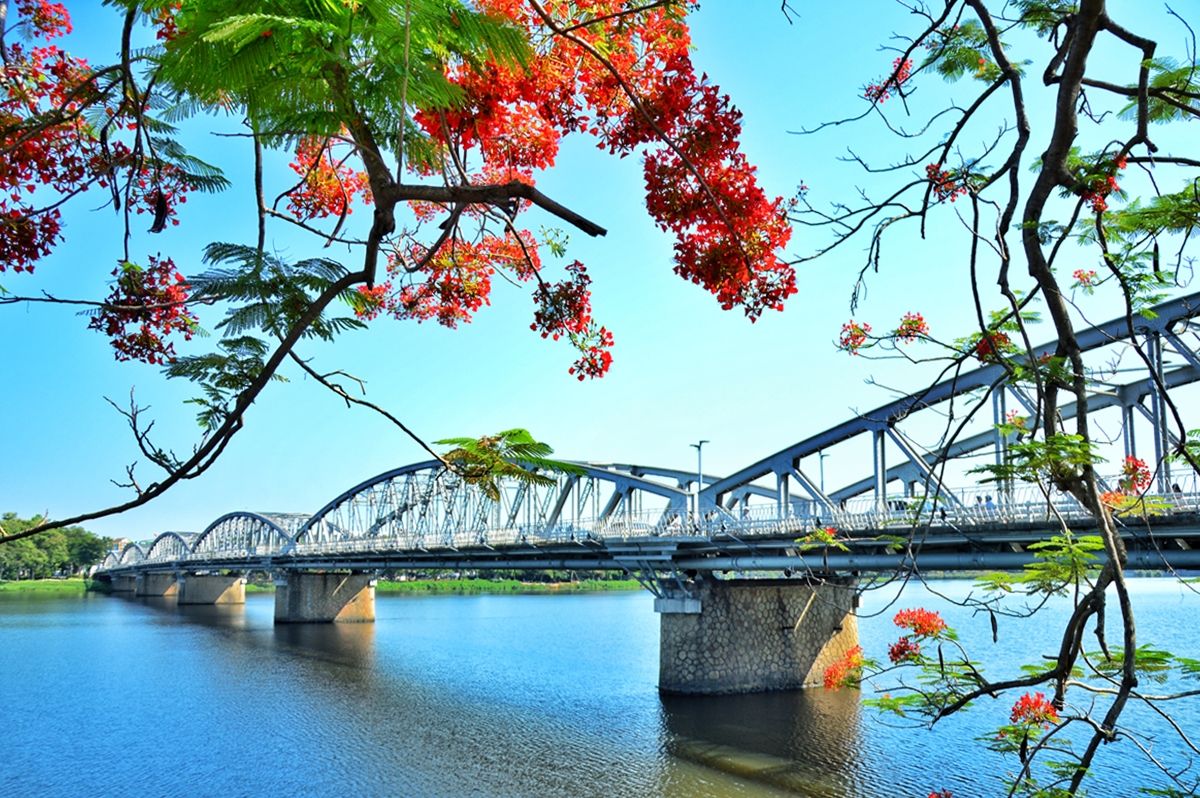
Follow the gentle flow of the Perfume River through Hue, where historic pagodas, elegant bridges and royal heritage create one of Vietnam’s most evocative riverside landscapes.
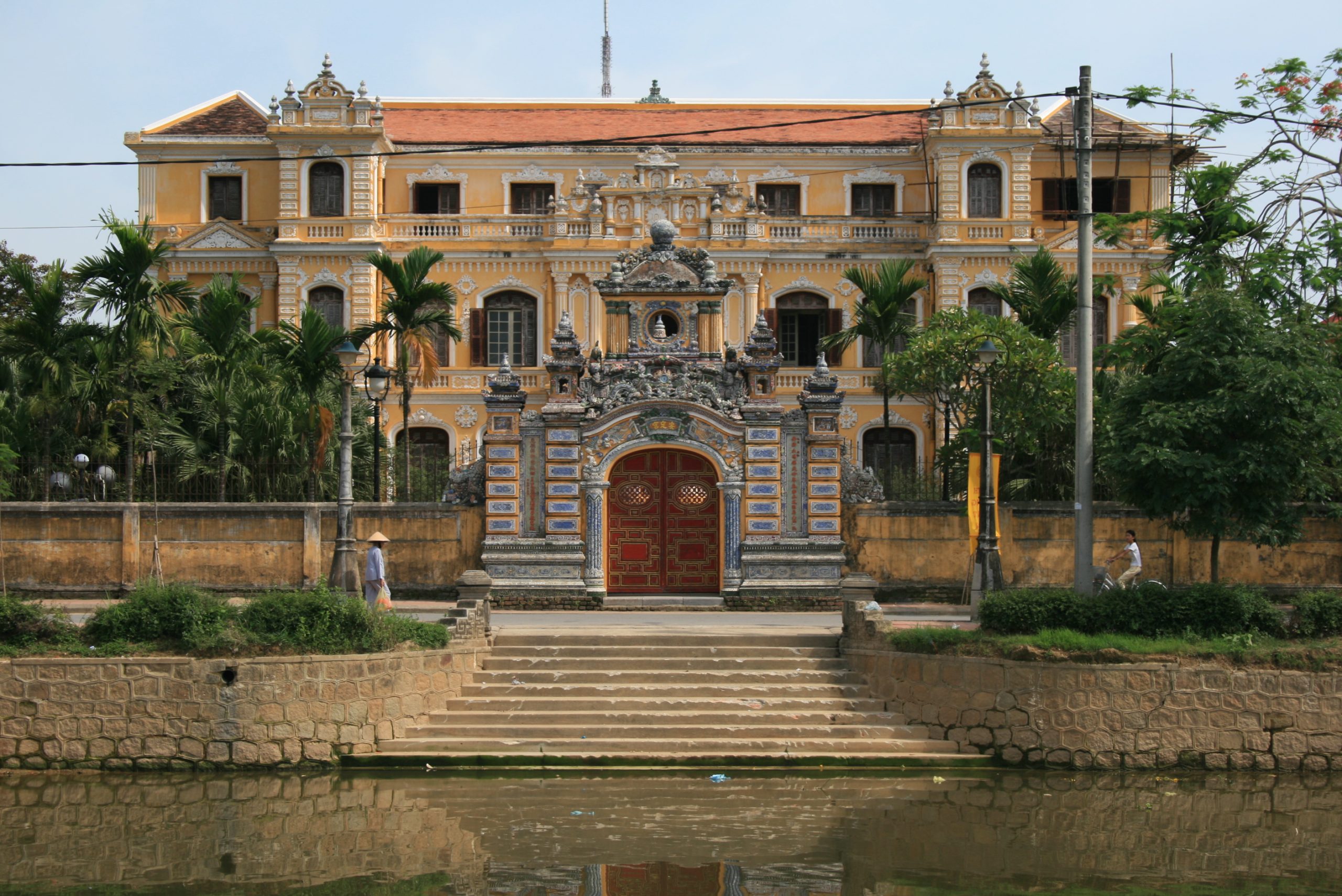
Explore a distinctive royal residence where Vietnamese imperial heritage meets European-inspired architecture, reflecting a period of transformation in the final years of the Nguyen Dynasty.