
Search

Overview

Location

Phu Lang Commune, Bac Ninh City

Type

Traditional Craft Village & Cultural Heritage Site

Established / Built

The pottery tradition is believed to date back around 700–800 years, with origins commonly associated with the Ly or Tran dynasties.

Opening Hours

Workshop schedules vary by household. Daytime visits are recommended, and advance arrangements are advisable for demonstrations or hands-on activities.

Highlights

Brown and yellow-brown da luon glaze, hand-shaped ceramics, traditional wood-fired kilns, embossed decorative motifs, artisan workshops and pottery-making experiences

Introduction

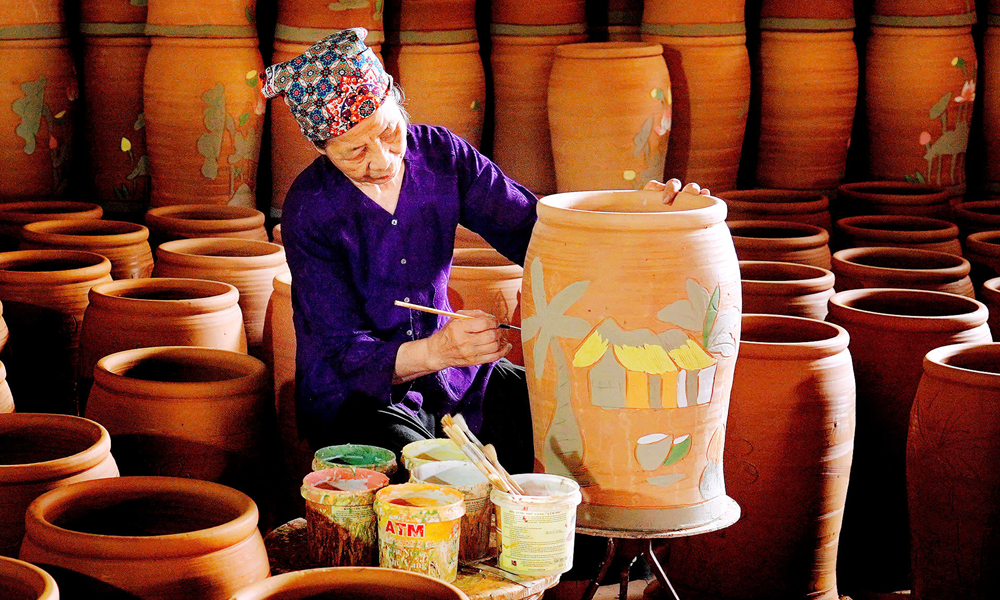
Phu Lang is one of the traditional pottery centres of the Kinh Bac region, with a history spanning several centuries. Unlike Bat Trang pottery, which is widely associated with a diverse range of ceramic finishes, Phu Lang is especially recognised for its earthy colours, sturdy shapes and understated decorative style. The craft has long been part of local livelihoods, producing both everyday household wares and objects used in religious ceremonies.

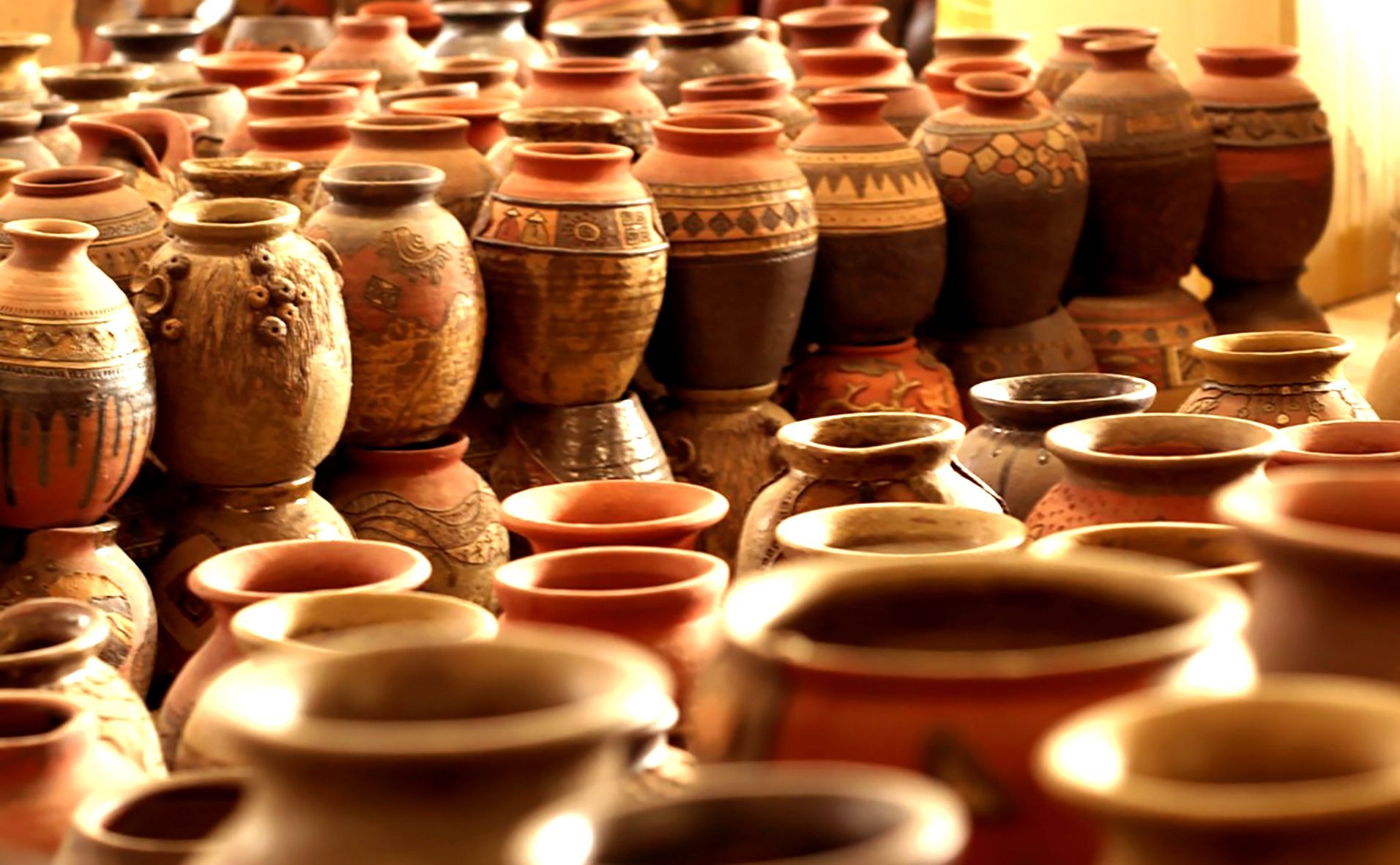
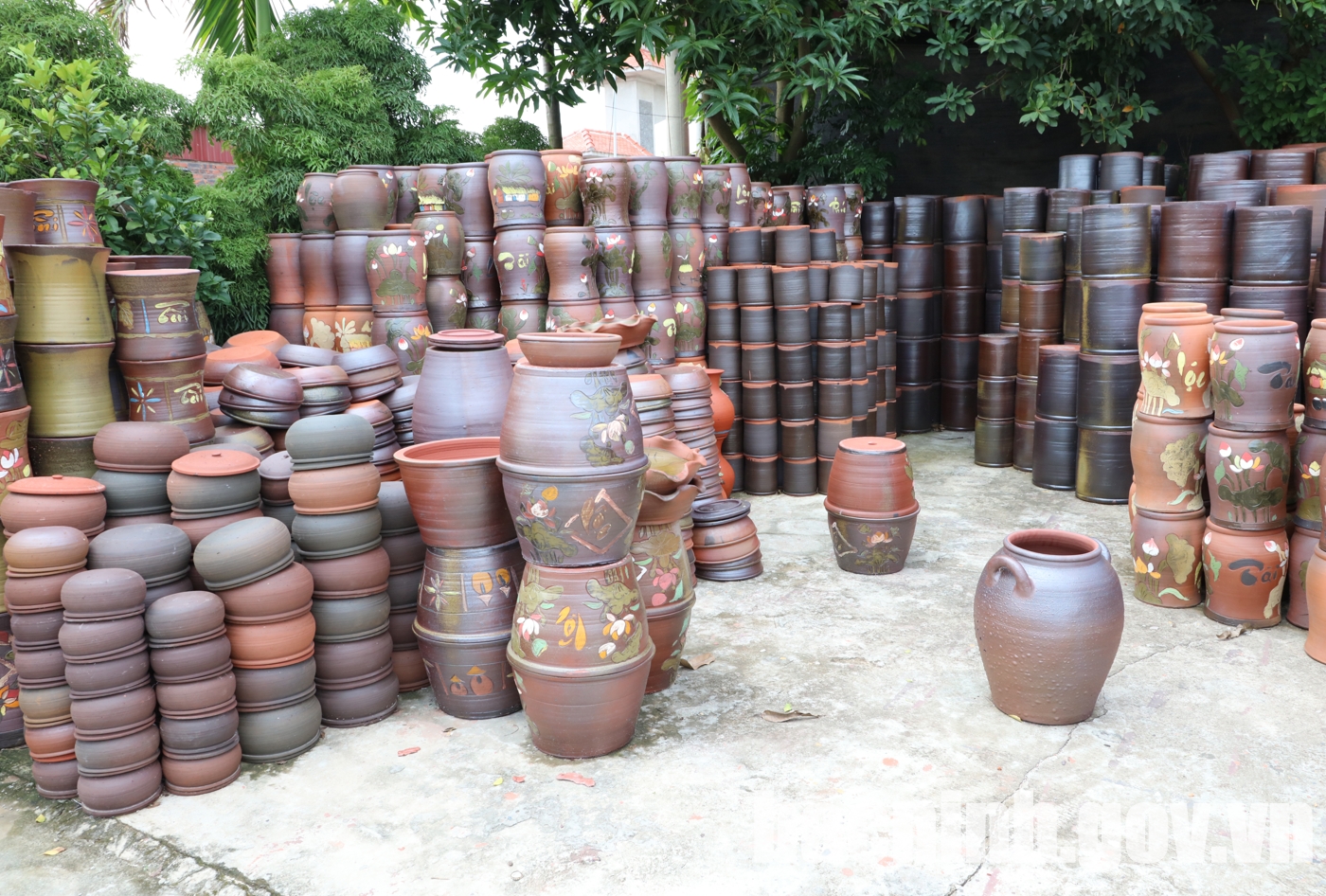
The village’s defining feature is its characteristic “da luon” glaze, a warm brown or yellowish-brown finish resembling eel skin. Depending on the clay, glaze composition and firing conditions, finished pieces may display shades of golden brown, dark brown or near-black, sometimes with naturally formed variations across the surface. Many ceramics feature embossed designs inspired by traditional motifs, including the four sacred creatures, rural landscapes and other familiar elements of Vietnamese decorative art.

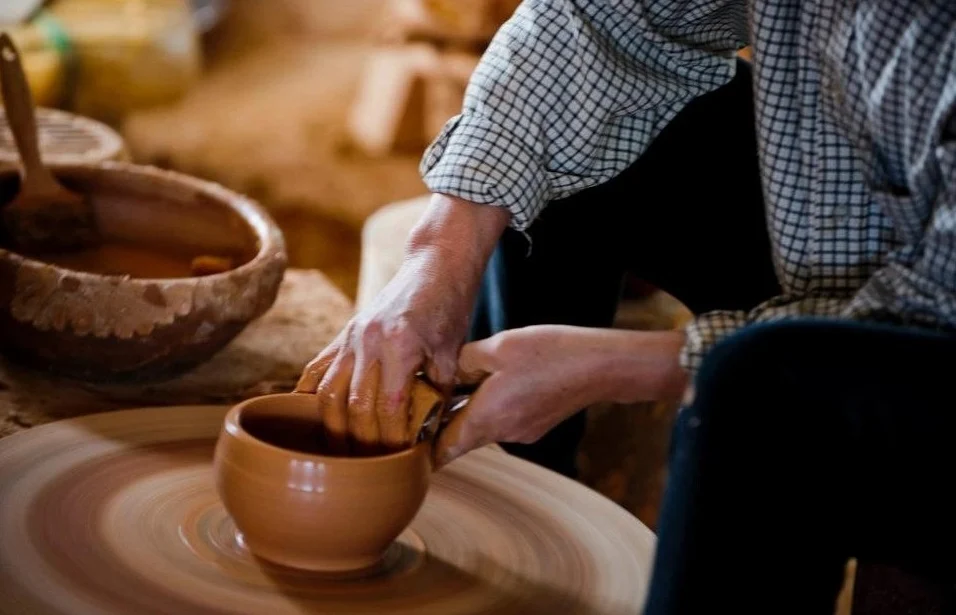
Traditional production involves several careful stages. Clay is prepared and kneaded before being shaped on a potter’s wheel. Artisans then refine the form, apply glaze and allow the pieces to dry before firing. The village is particularly known for its wood-fired kilns, where changes in temperature during firing help create the distinctive surface effects that distinguish Phu Lang ceramics. This combination of material, technique and experience gives each handmade piece its own character.

Phu Lang ceramics traditionally fall into three broad categories. Religious wares include incense burners and ceremonial vessels; household products include jars, pots, vases and storage containers; and decorative ceramics feature sculptural forms and artistic designs. Today, visitors can find both functional pieces and contemporary interpretations of traditional pottery, making the village an appealing destination for those interested in Vietnamese craftsmanship.

A visit to Phu Lang offers a chance to observe artisans at work in family-run workshops and learn how clay is transformed into finished ceramics. Depending on the workshop, visitors may be able to try shaping clay, decorating a piece or learning about glazing and firing. The surrounding village also retains a rural atmosphere, with traditional lanes, brick structures and views towards the Cau River providing a peaceful setting for exploring the craft community.

For travellers seeking an authentic cultural experience beyond major tourist attractions, Phu Lang Pottery Village offers a closer look at the relationship between craftsmanship, local identity and everyday life in northern Vietnam. It can be included in a wider cultural itinerary around Bac Ninh City, particularly alongside other traditional craft villages and historical sites. To make the most of the visit, arrange a workshop in advance, as not every household operates as a formal visitor centre.

Other Tourist Attractions

Bac Ninh

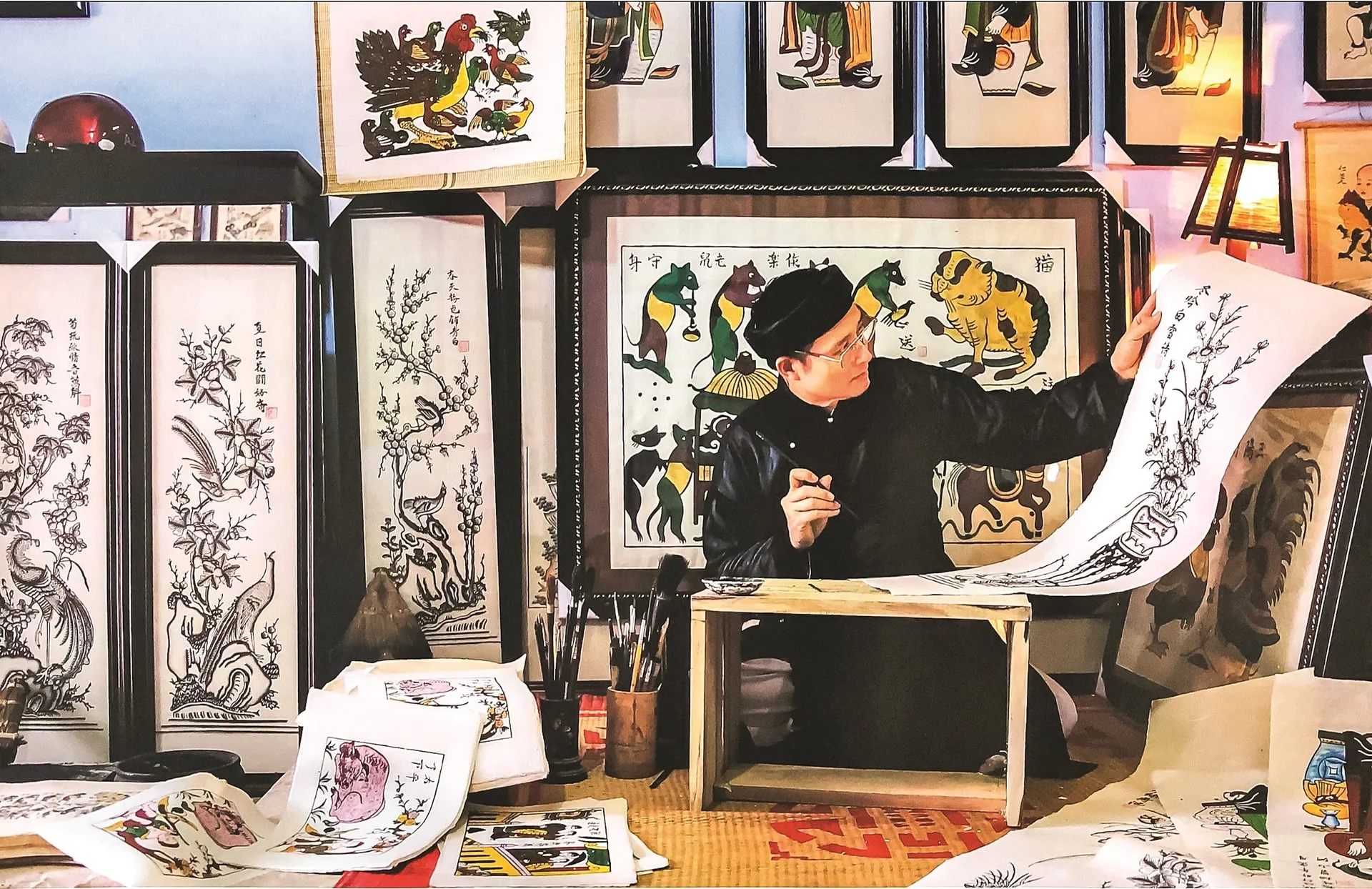
Discover Bac Ninh, where UNESCO-recognised folk melodies, centuries-old pagodas, traditional craft villages and the enduring heritage of the Red River Delta reveal a rich side of northern Vietnam.

SEE MORE arrow_right_alt

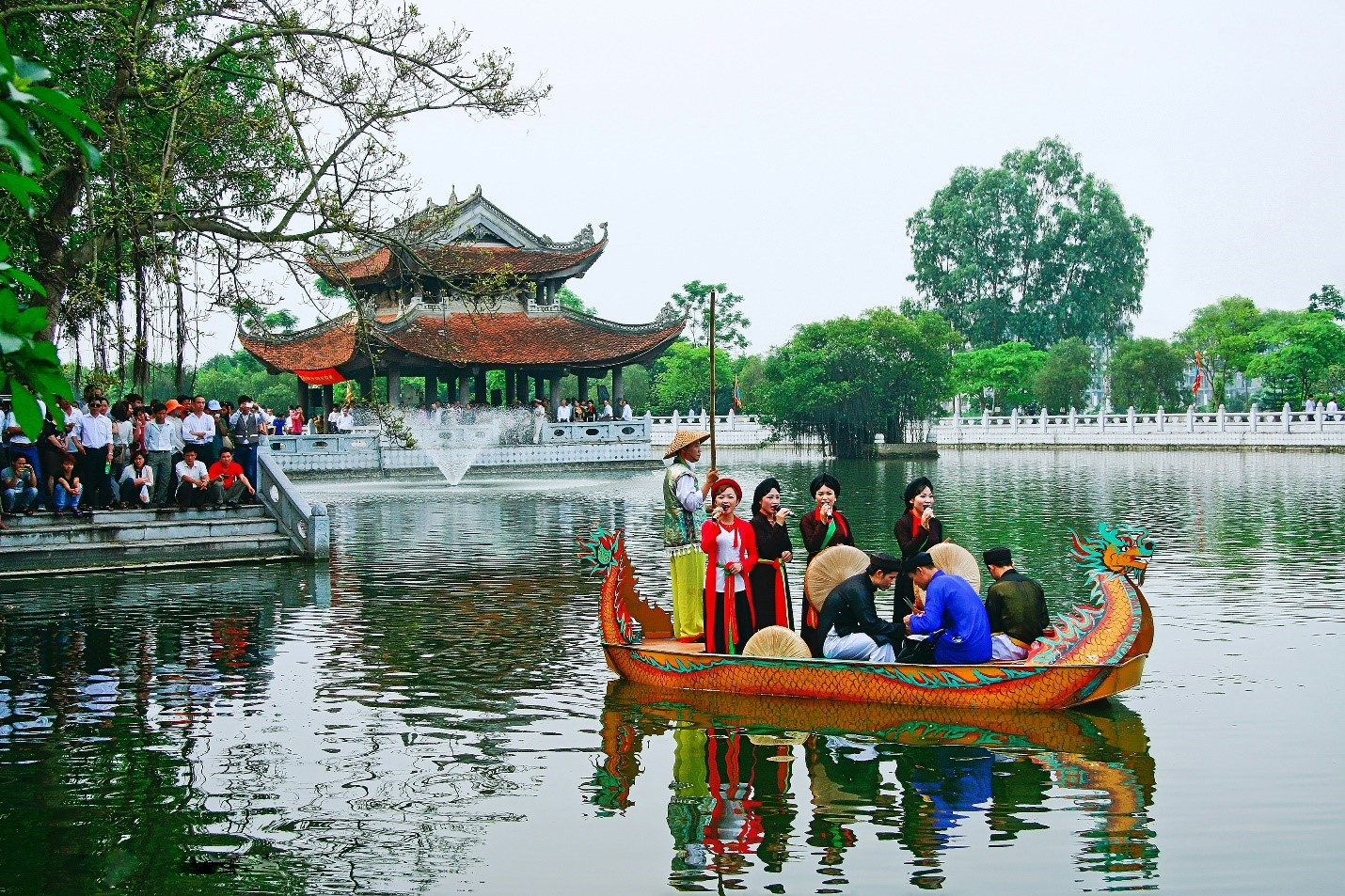
Quan Ho Folk Singing

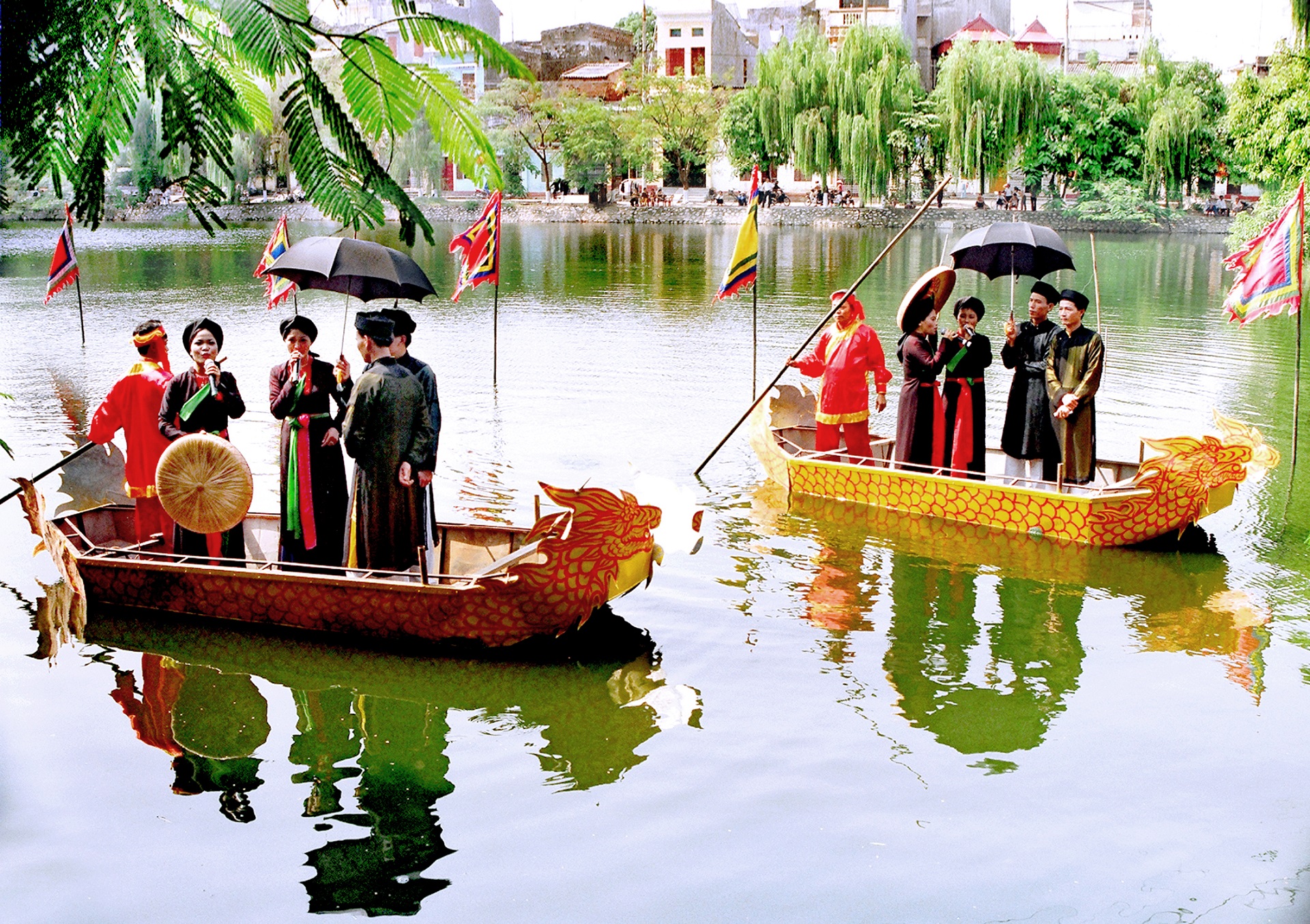
Experience the lyrical beauty of Quan Ho folk singing, where graceful melodies, traditional costumes and heartfelt musical exchanges bring the centuries-old cultural traditions of northern Vietnam to life.

SEE MORE arrow_right_alt
chat