

Da Nang
Discover a vibrant coastal destination where sun-kissed beaches, dramatic mountain landscapes, rich cultural heritage and exciting cuisine come together in the heart of Central Vietnam.
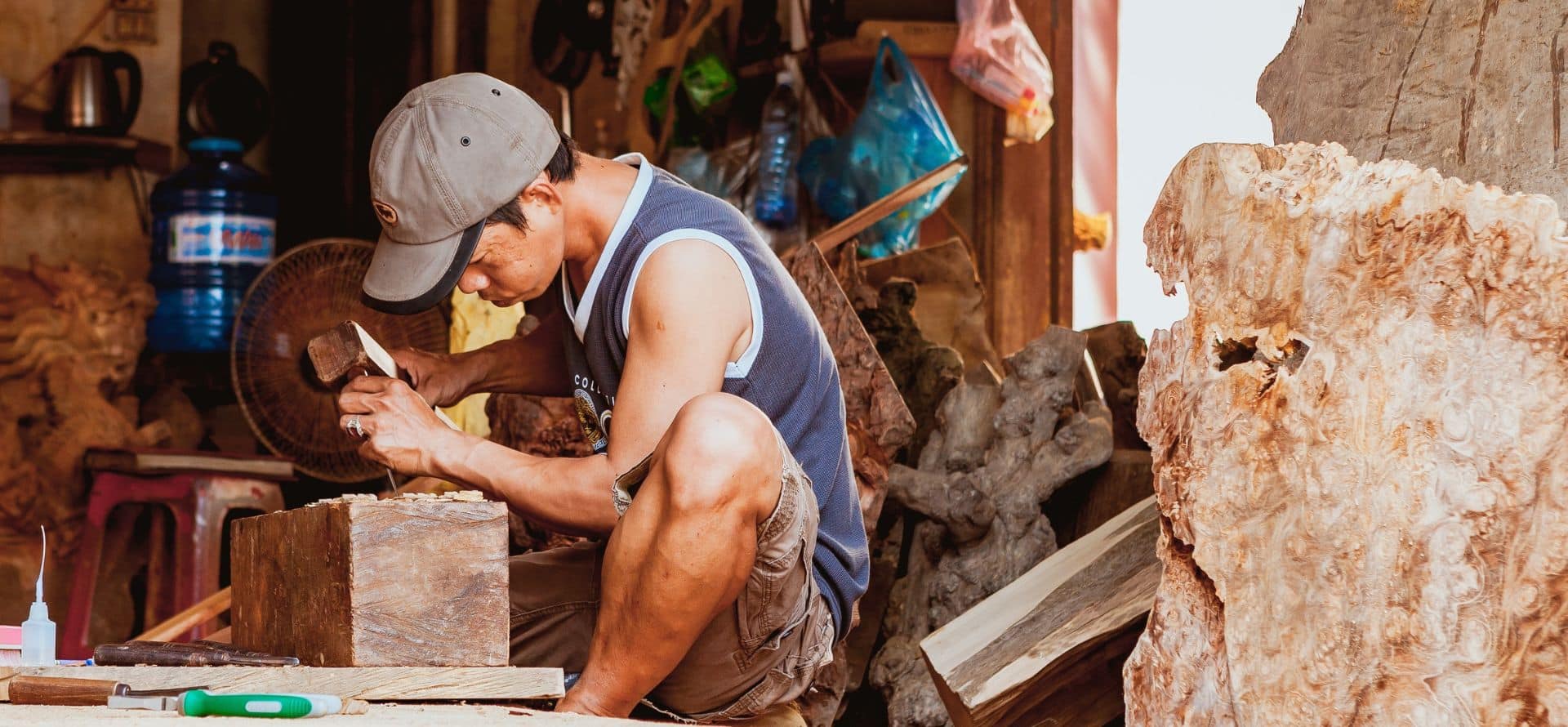
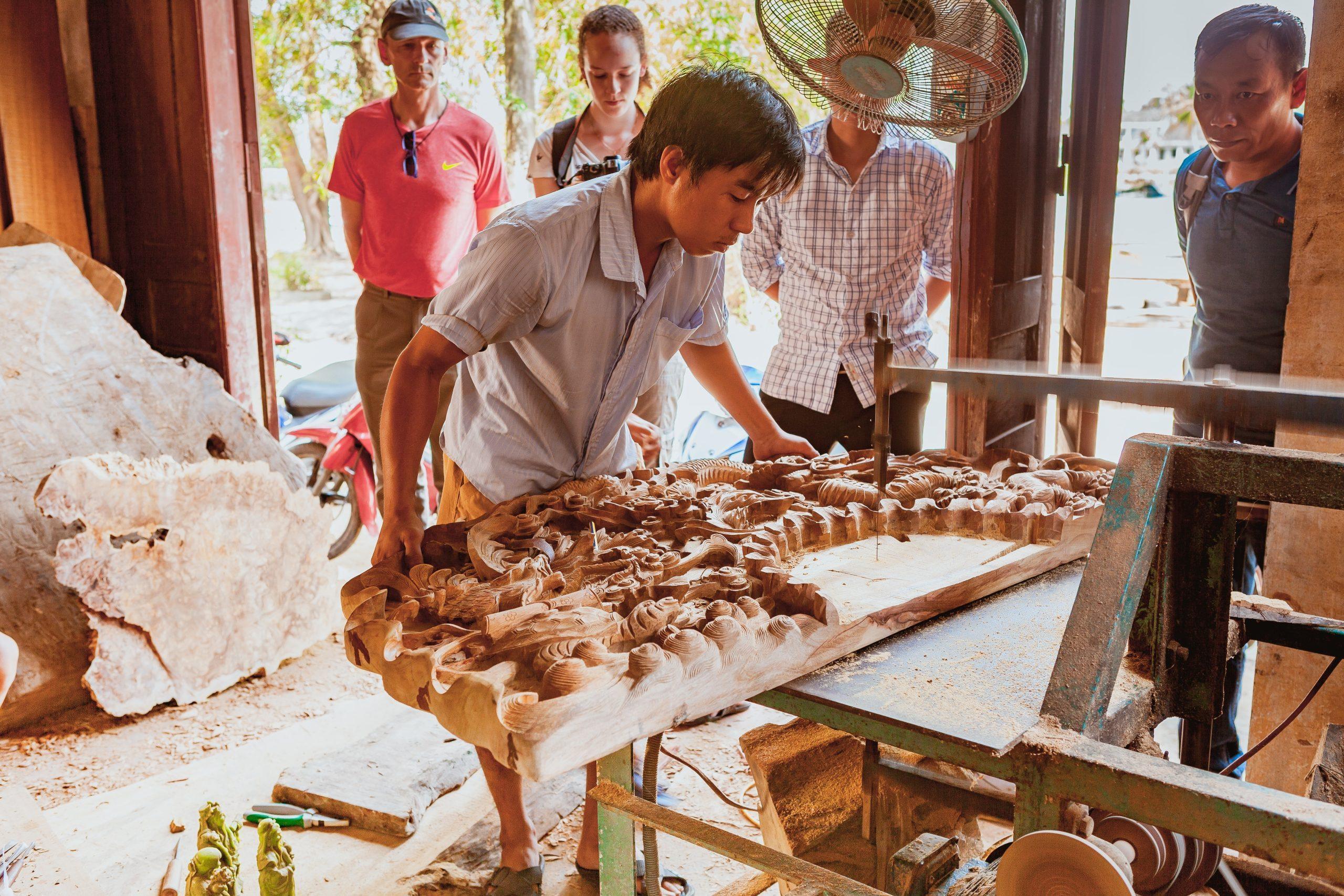
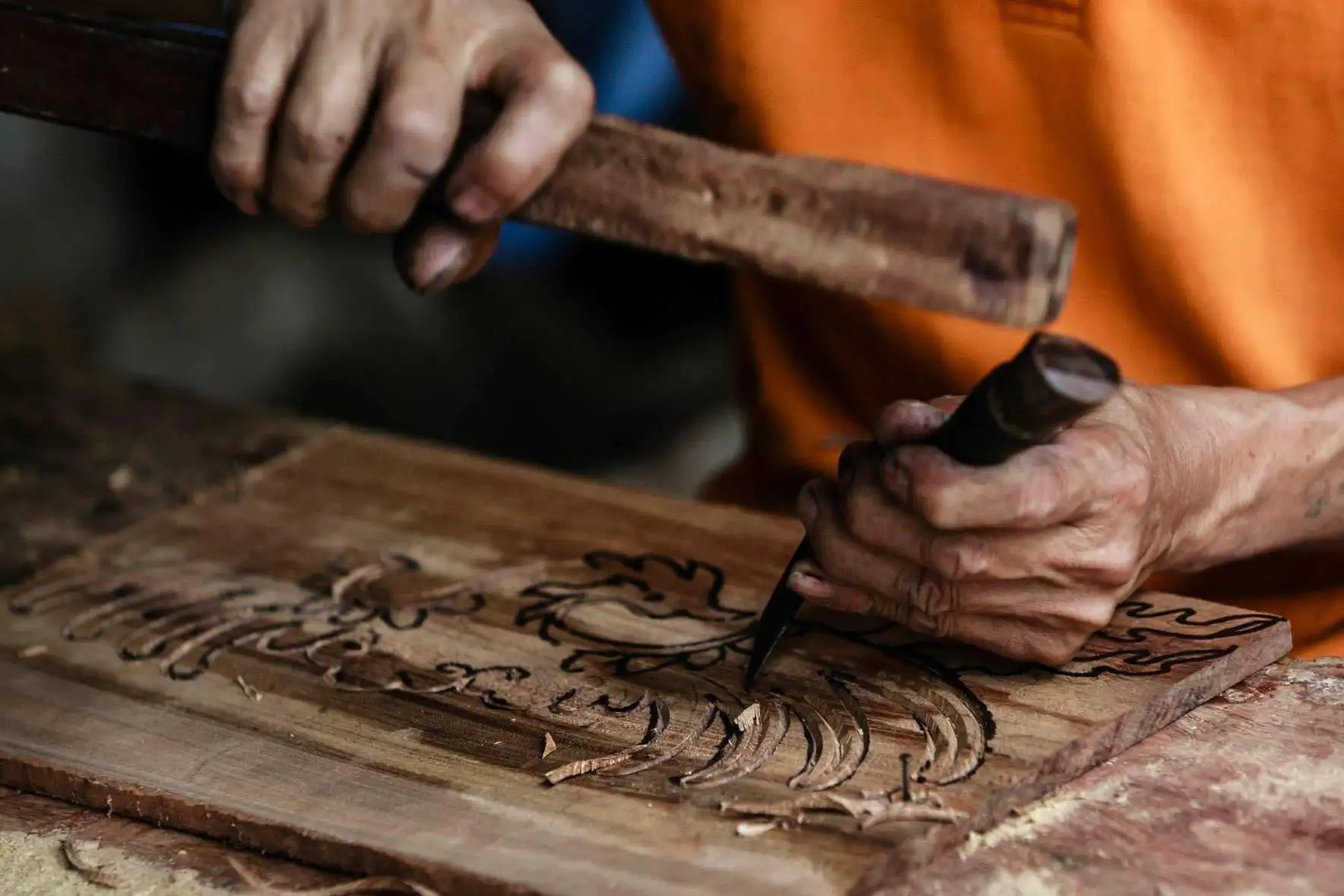
Kim Bong Carpentry Village is a traditional craft village on the banks of the Thu Bon River, across the river from Hoi An Ancient Town. Established around the 16th century, it is renowned for its woodworking, boatbuilding and wood carving, with artisans contributing to the construction and preservation of historic buildings throughout the region.
Hoi An Ward, Da Nang City
Traditional Craft Village and Cultural Heritage Site
Around the 16th century
Guided village activities generally operate daily from 8:00 AM to 5:00 PM
Traditional woodworking workshops, wood carving, boatbuilding and repair, craft demonstrations, and local artisan products
Discover a vibrant coastal destination where sun-kissed beaches, dramatic mountain landscapes, rich cultural heritage and exciting cuisine come together in the heart of Central Vietnam.
Glide through winding waterways beneath lush nipa palms and discover the natural beauty, traditional river culture and wartime history of Hoi An’s countryside.
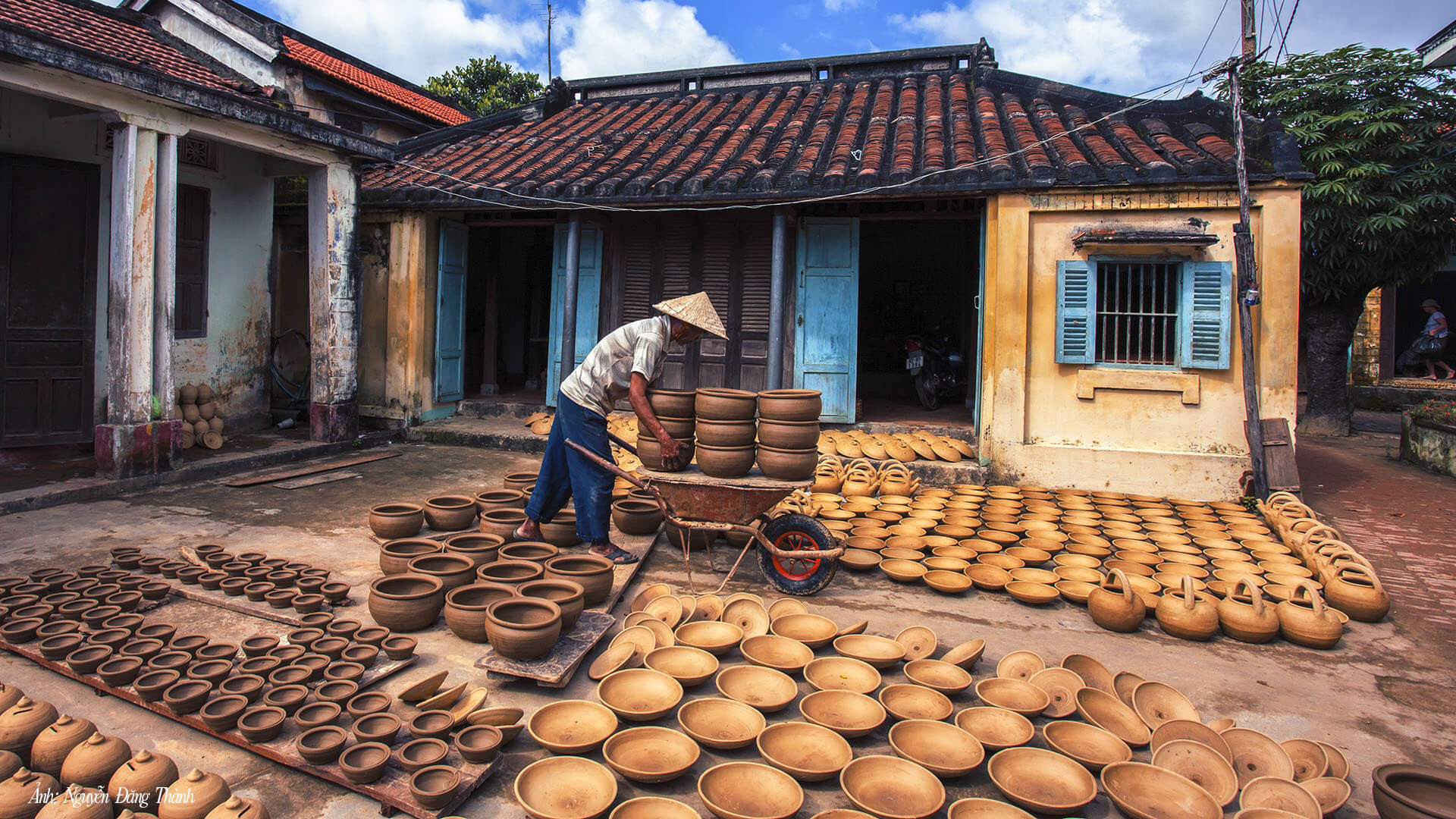
Discover a centuries-old craft tradition where local artisans shape clay by hand, preserving the enduring connection between Hoi An’s cultural heritage and everyday life.