
Ho Chi Minh City
Discover a city where historic landmarks, vibrant street life and contemporary energy come together, offering an unforgettable introduction to the culture, cuisine and contrasts of southern Vietnam.
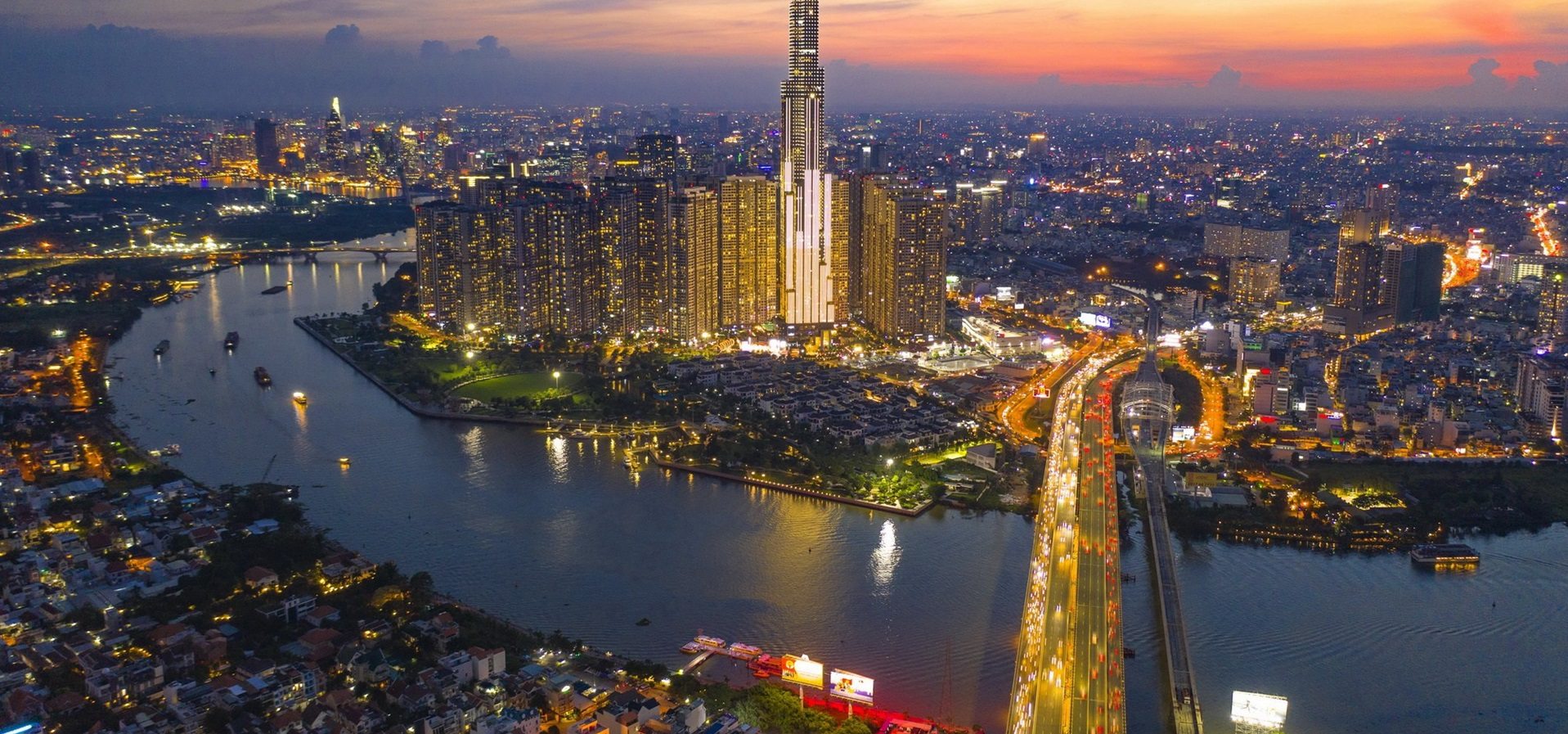
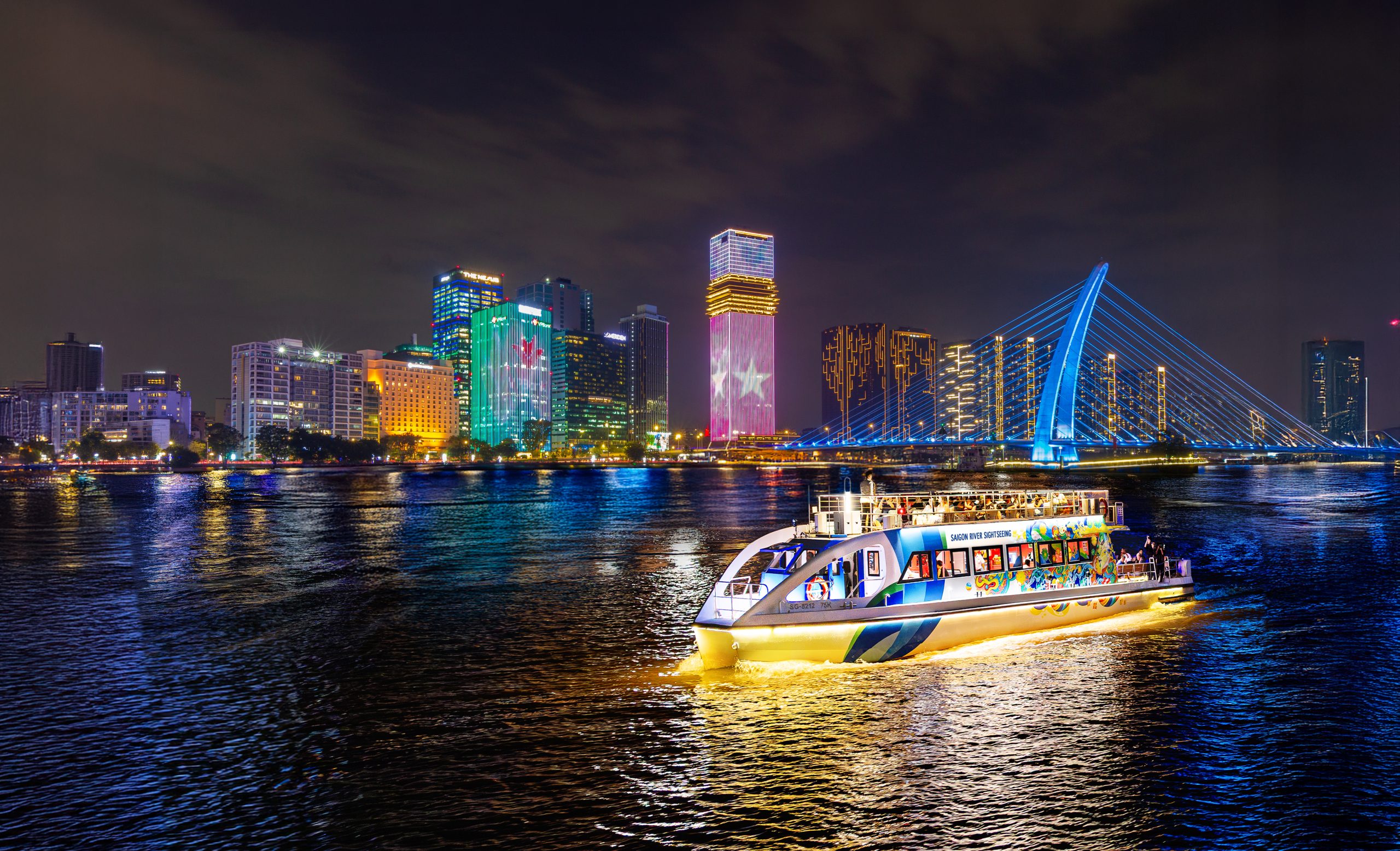
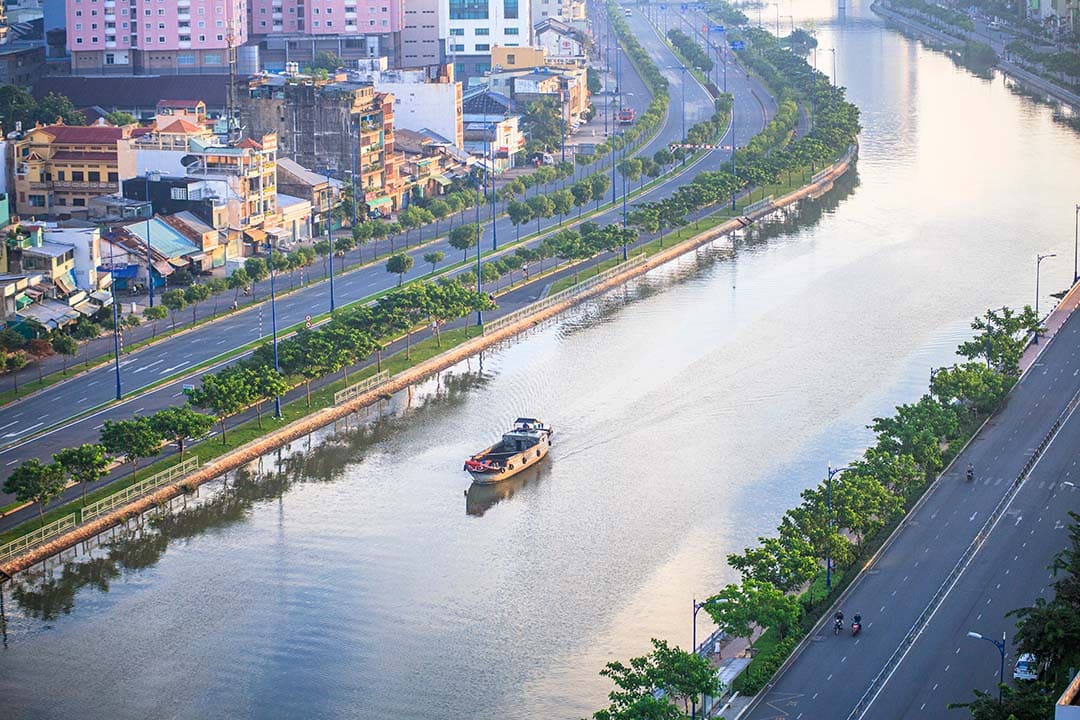
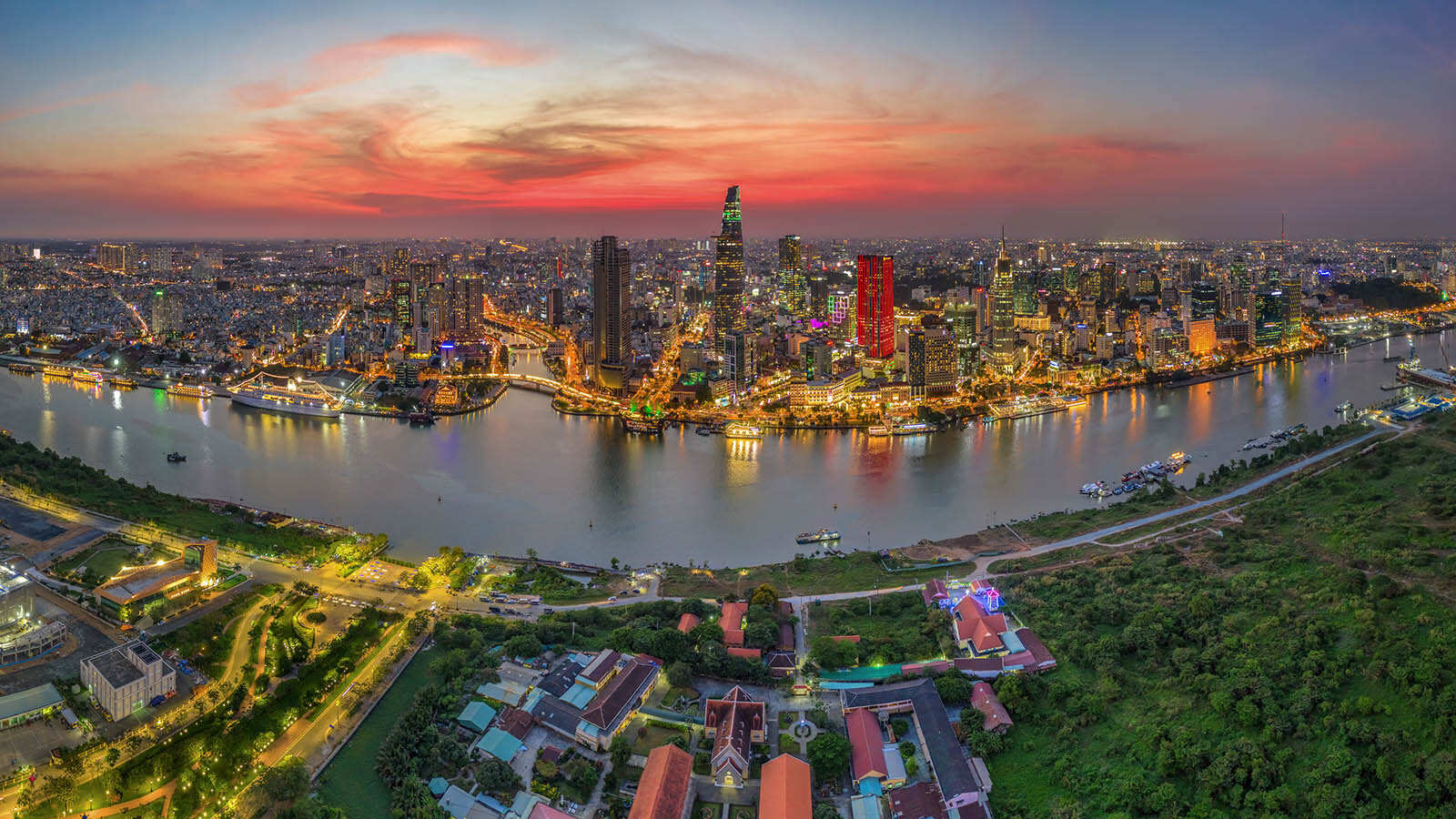
The Saigon River is an important natural and historical feature of Ho Chi Minh City, shaping its development as a commercial port and connecting the city with the wider southern region. Today, its waterfront promenades, sightseeing boats and dinner cruises offer a relaxing way to experience the city beyond its busy streets.
Runs through Ho Chi Minh City
River & Urban Waterfront Attraction
A natural river that has long supported settlement, trade and transport in southern Vietnam
The riverfront is accessible throughout the day. Waterbus and cruise schedules vary by operator; evening departures are popular for city views.
River cruises, sunset views, illuminated skyline, Bach Dang Wharf, waterbus journeys, waterfront dining and views of modern landmarks
Discover a city where historic landmarks, vibrant street life and contemporary energy come together, offering an unforgettable introduction to the culture, cuisine and contrasts of southern Vietnam.
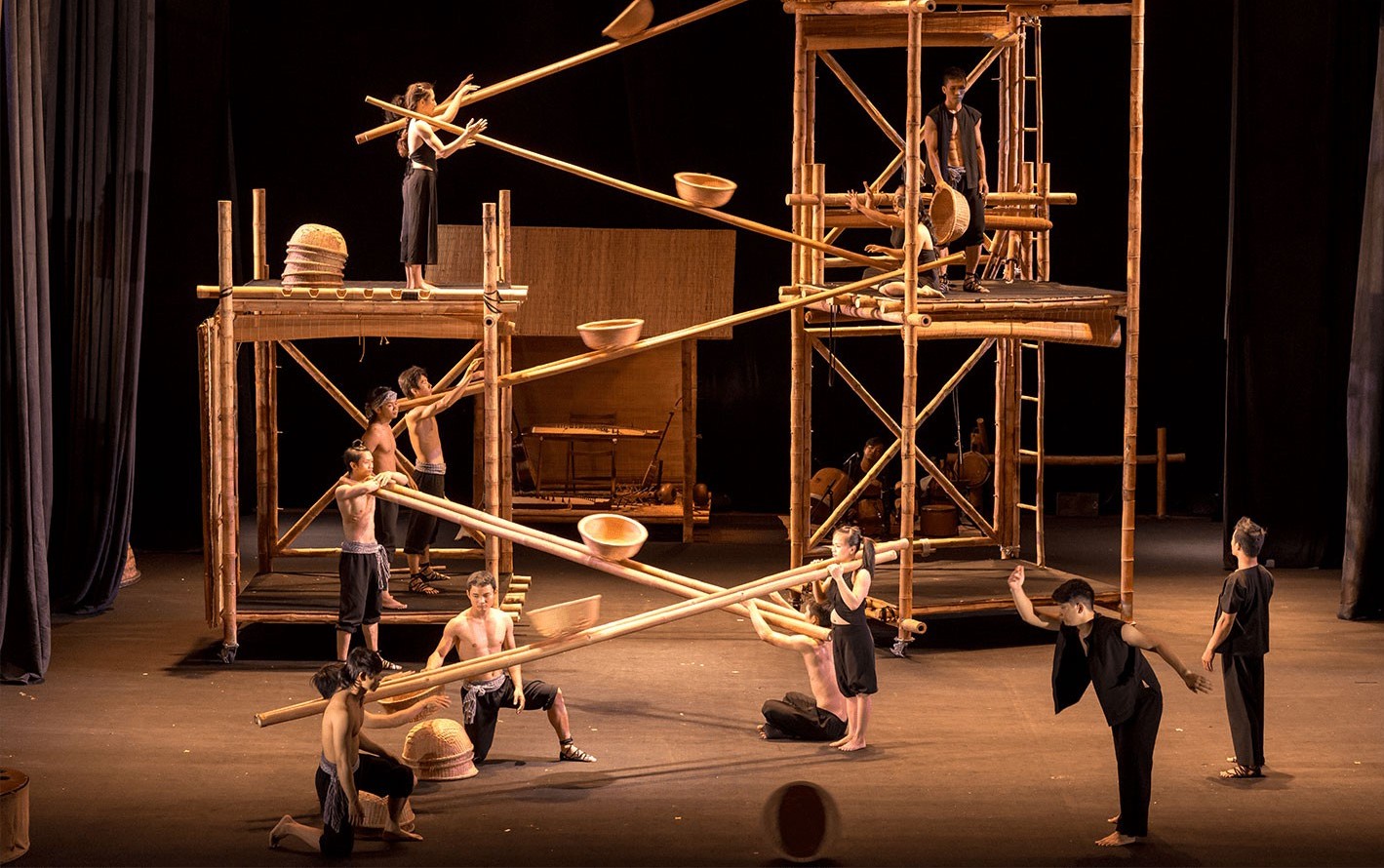
Experience the spirit of Vietnam through a spectacular fusion of bamboo acrobatics, live traditional music and contemporary theatre, performed in one of Ho Chi Minh City’s most beautiful historic venues.
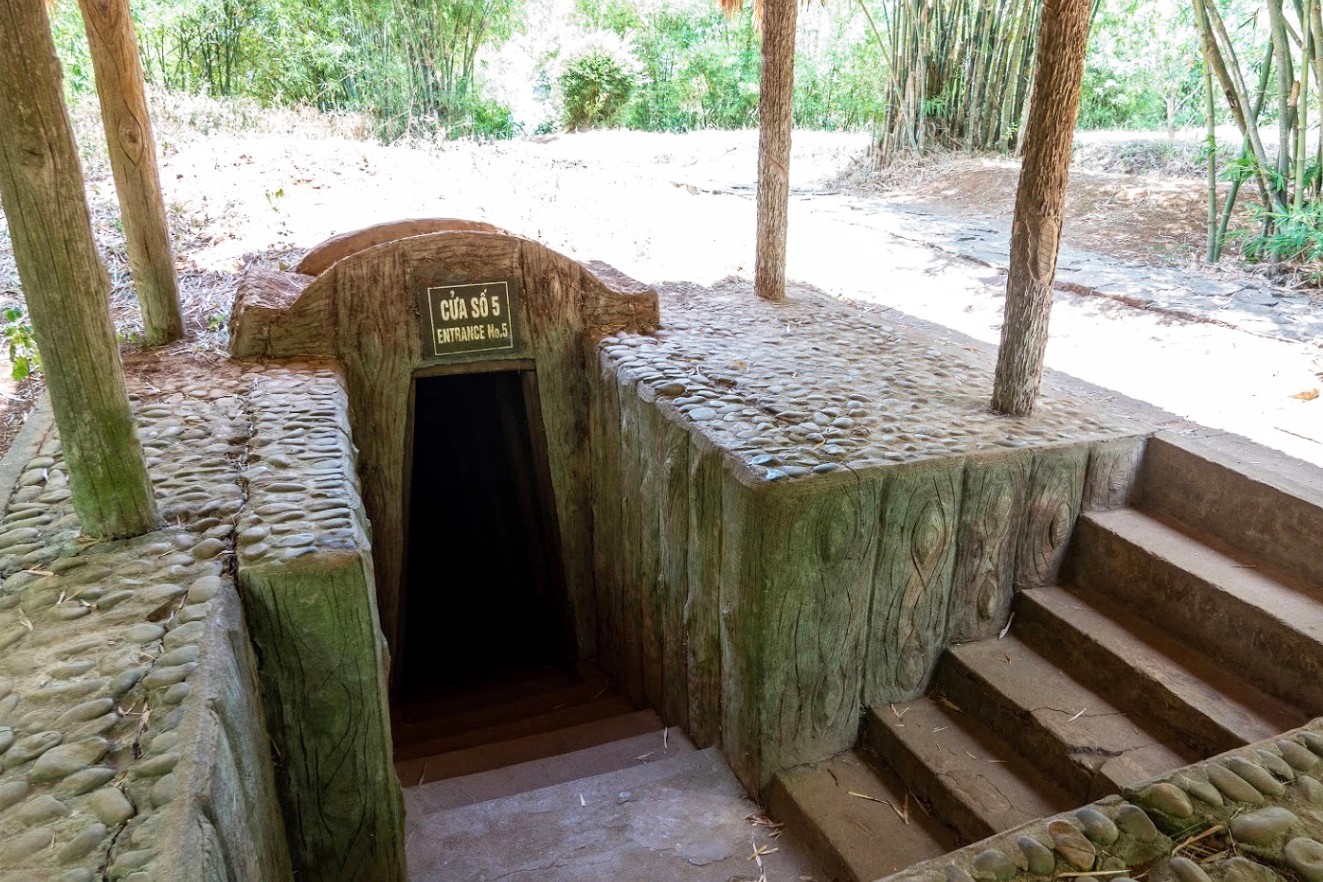
Step into one of Vietnam’s most extraordinary wartime legacies, where an extensive underground tunnel network reveals the ingenuity, resilience and daily struggles of those who lived and fought beneath the ground.