
Ho Chi Minh City
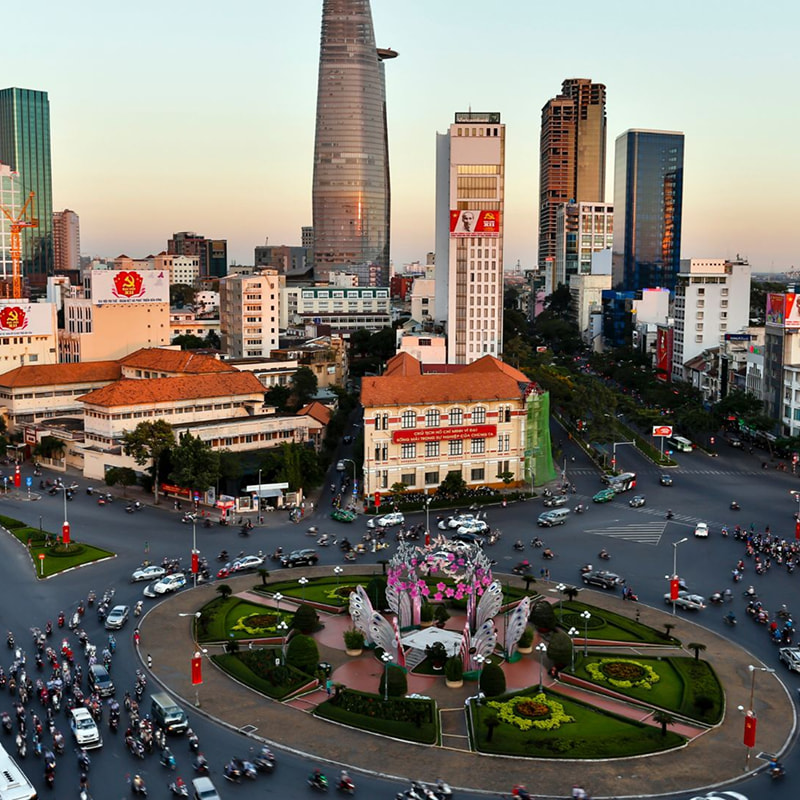
Discover a city where historic landmarks, vibrant street life and contemporary energy come together, offering an unforgettable introduction to the culture, cuisine and contrasts of southern Vietnam.
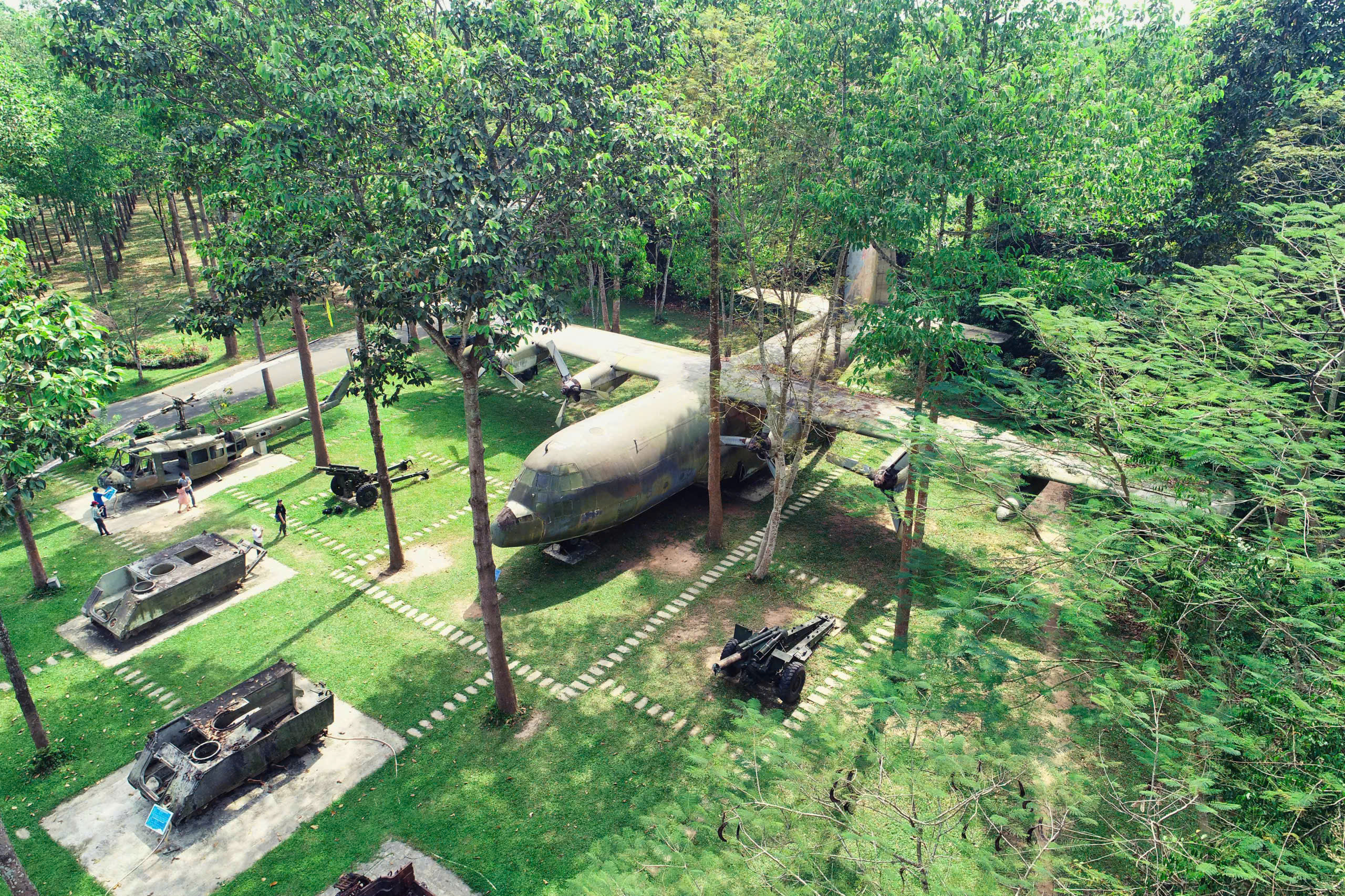
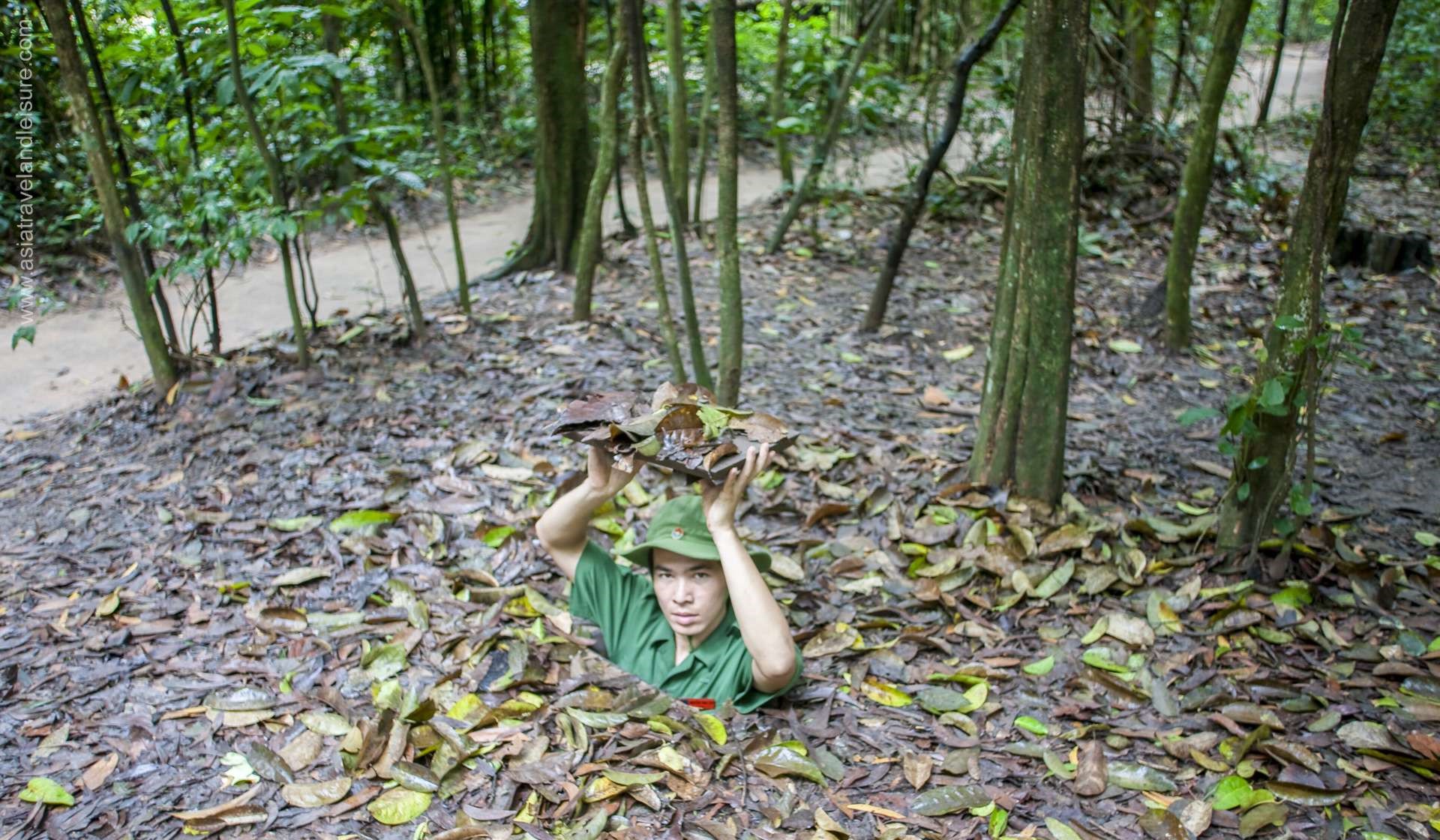
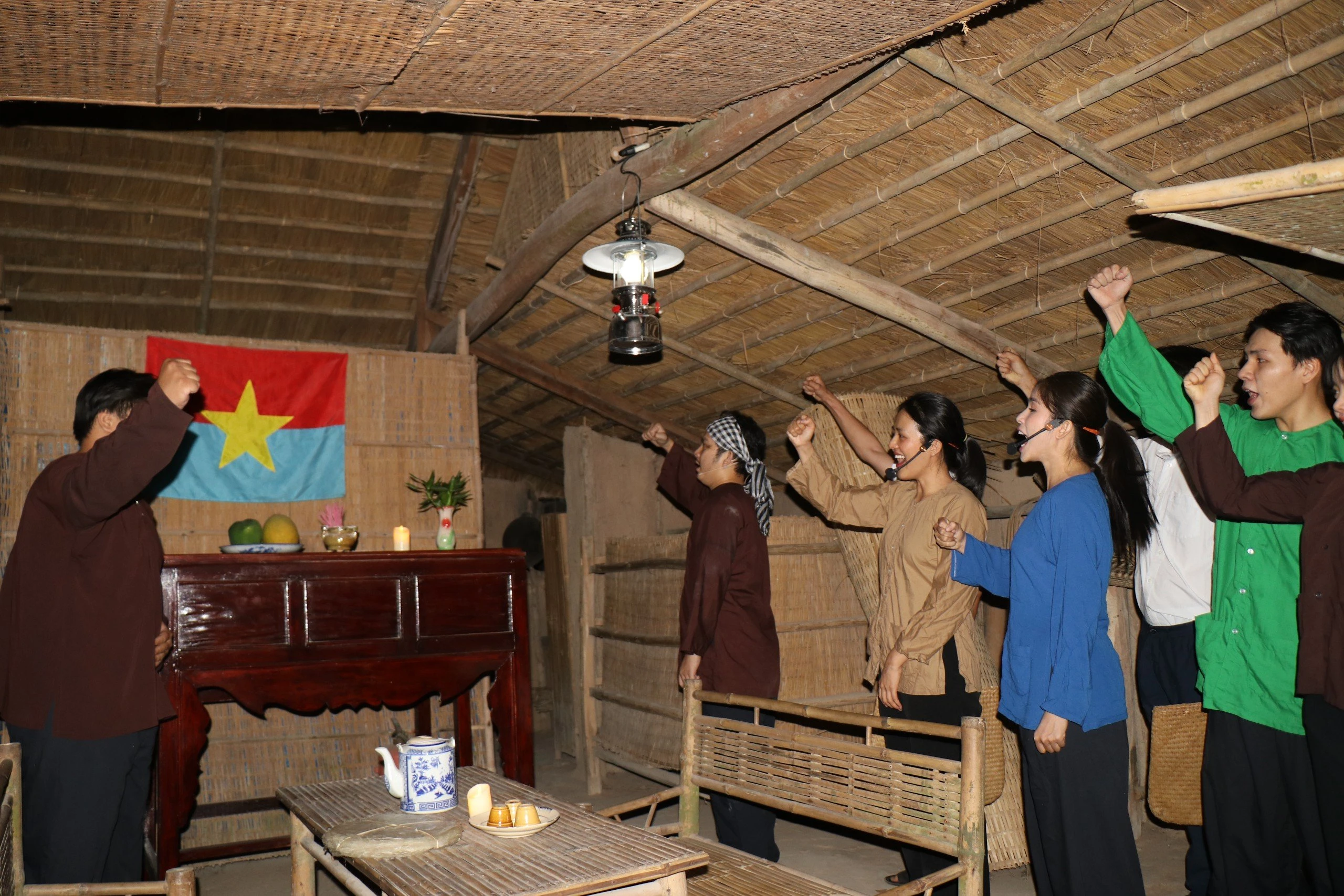
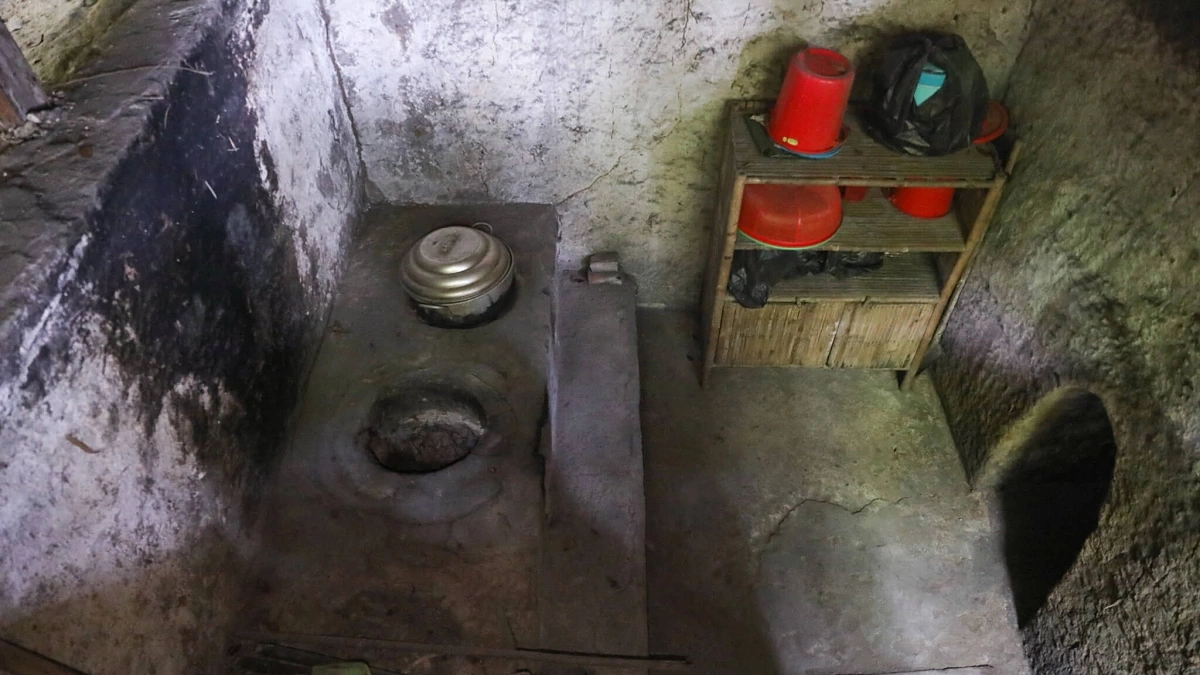
The Cu Chi Tunnels are an extensive network of underground passages used by Vietnamese resistance forces during the wars of the 20th century. Today, the preserved historical sites at Ben Dinh and Ben Duoc offer visitors an opportunity to learn about wartime life, underground engineering and the history of Vietnam’s struggle for independence.
Cu Chi area, northwest of central Ho Chi Minh City
Historical War Site & Underground Tunnel Network
Developed from the late 1940s and expanded during the First and Second Indochina Wars
Generally around 7:00 AM–5:00 PM daily
Underground passages, concealed entrances, wartime kitchens, living and meeting areas, historical exhibits and demonstrations of tunnel construction
Discover a city where historic landmarks, vibrant street life and contemporary energy come together, offering an unforgettable introduction to the culture, cuisine and contrasts of southern Vietnam.
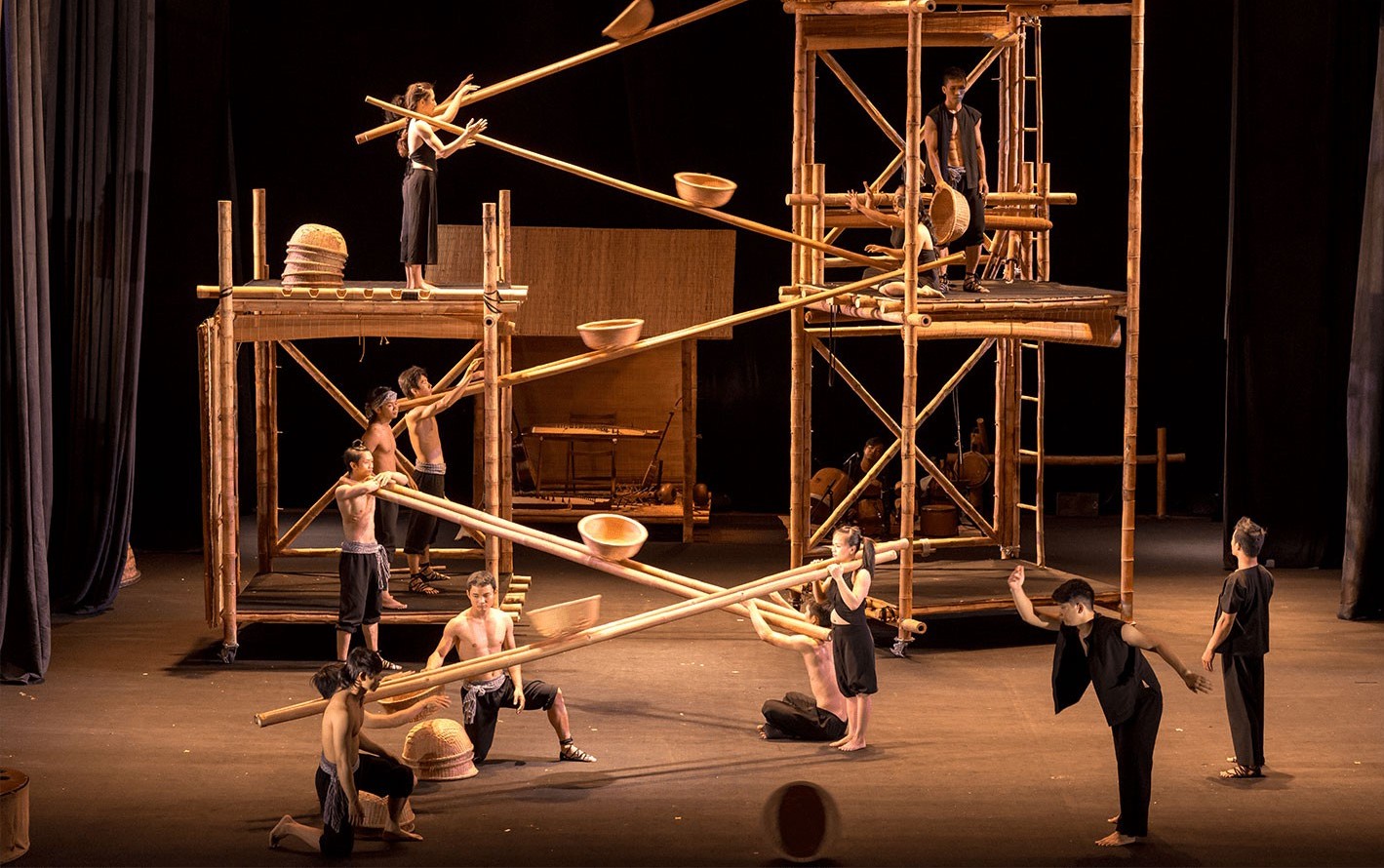
Experience the spirit of Vietnam through a spectacular fusion of bamboo acrobatics, live traditional music and contemporary theatre, performed in one of Ho Chi Minh City’s most beautiful historic venues.
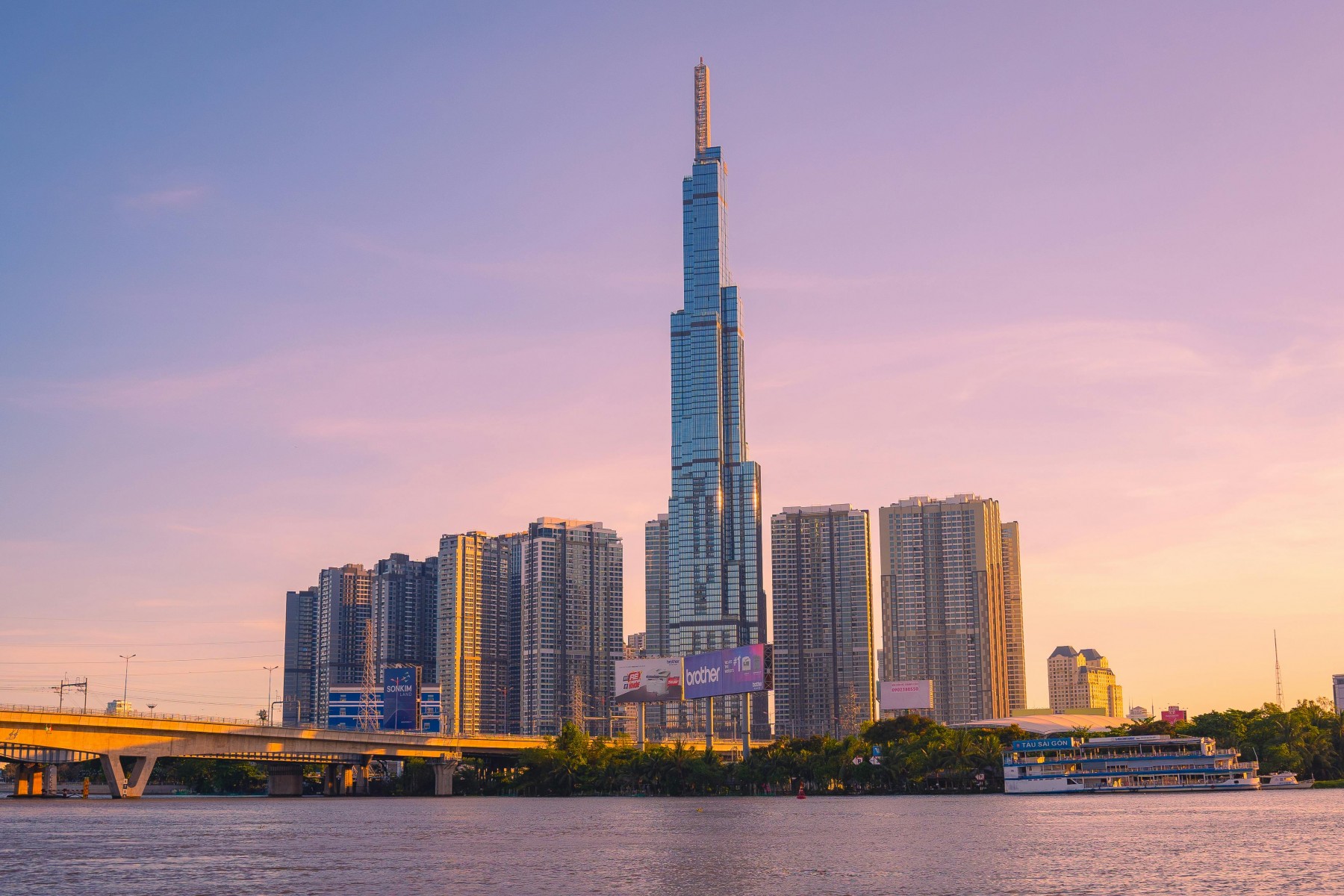
Rise above the city at Landmark 81 SkyView, where sweeping views of the Saigon River, sprawling urban districts and distant horizons reveal Ho Chi Minh City from a spectacular new perspective.