

Nghe An
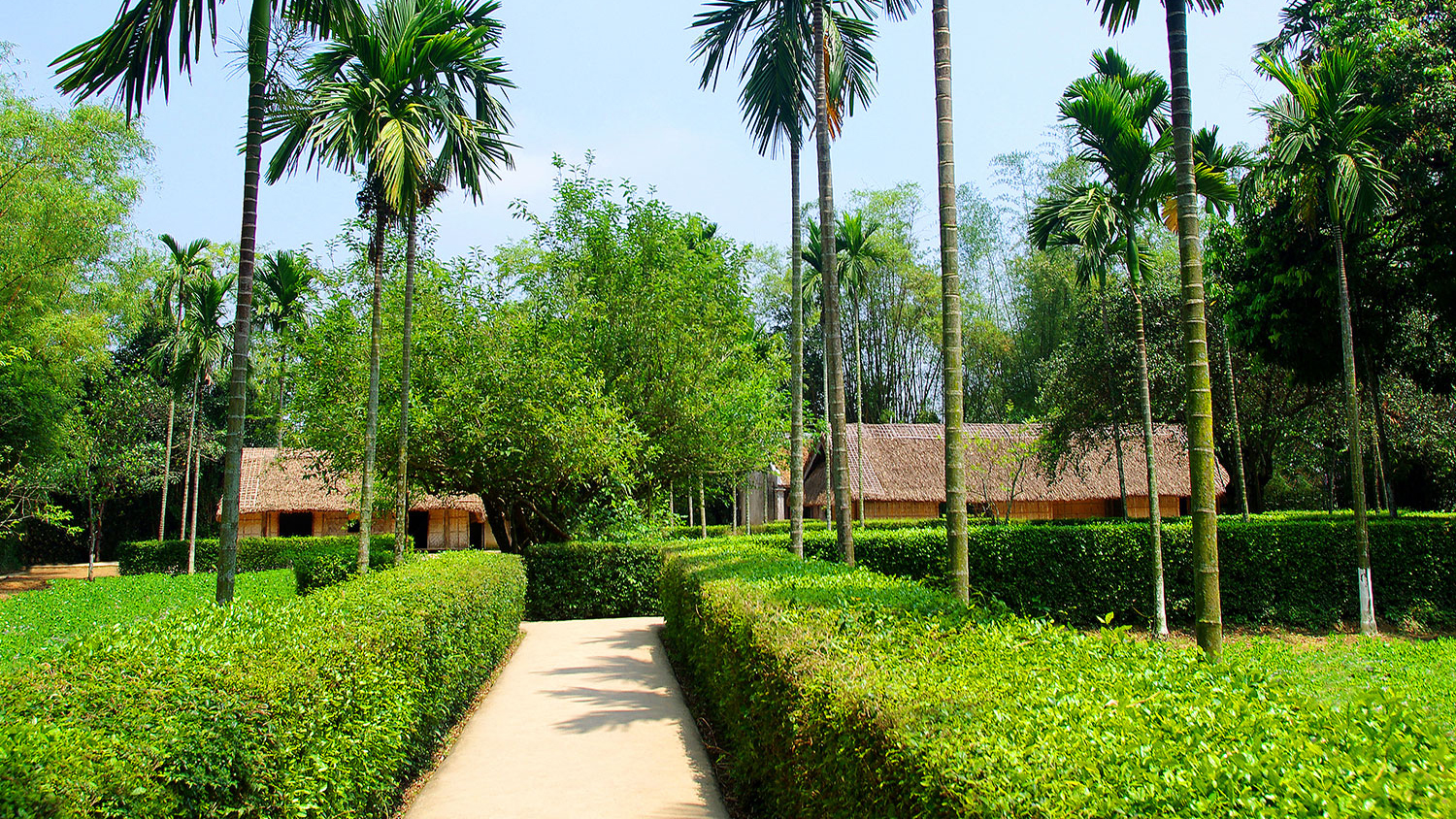
Journey through dramatic mountain landscapes, peaceful coastal scenery and the historic homeland of President Ho Chi Minh in Nghe An.
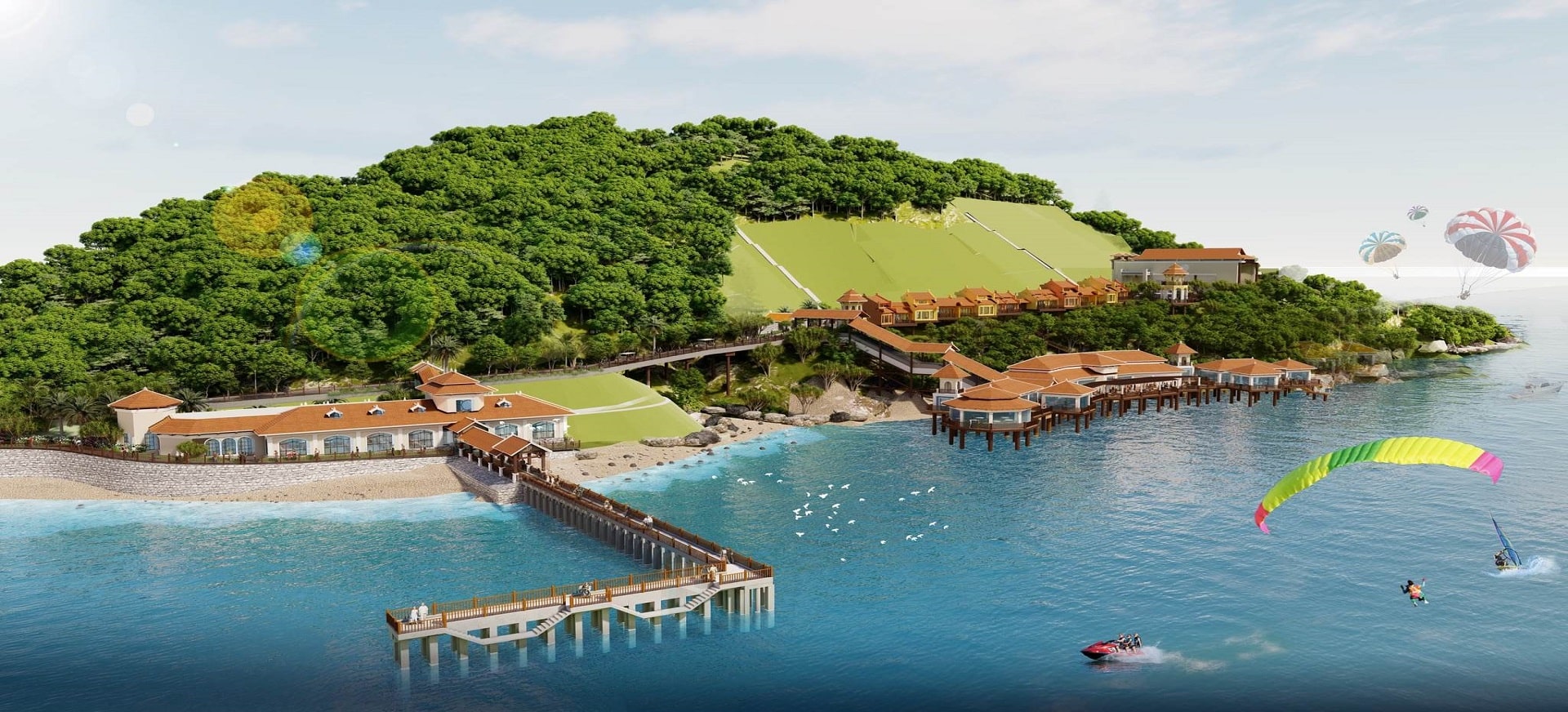
Hon Ngu Island, also known as Song Ngu Island, is a small island group located approximately 4 km off the coast of Cua Lo in Nghe An Province. Comprising two main islands, it combines rugged coastal scenery and green vegetation with a centuries-old Buddhist pagoda that reflects the area’s maritime heritage.
Offshore from Cua Lo Ward, Nghe An Province
Natural Island and Cultural Heritage Site
Naturally formed islands; Song Ngu Pagoda dates to approximately the 14th century
Access and boat services depend on local operating arrangements and sea conditions.
Twin islands, forested hills, rocky coastline, Bai Chua beach, Song Ngu Pagoda, Ngoc Well and ancient banyan trees
Journey through dramatic mountain landscapes, peaceful coastal scenery and the historic homeland of President Ho Chi Minh in Nghe An.
Wander through sweeping fields of golden sunflowers set against rolling green hills, where the rural landscapes of Nghe An burst into colour during the flowering season.
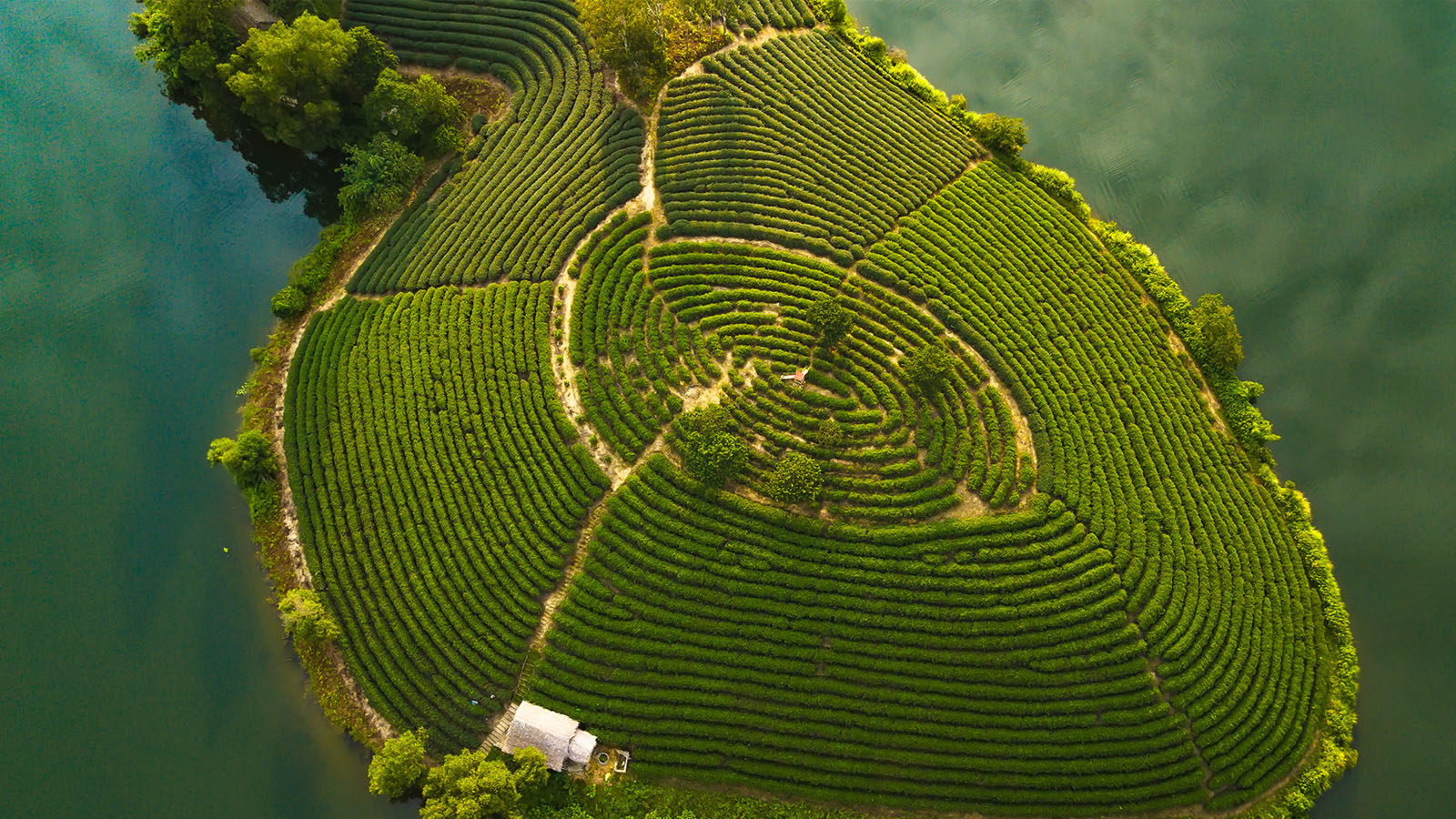
Drift between emerald tea-covered islands and tranquil waters in a distinctive countryside landscape that reveals the peaceful charm of western Nghe An.