

“Anh Hùng Cờ Lau” – The Reed Flag Hero Live-Action Performance
Relive the legend of Dinh Bo Linh in a spectacular live performance that brings Vietnam’s early history to life through martial arts, circus, dance and traditional music.
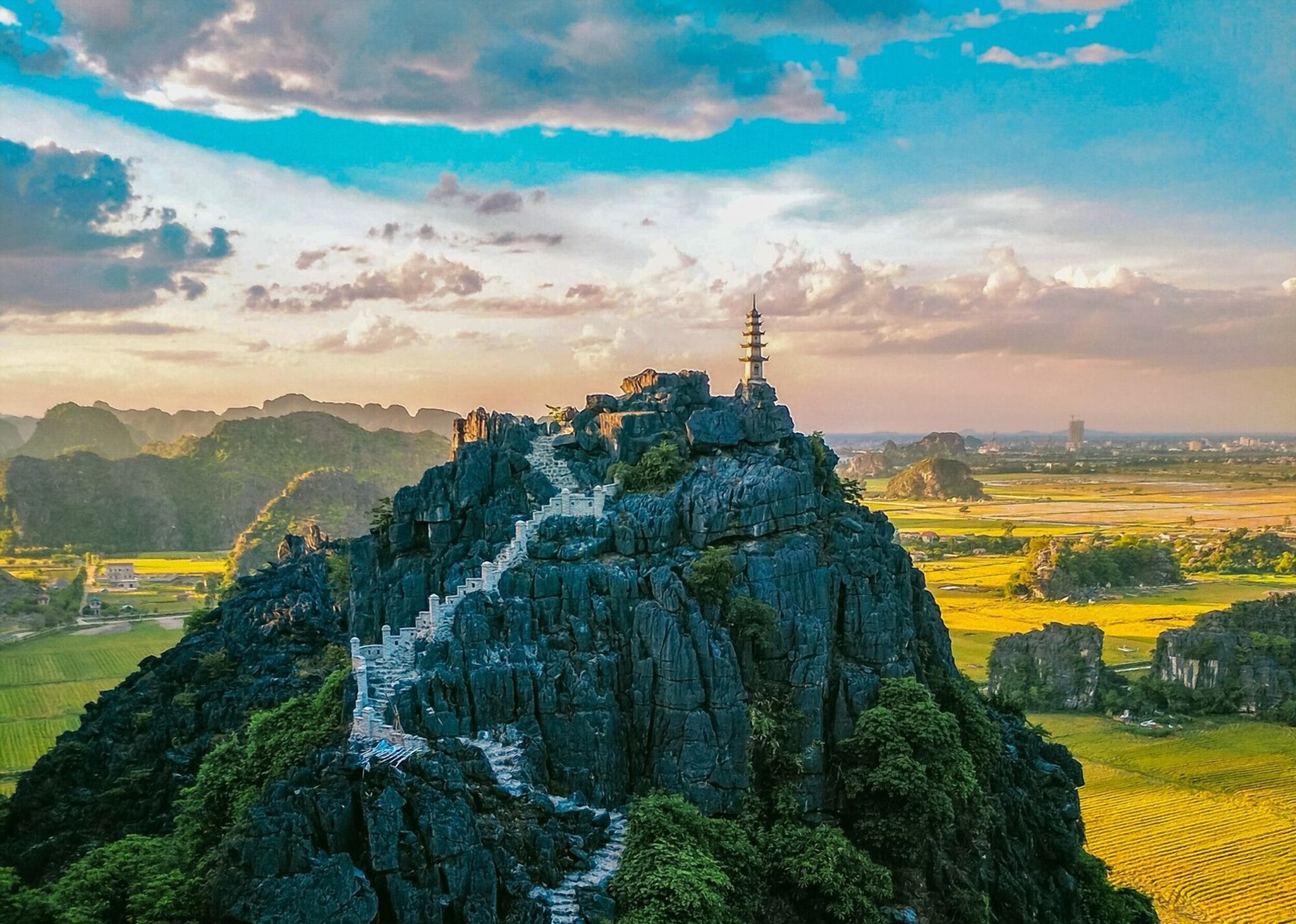
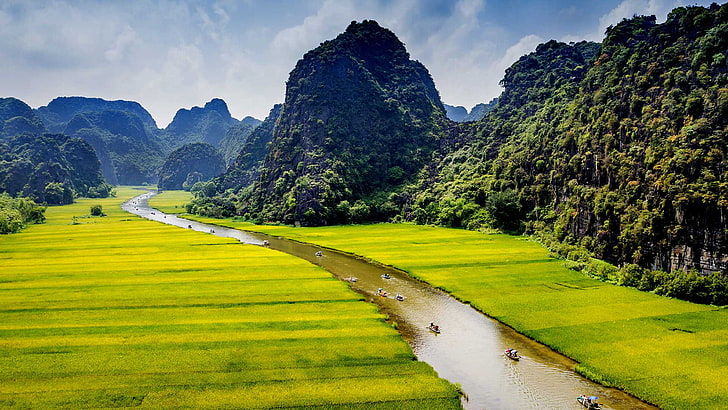
Ninh Binh combines spectacular karst mountains, winding rivers, ancient temples and rural landscapes with a rich cultural heritage, making it an ideal destination for nature, history and authentic local experiences.
Northern Vietnam
4,412,264
3,942.62 km²
River and cave boat trips, cycling through rural landscapes, cultural heritage, wildlife and nature exploration, local cuisine and countryside experiences
Trang An Scenic Landscape Complex, Tam Coc–Bich Dong, Hoa Lu Ancient Capital, Bai Dinh Pagoda, Cuc Phuong National Park, Van Long Nature Reserve and Mua Cave, etc.
Relive the legend of Dinh Bo Linh in a spectacular live performance that brings Vietnam’s early history to life through martial arts, circus, dance and traditional music.
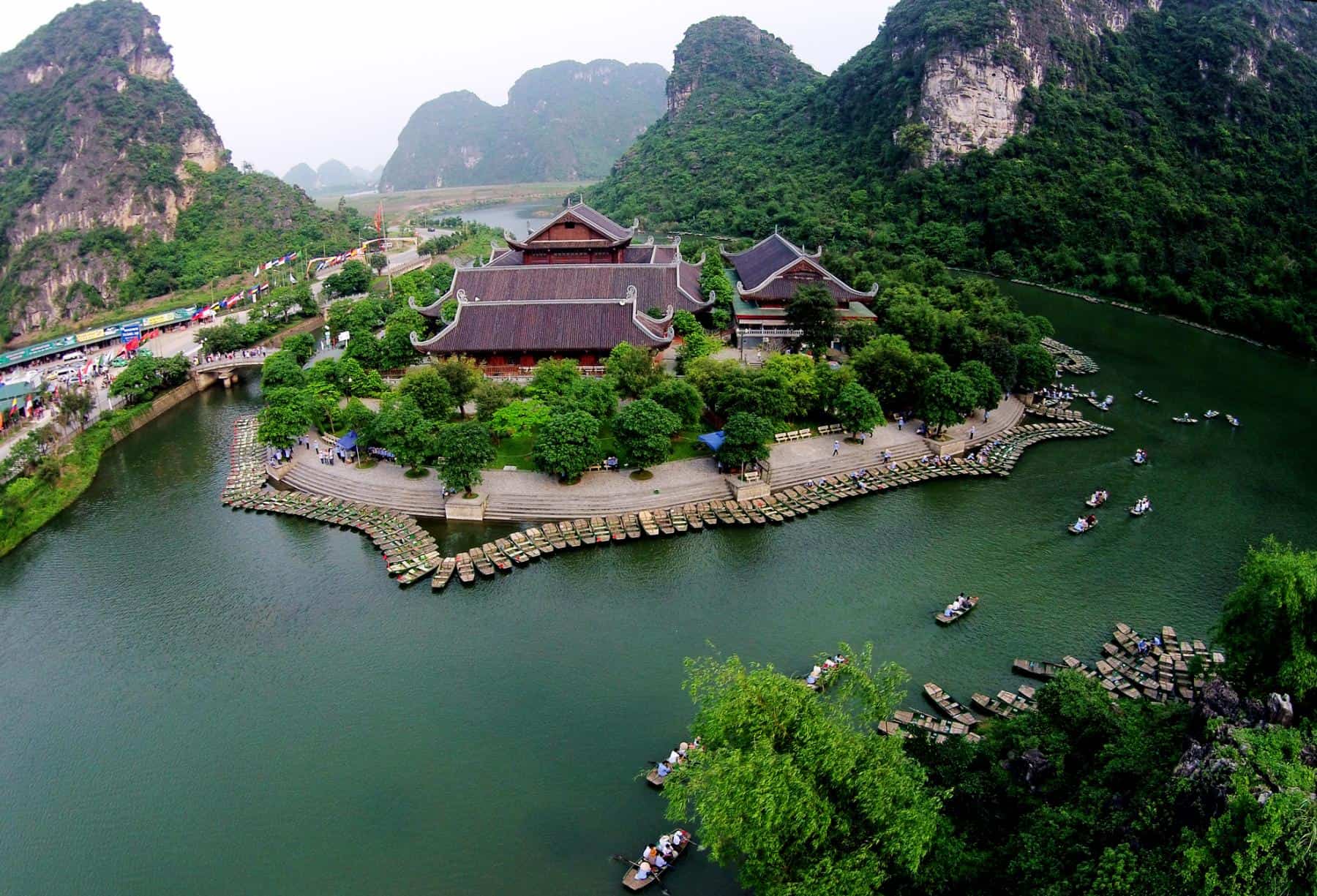
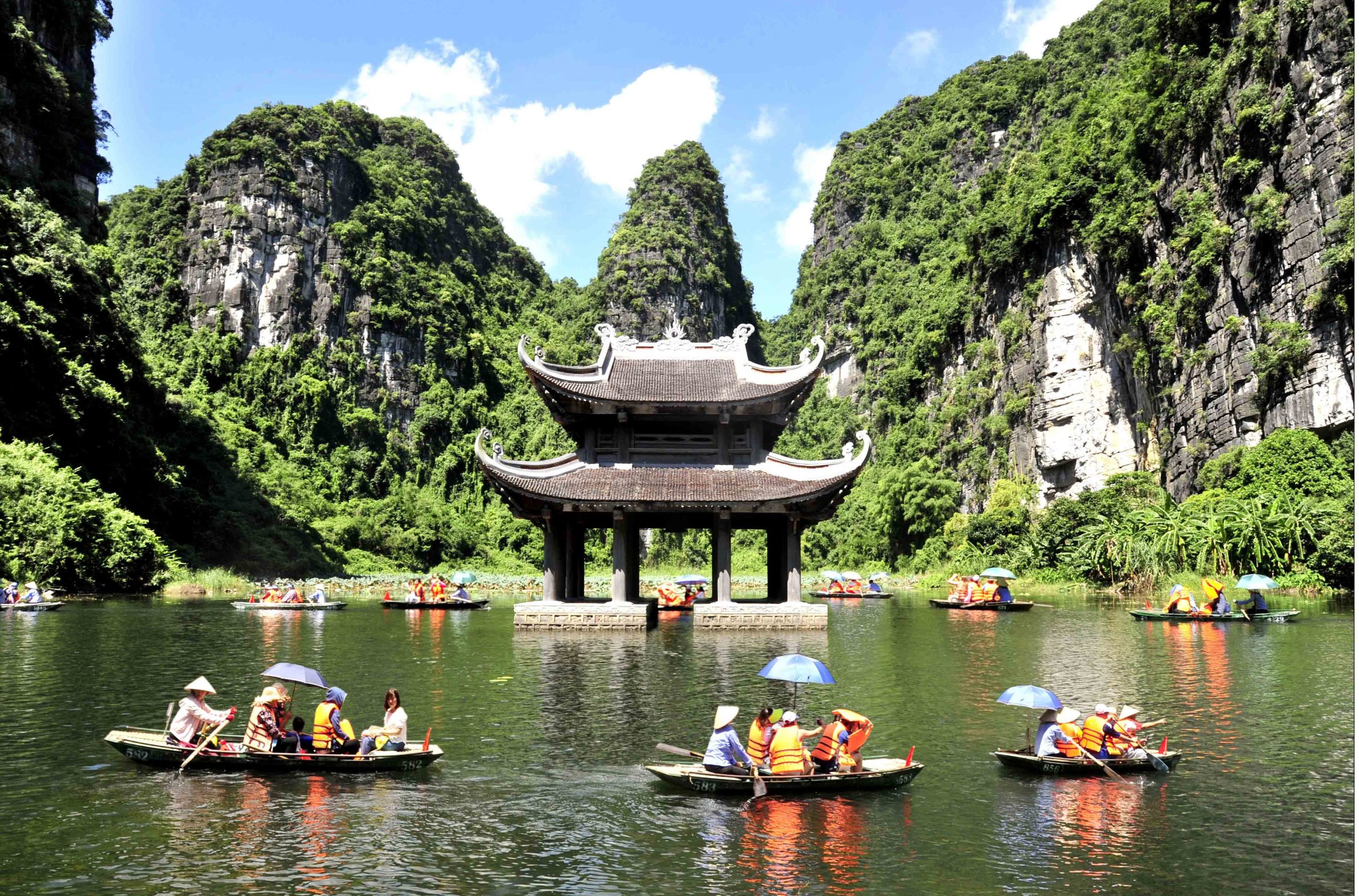
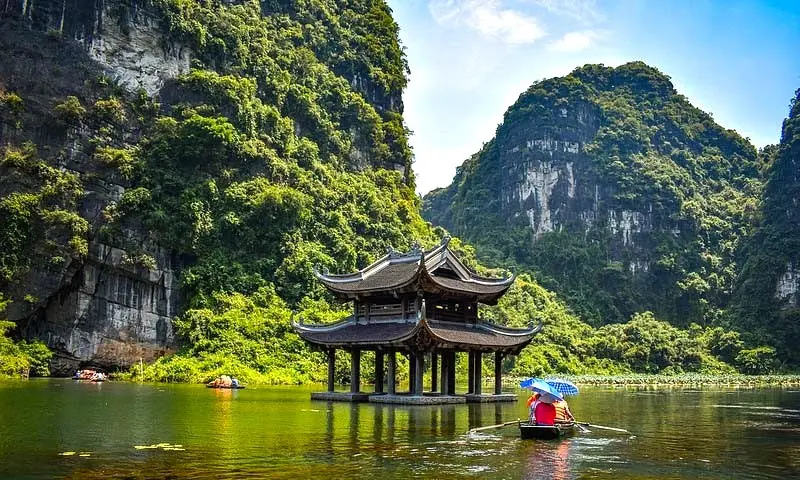
Explore Trang An, a UNESCO World Heritage landscape of towering limestone peaks, hidden caves, ancient temples and winding rivers in the heart of Ninh Binh.
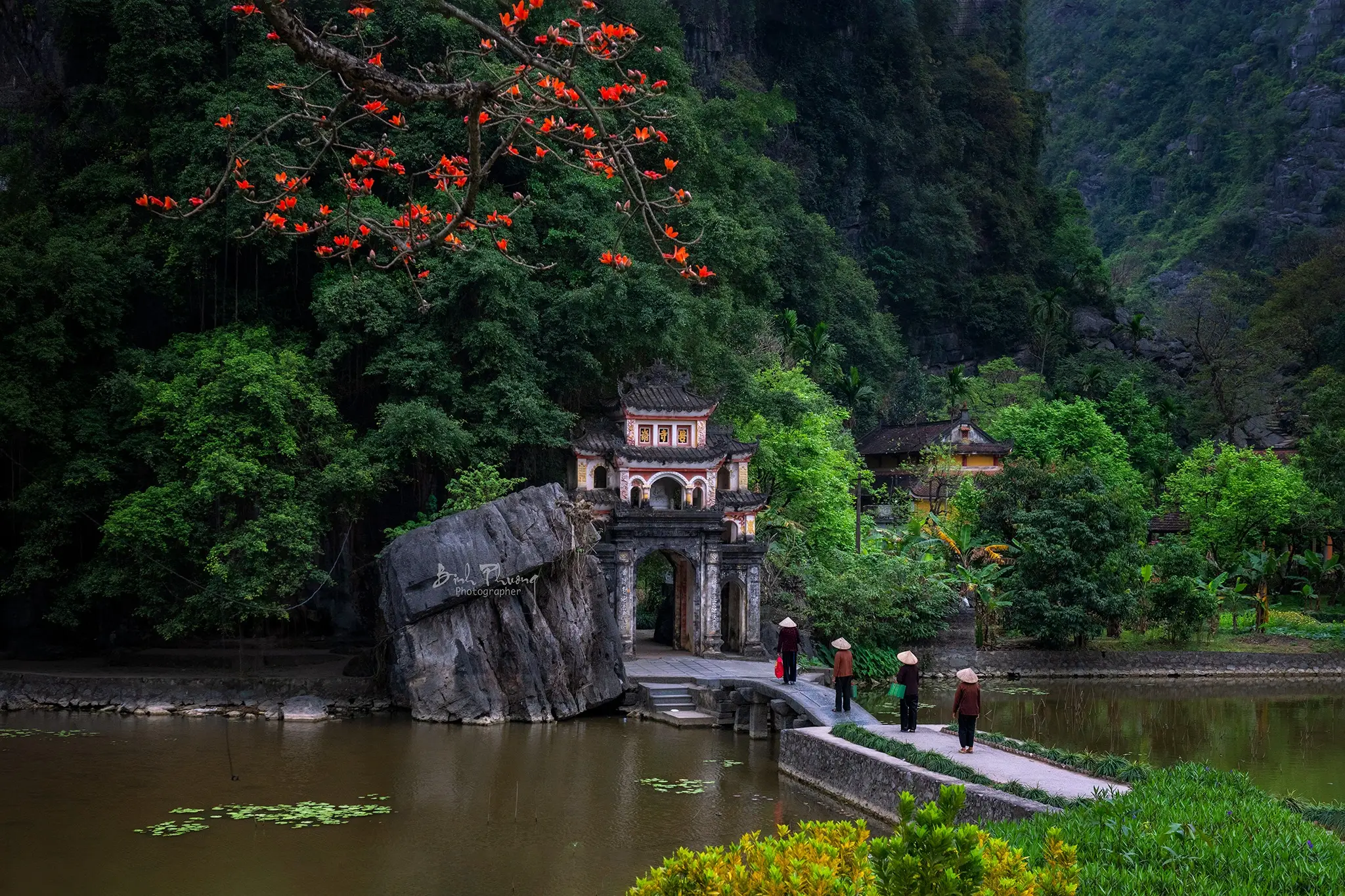
Discover Bich Dong Pagoda, where ancient Buddhist sanctuaries nestle into limestone cliffs amid the peaceful countryside of Ninh Binh.