
Hanoi
Discover Hanoi, where timeless heritage, vibrant street life, and authentic Vietnamese culture come together.
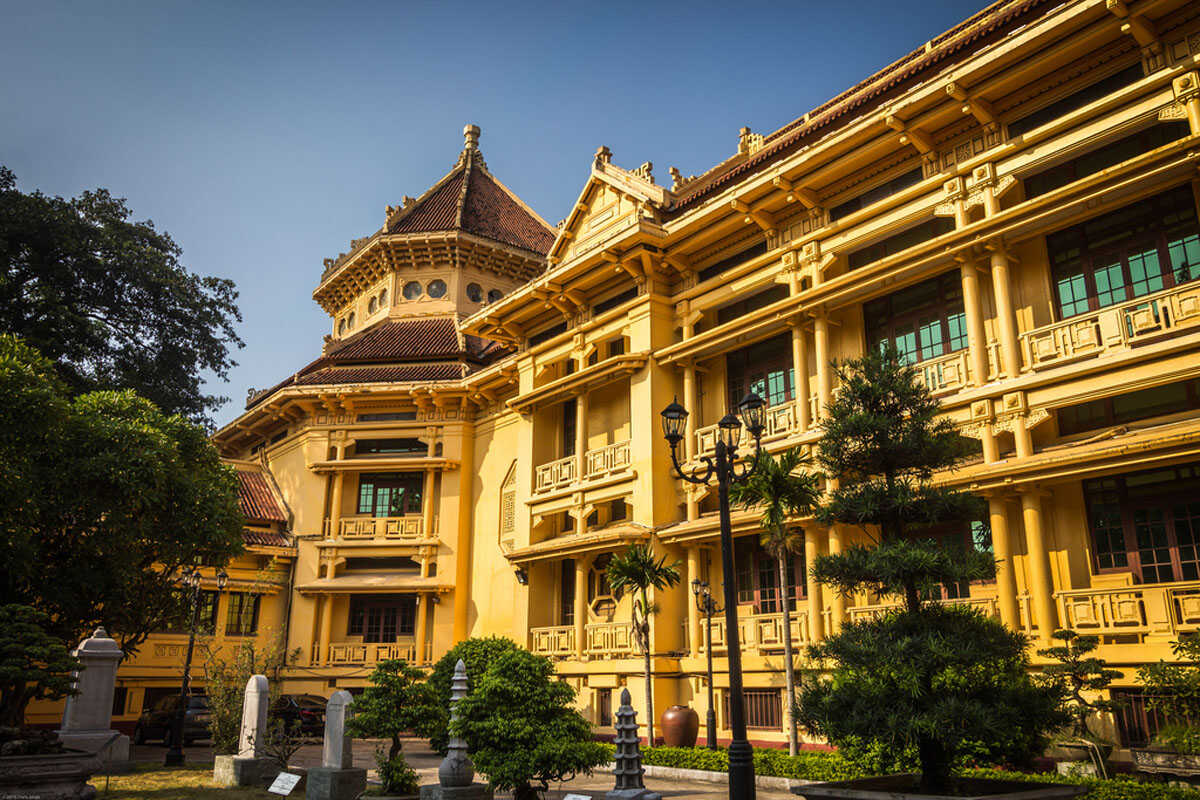
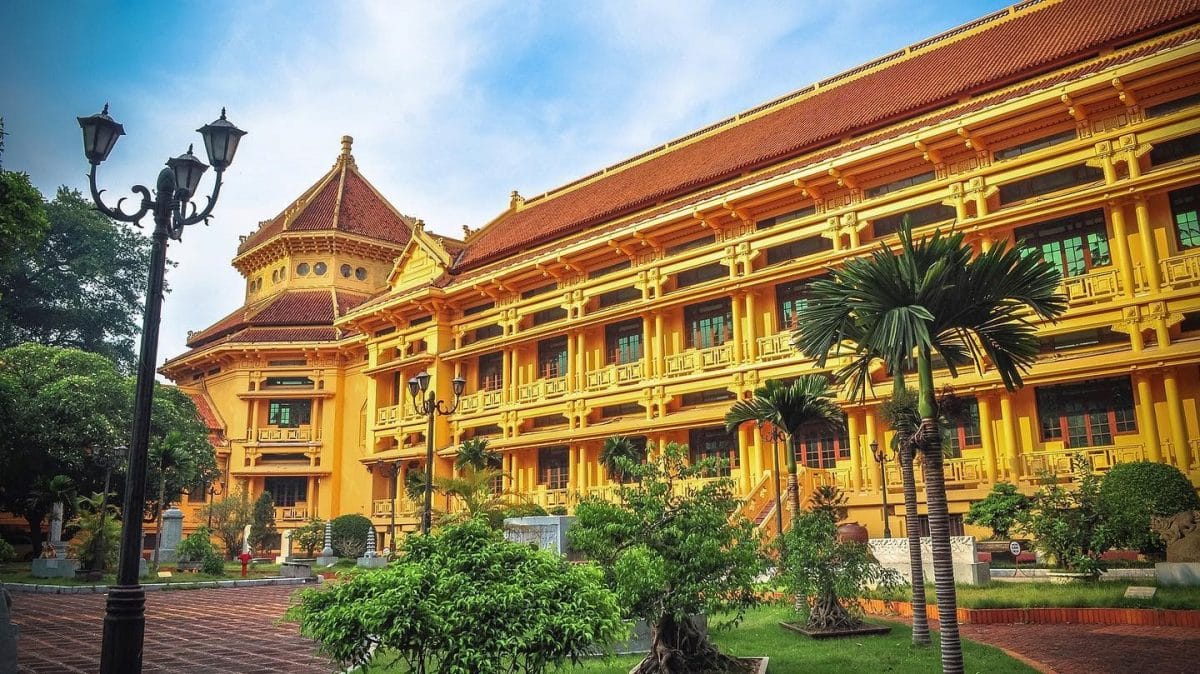
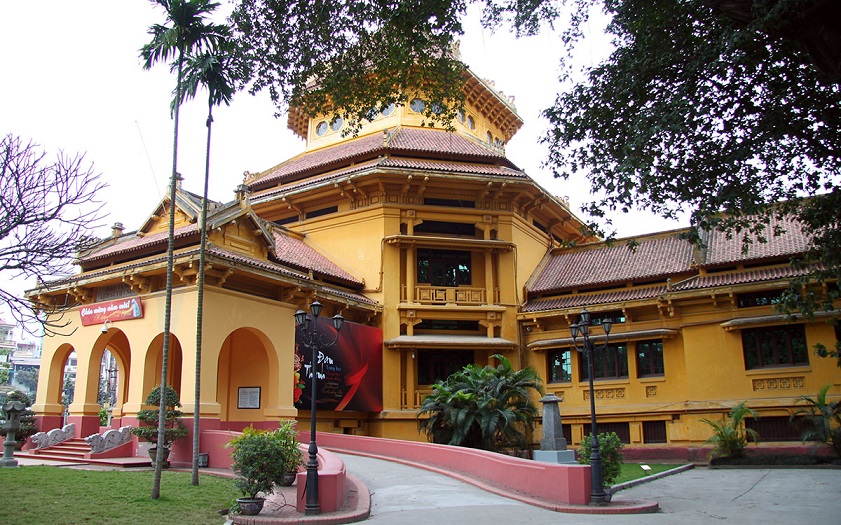
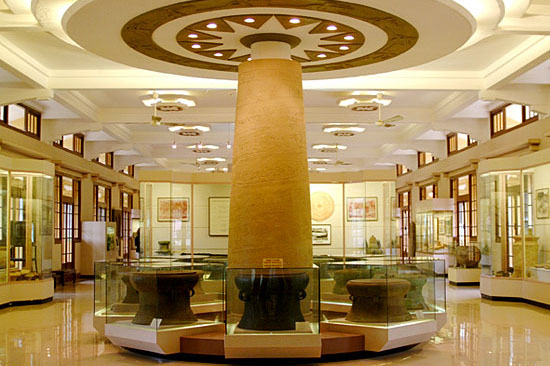
Located near Hanoi Opera House, the Vietnam National Museum of History preserves and presents Vietnam’s history from prehistoric times to the modern era through an extensive collection of original artefacts and national treasures.
1 Trang Tien Street & 216 Tran Quang Khai Street, Hoan Kiem, Hanoi
National History Museum
1958; current main building completed in 1932
08:00–12:00 & 13:30–17:00; closed on the first Monday of each month
Dong Son culture, ancient ceramics, Champa sculptures, royal artefacts, National Treasures and revolutionary history
Discover Hanoi, where timeless heritage, vibrant street life, and authentic Vietnamese culture come together.
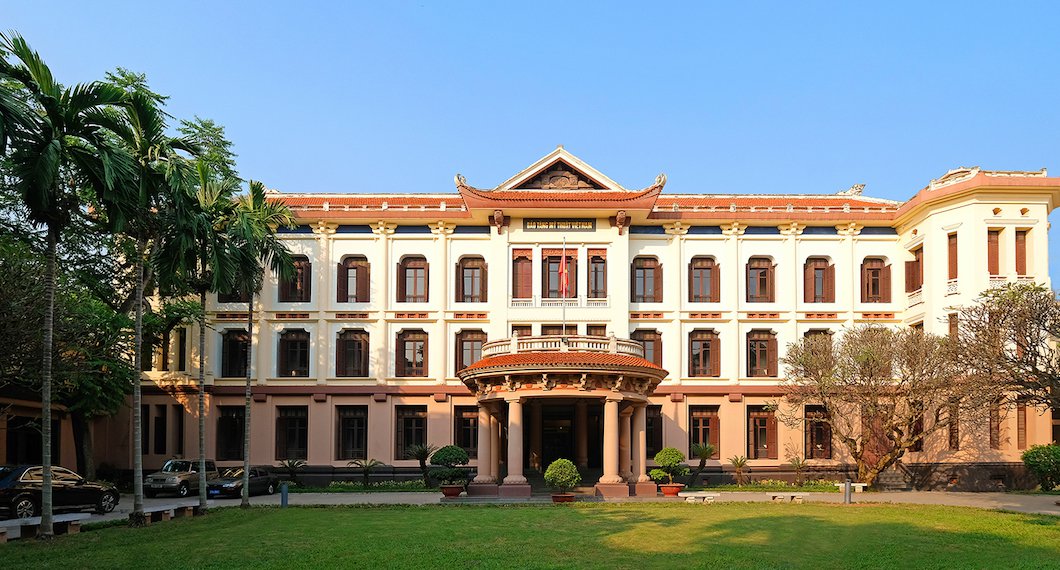
Discover the beauty of Vietnamese art through centuries of creativity, tradition and cultural expression.
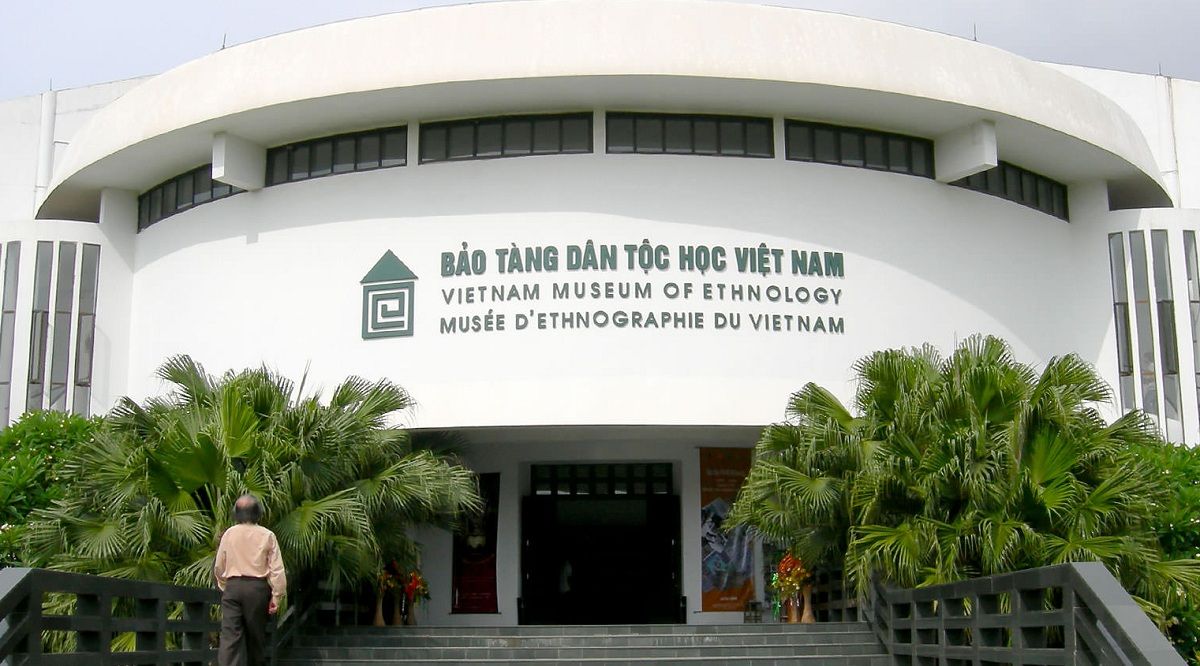
Discover the rich cultural diversity of Vietnam through the traditions, lifestyles and heritage of its many ethnic communities.