

Search

Overview

Location

Northern Vietnam

Sa Pa Ward, Lao Cai Province

Population

Approximately 23,240

Area (km²)

60.0 km²

Key Experiences

Mountain trekking, terraced rice fields, ethnic village life, local markets, mountain scenery and cultural experiences

Major attractions

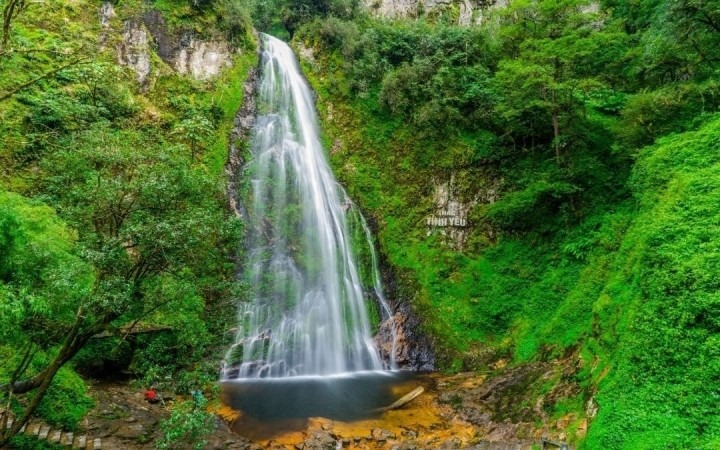
Fansipan, Muong Hoa Valley, Cat Cat Village, Ham Rong Mountain, Silver Waterfall, Love Waterfall and O Quy Ho Pass, etc.

Introduction

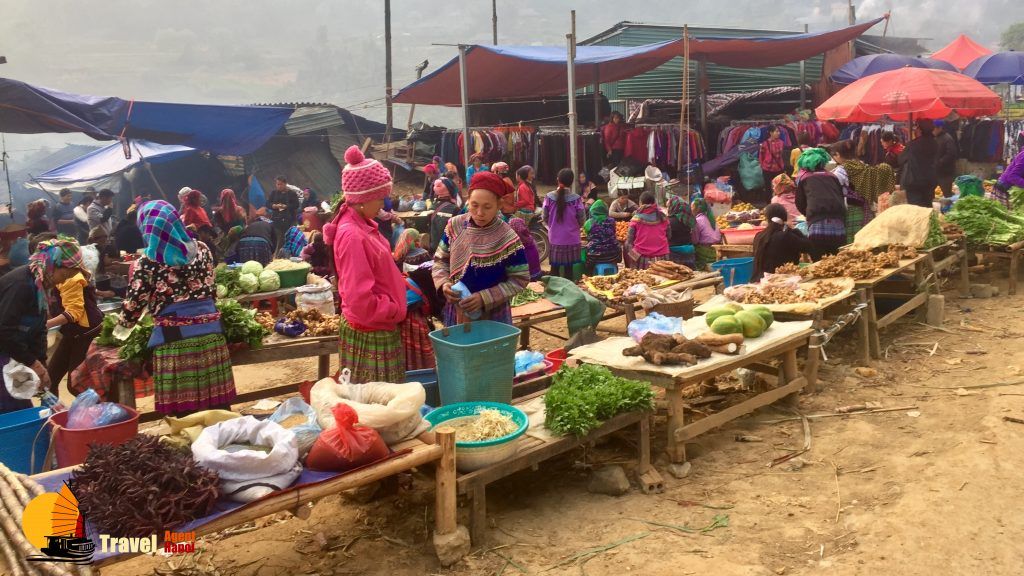
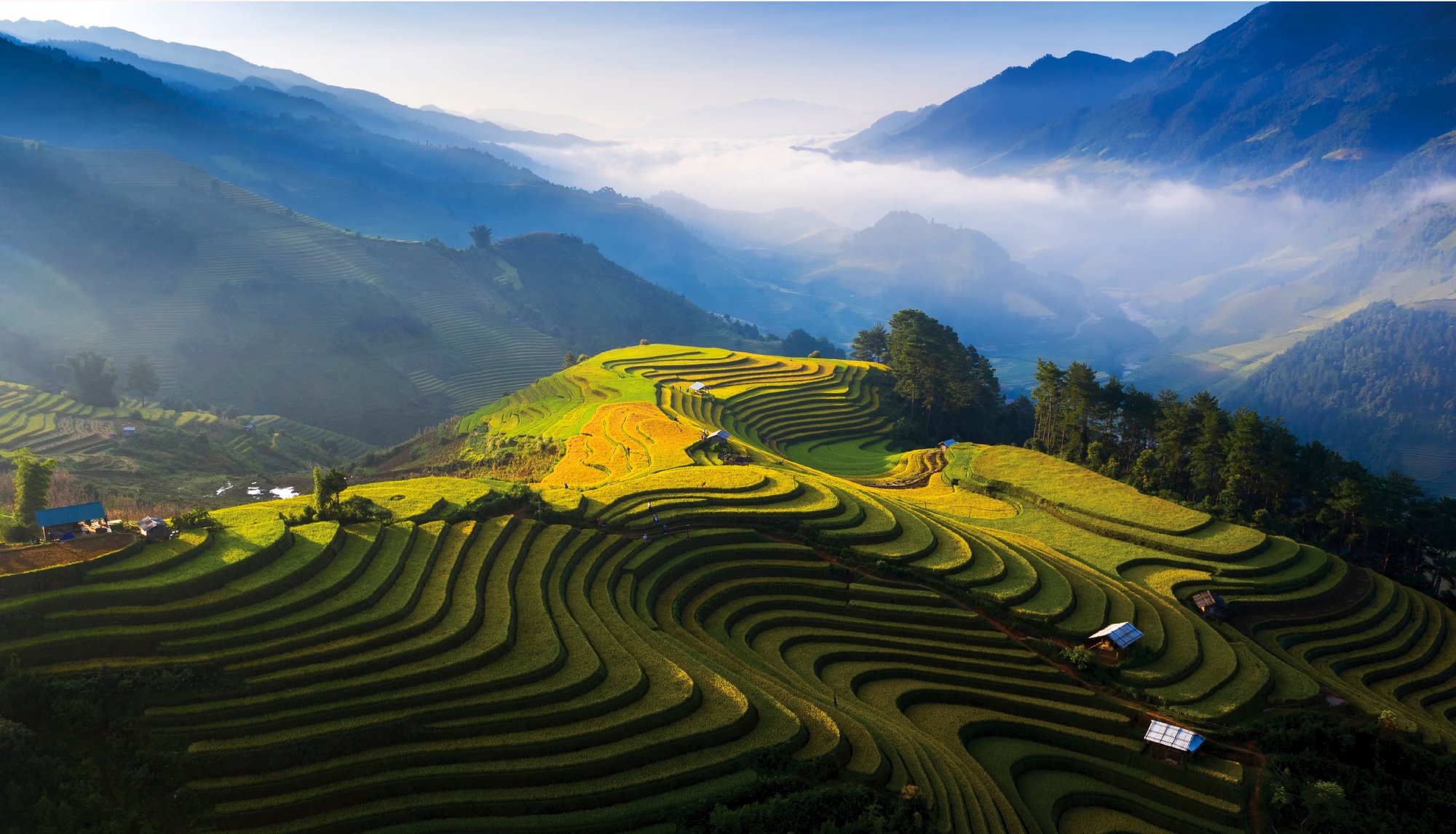
Sa Pa is one of northern Vietnam’s best-known mountain destinations, set within the Hoang Lien Son mountain range and surrounded by steep valleys, forested mountains and terraced rice fields. The area is home to diverse ethnic communities, including the Hmong, Dao, Tay and Giay, whose traditional villages, crafts, clothing and cultural practices form an important part of the destination’s identity.

Sa Pa can be visited throughout the year, although the most attractive periods depend on the experience travelers seek. March to May generally brings pleasant conditions for trekking and enjoying the mountain scenery, while September to October is particularly appealing for travelers interested in the famous terraced rice fields during the harvest season. The higher elevations can be significantly cooler, with mist, frost and occasional snow possible during winter. Lao Cai’s official information notes that Sa Pa has a notably cool climate, with temperatures in the highland area generally much lower than in the surrounding lowlands.

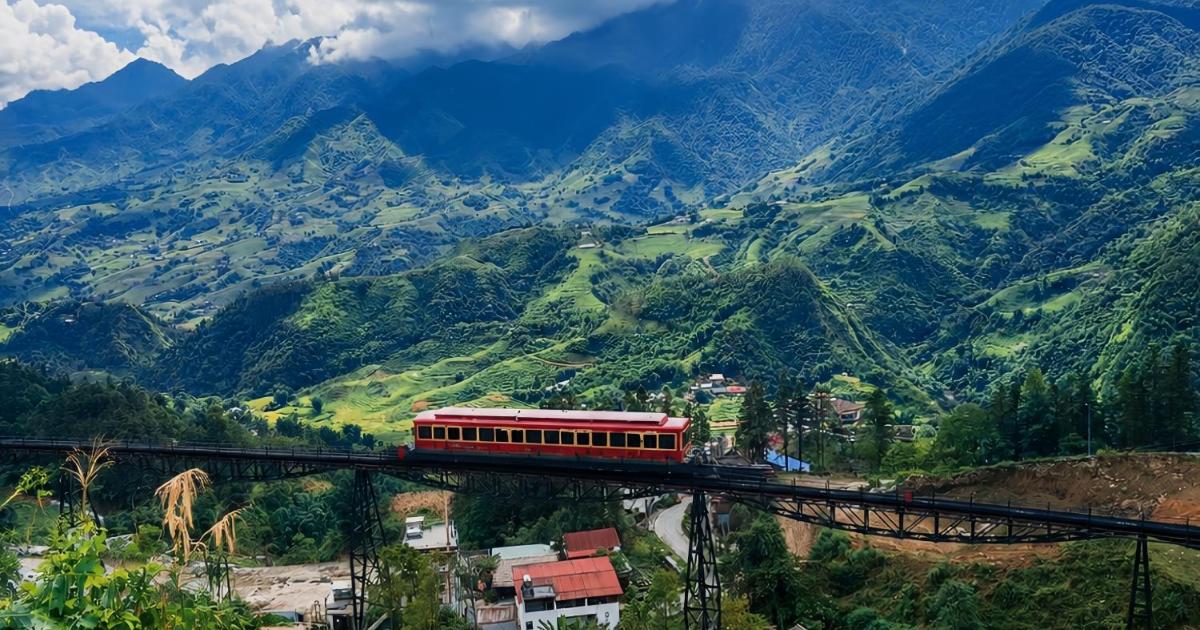
What makes Sa Pa particularly distinctive is the combination of spectacular mountain scenery, outdoor adventures and living ethnic cultures. Visitors can trek through Muong Hoa Valley, explore villages such as Lao Chai and Ta Van, stay in a local homestay, visit traditional markets and discover local crafts including embroidery, weaving and batik. Other popular experiences include taking the cable car to Fansipan, cycling through mountain valleys and enjoying the dramatic scenery of the Hoang Lien Son range. 

Sa Pa is also known for its distinctive highland cuisine, with specialties such as salmon and trout, smoked buffalo meat, chayote shoots, fresh mountain vegetables and traditional ethnic dishes. Together with homestays, local markets and community-based experiences, these elements allow travelers to experience not only Sa Pa’s landscapes but also the food, traditions and everyday life of its mountain communities. 


Other Tourist Attractions

chat