



Ninh Binh
Discover Ninh Binh, where dramatic limestone landscapes, ancient heritage and peaceful waterways create one of Vietnam’s most captivating destinations.
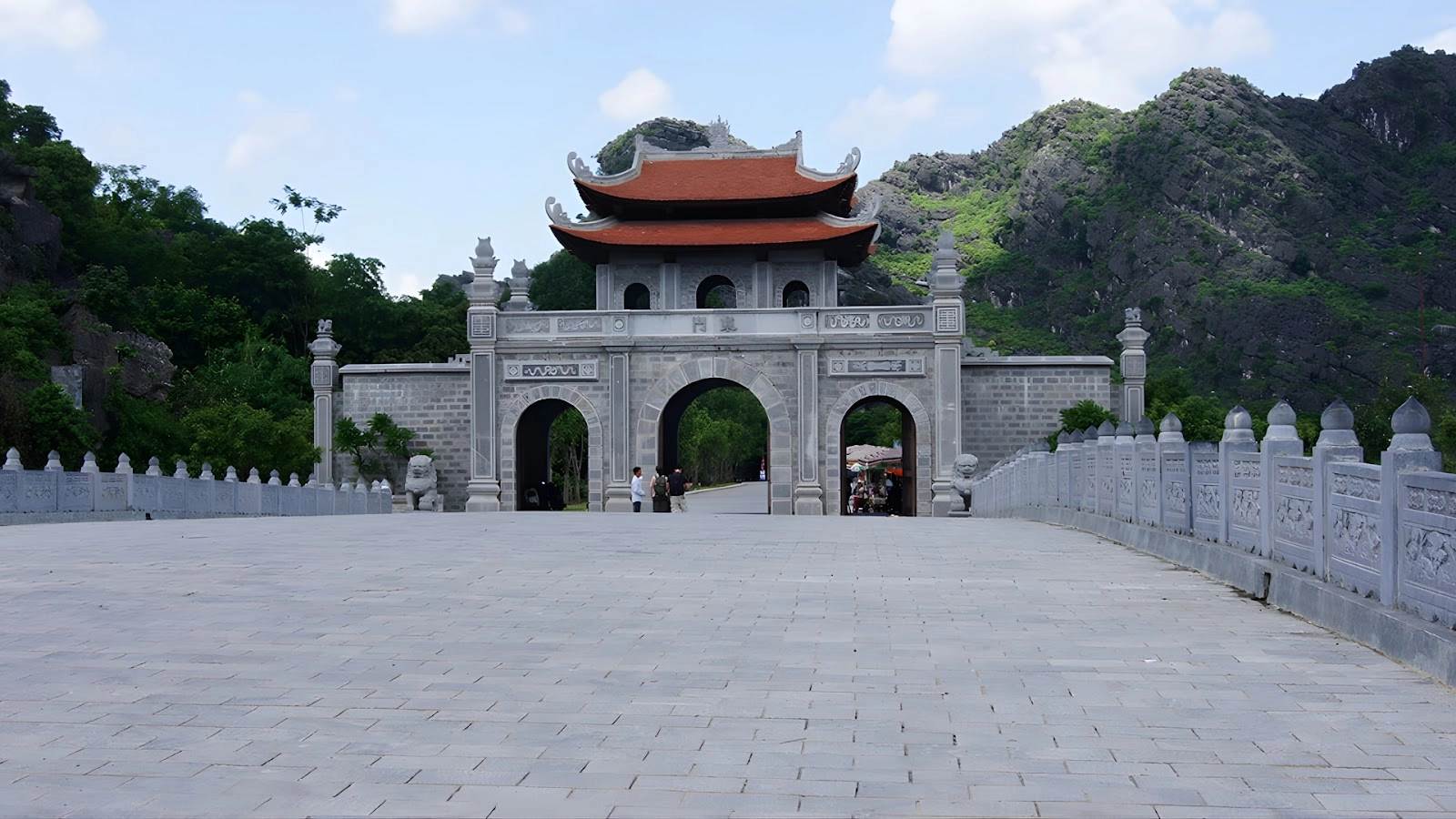
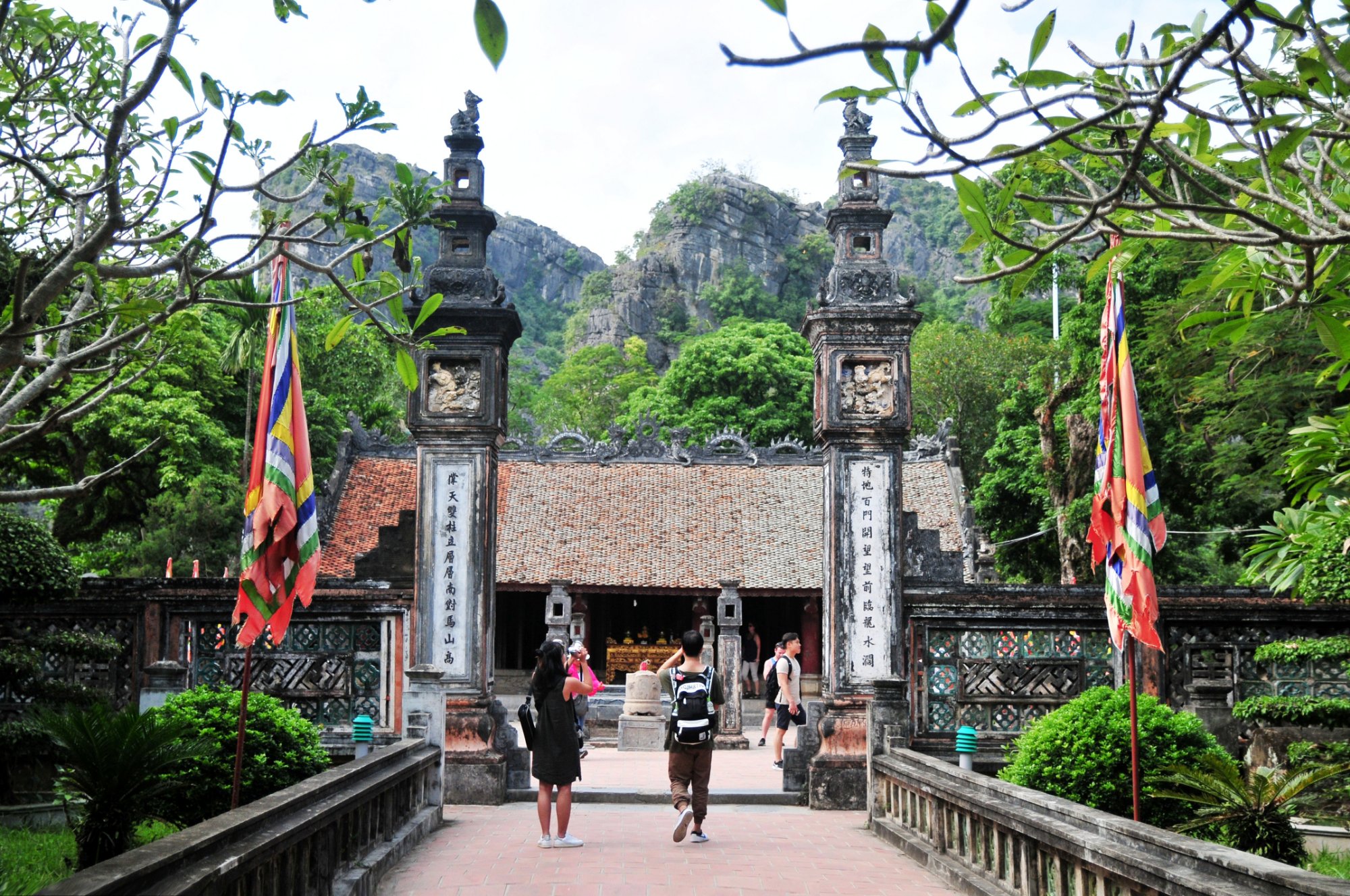
Set among the limestone mountains of Ninh Binh, Hoa Lu Ancient Capital preserves the heart of Vietnam’s first imperial capital and offers a fascinating journey into the country’s early period of independence and nation-building.
Tay Hoa Lu Ward, Ninh Binh Province
Ancient Capital & Historical Heritage Site
968
07:00–17:00 daily
King Dinh Tien Hoang Temple, King Le Dai Hanh Temple, Ma Yen Mountain, Nhat Tru Pagoda and ancient archaeological remains
Discover Ninh Binh, where dramatic limestone landscapes, ancient heritage and peaceful waterways create one of Vietnam’s most captivating destinations.
Relive the legend of Dinh Bo Linh in a spectacular live performance that brings Vietnam’s early history to life through martial arts, circus, dance and traditional music.
Explore Trang An, a UNESCO World Heritage landscape of towering limestone peaks, hidden caves, ancient temples and winding rivers in the heart of Ninh Binh.