

Ninh Binh
Discover Ninh Binh, where dramatic limestone landscapes, ancient heritage and peaceful waterways create one of Vietnam’s most captivating destinations.
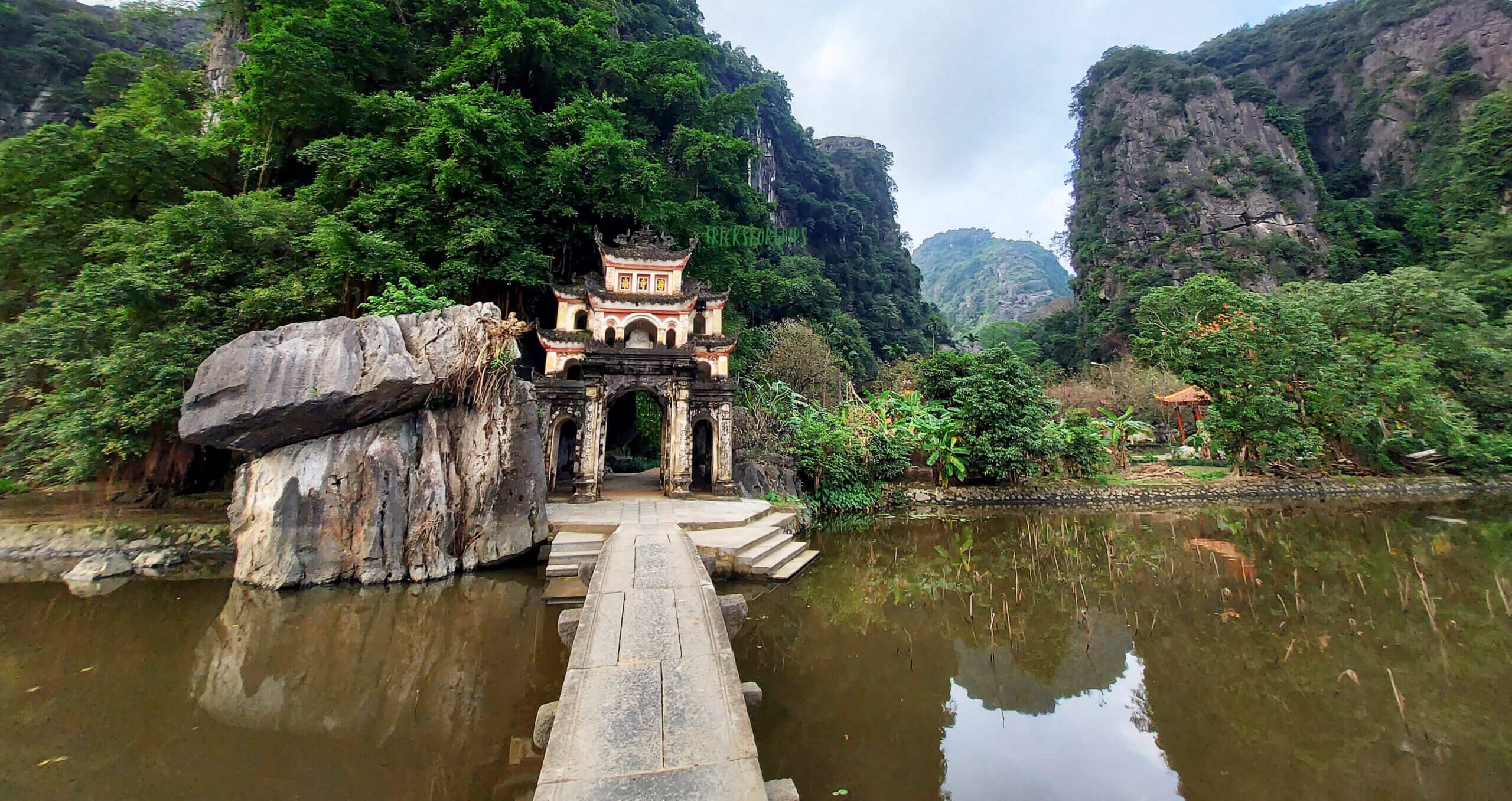
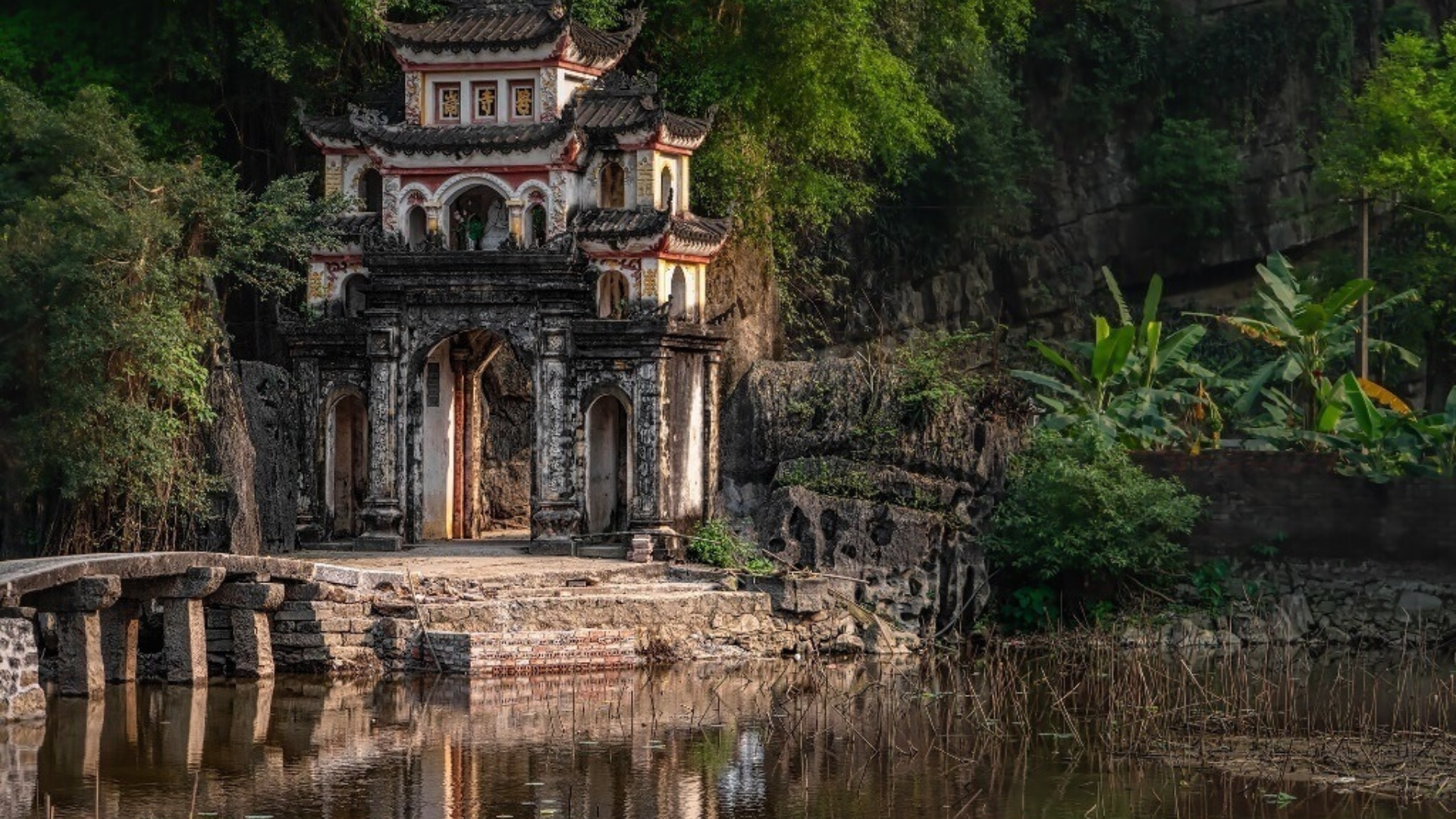
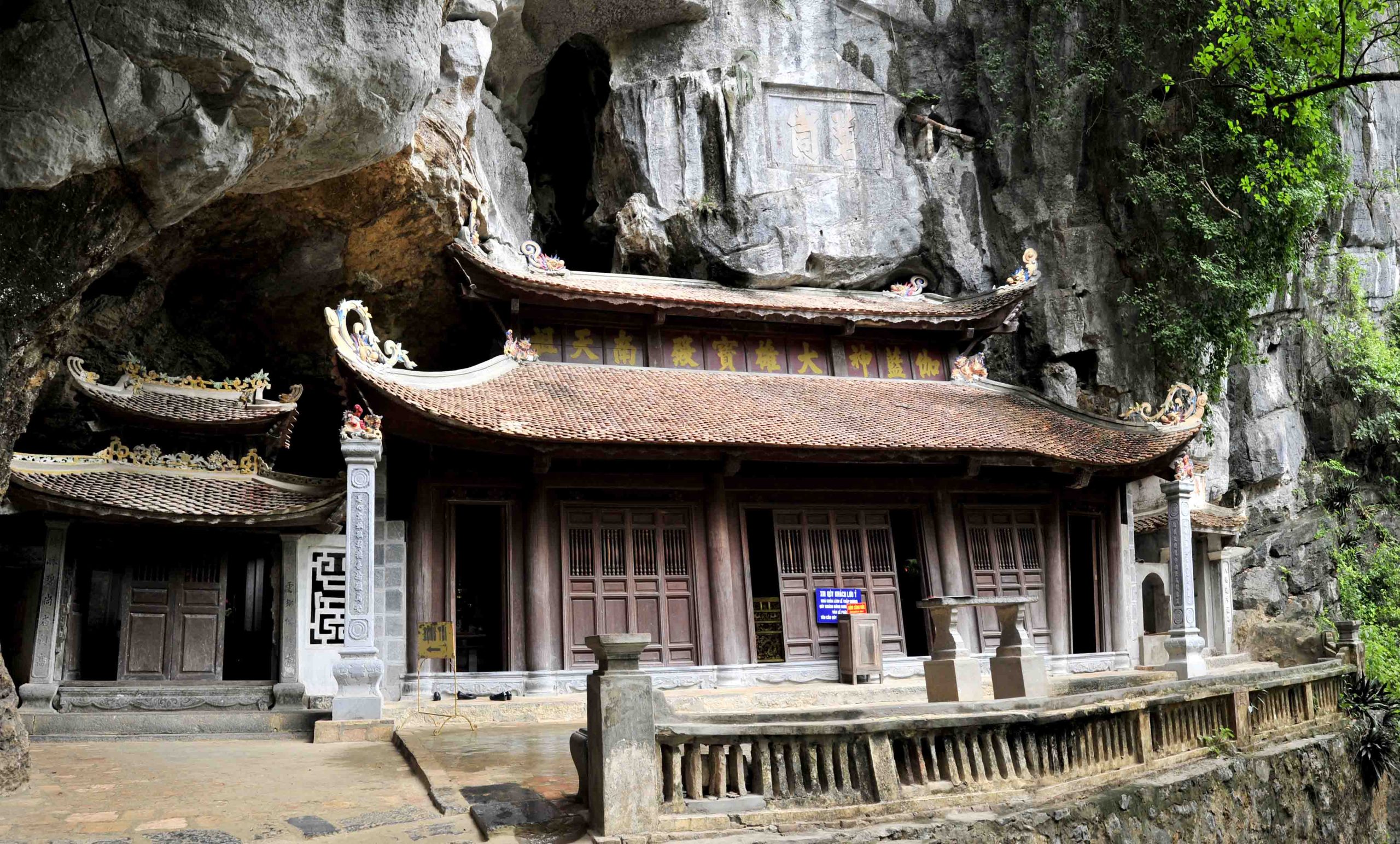
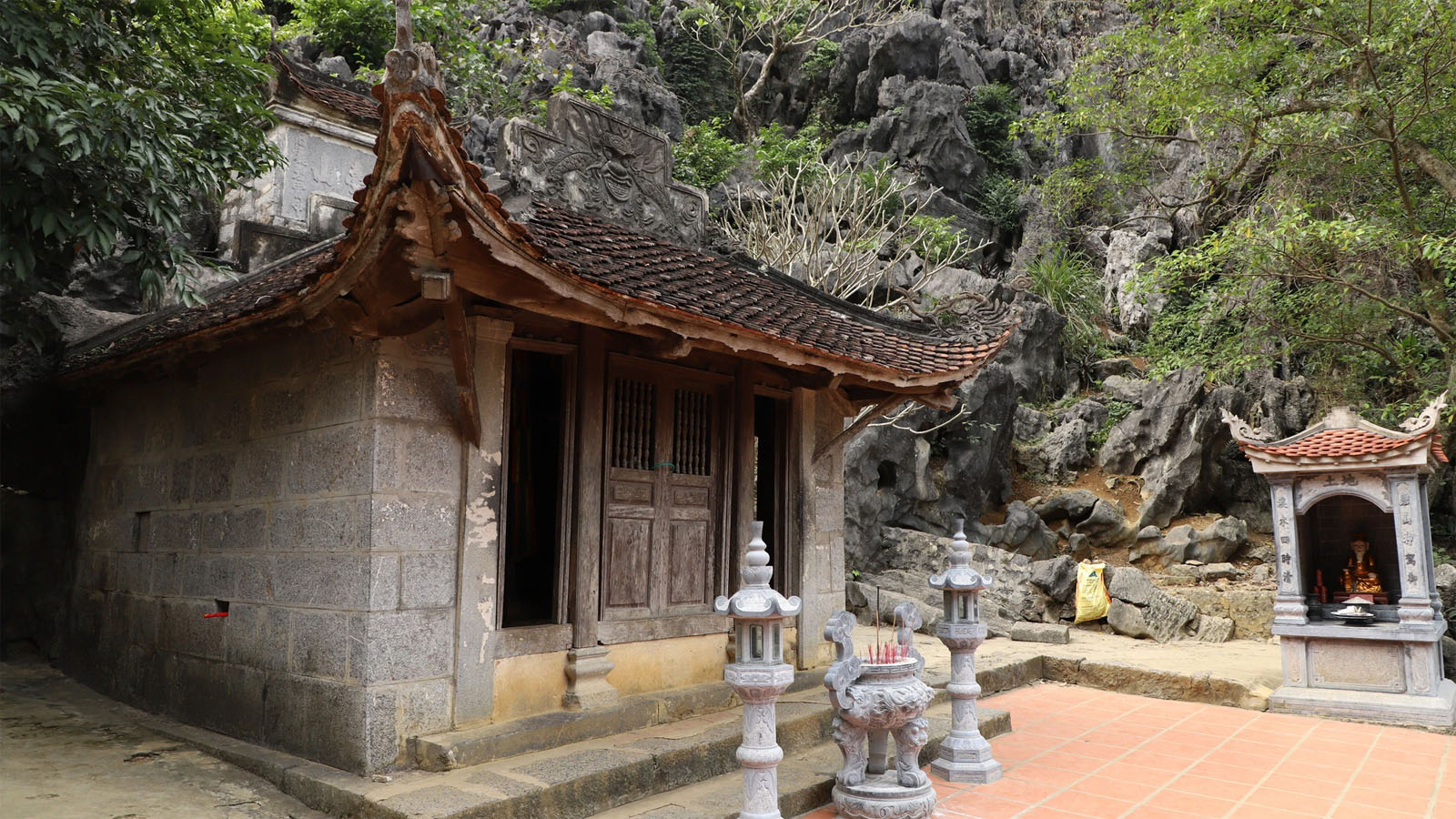
Built into a limestone mountainside near Tam Coc, Bich Dong Pagoda is a historic Buddhist complex renowned for its traditional architecture, natural caves and tranquil setting among the karst landscapes of Ninh Binh.
Ninh Hai area, Hoa Lu Ward, Ninh Binh Province
Buddhist Pagoda & Historical Cultural Site
1428; the complex was expanded and renovated in later centuries
Generally open daily
Lower, Middle and Upper Pagodas, natural caves, stone stairways, ancient inscriptions and panoramic mountain scenery
Discover Ninh Binh, where dramatic limestone landscapes, ancient heritage and peaceful waterways create one of Vietnam’s most captivating destinations.
Relive the legend of Dinh Bo Linh in a spectacular live performance that brings Vietnam’s early history to life through martial arts, circus, dance and traditional music.
Explore Trang An, a UNESCO World Heritage landscape of towering limestone peaks, hidden caves, ancient temples and winding rivers in the heart of Ninh Binh.