
Quang Ninh
Discover Quang Ninh, where emerald waters, dramatic limestone islands, pristine beaches and sacred mountain landscapes reveal the diverse beauty of northeastern Vietnam.
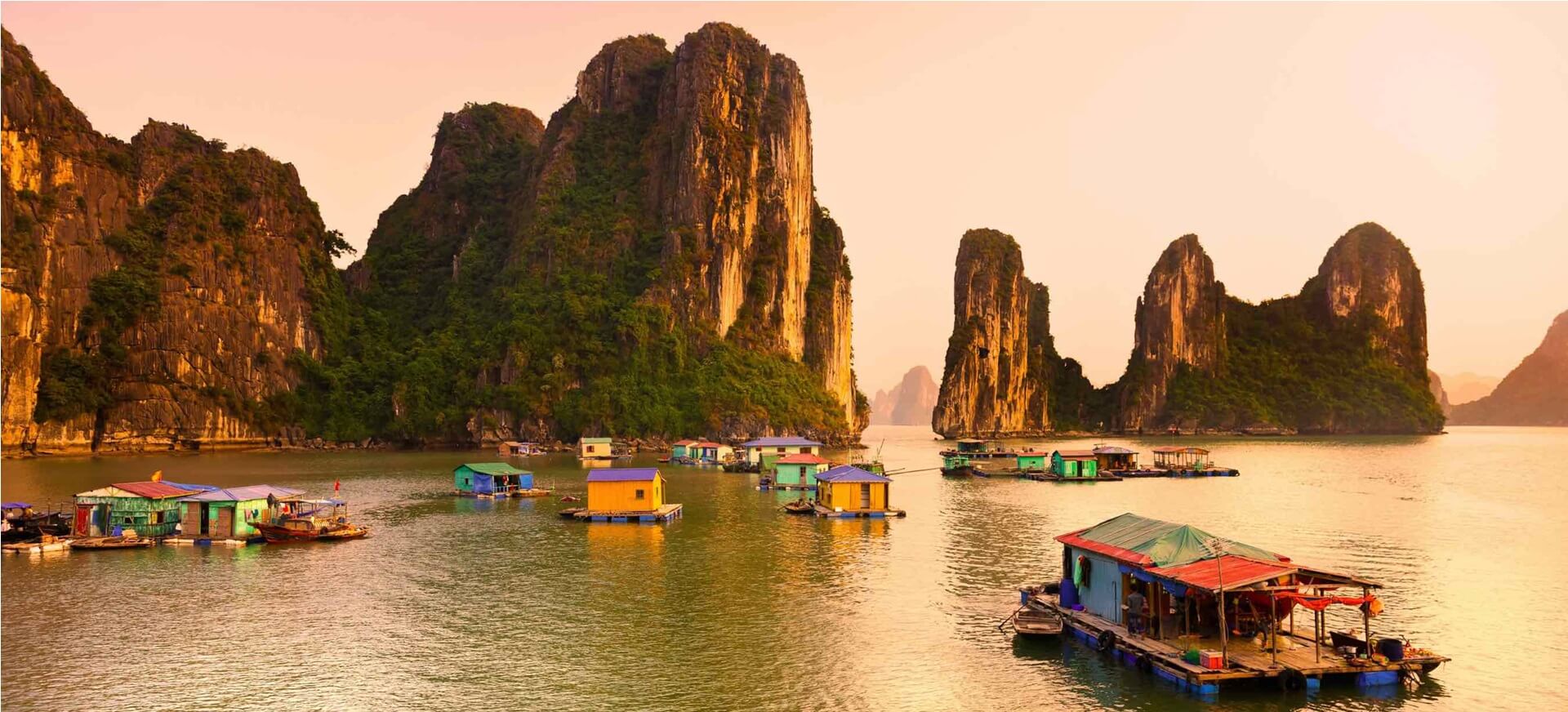
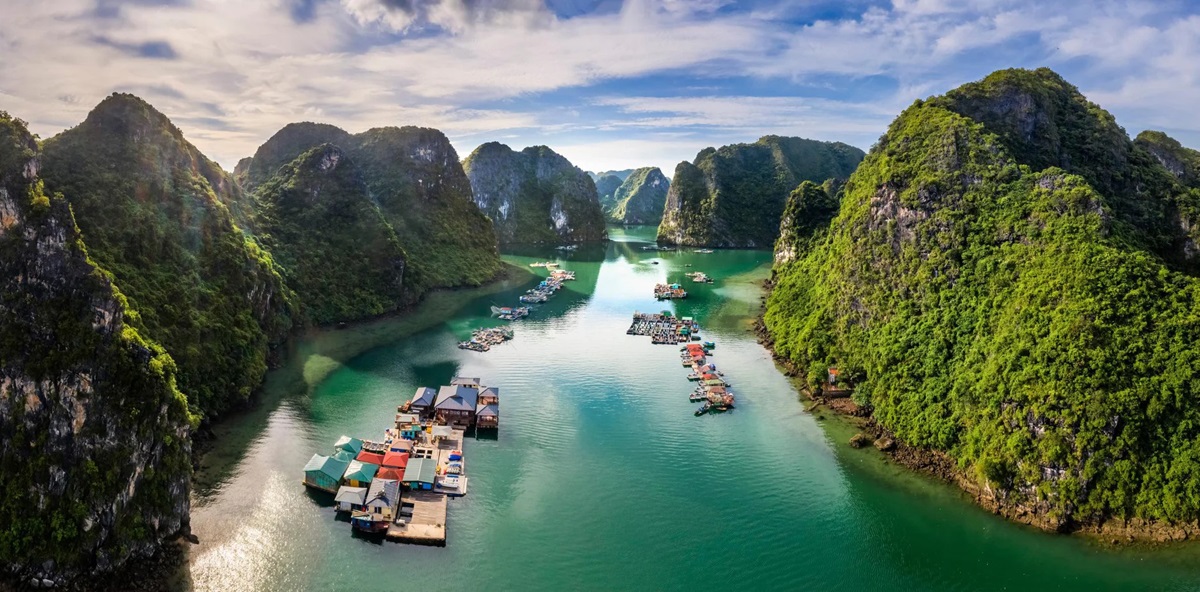
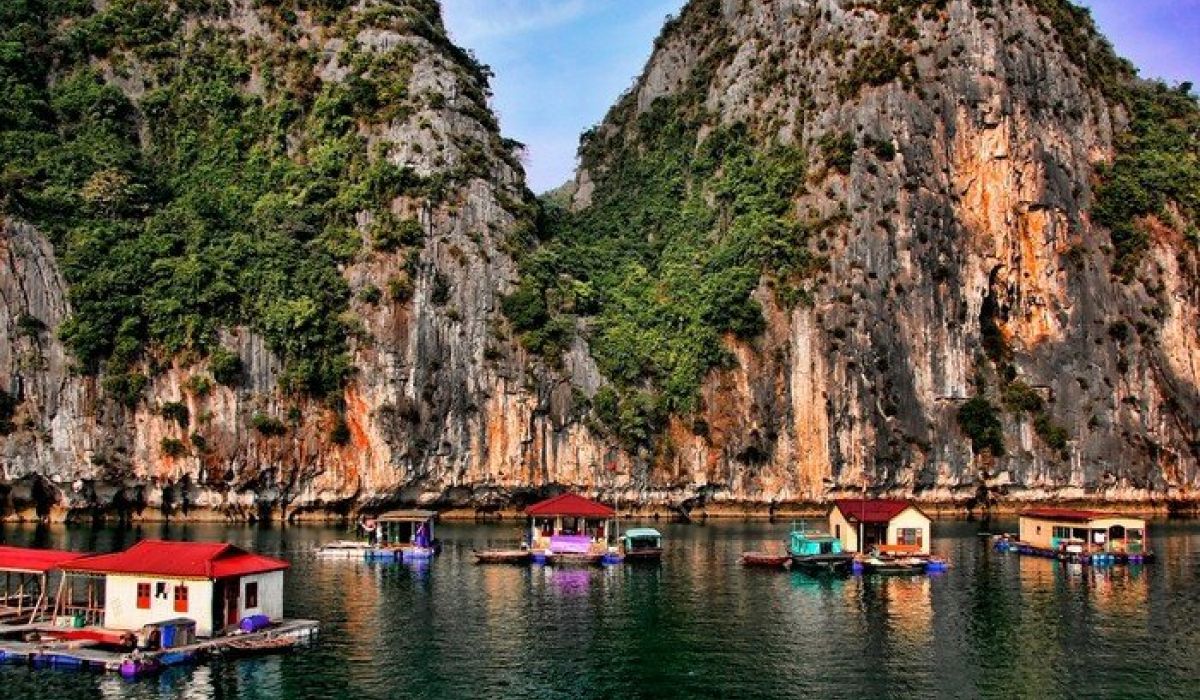
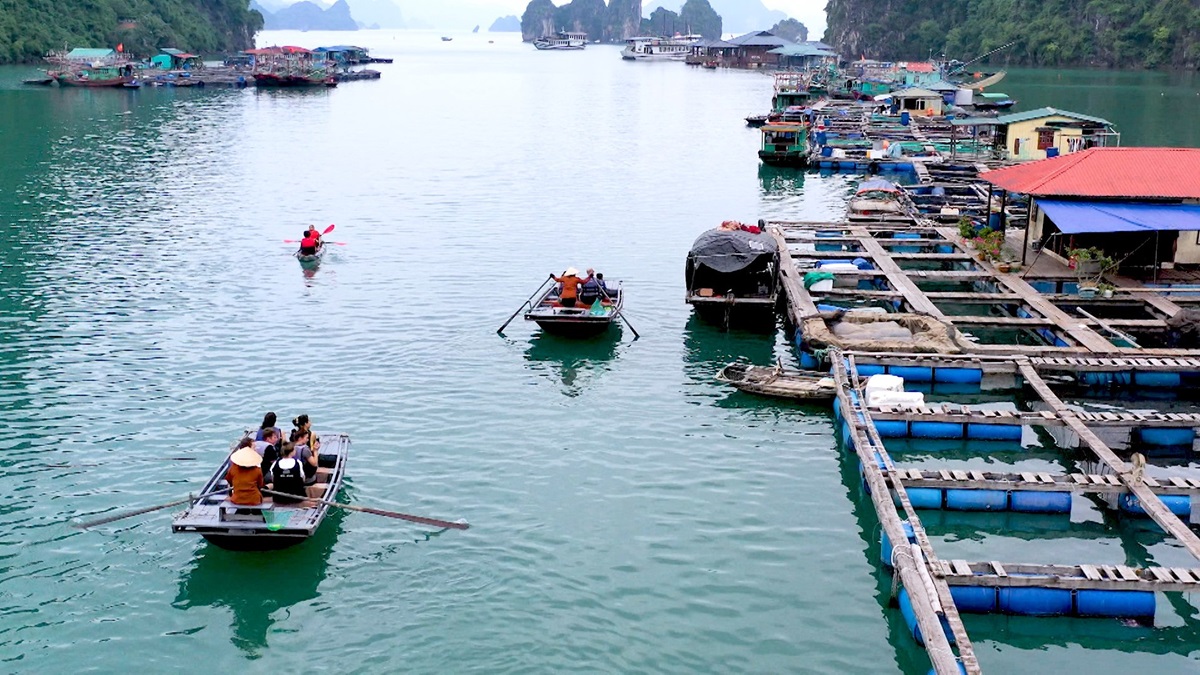
Cua Van Floating Village is one of Ha Long Bay’s most distinctive cultural attractions, offering insight into the fishing traditions and sea-based livelihoods that shaped local communities. Set in a sheltered area surrounded by limestone karsts, the village experience combines tranquil scenery with opportunities to learn about the region’s maritime heritage.
Cua Van area, Ha Long Bay, Quang Ninh Province
Floating Fishing Village & Cultural Heritage Attraction
The Cua Van Floating Cultural Center opened on 19 May 2006
08:00–17:30 (16 April–31 October) and 08:00–17:00 (1 November–15 April)
Floating homes and fishing boats, traditional fishing culture, local maritime customs, cultural exhibits, rowing-boat excursions and surrounding limestone scenery
Discover Quang Ninh, where emerald waters, dramatic limestone islands, pristine beaches and sacred mountain landscapes reveal the diverse beauty of northeastern Vietnam.
Sail through the breathtaking seascape of Ha Long Bay, where thousands of limestone islands rise from emerald waters to create one of Vietnam’s most iconic natural wonders.
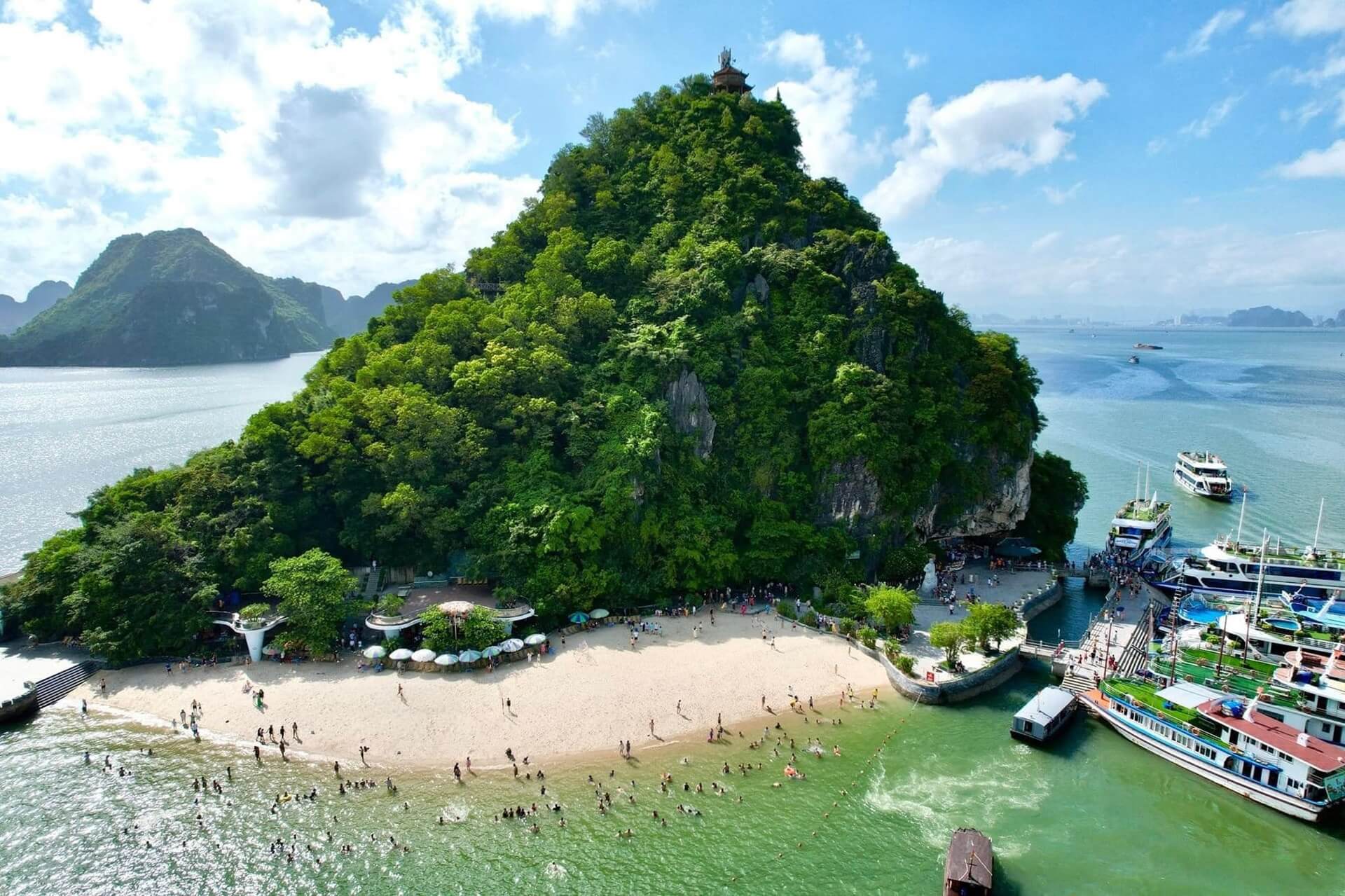
Climb to Ti Top Island’s panoramic viewpoint or unwind on its crescent-shaped beach, surrounded by the spectacular limestone seascapes of Ha Long Bay.