Bac Ninh
Discover Bac Ninh, where UNESCO-recognised folk melodies, centuries-old pagodas, traditional craft villages and the enduring heritage of the Red River Delta reveal a rich side of northern Vietnam.
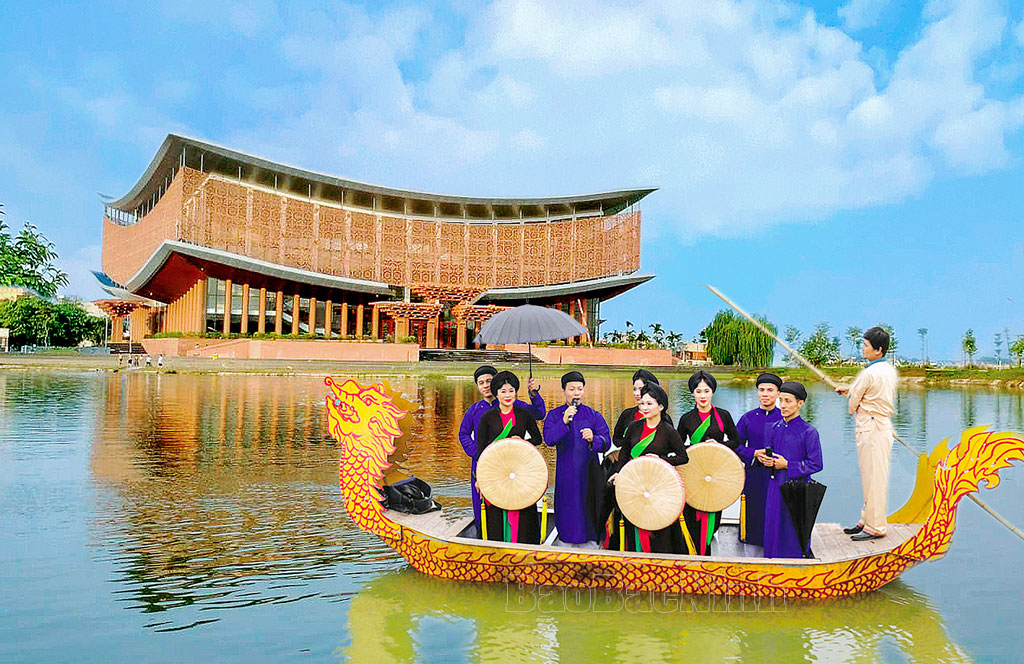
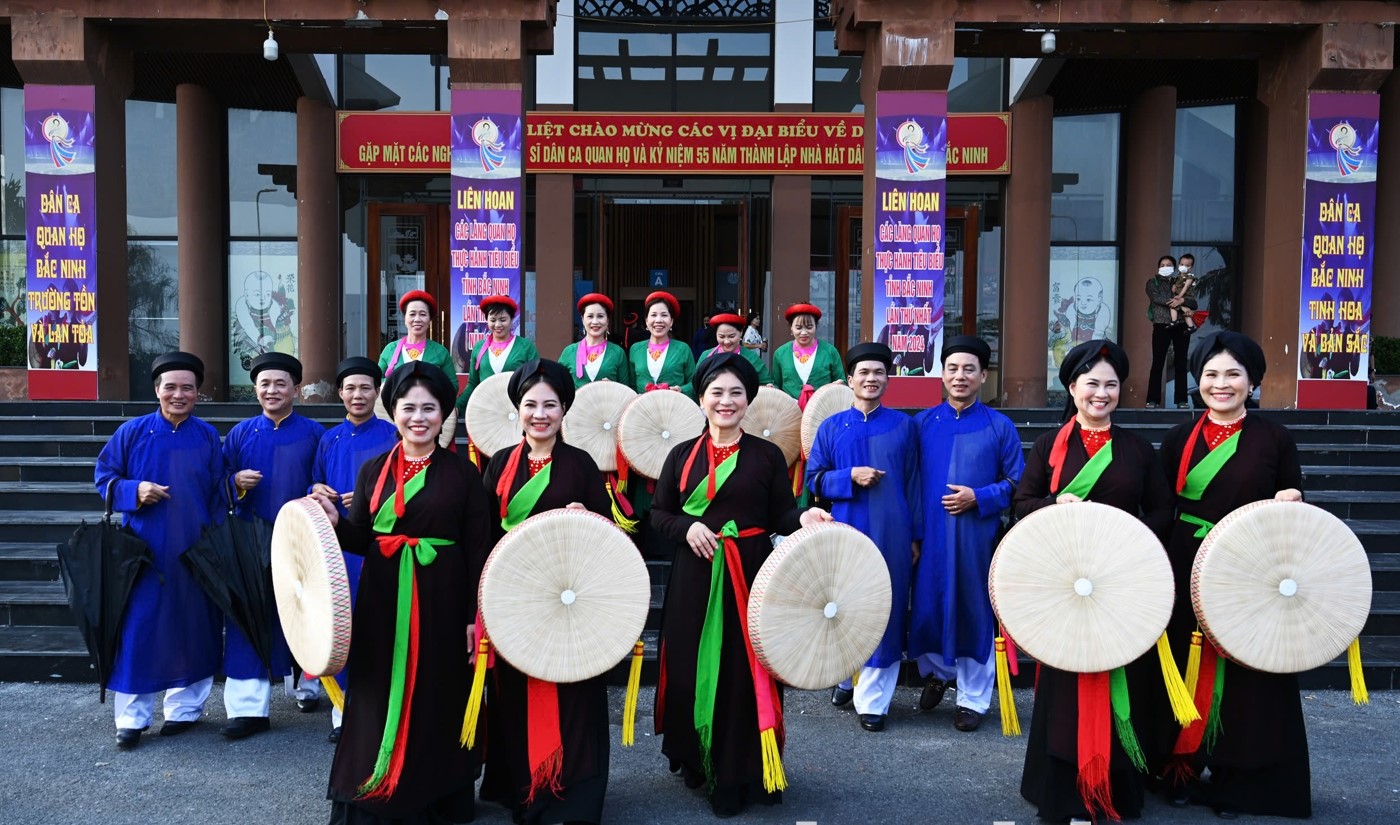
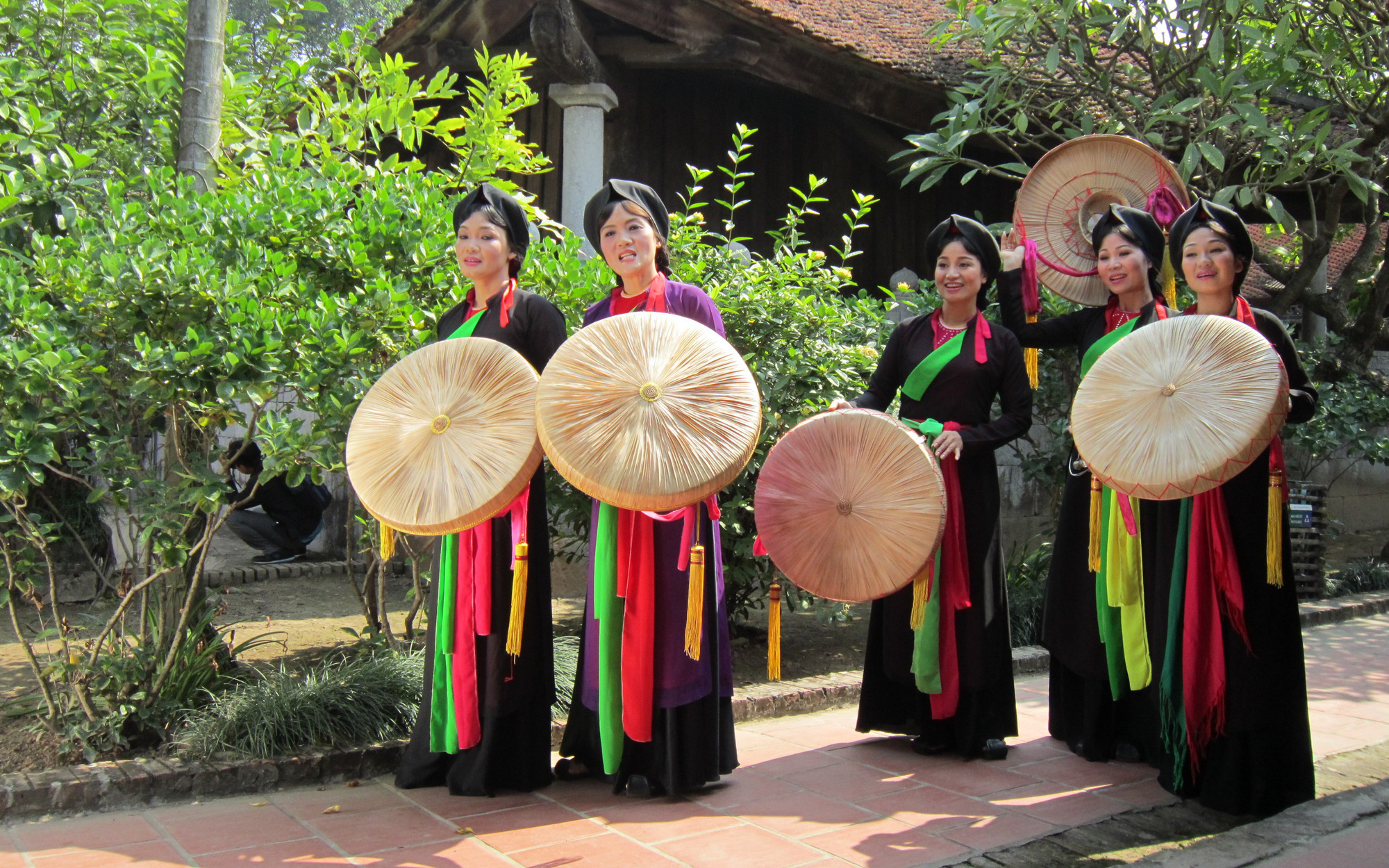
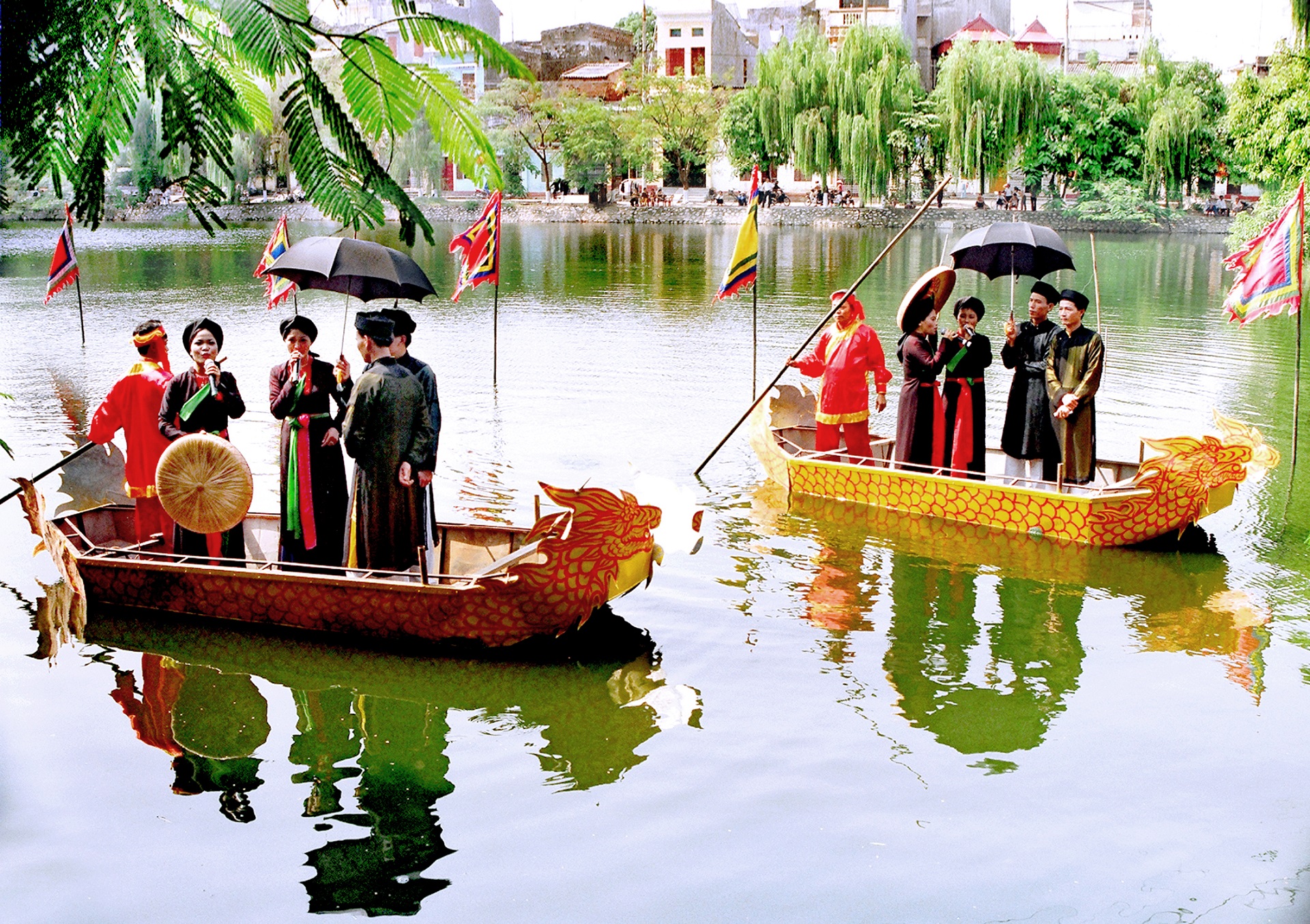
Quan Ho folk singing is one of northern Vietnam’s most distinctive musical traditions, deeply rooted in the cultural life of Bac Ninh and the wider Kinh Bac region. Recognised by UNESCO in 2009, this traditional form of call-and-response singing celebrates community bonds, hospitality and the art of musical exchange.
Bac Ninh City
Traditional Folk Music & UNESCO Intangible Cultural Heritage
A long-standing community tradition passed down through generations
No fixed opening hours. Performances take place at cultural venues, festivals and village gatherings according to local schedules.
Alternating male and female vocals, traditional costumes, lyrical melodies, village festivals, cultural performances and traditional Quan Ho singing gatherings
Discover Bac Ninh, where UNESCO-recognised folk melodies, centuries-old pagodas, traditional craft villages and the enduring heritage of the Red River Delta reveal a rich side of northern Vietnam.
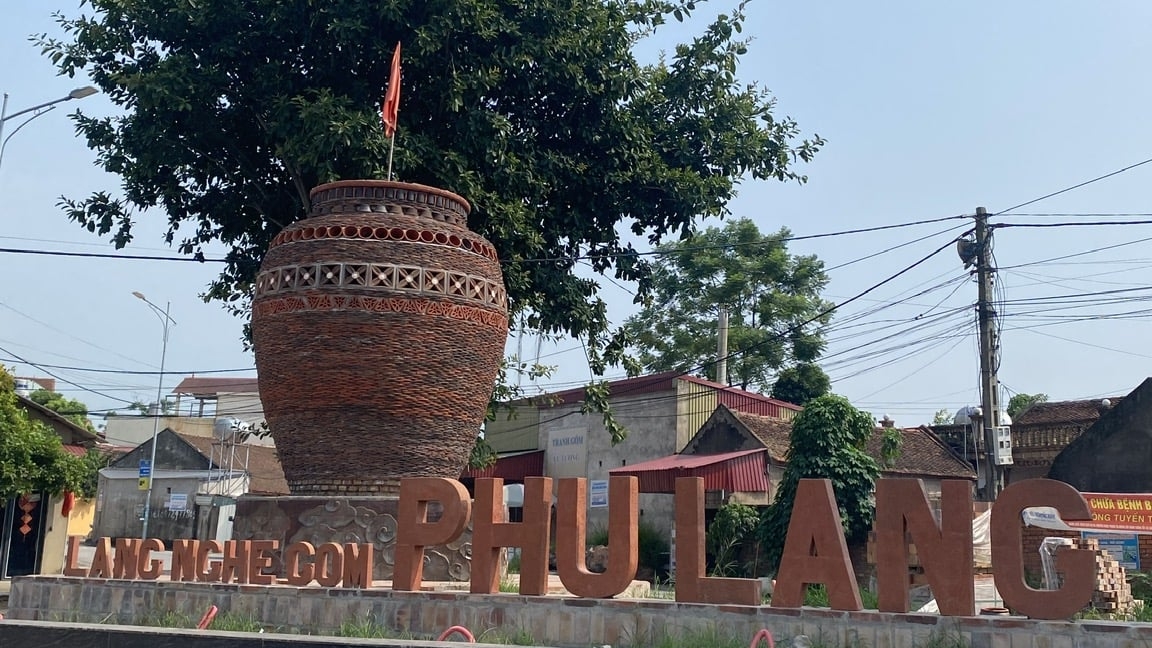
Explore the earthy beauty of Phu Lang pottery, where skilled artisans transform local clay, traditional glazes and fire into distinctive ceramics that embody the enduring craftsmanship of Vietnam’s Kinh Bac region.
Discover the timeless artistry of Dong Ho folk paintings, where hand-carved woodblocks, natural pigments and generations of craftsmanship bring Vietnam’s traditional village life to vivid expression.