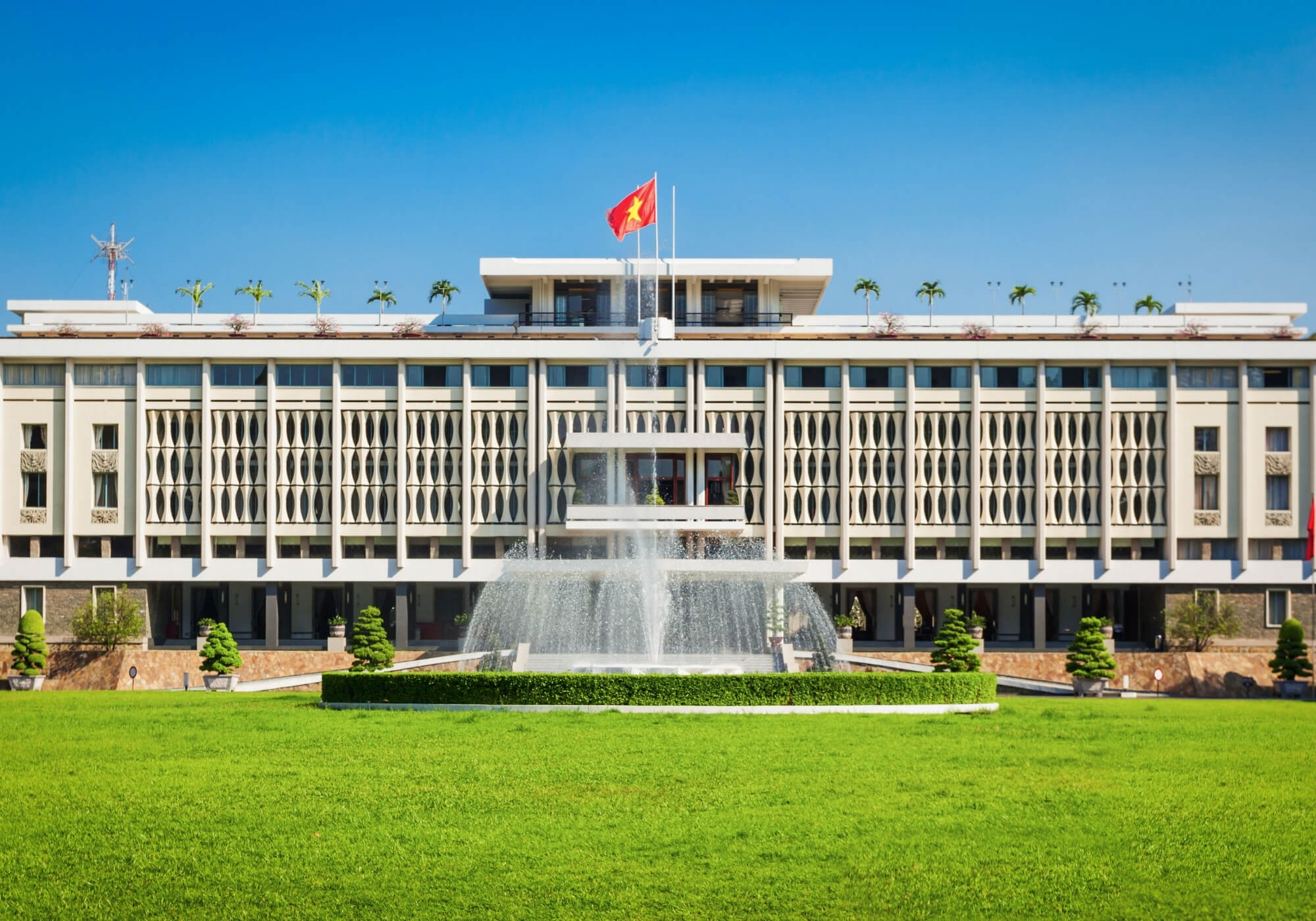
Independence Palace occupies a prominent position in central Ho Chi Minh City and offers an immersive introduction to Vietnam’s modern political history. The site originally housed Norodom Palace, built by French colonial authorities in the late 19th century as the residence and workplace of the Governor of Cochinchina. After the end of French colonial rule, the building became associated with the leadership of South Vietnam. Following severe damage during an air attack in 1962, the original structure was demolished and replaced by the building visitors see today.
The present palace was designed by Ngo Viet Thu, a Vietnamese architect known for combining modern architectural principles with traditional East Asian influences. Completed in 1966, the building features balanced geometric forms, spacious halls, decorative stone screens and a carefully planned layout. Its design incorporates symbolic elements inspired by traditional philosophy, while the broad lawns, ornamental gardens and water features create a striking contrast with the busy city streets outside.
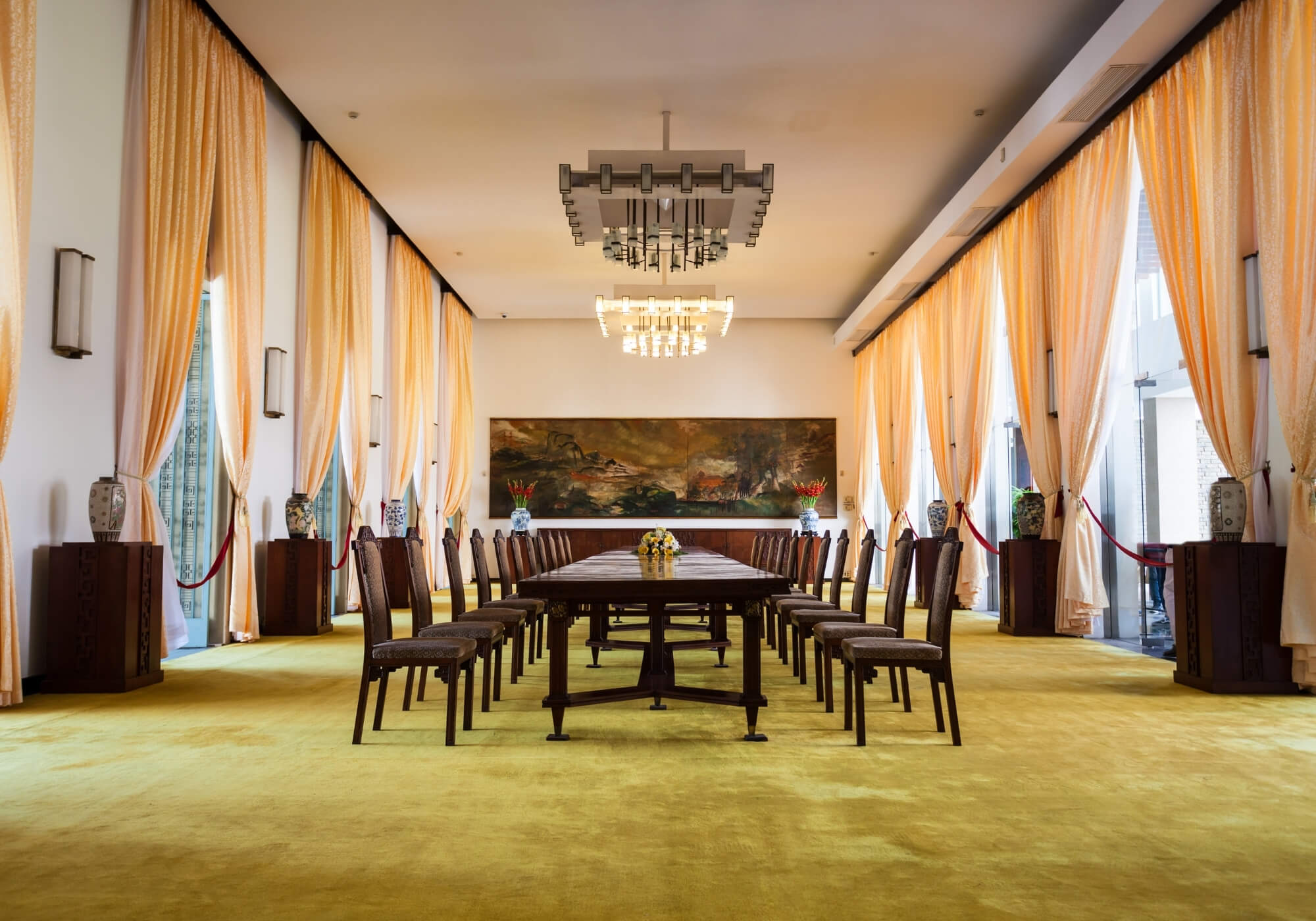
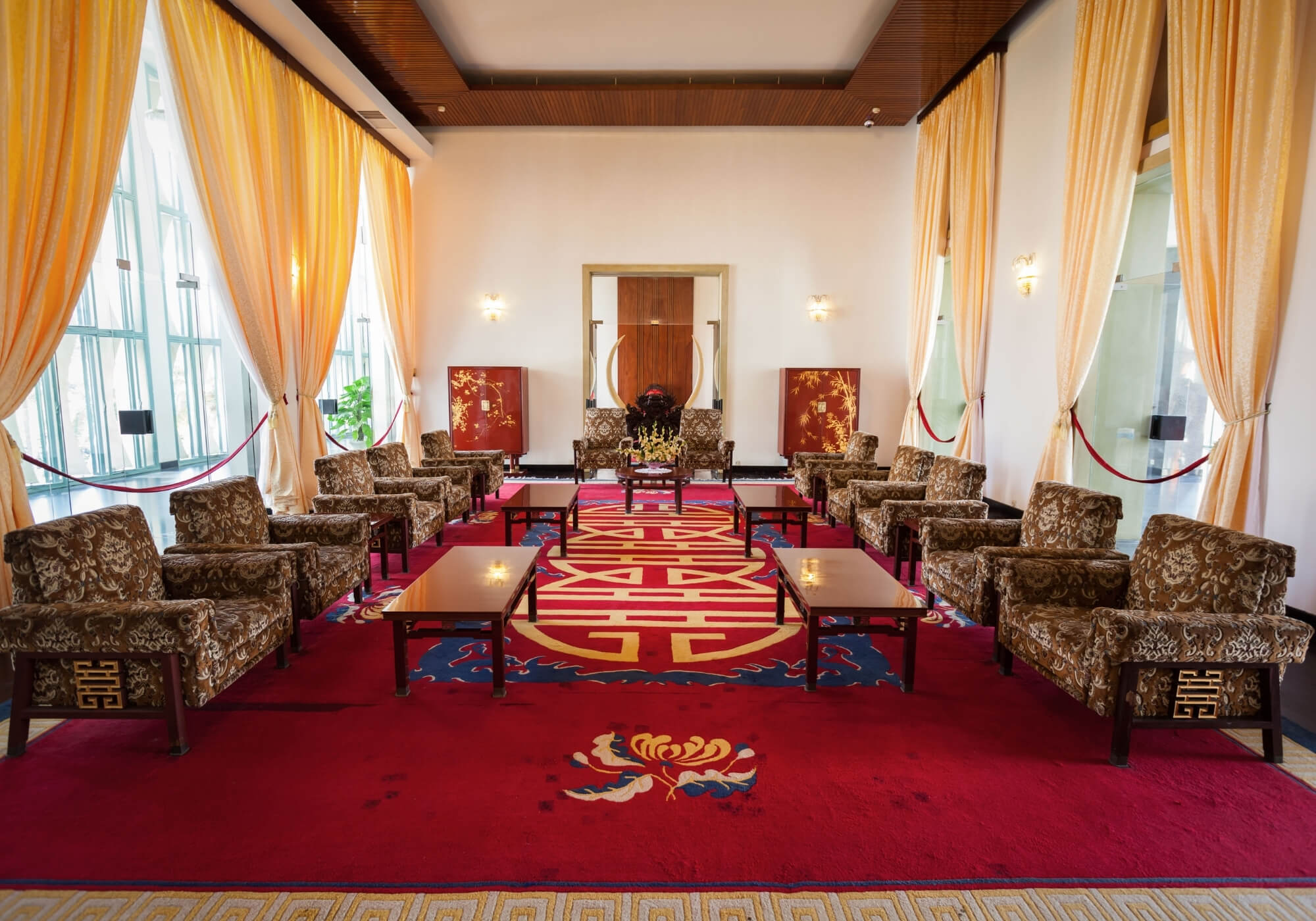
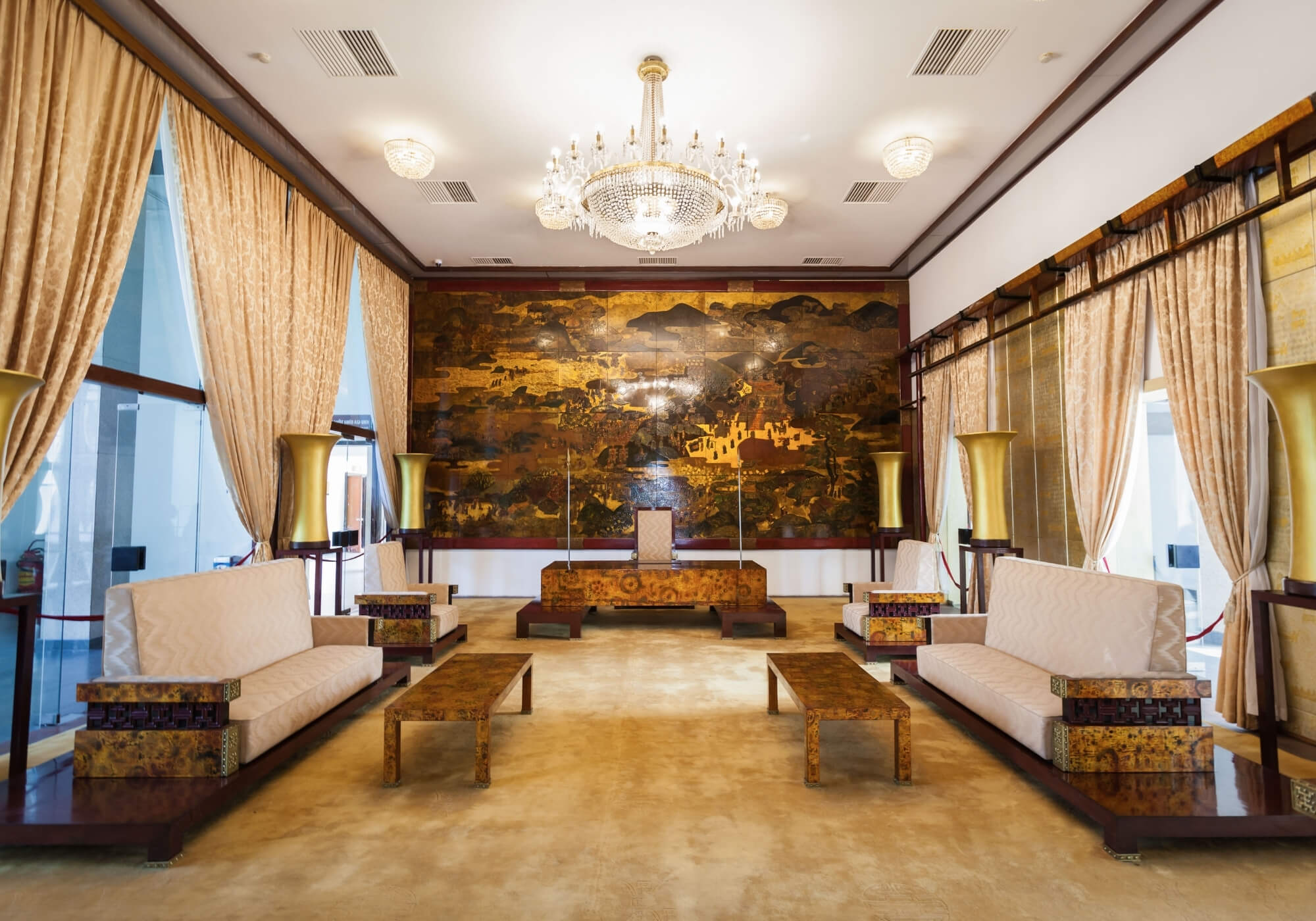
Inside, visitors can explore preserved rooms that once served the political and ceremonial functions of the presidential administration. The reception rooms, banquet hall, cabinet meeting room and presidential offices retain much of their original furnishings and décor, offering a glimpse into the official life of the former government. Large meeting spaces, period furniture, decorative artworks and historical displays help explain how the building functioned as both a workplace and a centre of state affairs.
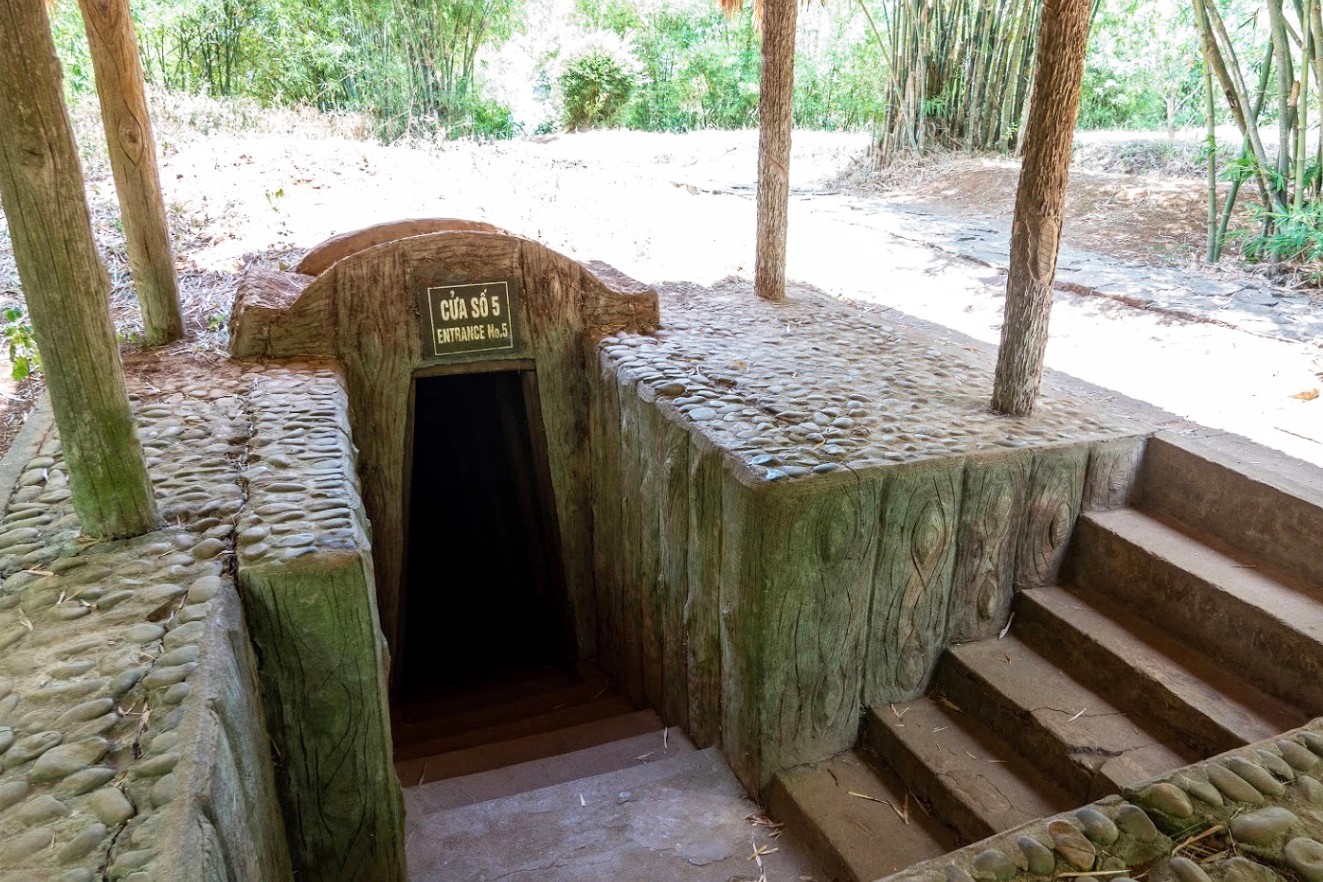
One of the most compelling sections is the underground command bunker. This network of rooms and communication facilities was used for military coordination during the final phase of the war. Maps, communications equipment and preserved working spaces reveal the practical role the palace played during a period of intense political and military change. Visitors can also see historic military vehicles displayed around the grounds, connecting the building to the events that made it internationally recognised.
Independence Palace is most closely associated with 30 April 1975, when tanks entered the palace grounds and the South Vietnamese government surrendered. The event became a defining moment in Vietnam’s modern history and gave the site its enduring association with national reunification. Today, the palace is preserved as a historical monument, allowing visitors to explore the setting and historical evidence connected with this pivotal period.
Beyond its political significance, Independence Palace is an important architectural attraction in its own right. Its modernist design, landscaped grounds and preserved interiors make it particularly interesting for visitors who appreciate architecture, design and cultural history. Exhibitions at the site also explore the building’s evolution from Norodom Palace to Independence Palace, providing context for its changing roles over more than a century.
For travellers exploring Ho Chi Minh City, Independence Palace is an essential stop for understanding the country’s 20th-century history. Its central location makes it easy to combine with nearby attractions such as the War Remnants Museum, Saigon Central Post Office and Notre-Dame Cathedral Basilica of Saigon. Allow enough time to explore both the main building and its underground facilities, as each reveals a different aspect of the site’s historical importance.s.