
Search

Overview

Location

Mainly in Cho Lon’s historic urban area, including parts of modern Binh Tay and surrounding wards, Ho Chi Minh City

Type

Historic Chinatown & Cultural Quarter

Established / Built

Developed from the 18th century

Opening Hours

The neighbourhood is accessible throughout the day. Markets, temples and individual businesses have different operating hours; mornings are particularly suitable for exploring local commerce and food culture.

Highlights

Binh Tay Market, Thien Hau Temple, Quan Am Temple, traditional Chinese assembly halls, historic alleyways, herbal medicine streets and Chinese-Vietnamese cuisine

Introduction

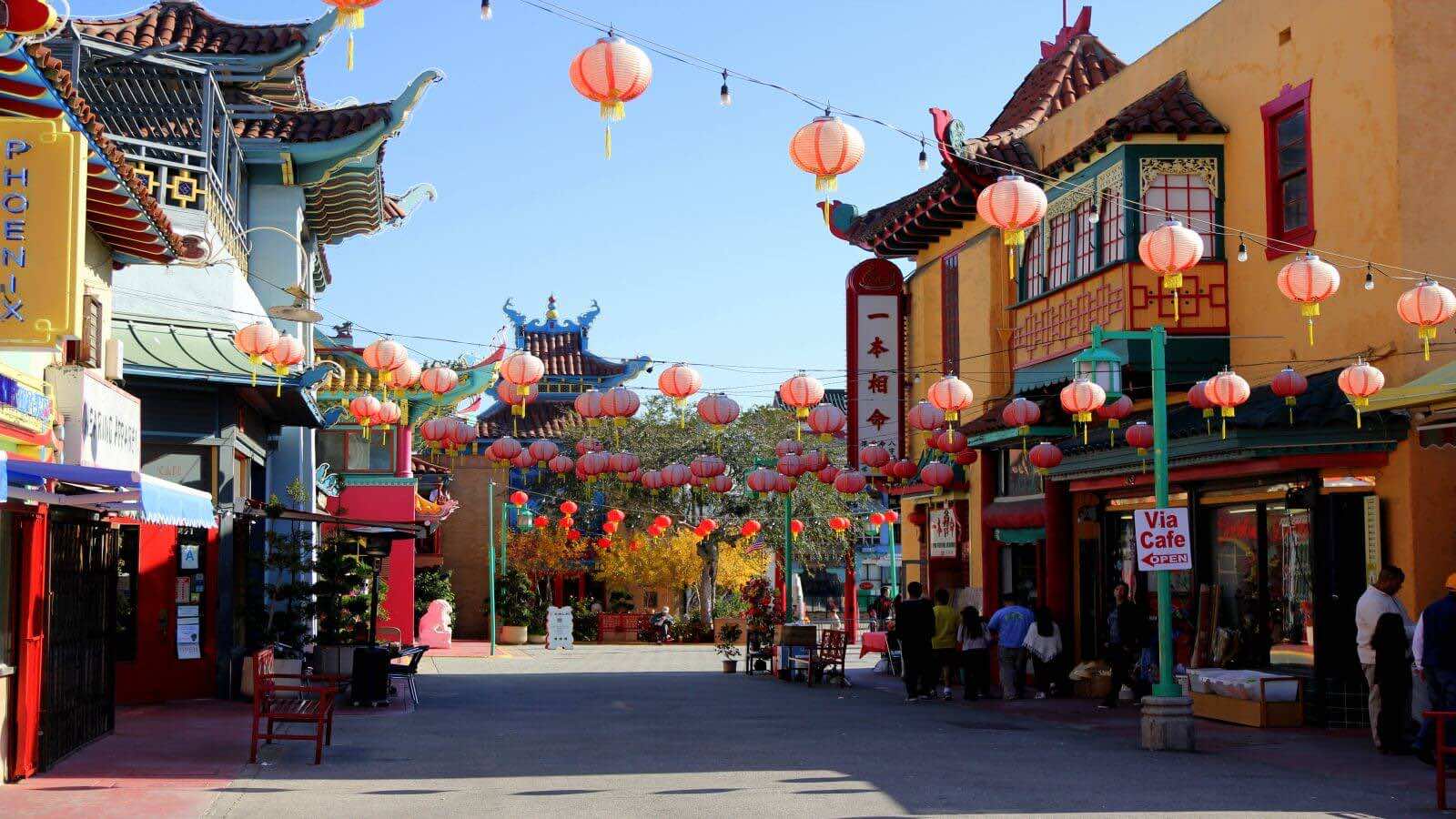
Cholon is a historic district shaped by generations of Chinese settlers who established homes, businesses, temples and community institutions in southern Vietnam. From the 18th century onwards, it developed into an important centre of trade and Chinese community life. Today, its streets retain a distinctive character, combining traditional Chinese architectural details with the everyday rhythms of a modern Vietnamese city.

One of the best ways to experience Cholon is to explore its busy market streets and quieter alleyways. Traditional shophouses, Chinese signboards, family-run businesses and specialist trading streets offer a glimpse into the neighbourhood’s commercial heritage. The pace is lively, with merchants arranging goods, customers browsing stalls and food vendors serving local residents throughout the day.

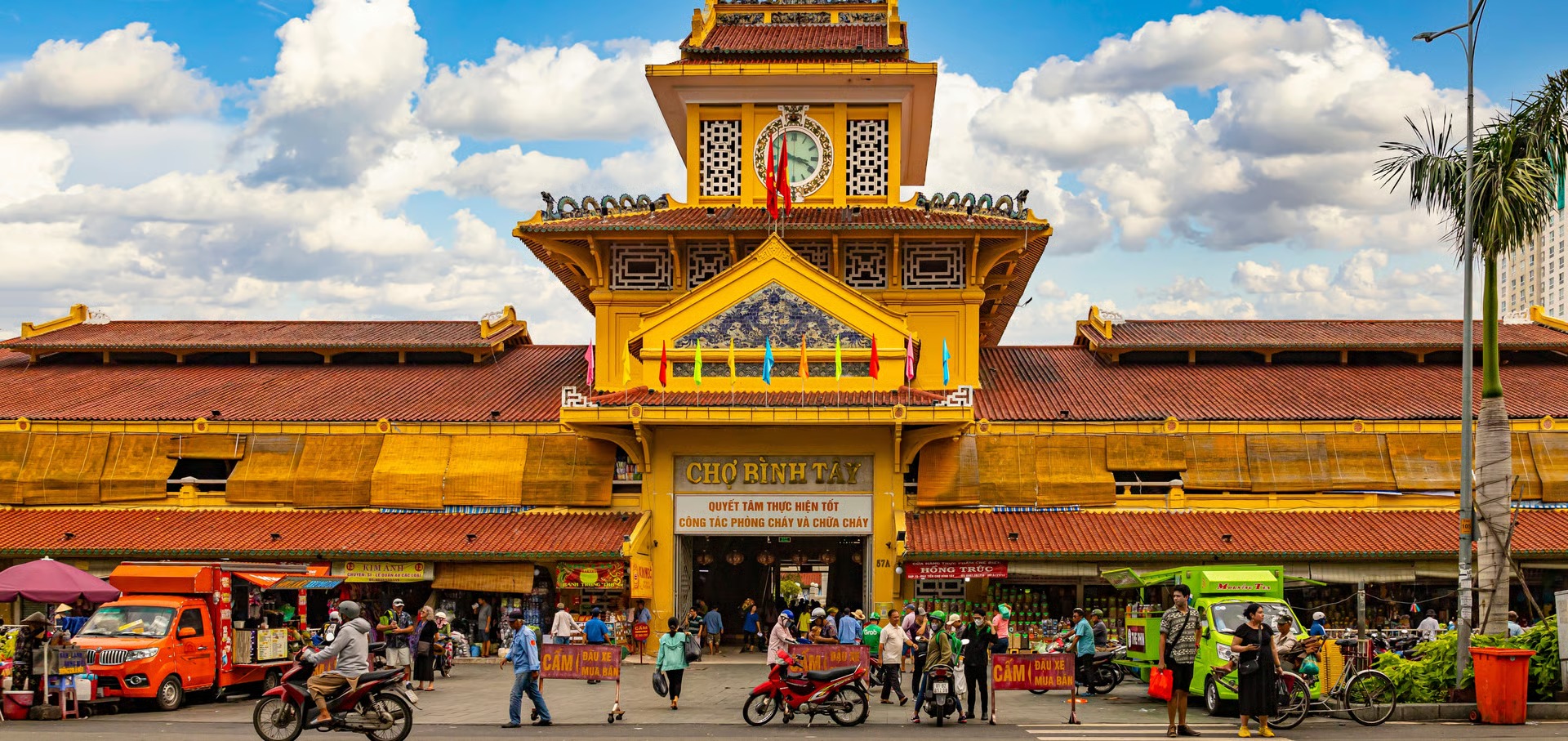
At the heart of the area’s commercial life is Binh Tay Market, a major wholesale market known for its Chinese-influenced architecture and extensive range of goods. Built in the late 1920s with funding from Chinese-Vietnamese merchant Quach Dam, the market features a distinctive entrance, tiled roofs, decorative details and a central open courtyard. Inside, traders sell spices, dried foods, household goods, fabrics and other products to retailers and customers from across the region.

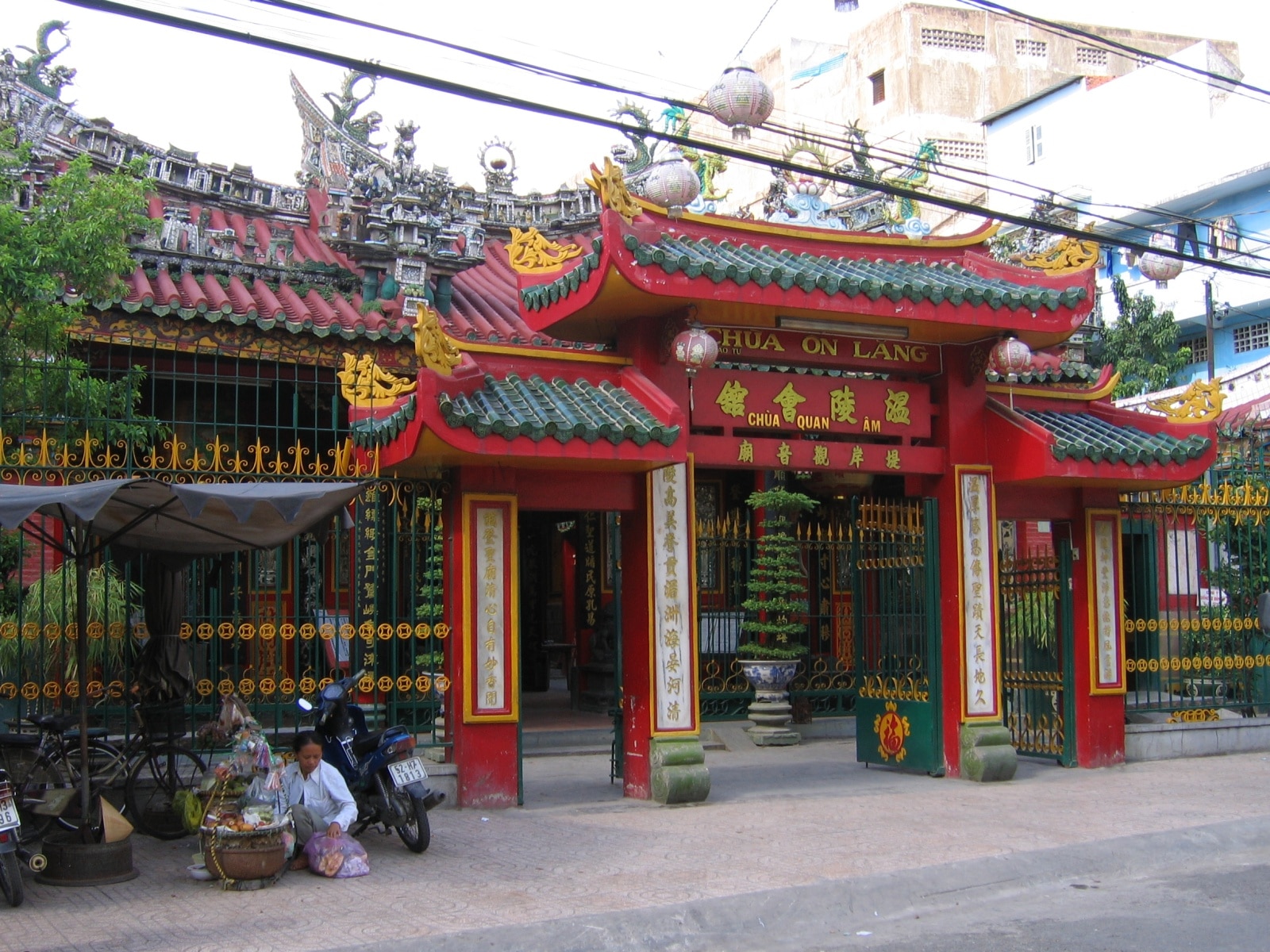
Cholon is equally notable for its religious architecture. Thien Hau Temple, dedicated to the sea goddess Mazu, is among the area’s most important historic Chinese religious sites. Its ornate altars, decorative roof details, porcelain figures and hanging incense coils create a memorable atmosphere. Nearby, Quan Am Temple and several Chinese assembly halls reflect the traditions and community ties of different Chinese groups who settled in the city. Visitors should dress respectfully and ask before photographing worshippers or religious ceremonies.

Food is an essential part of the Cholon experience. The neighbourhood is known for Chinese-Vietnamese cooking, including Cantonese dim sum, dumplings, noodle soups, roast meats and traditional sweet treats. Tea shops, street-side eateries and long-established family restaurants provide opportunities to sample dishes influenced by generations of cultural exchange. The surrounding streets also include specialist shops selling Chinese herbs, dried ingredients and traditional food products.

Beyond its major landmarks, Cholon rewards visitors who take time to wander through its narrow lanes and older residential areas. Places such as Hao Sy Phuong alley offer a different perspective from the busy main roads, with traditional housing, shared walkways and a close-knit neighbourhood atmosphere. These smaller streets help illustrate how Cholon remains a living community rather than simply a historic tourist district.

Other Tourist Attractions

Ho Chi Minh City

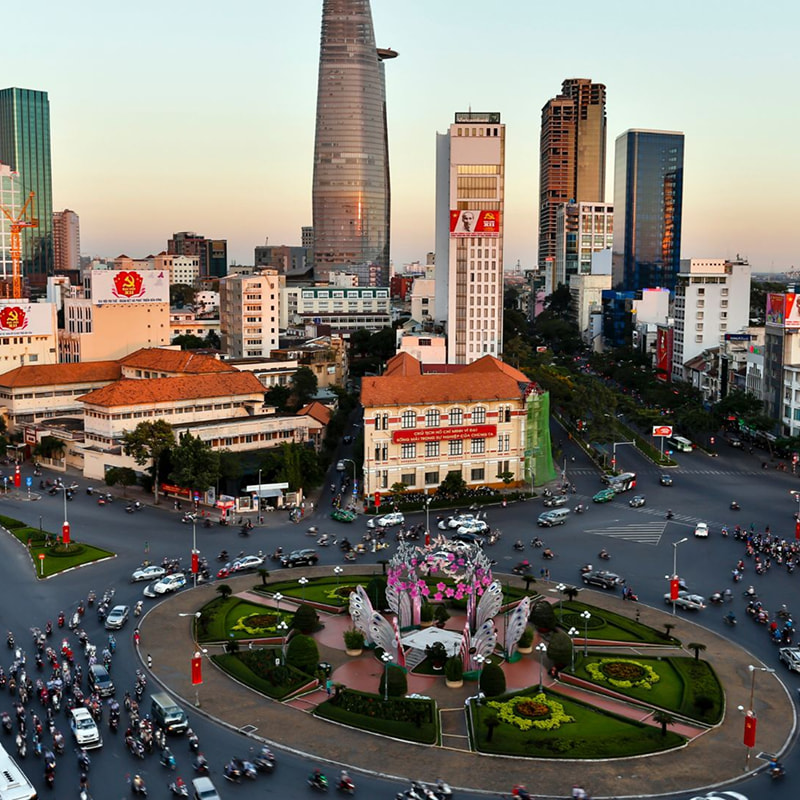
Discover a city where historic landmarks, vibrant street life and contemporary energy come together, offering an unforgettable introduction to the culture, cuisine and contrasts of southern Vietnam.

SEE MORE arrow_right_alt

A O Show

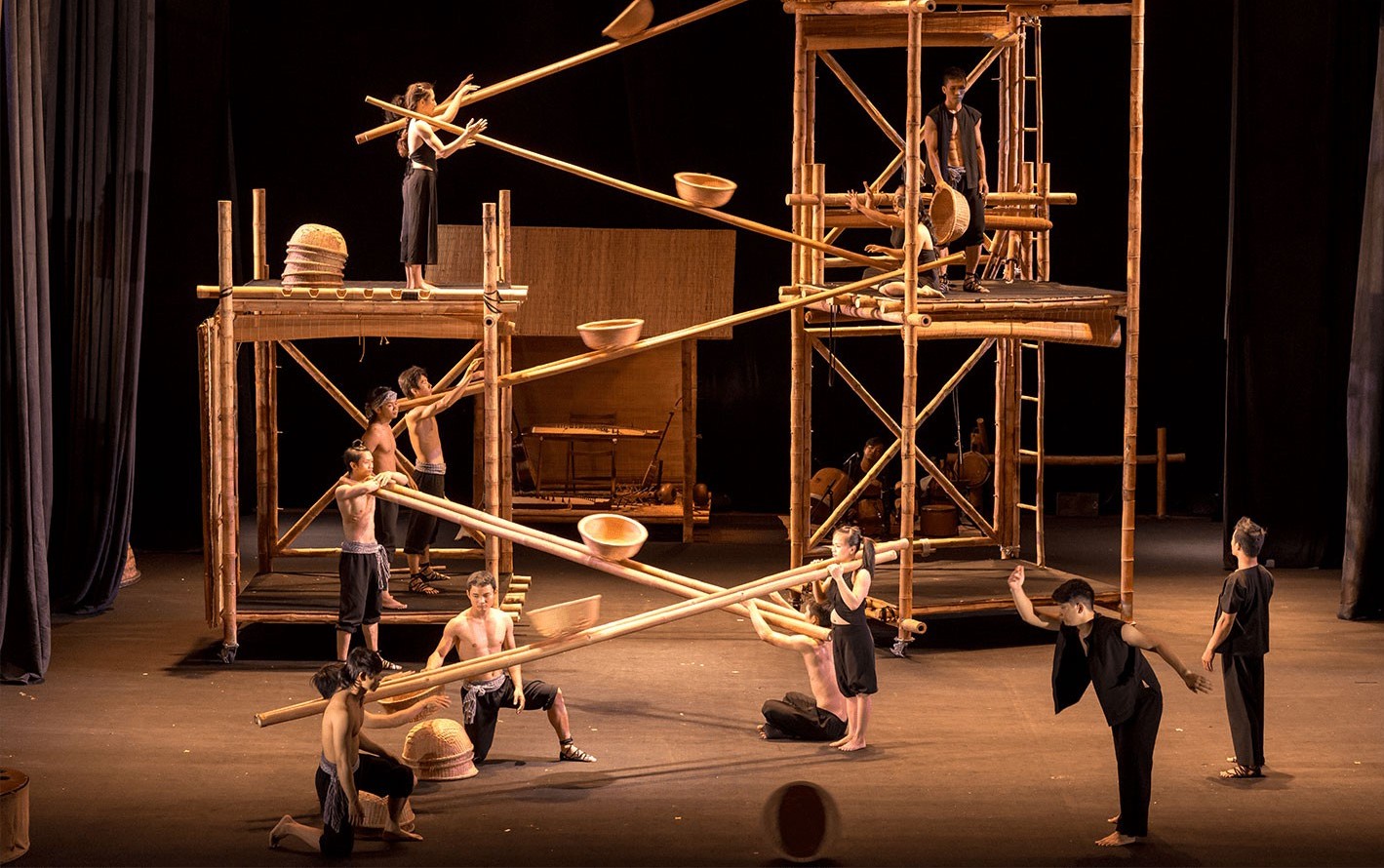
Experience the spirit of Vietnam through a spectacular fusion of bamboo acrobatics, live traditional music and contemporary theatre, performed in one of Ho Chi Minh City’s most beautiful historic venues.

SEE MORE arrow_right_alt

Cu Chi Tunnels

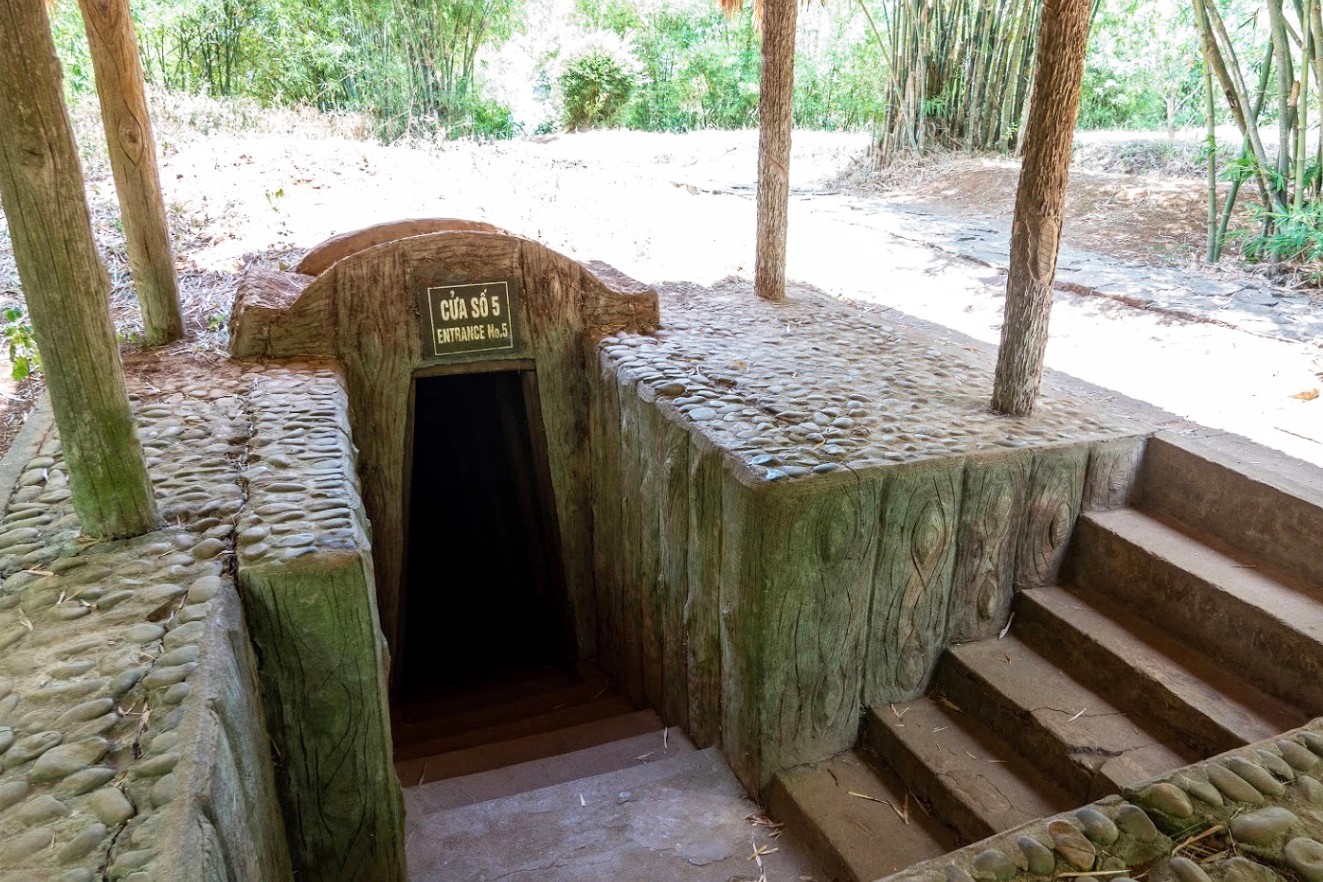
Step into one of Vietnam’s most extraordinary wartime legacies, where an extensive underground tunnel network reveals the ingenuity, resilience and daily struggles of those who lived and fought beneath the ground.
SEE MORE arrow_right_alt
chat