
Tay Ninh
Discover a distinctive corner of southern Vietnam, where sacred mountain landscapes, colourful religious architecture, peaceful lakes and rich local traditions create a rewarding escape from the city.
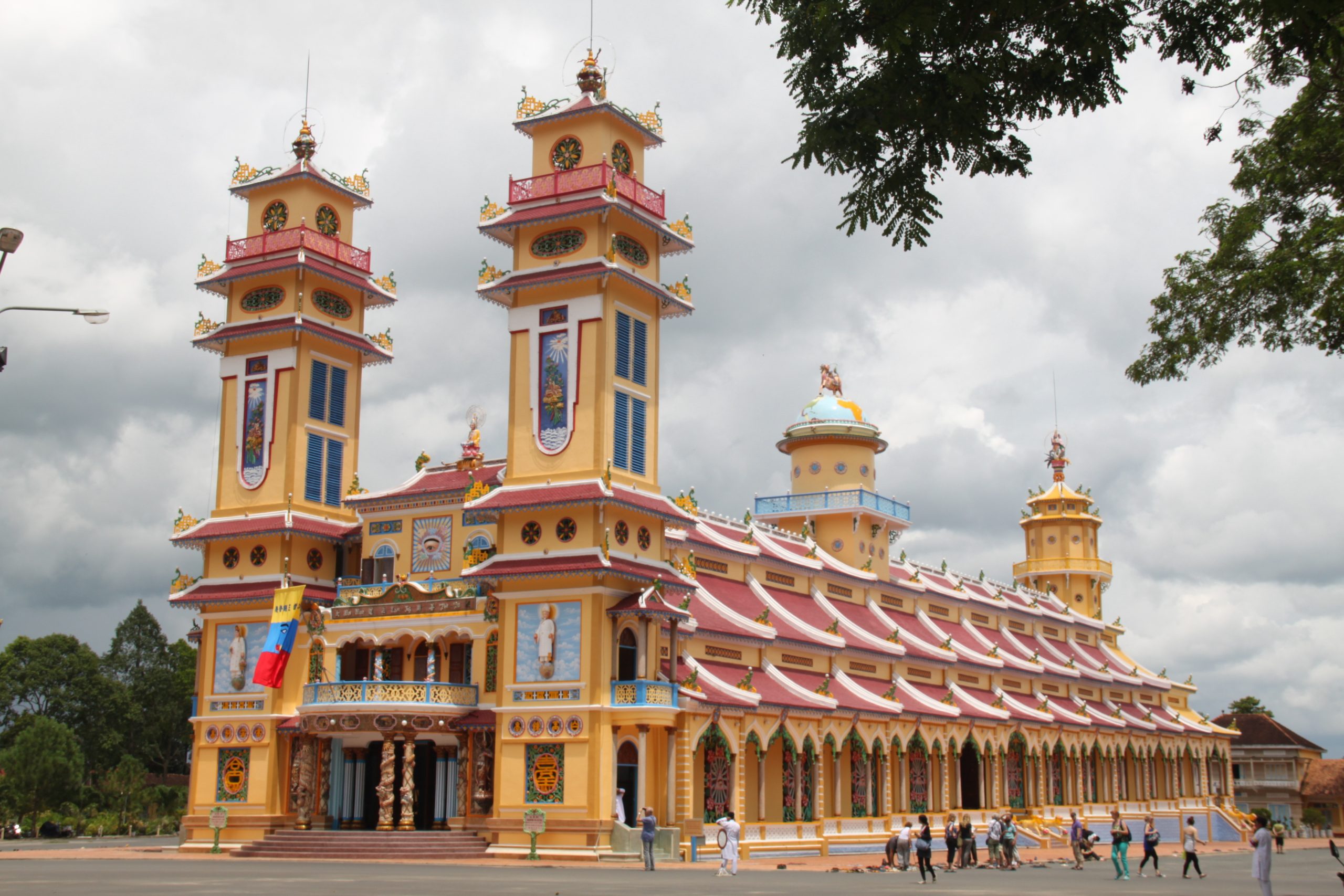
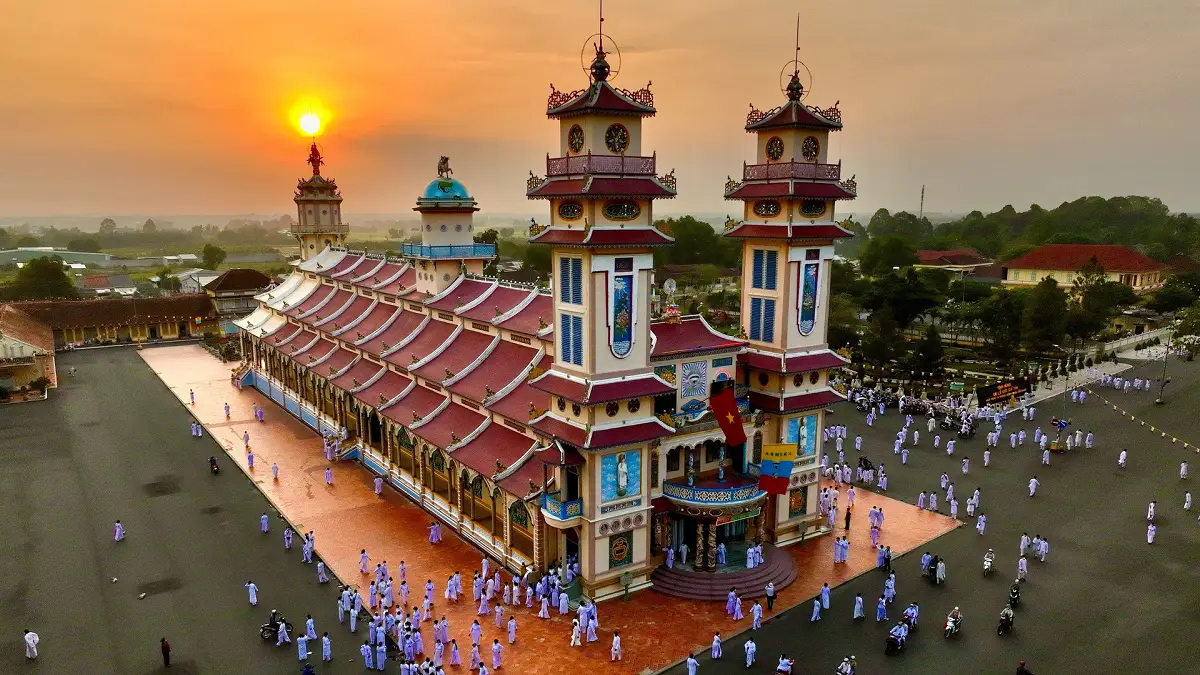
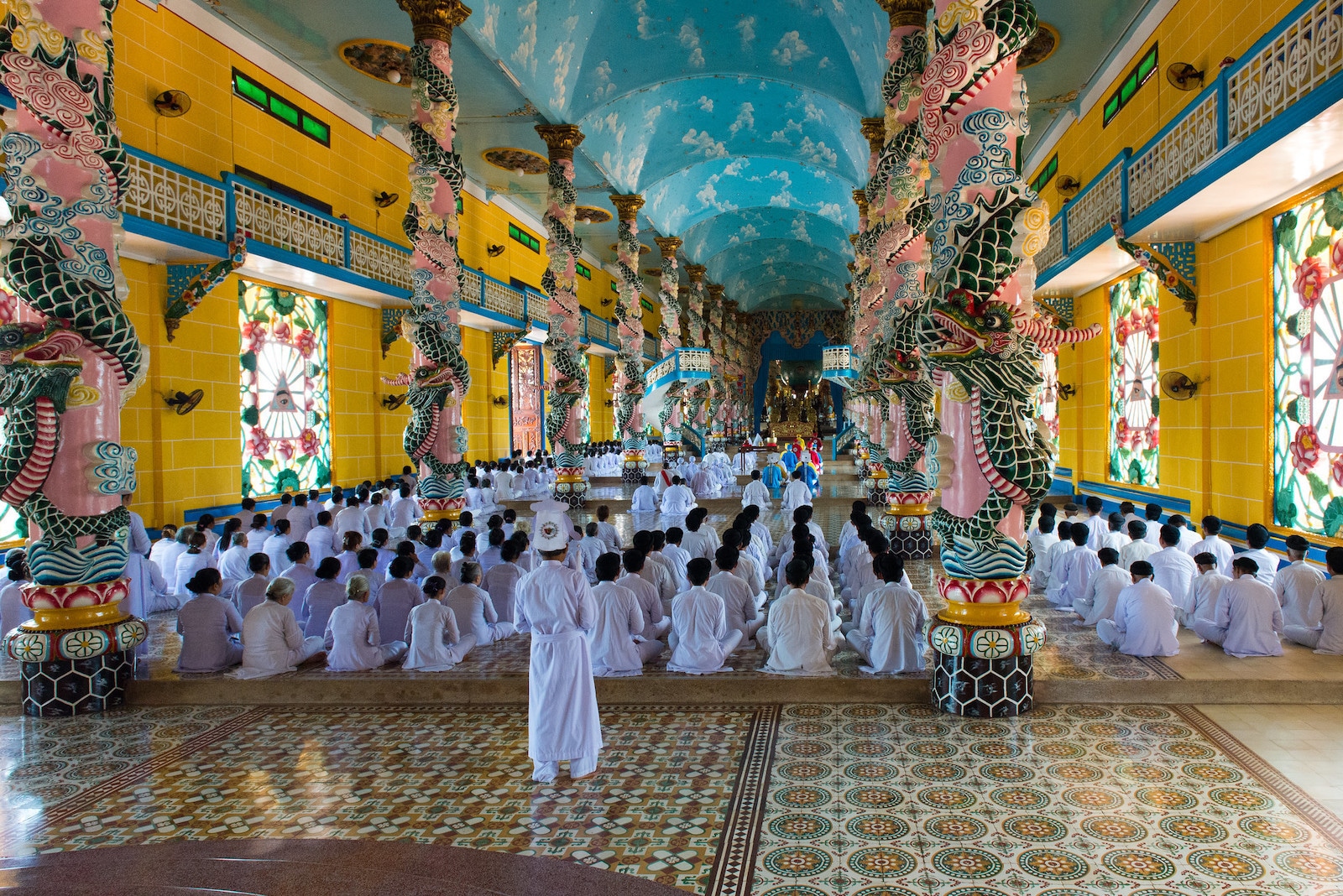
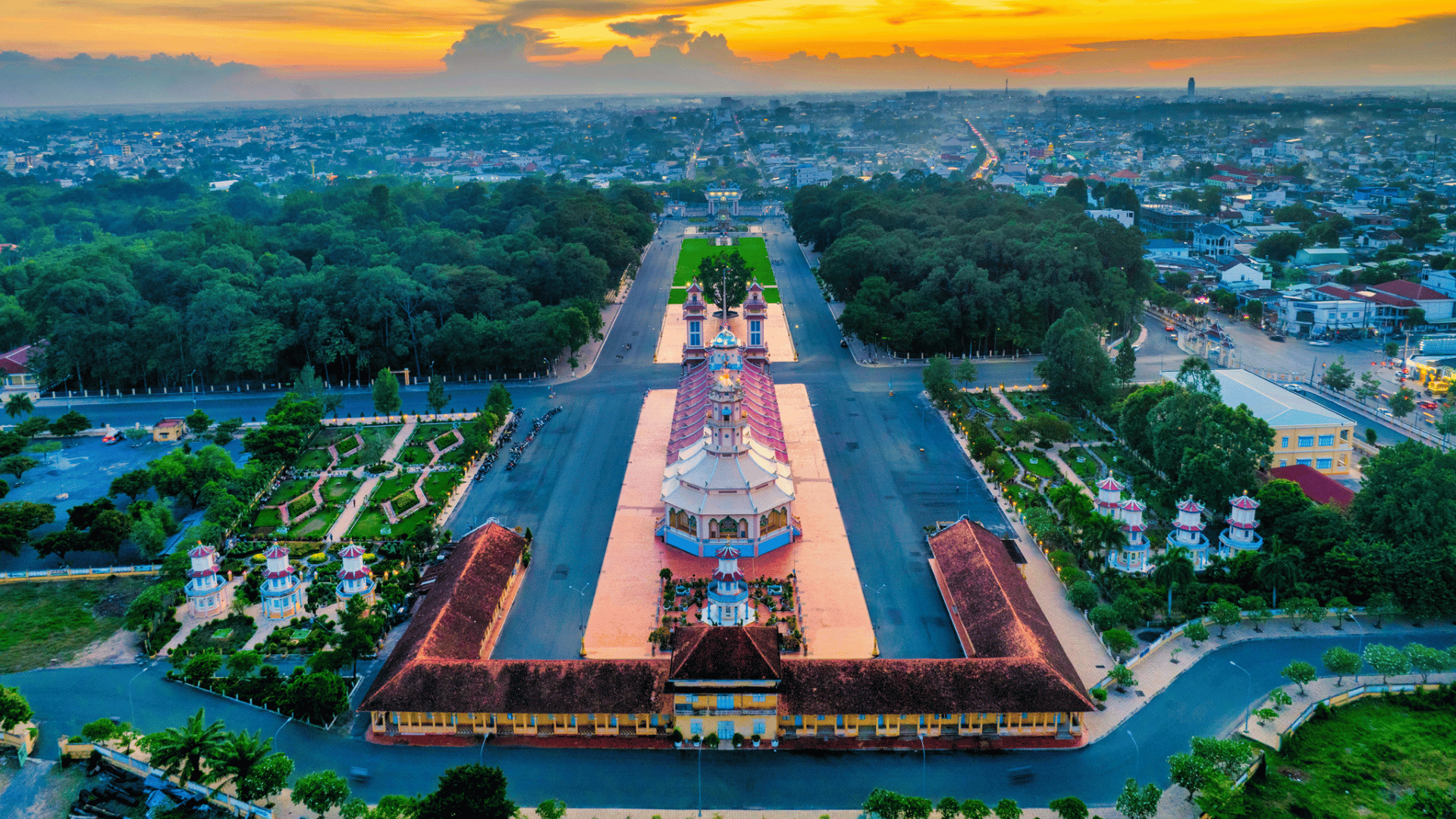
The Cao Dai Holy See is the principal religious centre of Caodaism, a faith founded in southern Vietnam that draws on elements of several religious and philosophical traditions. Located near Tay Ninh City, the complex is renowned for its colourful architecture, elaborate decorations and ceremonial worship.
Long Hoa Ward, Tay Ninh Province
Religious Sanctuary & Cultural Heritage Site
Construction began in 1933; the main temple was completed in 1955
The grounds are generally accessible during the day. Prayer ceremonies are commonly held at 6:00 AM, noon, 6:00 PM and midnight
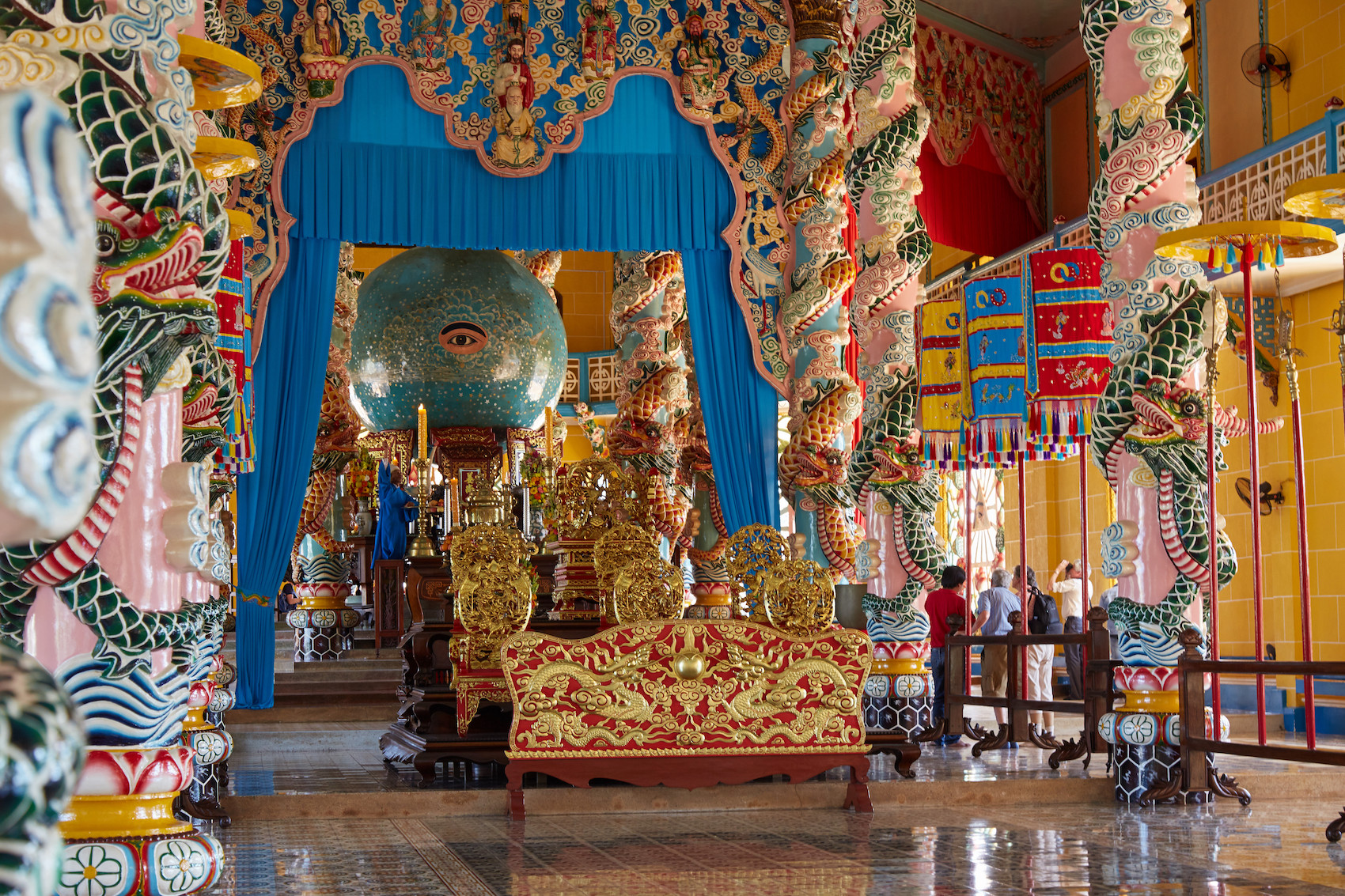
Colourful façade, dragon-adorned columns, Divine Eye symbol, ornate sanctuary and daily religious ceremonies
Discover a distinctive corner of southern Vietnam, where sacred mountain landscapes, colourful religious architecture, peaceful lakes and rich local traditions create a rewarding escape from the city.
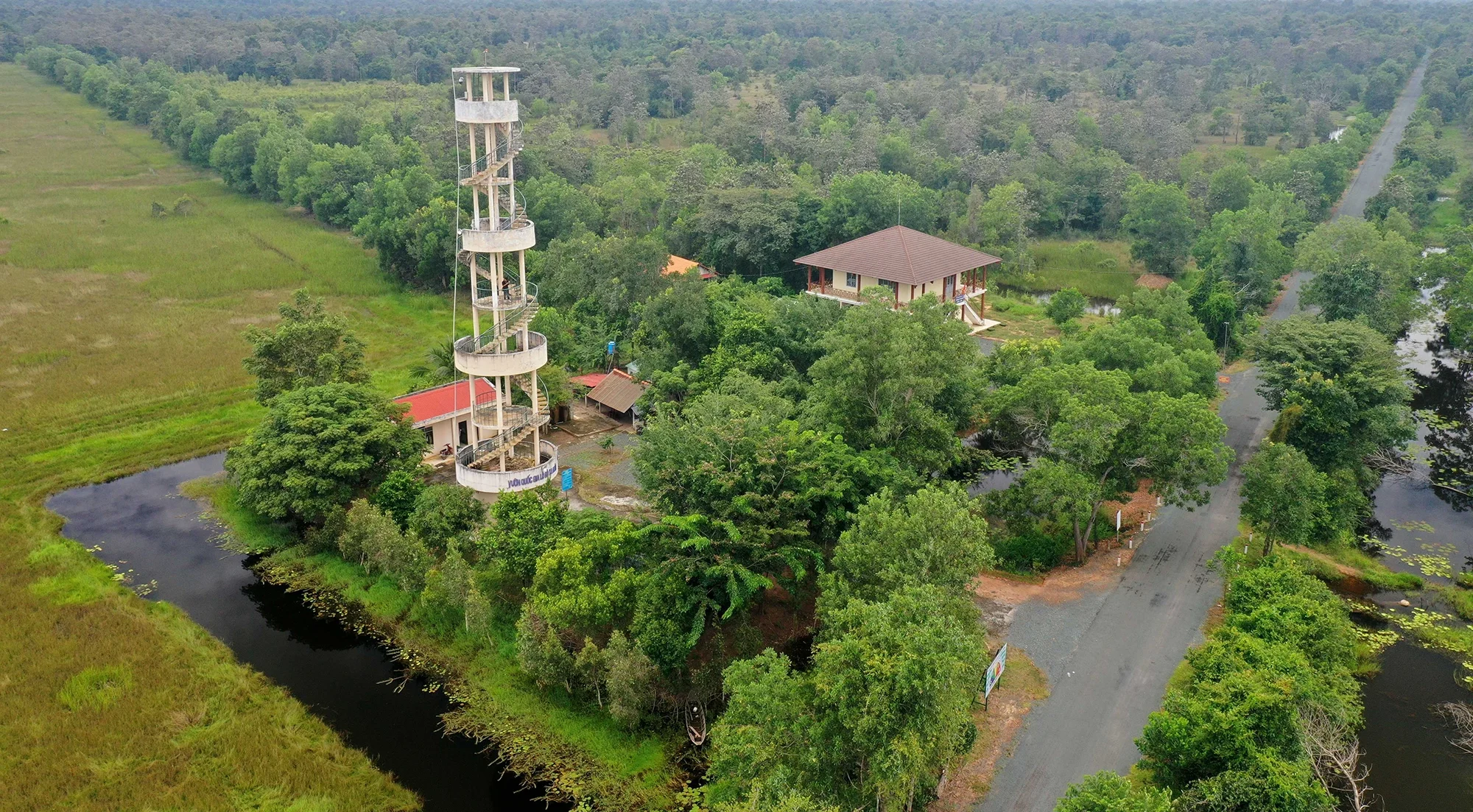
Venture into the quiet wilderness of southern Vietnam, where seasonal wetlands, ancient forests and rich birdlife reveal the remarkable biodiversity of the country’s borderland landscapes.
Escape to the tranquil waters of Dau Tieng Lake, where open horizons, distant mountains and quiet countryside offer a refreshing retreat from the bustle of southern Vietnam’s cities.