

Dong Nai
Escape into the green heart of southern Vietnam, where ancient forests, tranquil lakes, scenic mountains and distinctive local cultures create rewarding experiences beyond the busy cities.
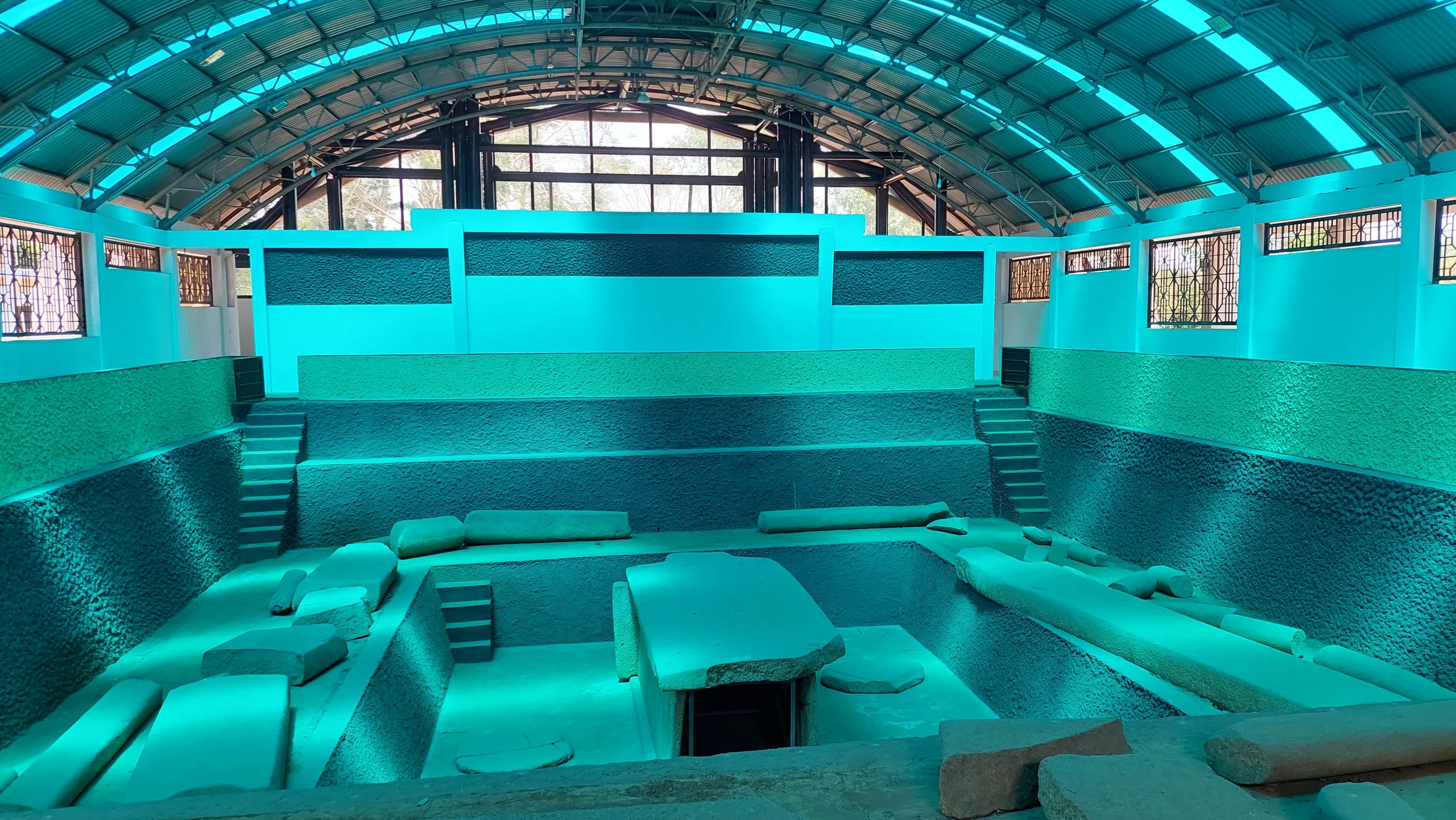
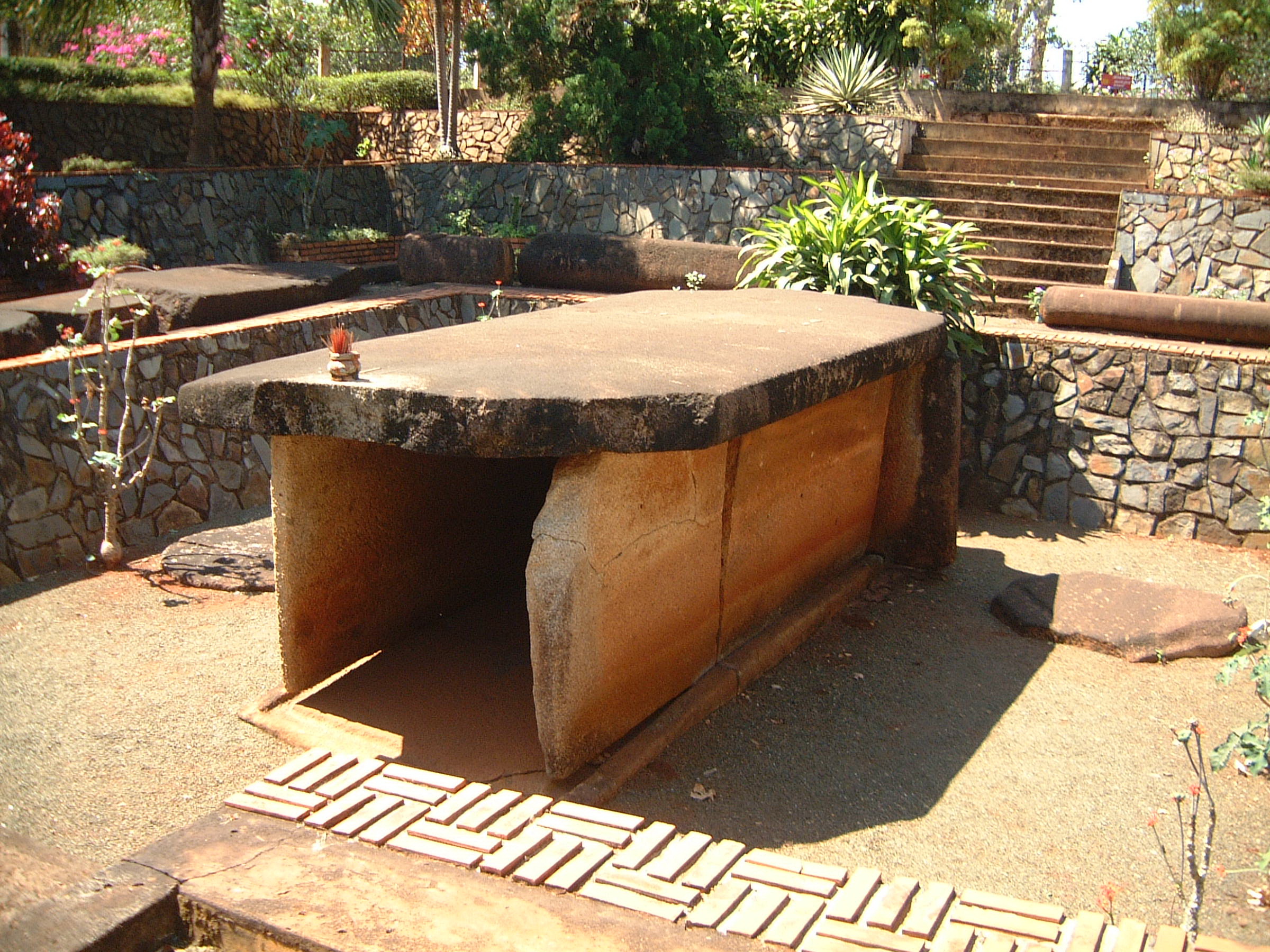
Hang Gon Ancient Tomb is a remarkable megalithic burial monument and a Special National Relic of Vietnam. Its enormous granite blocks and sophisticated construction make it an important site for understanding the region’s ancient history.
Hang Gon Ward, Dong Nai Province
Archaeological Site & Megalithic Tomb
Dating to approximately the 2nd century BC–3rd century AD; discovered in 1927
Check with the site management for current visiting hours.
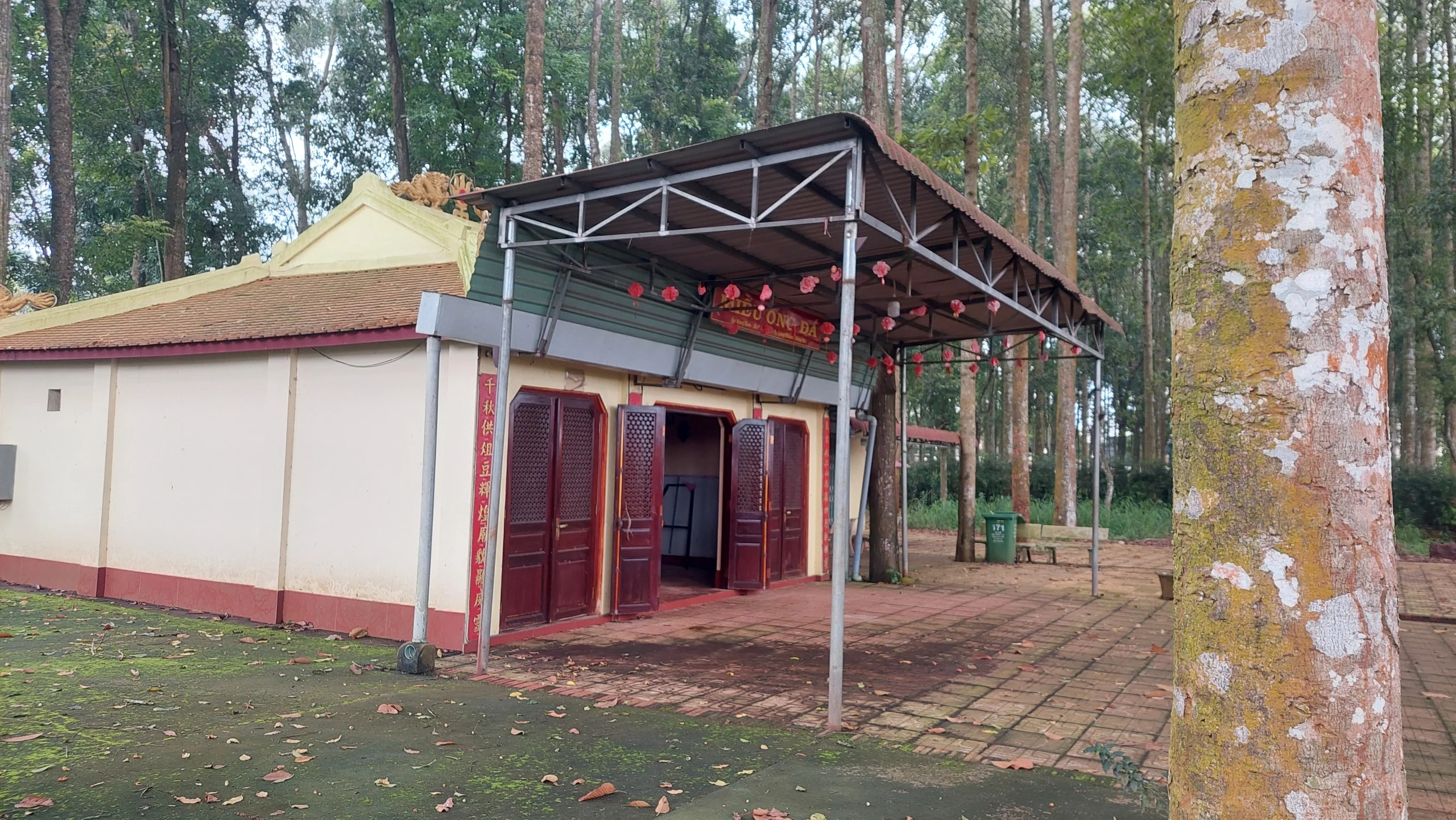
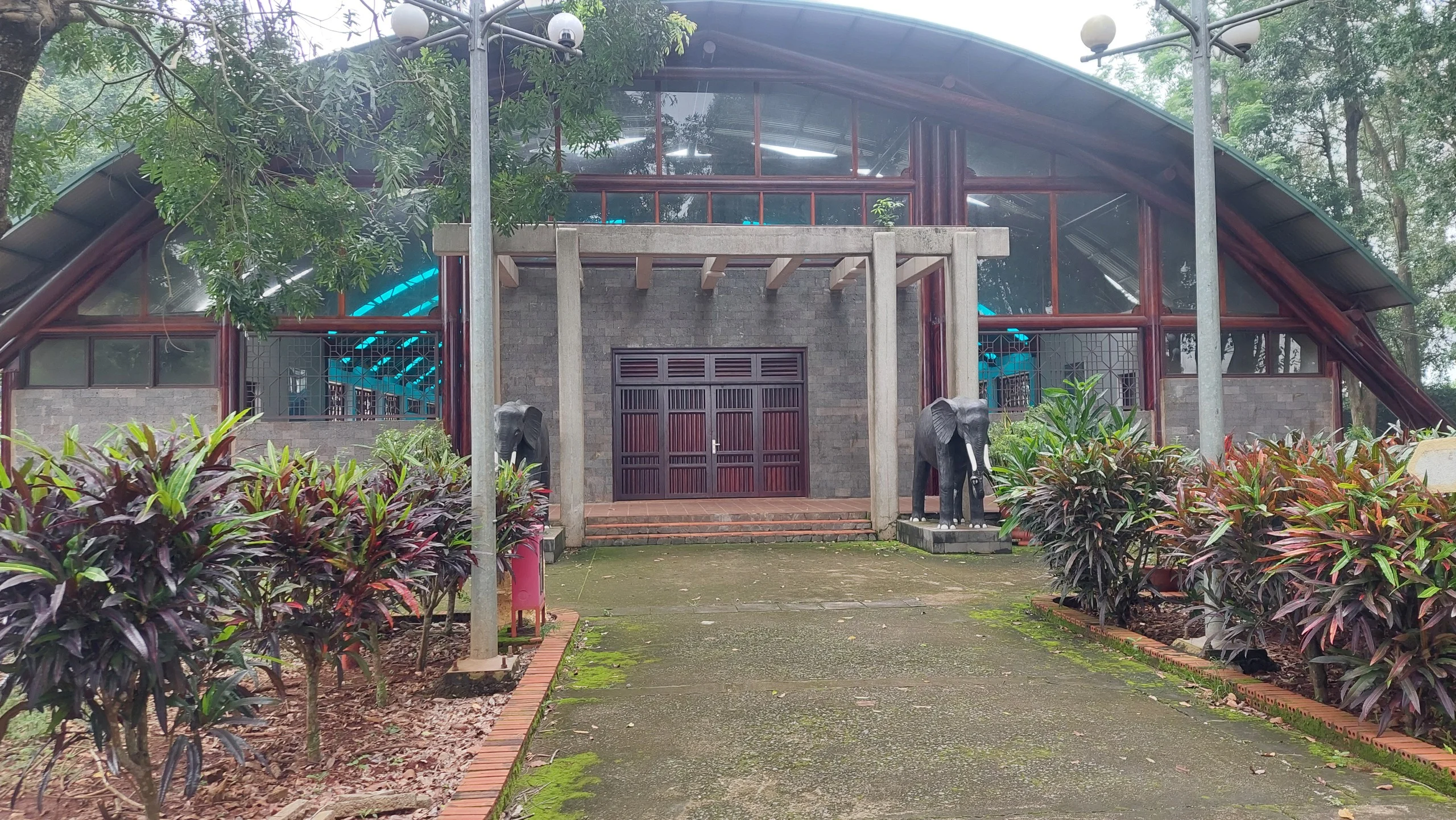
Monumental granite tomb, ancient stone pillars, archaeological remains and the Ong Da shrine
Escape into the green heart of southern Vietnam, where ancient forests, tranquil lakes, scenic mountains and distinctive local cultures create rewarding experiences beyond the busy cities.
Venture deep into pristine forests, follow winding streams and discover rare wildlife in a remote wilderness where southern Vietnam’s rich biodiversity meets the enduring traditions of indigenous communities.
Escape to a lush riverside retreat where refreshing water activities, open green spaces and the laid-back charm of southern Vietnam create the perfect outdoor getaway.