
Hue
Discover the legacy of Vietnam’s last royal dynasty, from majestic imperial palaces and serene royal tombs to elegant garden houses and the gentle flow of the Perfume River.
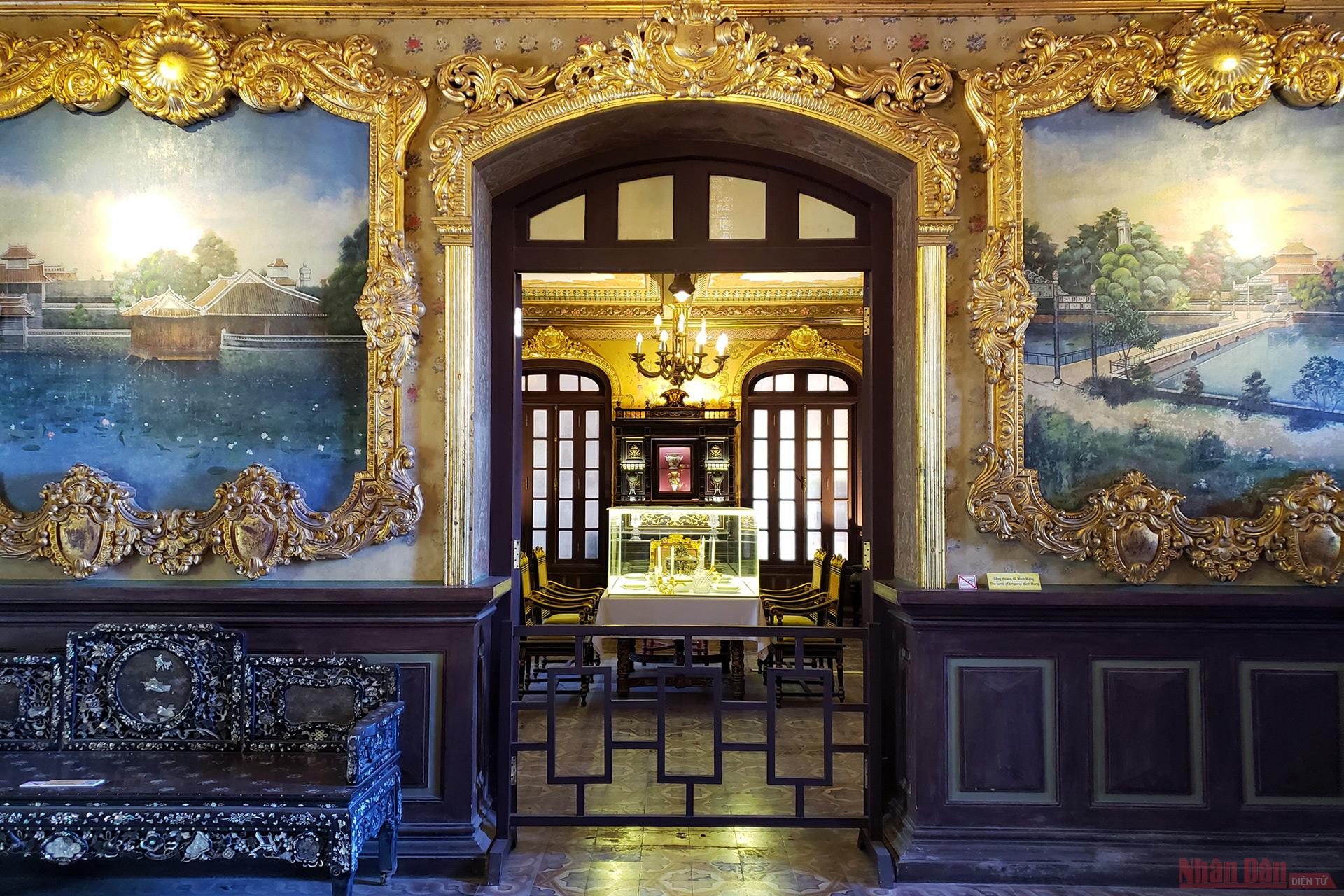
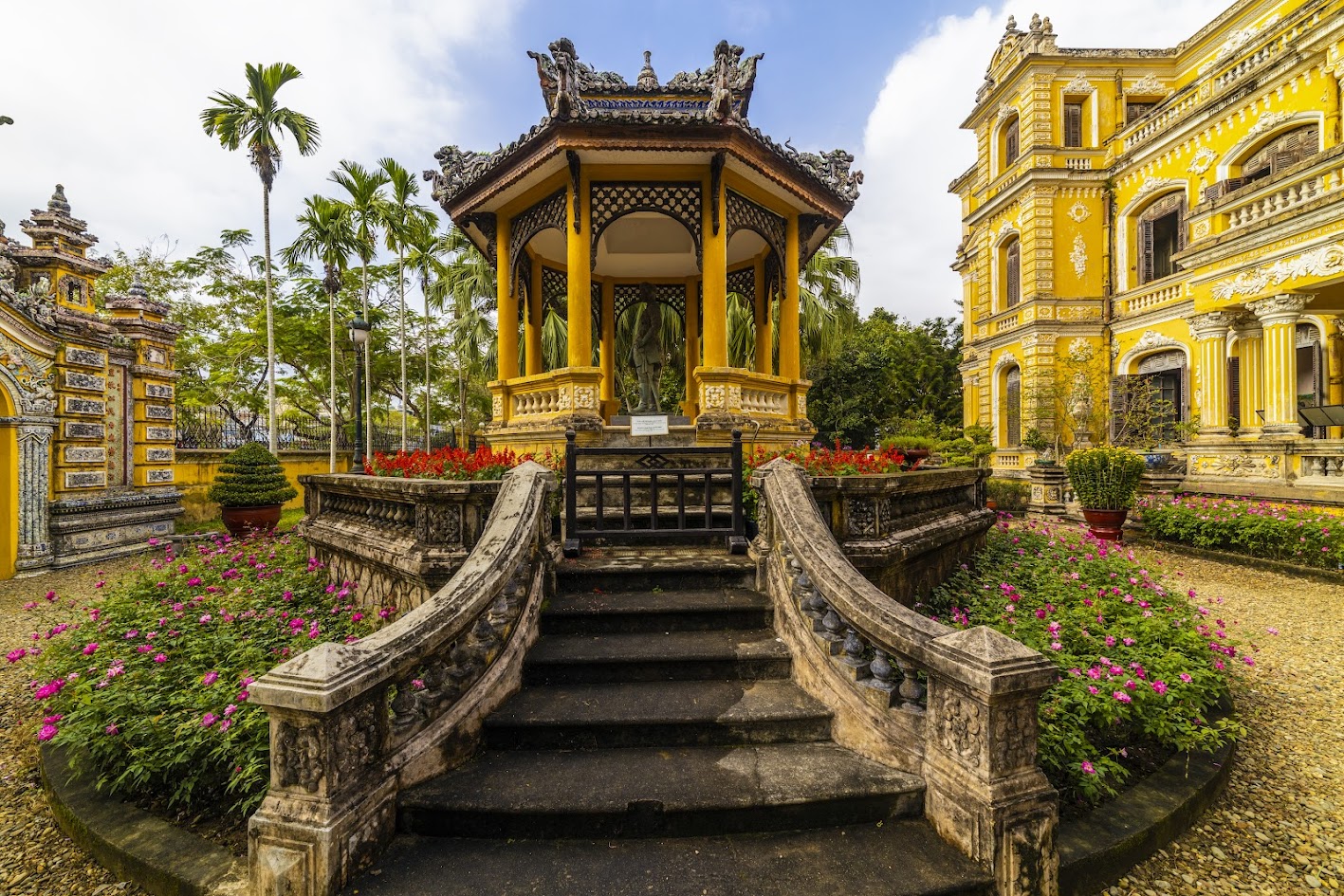
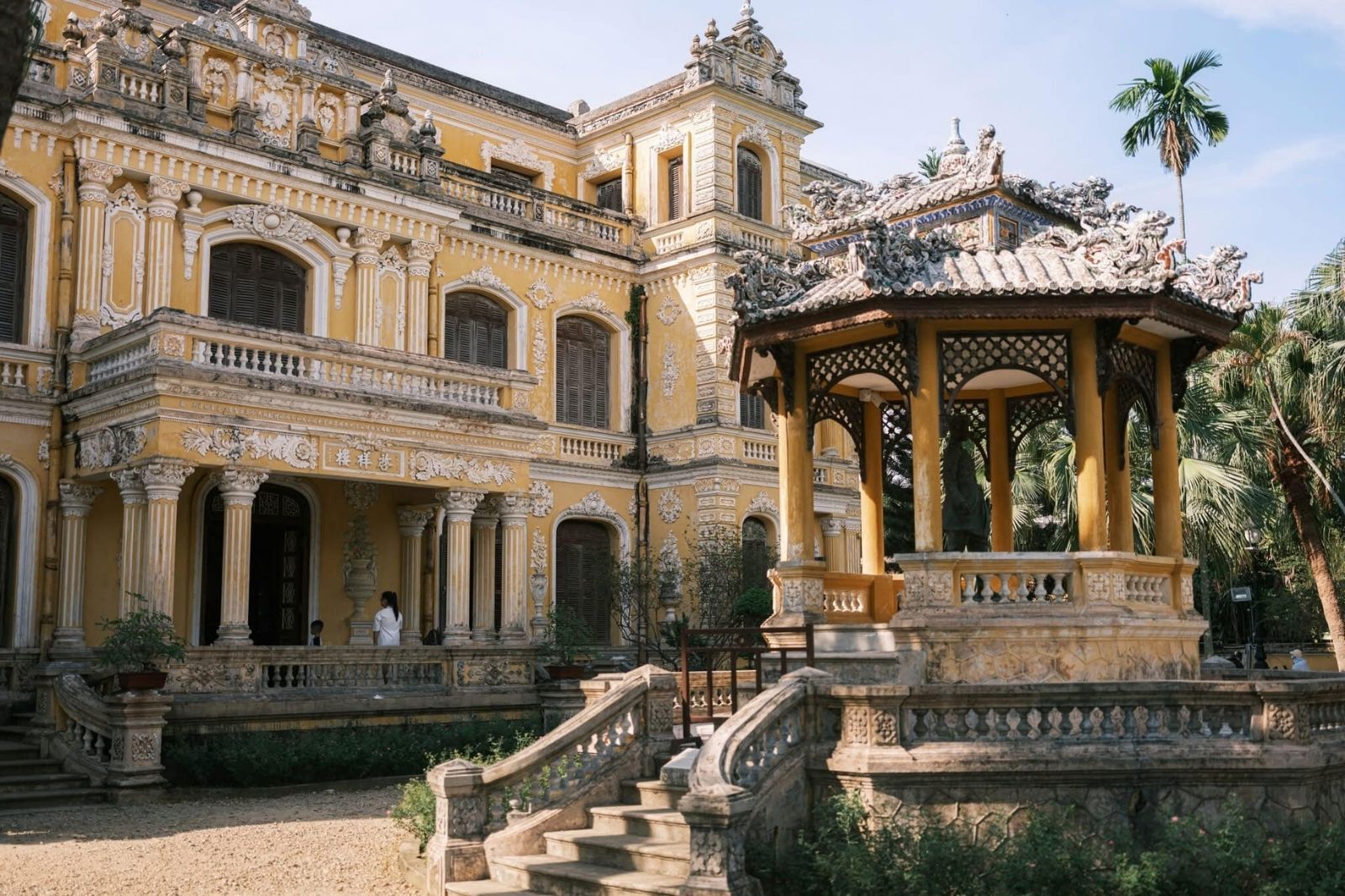
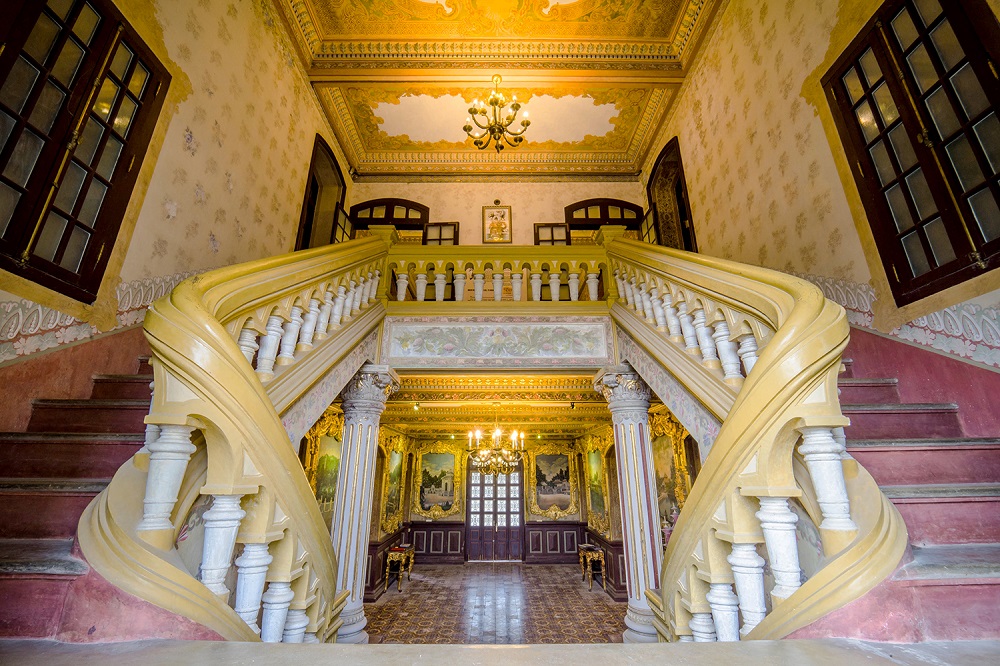
An Dinh Palace is a historic royal residence on the banks of the An Cuu River in Hue. Originally established in 1902 and extensively remodelled in 1917 under Emperor Khai Dinh, the palace is known for its blend of European architectural influences and traditional Vietnamese decorative art. It forms part of the Complex of Hue Monuments, a UNESCO World Heritage Site.
97 Phan Dinh Phung Street, Phu Nhuan Ward, Hue City
Royal Palace and Historic Architectural Site
1902; remodelled in 1917
Generally 7:00 AM–5:00 PM daily
Khai Tuong Pavilion, Trung Lap Pavilion, ornate interior murals, decorative mosaics and royal-era architecture
Discover the legacy of Vietnam’s last royal dynasty, from majestic imperial palaces and serene royal tombs to elegant garden houses and the gentle flow of the Perfume River.
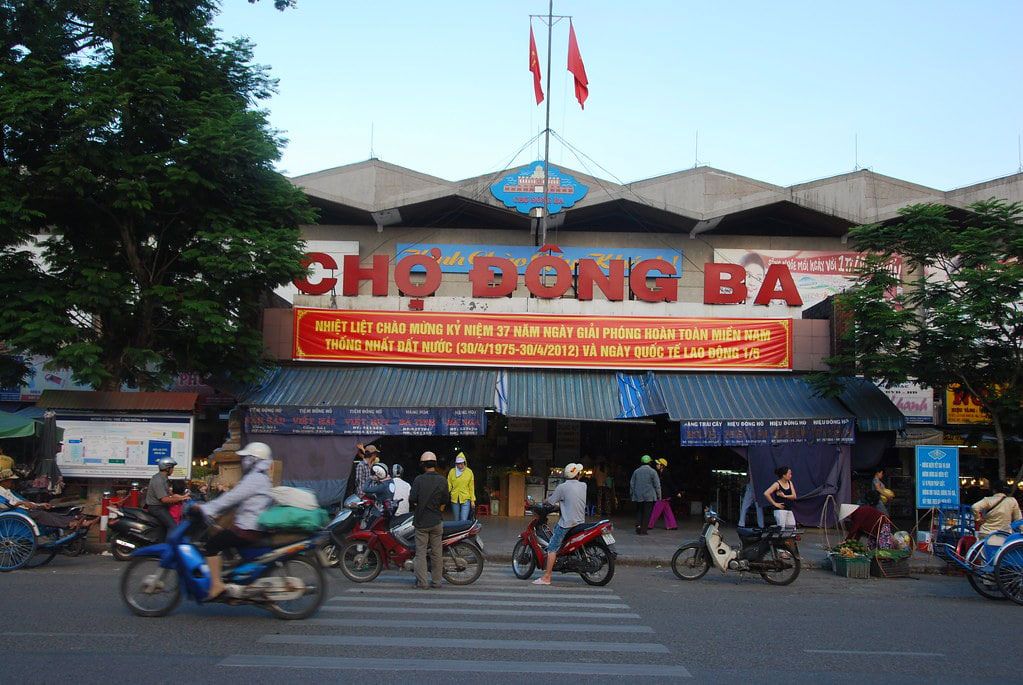
Experience the lively rhythms of everyday Hue through a historic marketplace filled with regional delicacies, traditional handicrafts and the flavours of Vietnam’s former imperial capital.
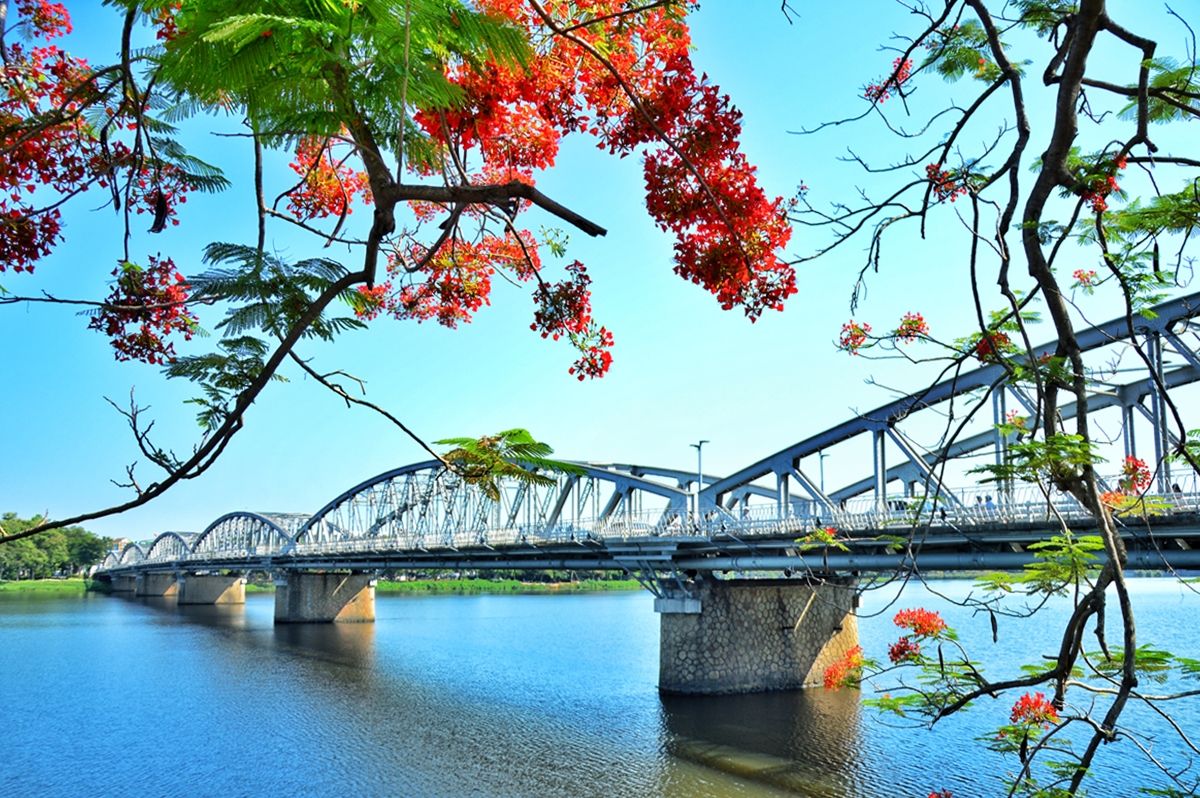
Follow the gentle flow of the Perfume River through Hue, where historic pagodas, elegant bridges and royal heritage create one of Vietnam’s most evocative riverside landscapes.