
Hue
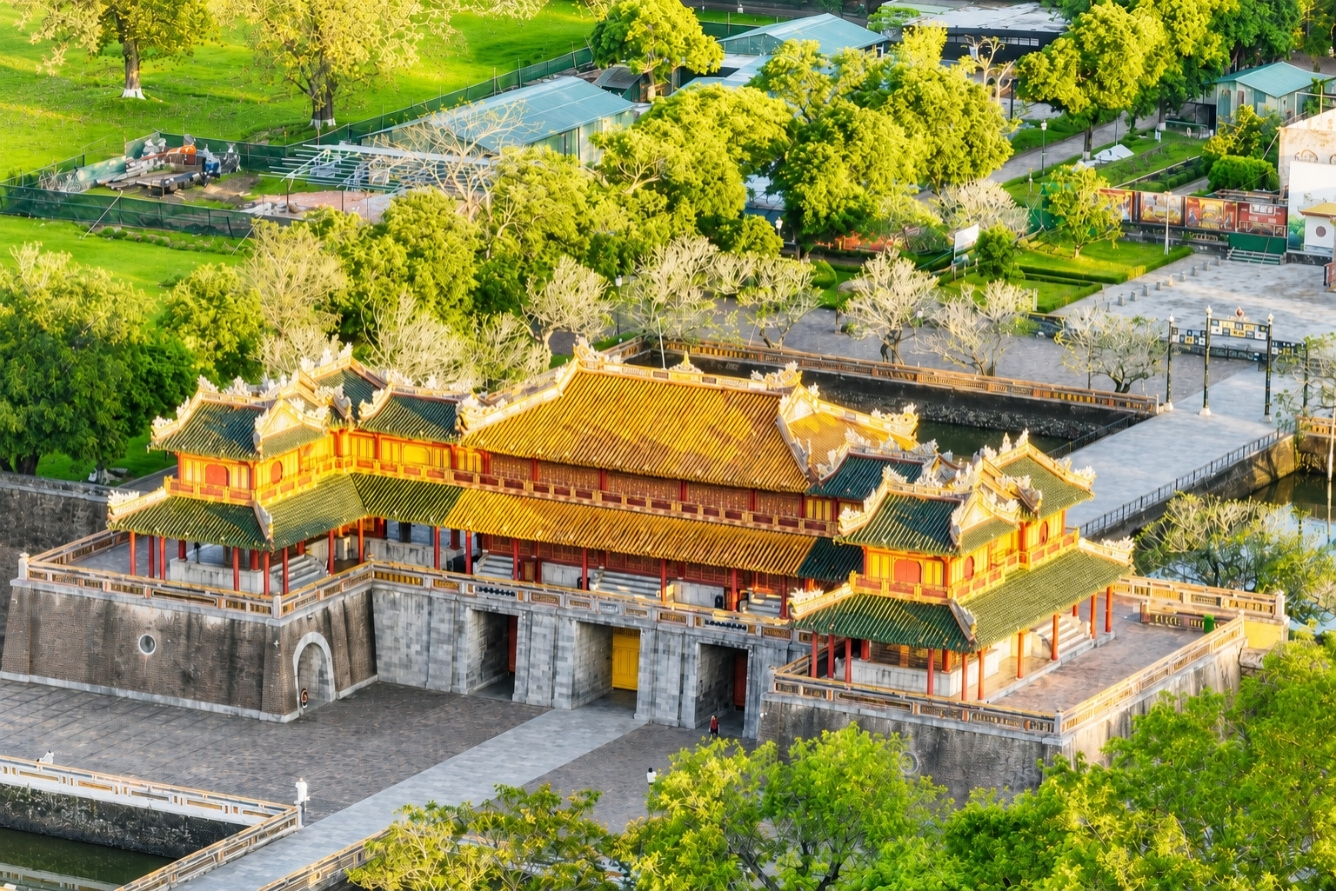
Discover the legacy of Vietnam’s last royal dynasty, from majestic imperial palaces and serene royal tombs to elegant garden houses and the gentle flow of the Perfume River.
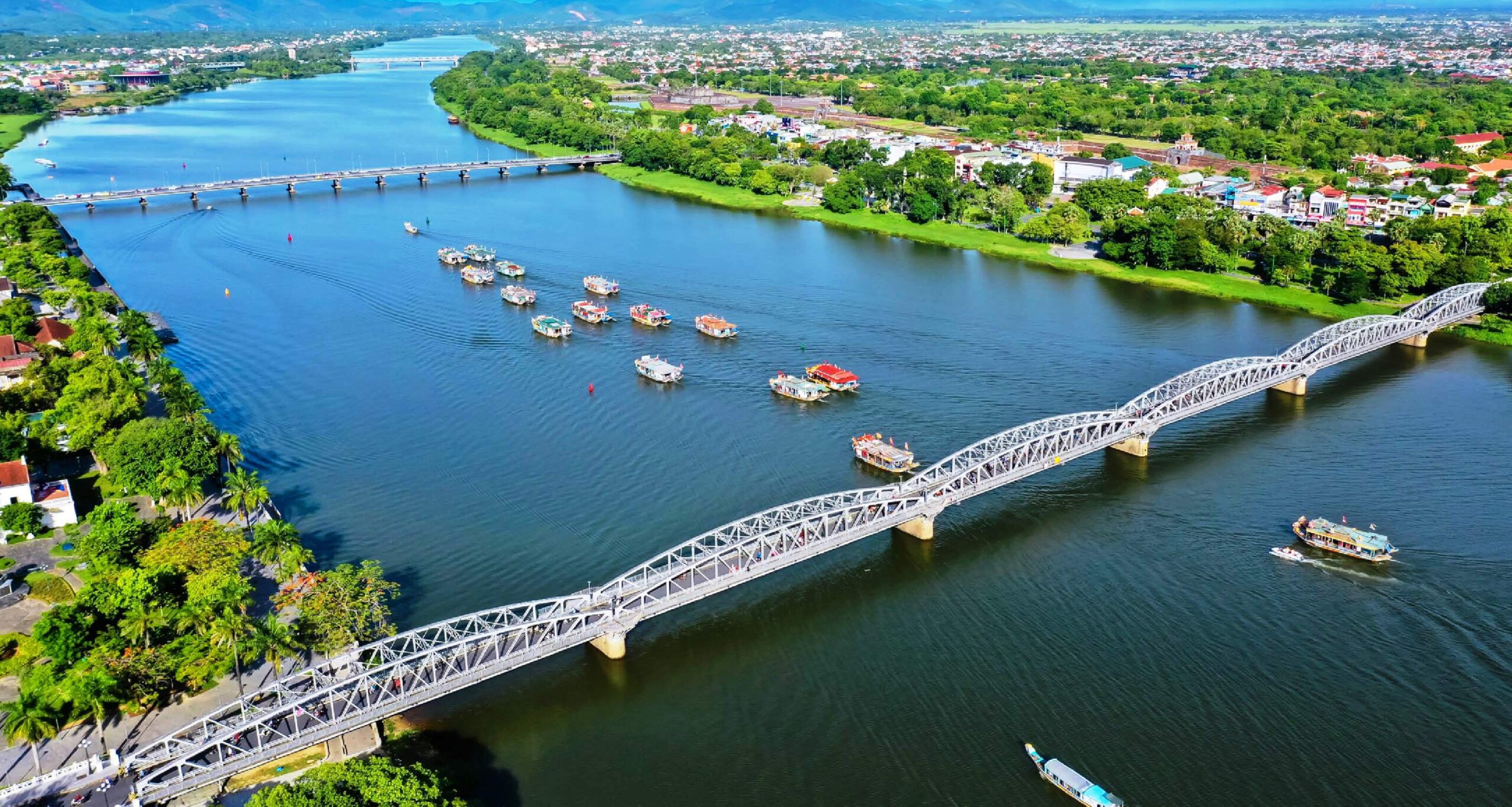
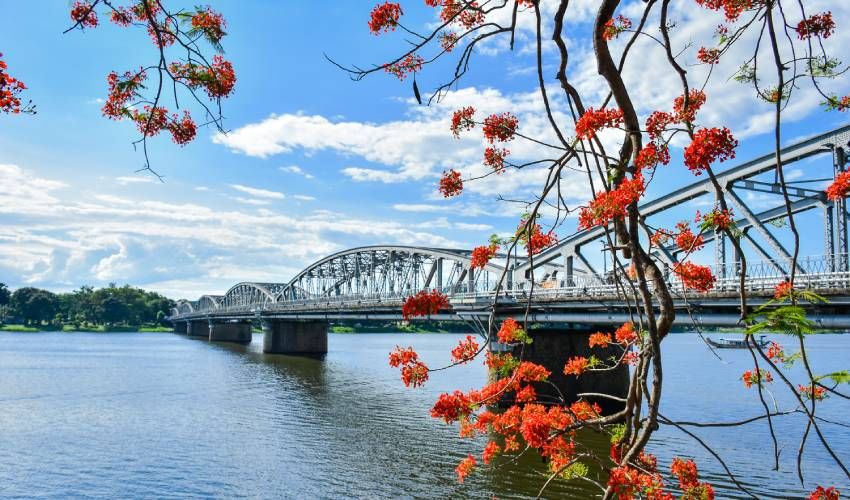
The Perfume River, known in Vietnamese as Song Huong, flows from the Truong Son mountain range through Hue before reaching the Tam Giang lagoon system. Stretching approximately 80 km, it is closely associated with Hue’s imperial history, cultural identity and celebrated scenic beauty.
Phu Xuan and Thuan Hoa Wards, Hue City
Natural River and Cultural Landscape
Natural river system
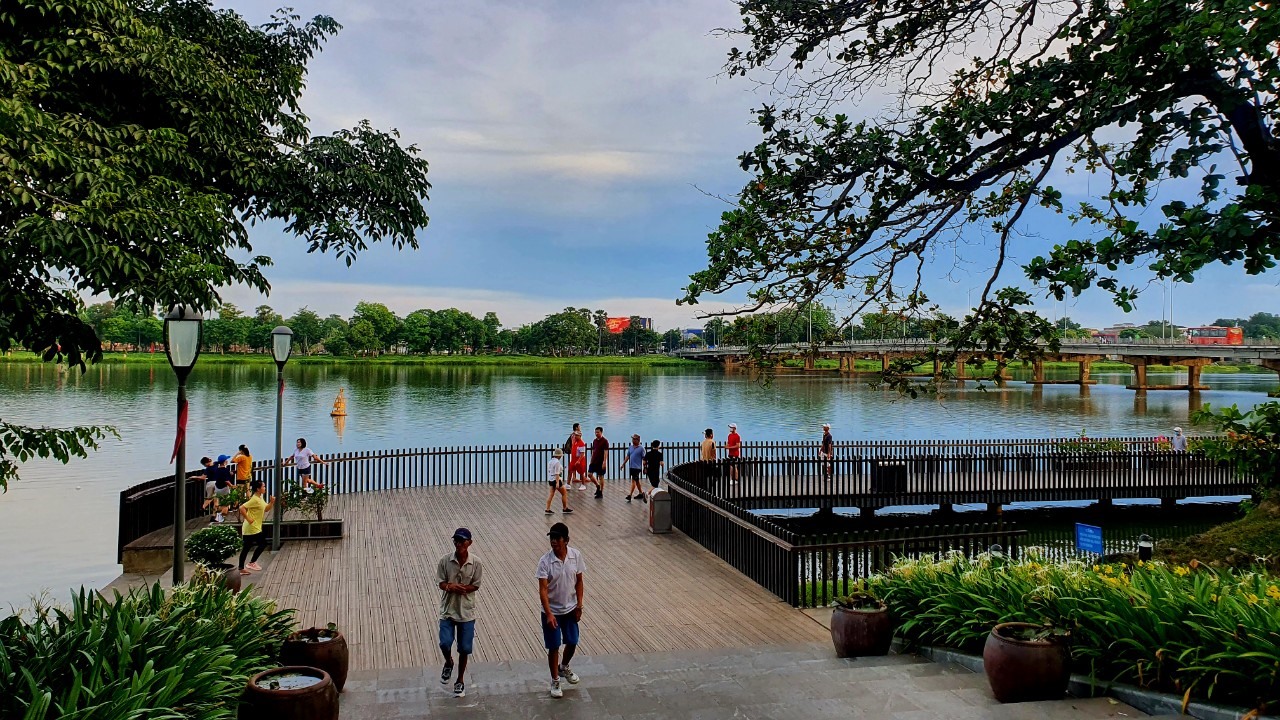
Riverside public areas are accessible throughout the day; boat cruises and cultural performances operate according to individual schedules.
Trang Tien Bridge, Thien Mu Pagoda, traditional dragon boat cruises, riverside promenades, Hue royal music performances and views of the Imperial City
Discover the legacy of Vietnam’s last royal dynasty, from majestic imperial palaces and serene royal tombs to elegant garden houses and the gentle flow of the Perfume River.
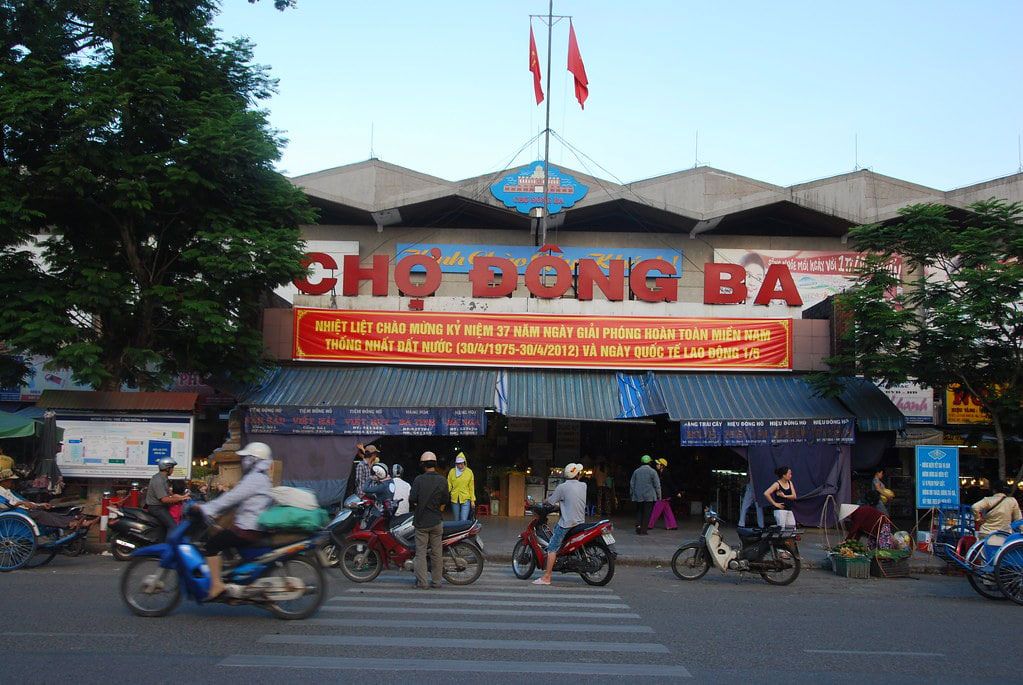
Experience the lively rhythms of everyday Hue through a historic marketplace filled with regional delicacies, traditional handicrafts and the flavours of Vietnam’s former imperial capital.
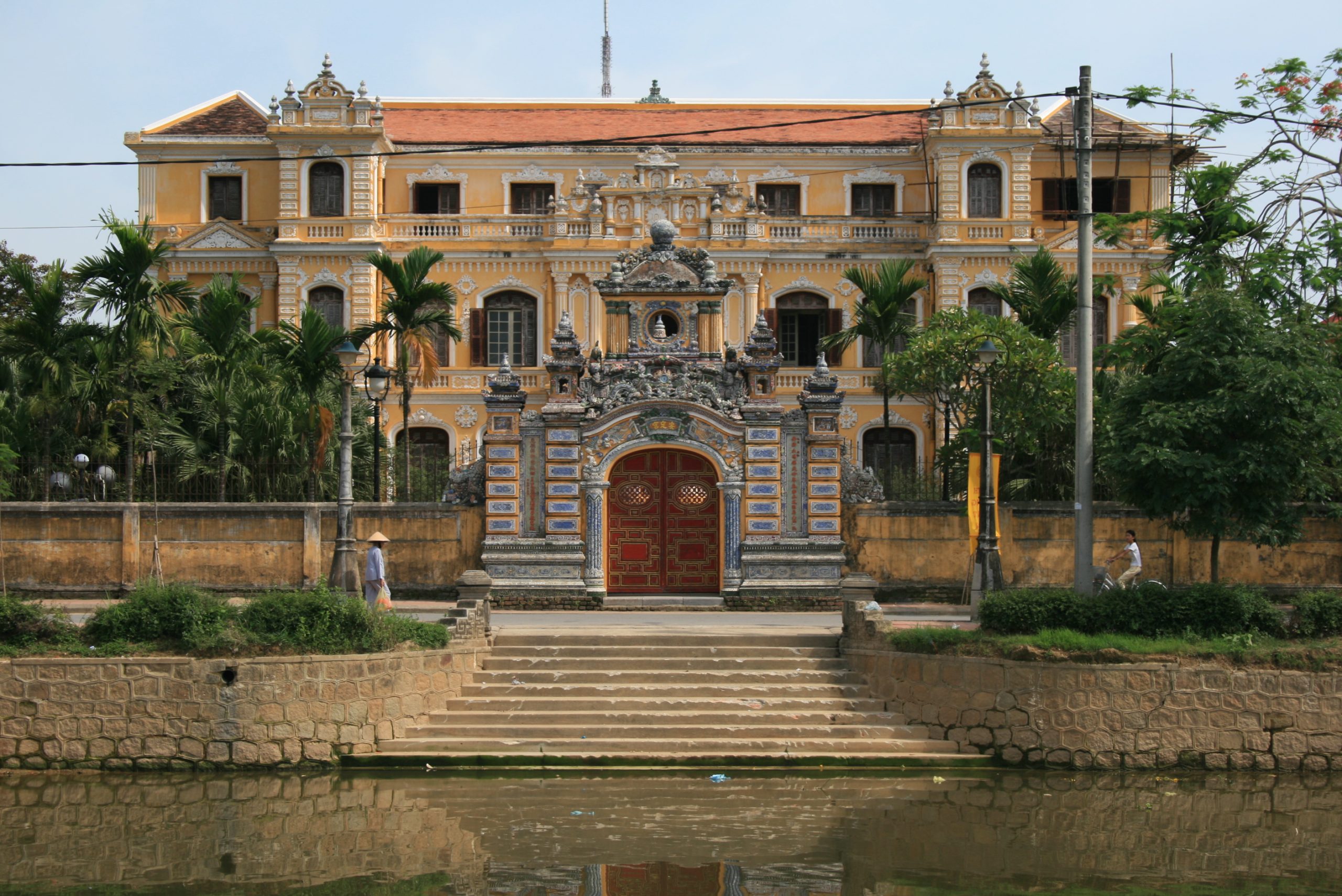
Explore a distinctive royal residence where Vietnamese imperial heritage meets European-inspired architecture, reflecting a period of transformation in the final years of the Nguyen Dynasty.