
Ba Ho Waterfalls
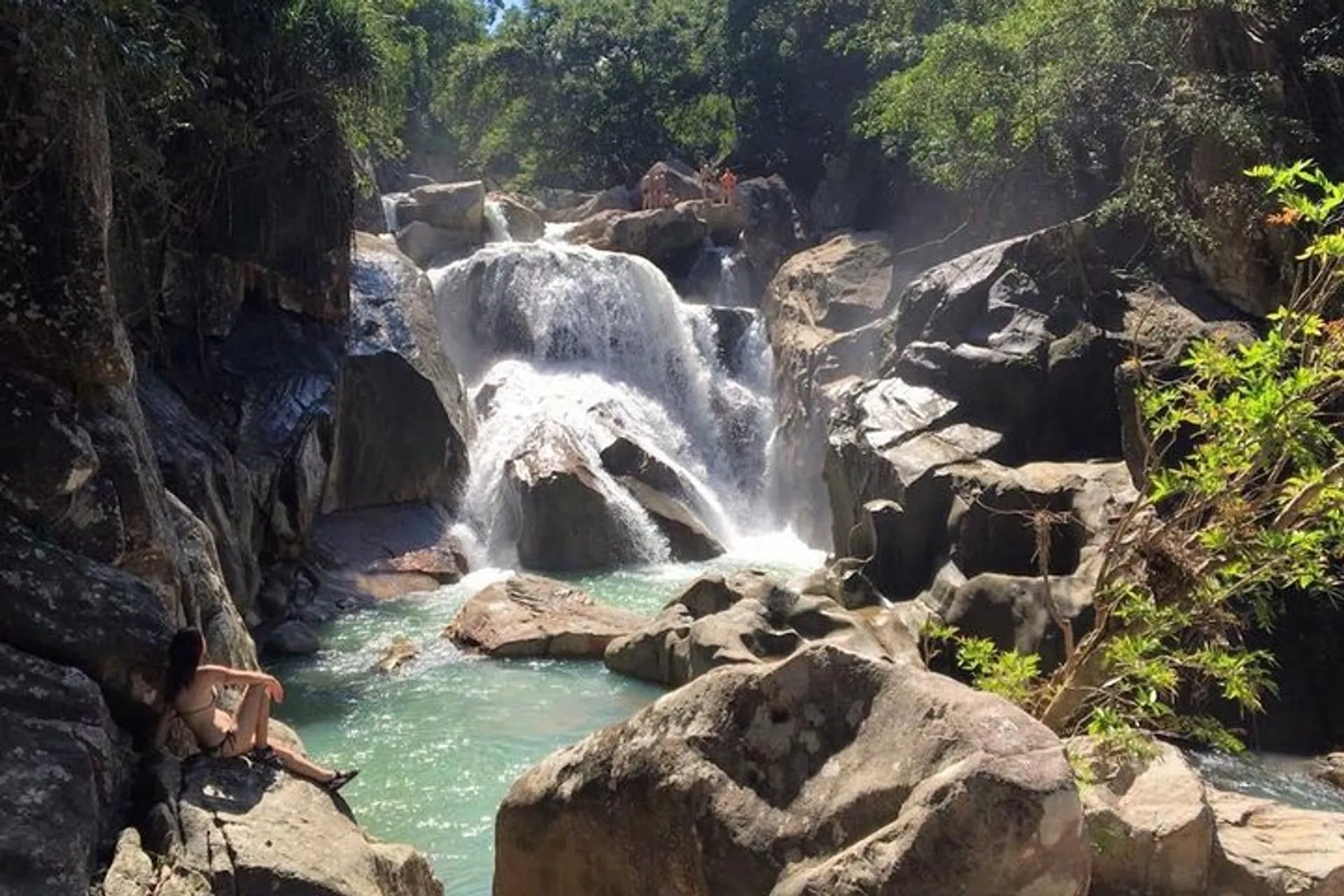
Discover a hidden natural retreat where cascading waterfalls, emerald pools and lush tropical forest create a refreshing escape from the coast of Nha Trang.
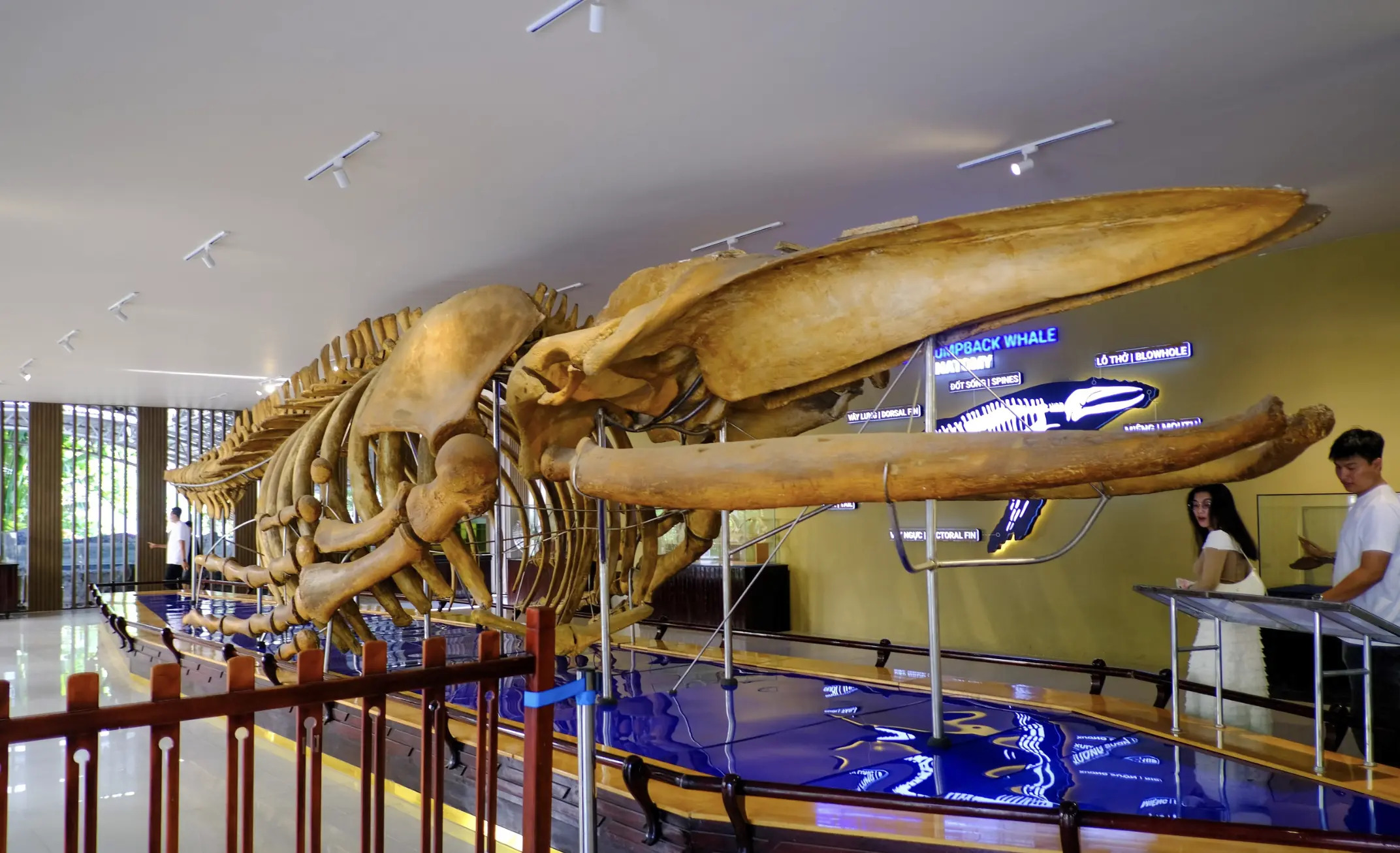
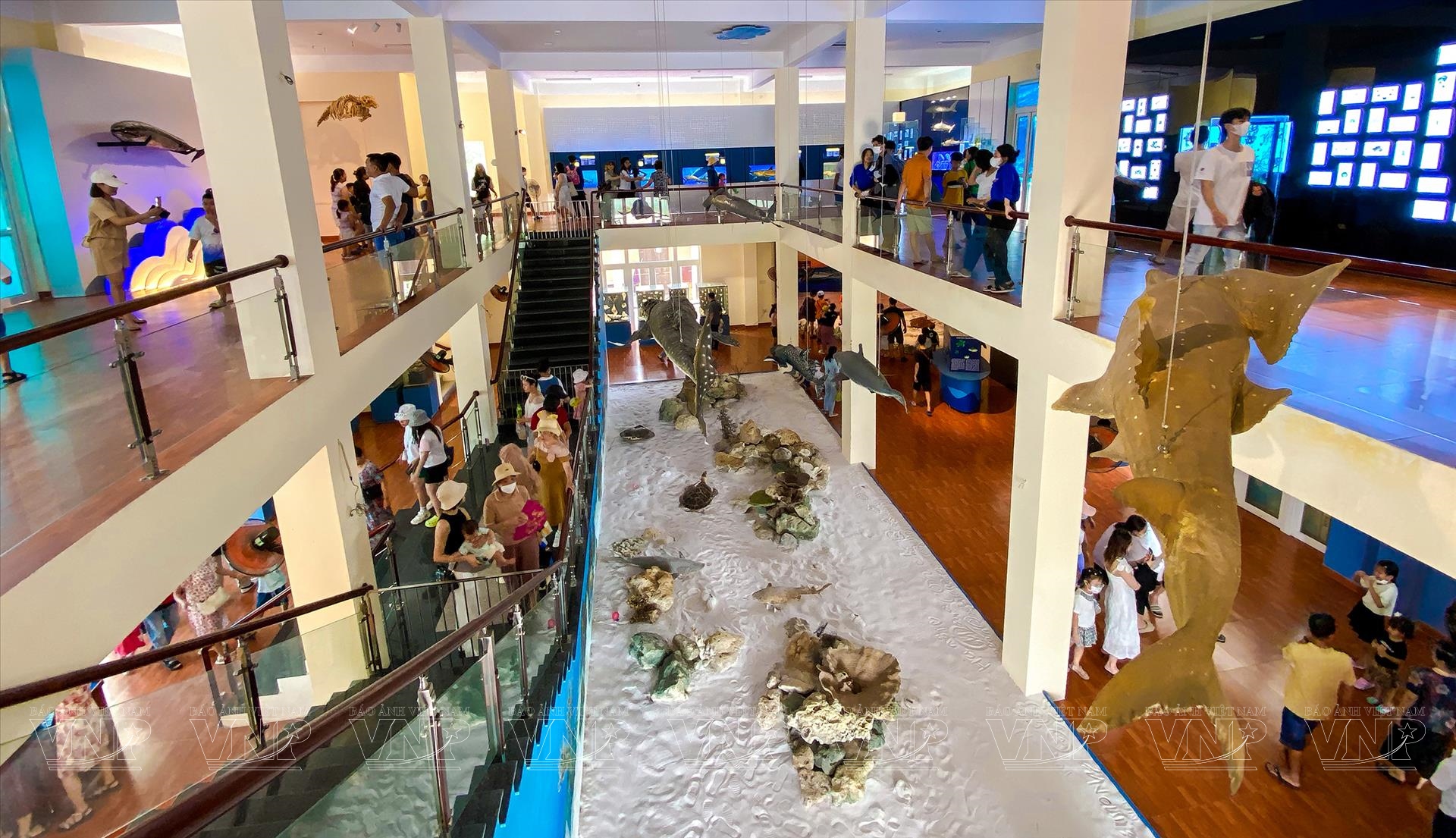
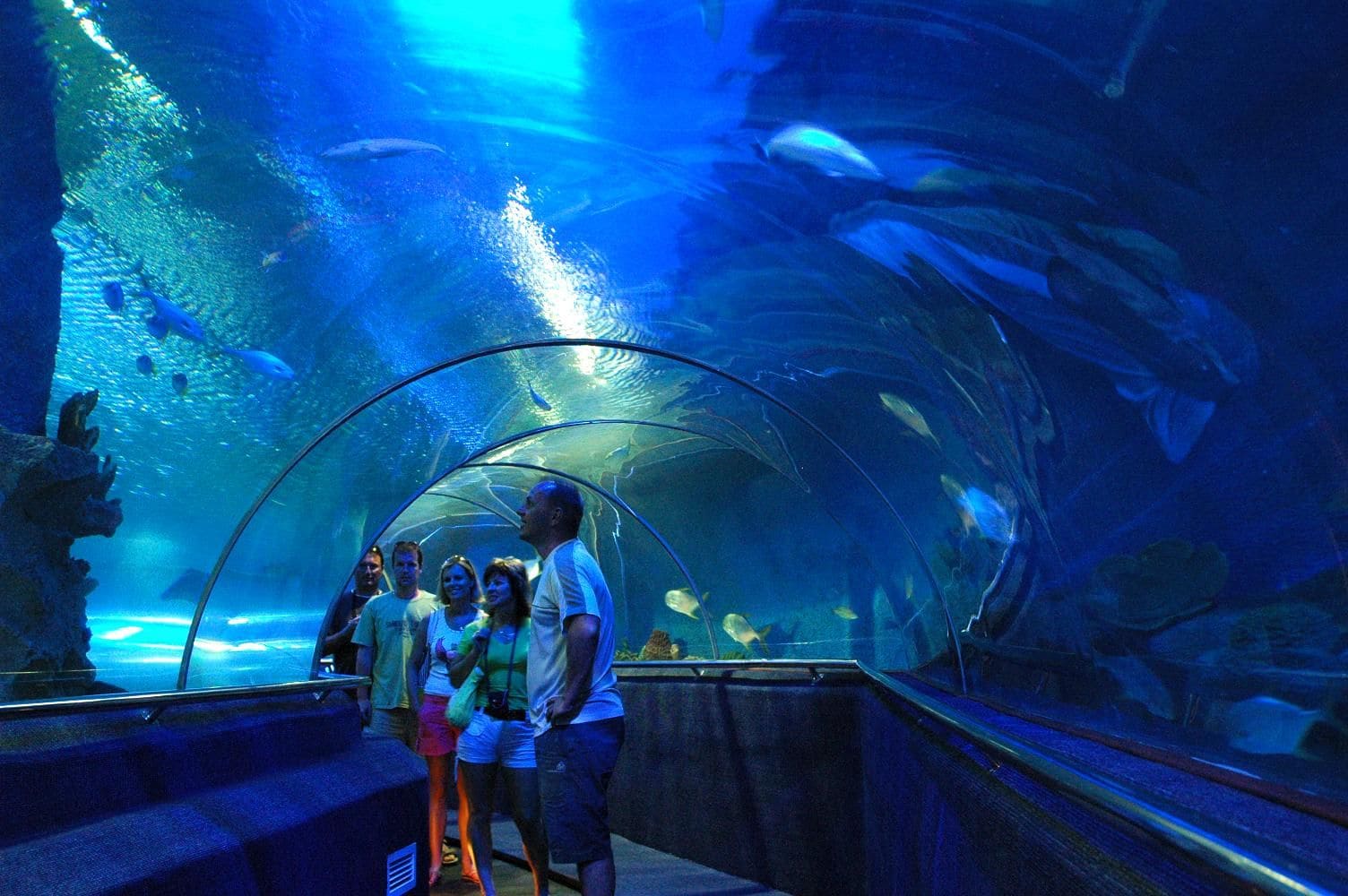
The National Oceanographic Museum is part of the Institute of Oceanography in Nha Trang, one of Vietnam’s oldest marine research institutions. Established in 1922, the institute preserves extensive collections of marine specimens and presents exhibits on ocean life, biodiversity and the scientific study of Vietnam’s coastal waters.
01 Cau Da Street, Nha Trang Ward, Khanh Hoa Province
Marine Science Museum and Research Institution
Institute of Oceanography established in 1922; the museum’s predecessor was established in 1923
:00 AM–6:00 PM daily
Marine specimen collections, aquariums, preserved sea creatures, marine biodiversity exhibits and historic research buildings
Discover a hidden natural retreat where cascading waterfalls, emerald pools and lush tropical forest create a refreshing escape from the coast of Nha Trang.
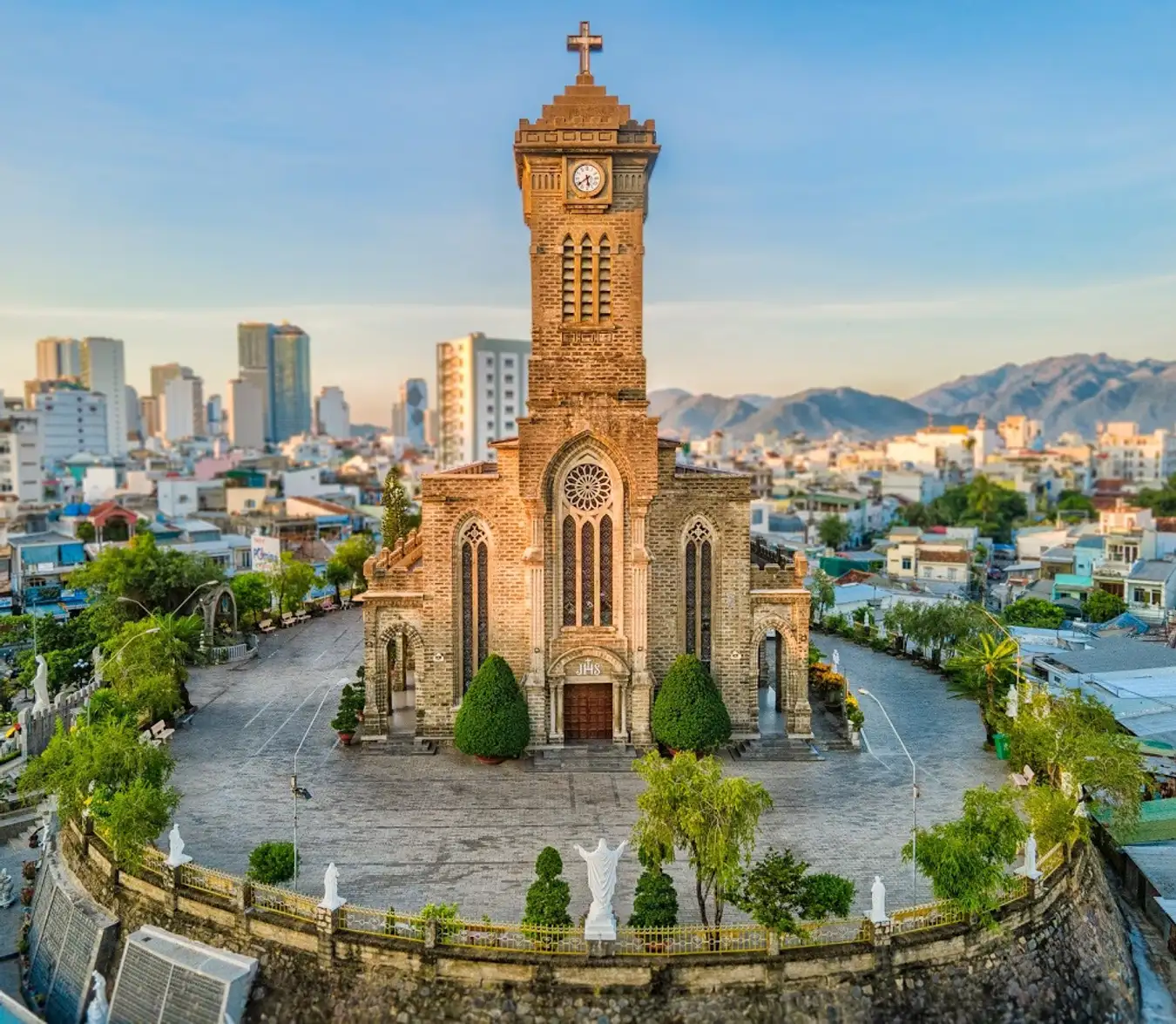
Discover a landmark of French Gothic architecture, where grey stone walls, soaring arches and colourful stained-glass windows create a striking historic presence in the heart of Nha Trang.
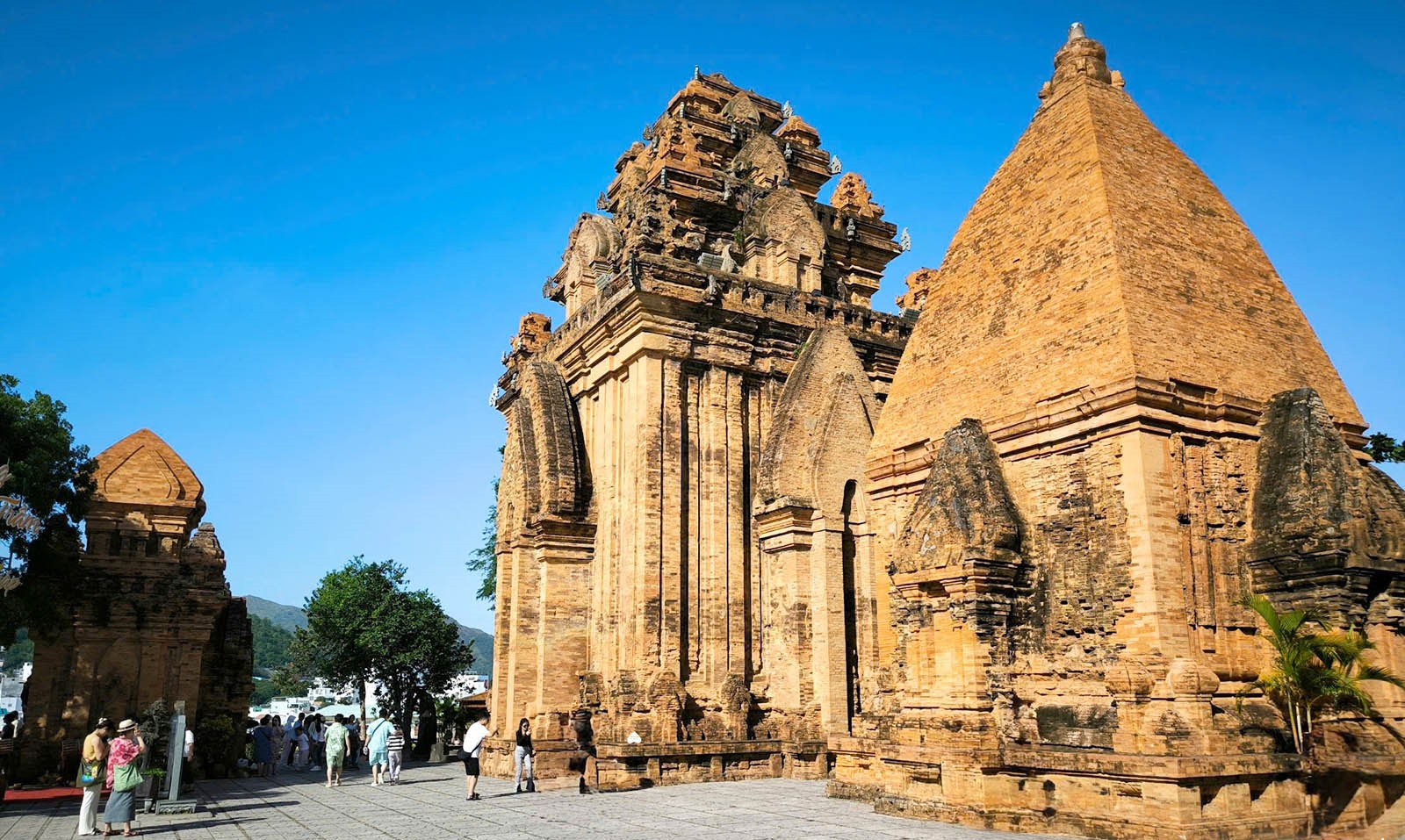
Step into the spiritual legacy of the Champa civilisation, where ancient brick towers rise above the Cai River and preserve more than a thousand years of religious and artistic tradition.