Quang Tri
Explore a land of spectacular limestone landscapes, pristine beaches and poignant historical landmarks, where natural wonders meet the enduring stories of Vietnam.
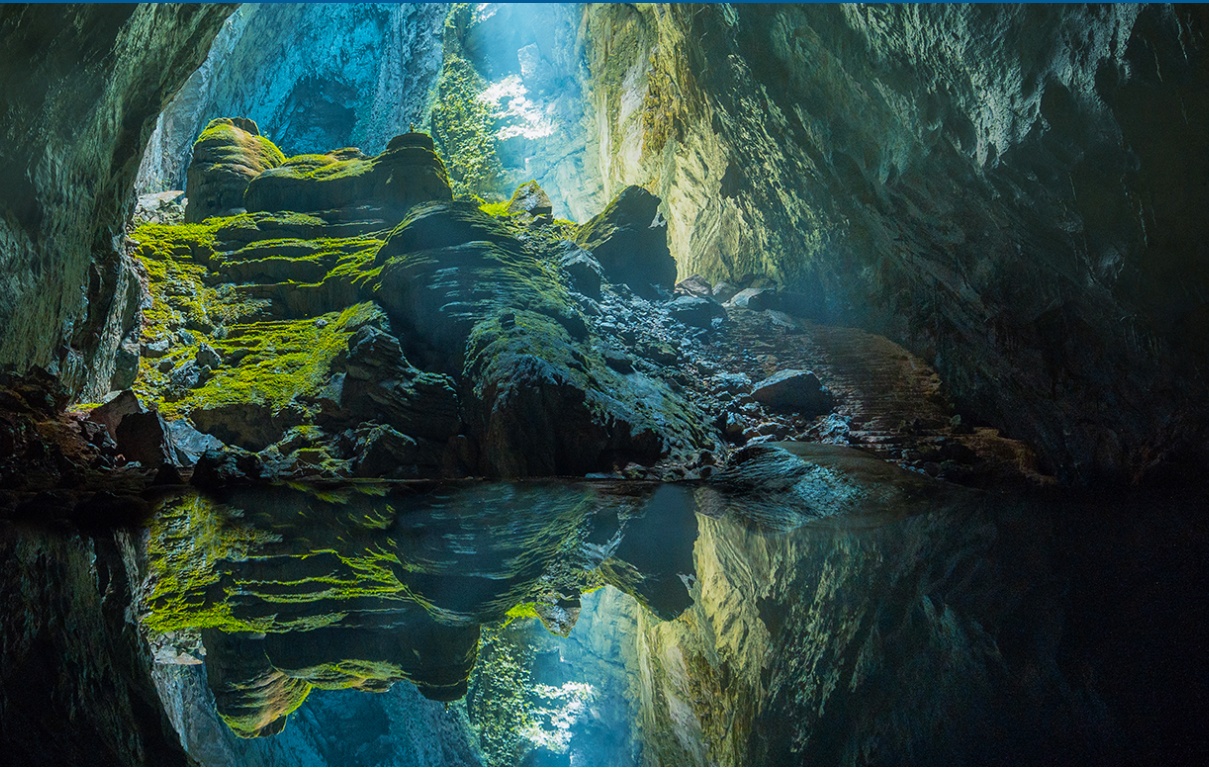
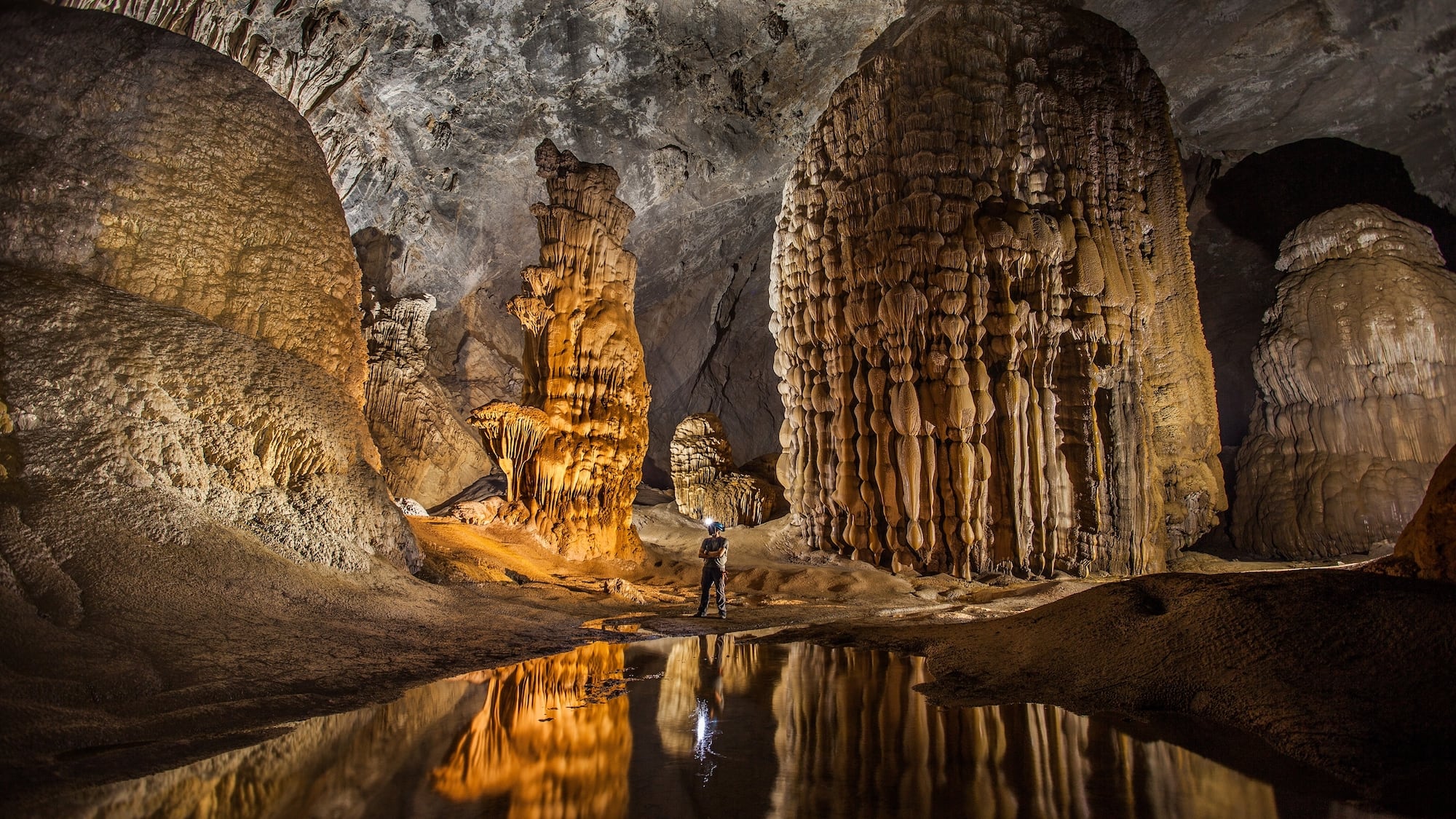
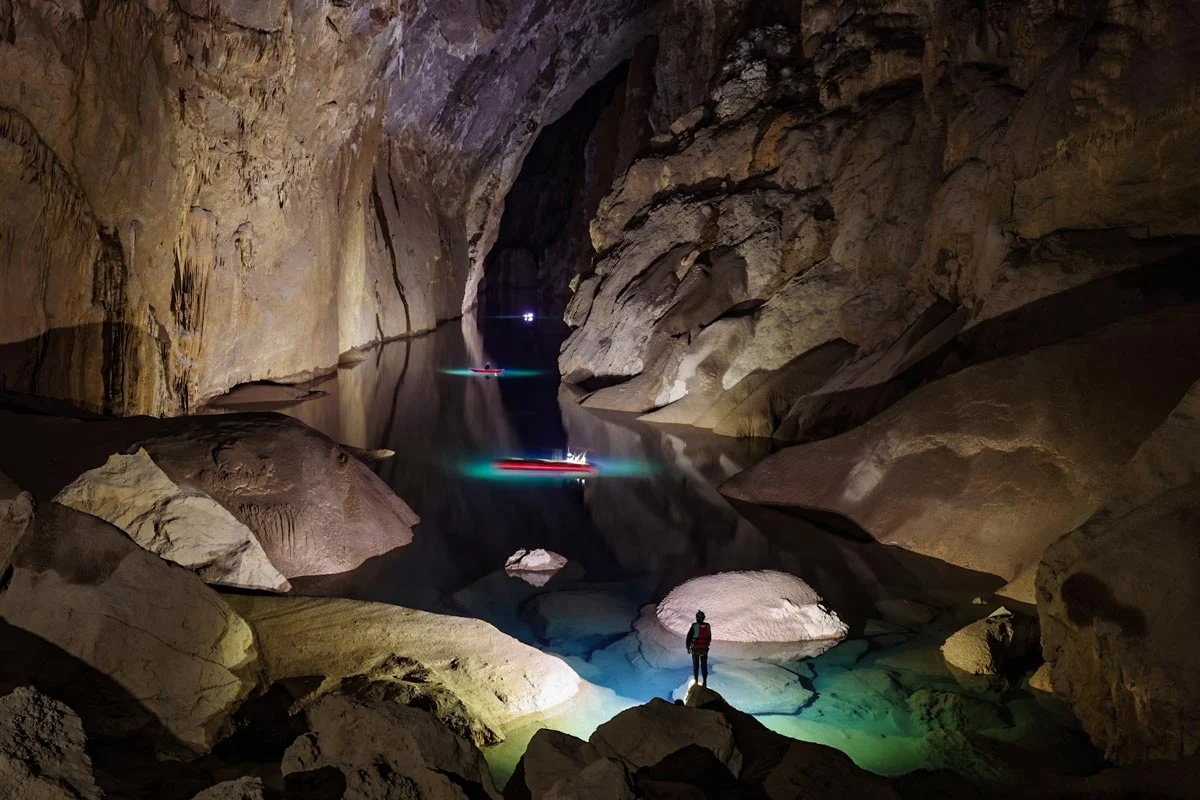
Son Doong Cave lies within Phong Nha–Ke Bang National Park in Quang Tri Province and is recognised as the world’s largest known natural cave by passage volume. Discovered by local resident Ho Khanh in 1991 and surveyed by a British caving team in 2009, it features enormous chambers, an underground river and forest ecosystems growing beneath collapsed sections of its ceiling.
Phong Nha Commune, Quang Tri Province
Natural Cave and Adventure Tourism Site
Naturally formed over approximately 2–5 million years; surveyed in 2009
Expedition season generally runs from late January to August. Access is by authorised multi-day expedition only, rather than regular daily cave entry.
Vast underground chambers, underground river, giant stalagmites, the Great Wall of Vietnam, Garden of Edam and collapsed ceiling sections known as dolines
Explore a land of spectacular limestone landscapes, pristine beaches and poignant historical landmarks, where natural wonders meet the enduring stories of Vietnam.
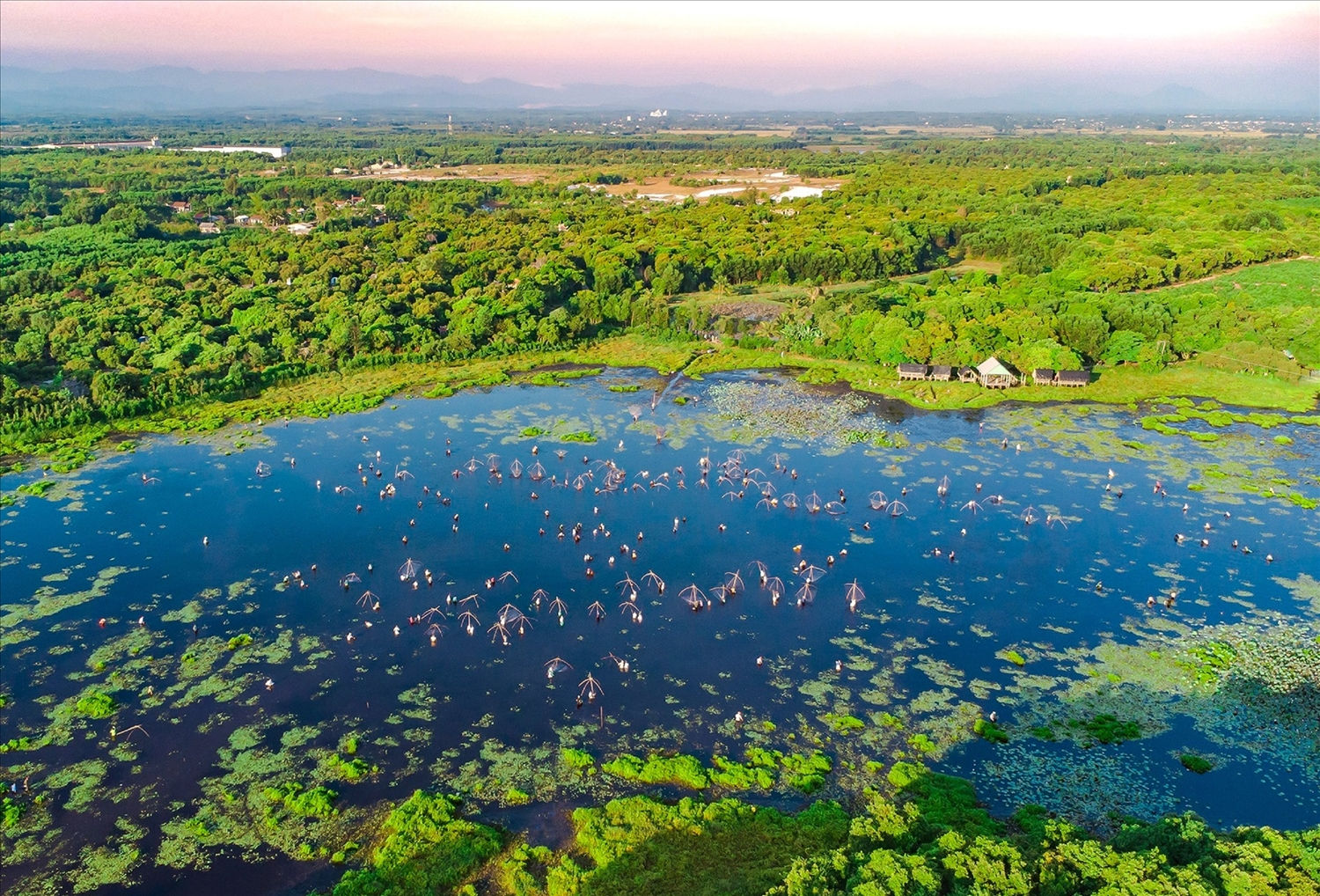
Escape into a tranquil wetland landscape of calm waters, lush forest and open countryside, where local traditions and natural beauty create a refreshing side of Quang Tri.
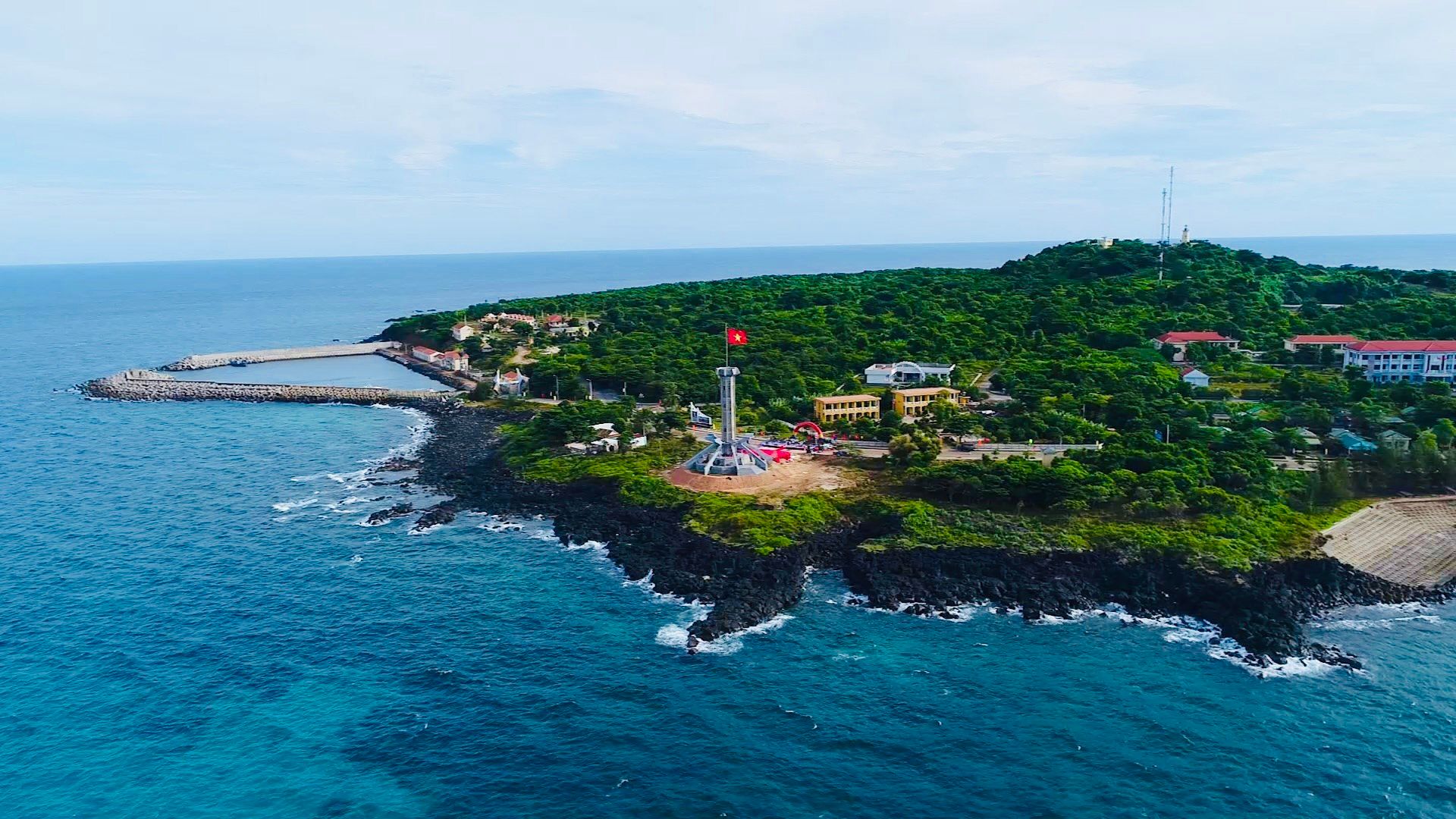
Escape to a secluded island of emerald forests, clear turquoise waters and volcanic coastlines, where unspoiled nature meets a remarkable history of maritime resilience.