
Quang Tri
Explore a land of spectacular limestone landscapes, pristine beaches and poignant historical landmarks, where natural wonders meet the enduring stories of Vietnam.
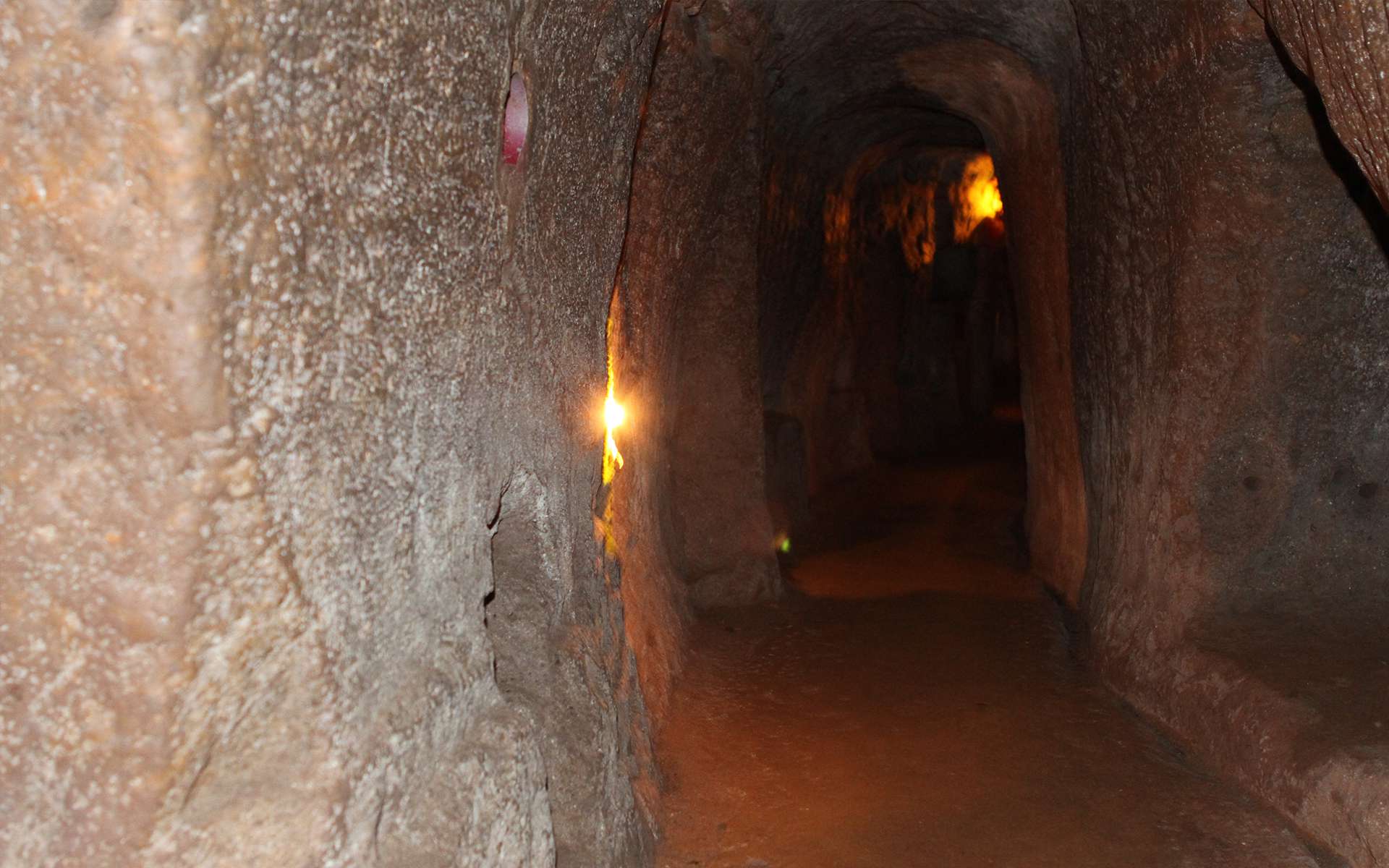
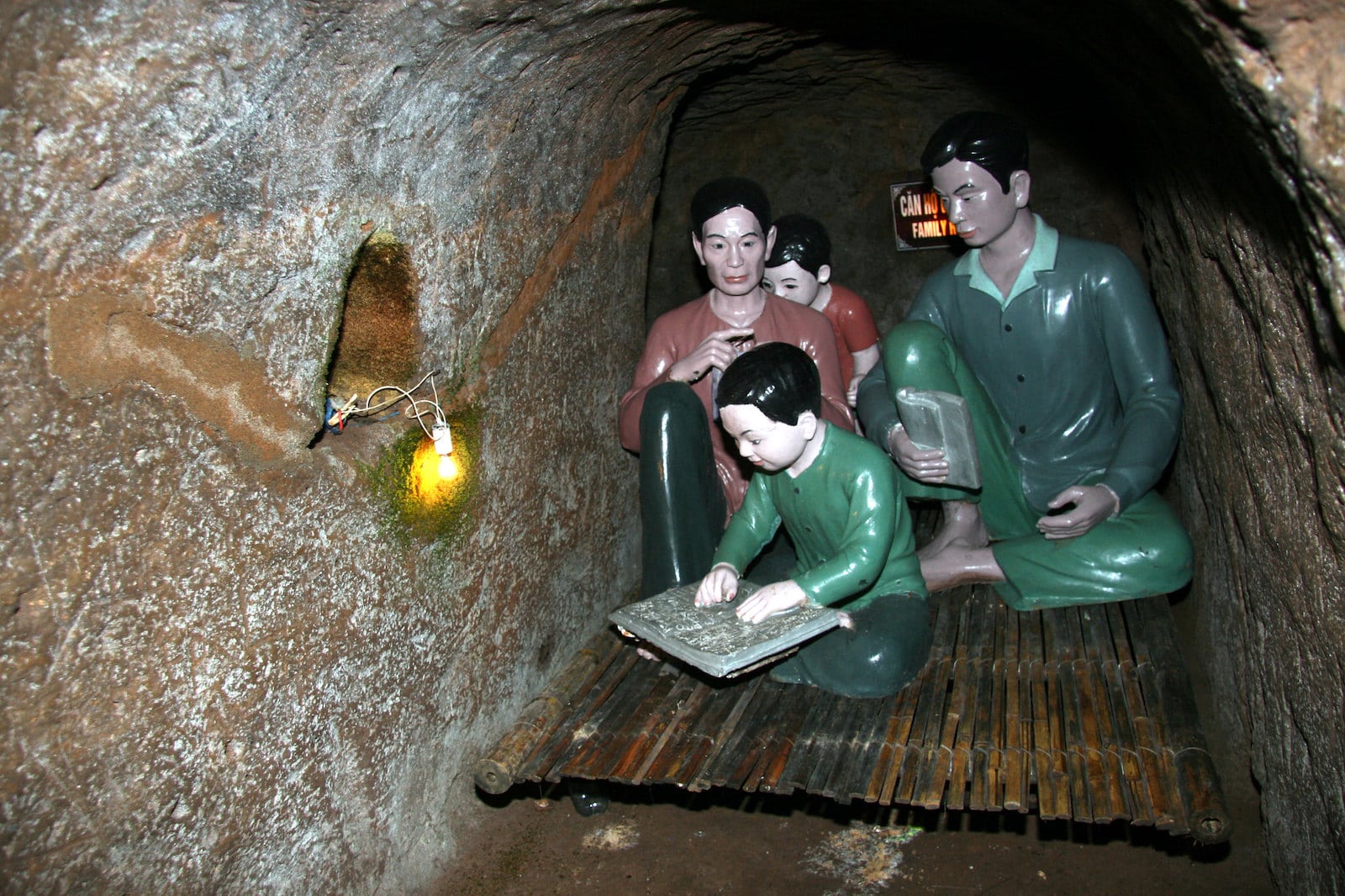
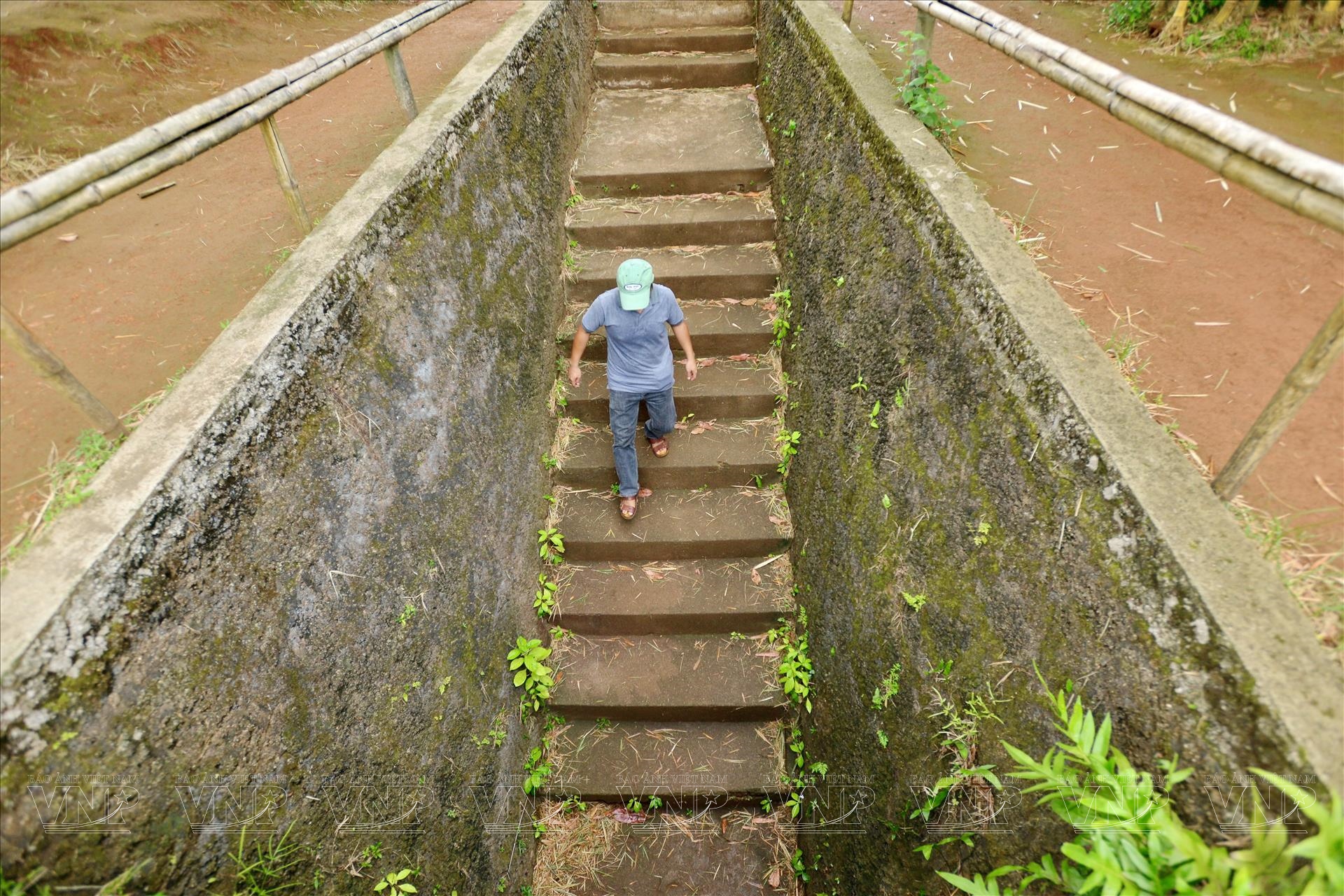
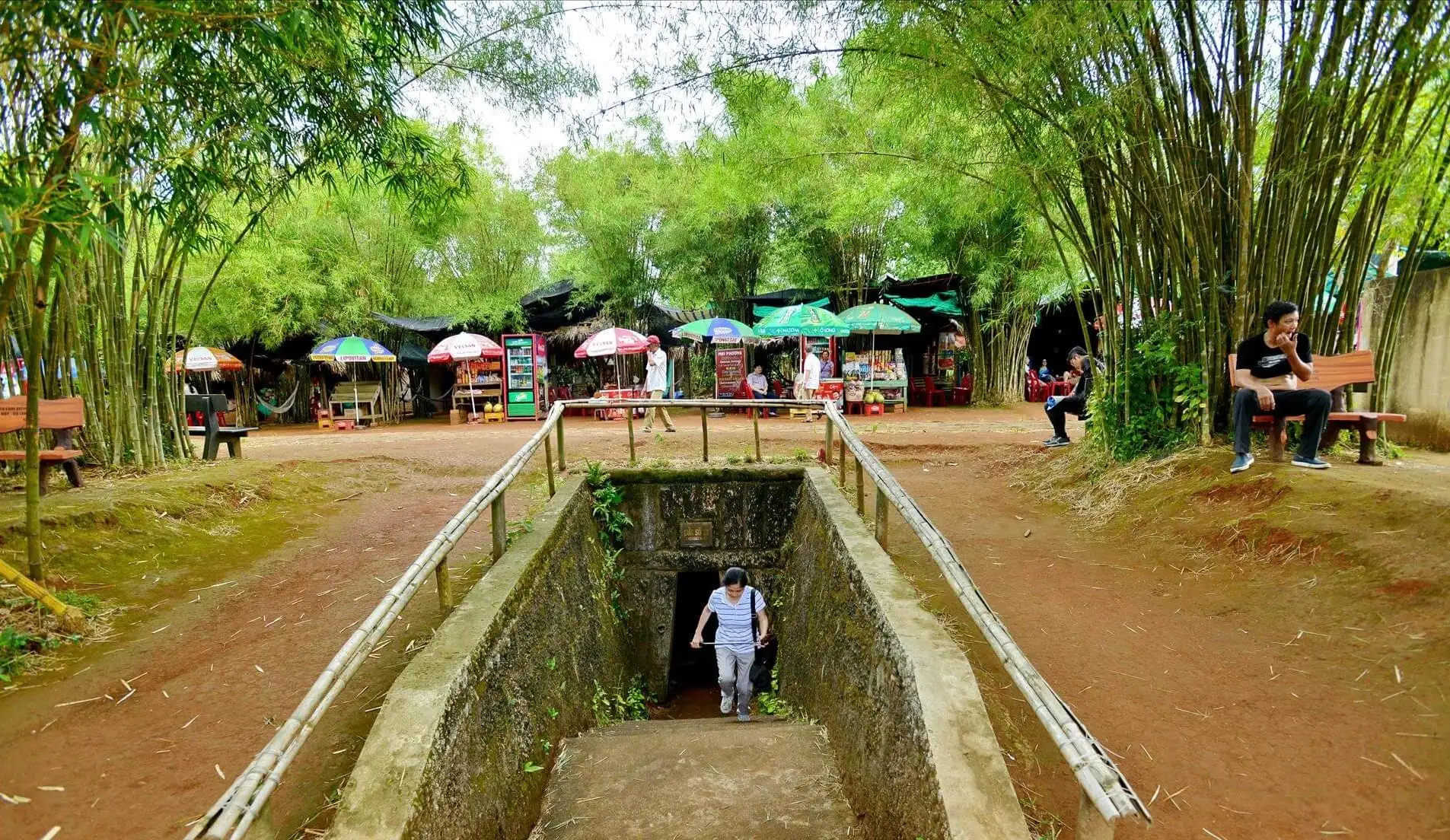
Vinh Moc Tunnels are an extensive underground complex in Quang Tri Province, built between 1965 and 1967 to shelter local residents from intense wartime bombing. Designed as an underground village, the network contained living quarters, communal spaces, a well and medical facilities, reflecting the ingenuity and resilience of the local community.
Vinh Moc Village, Vinh Thach Commune, Quang Tri Province
Historical Site and Wartime Tunnel Complex
1965–1967
7:00 AM–6:00 PM daily
Three-level tunnel system, underground family rooms, meeting hall, well, maternity room, Hoang Cam kitchen and tunnel exits towards the sea
Explore a land of spectacular limestone landscapes, pristine beaches and poignant historical landmarks, where natural wonders meet the enduring stories of Vietnam.
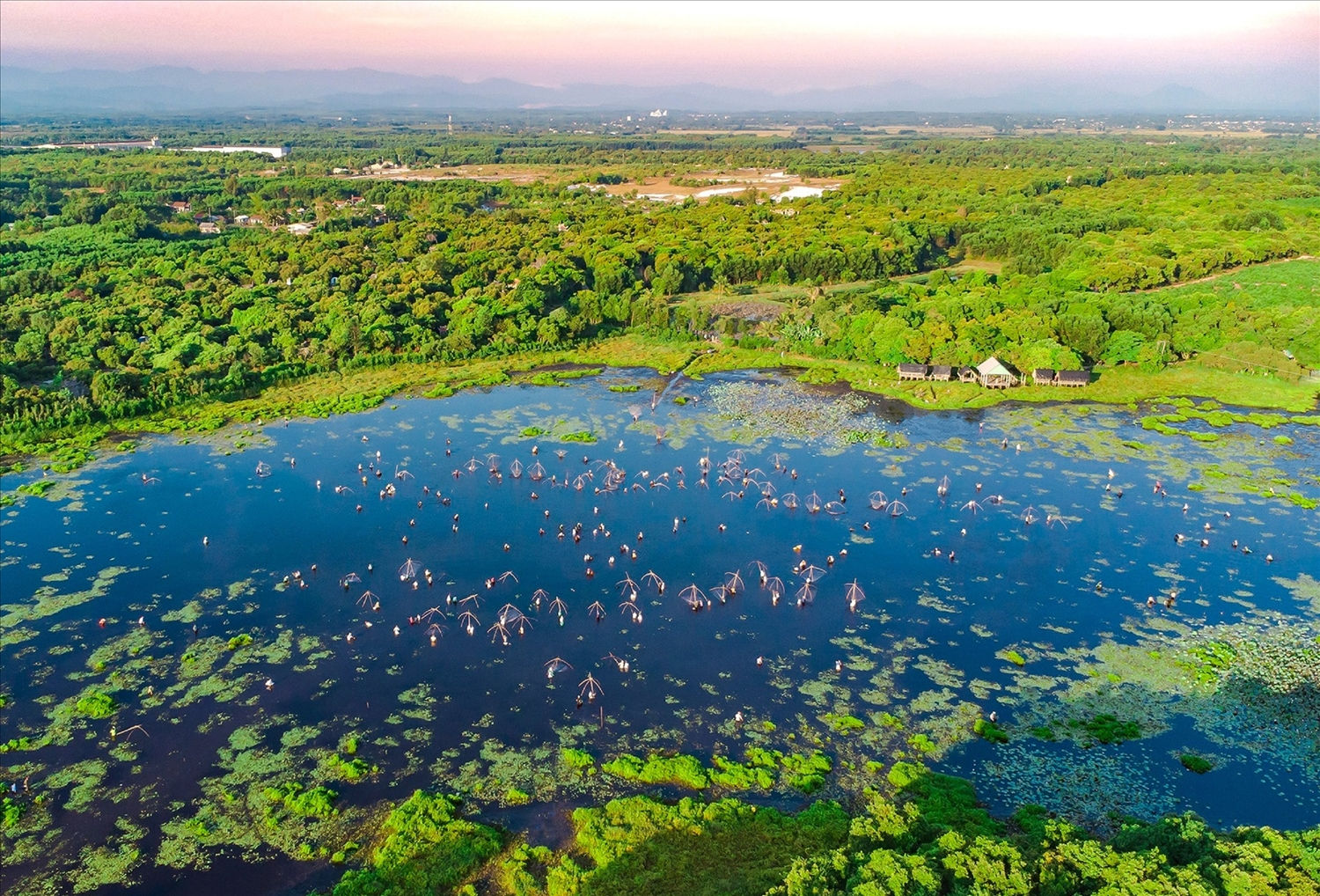
Escape into a tranquil wetland landscape of calm waters, lush forest and open countryside, where local traditions and natural beauty create a refreshing side of Quang Tri.
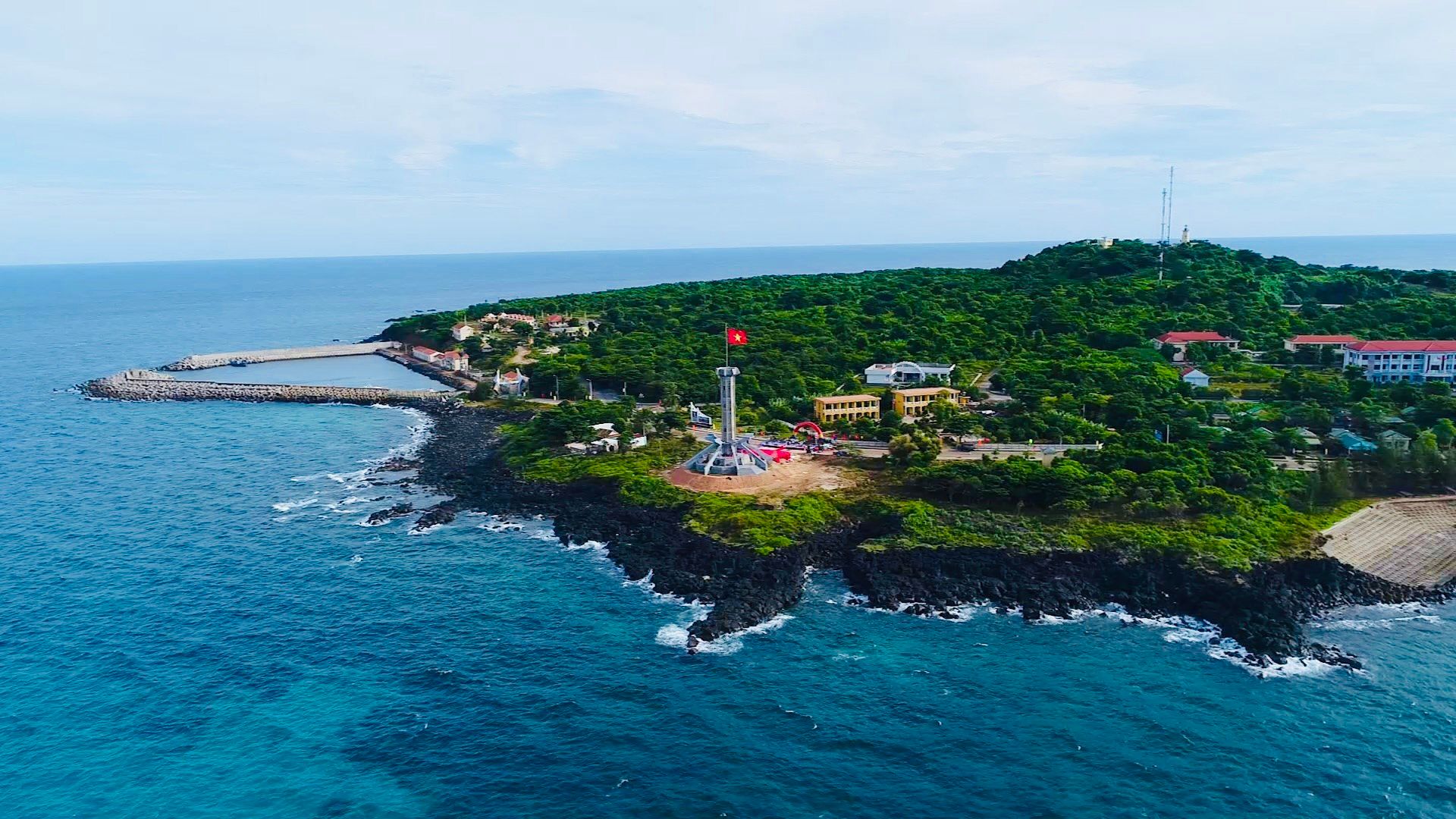
Escape to a secluded island of emerald forests, clear turquoise waters and volcanic coastlines, where unspoiled nature meets a remarkable history of maritime resilience.