
Thanh Hoa
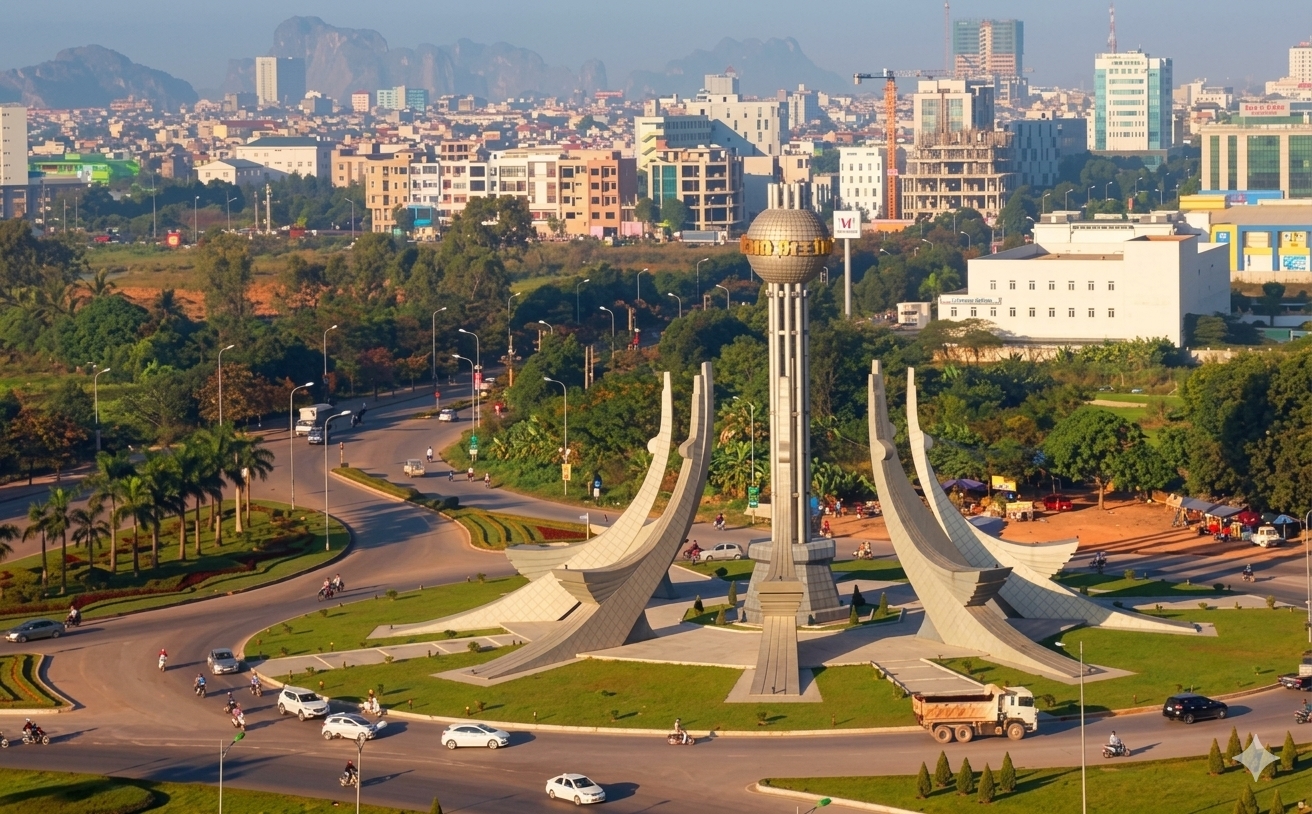
Discover Thanh Hoa, a destination where pristine beaches, lush mountain landscapes and centuries of history come together in the heart of North Central Vietnam.
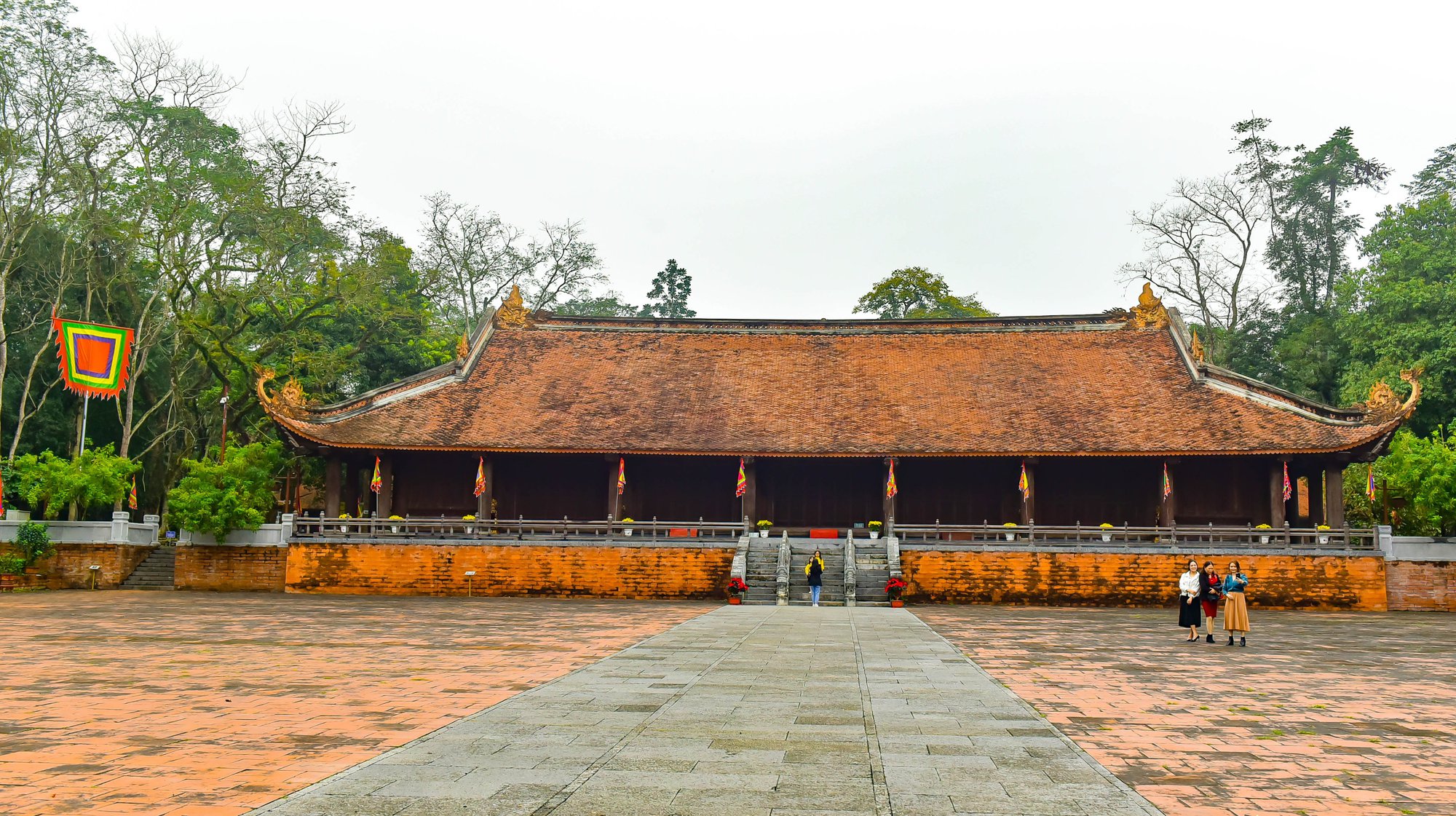
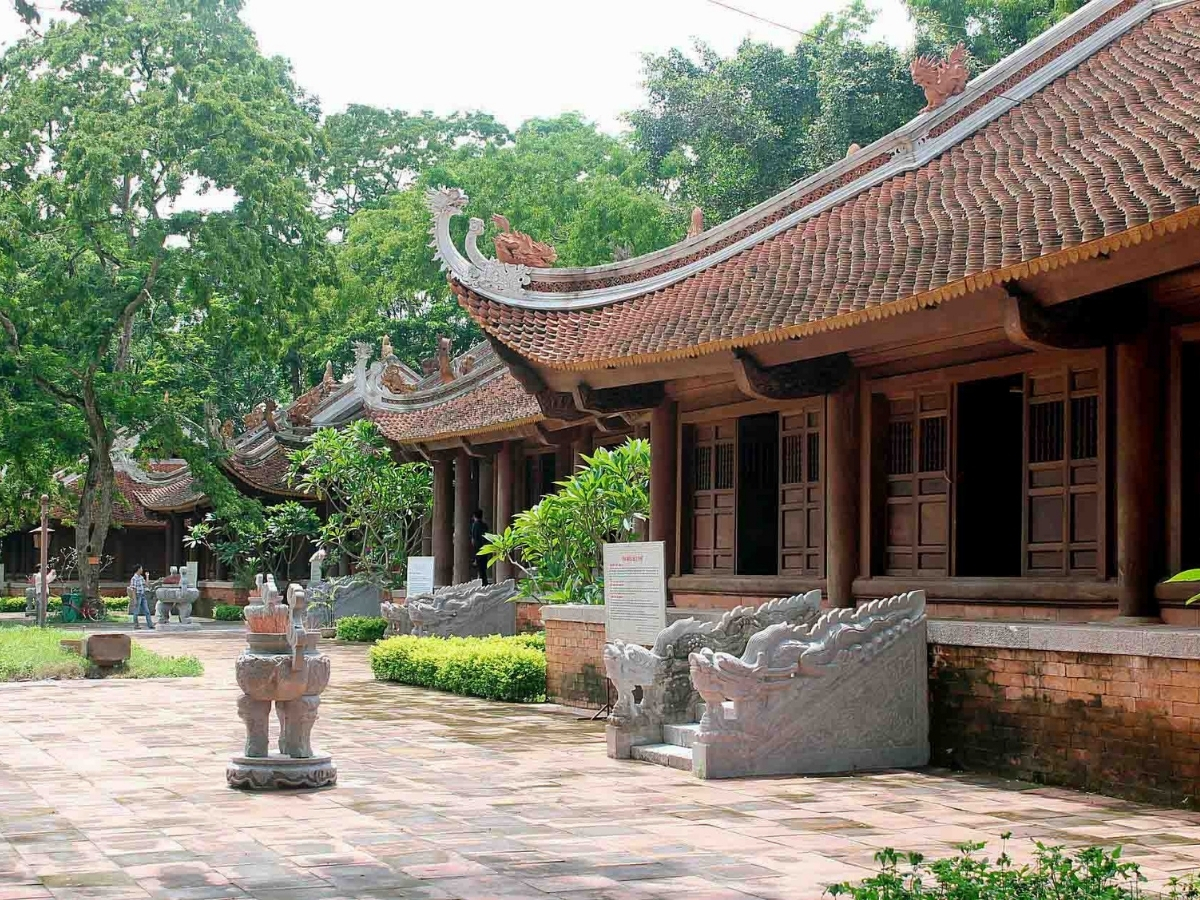
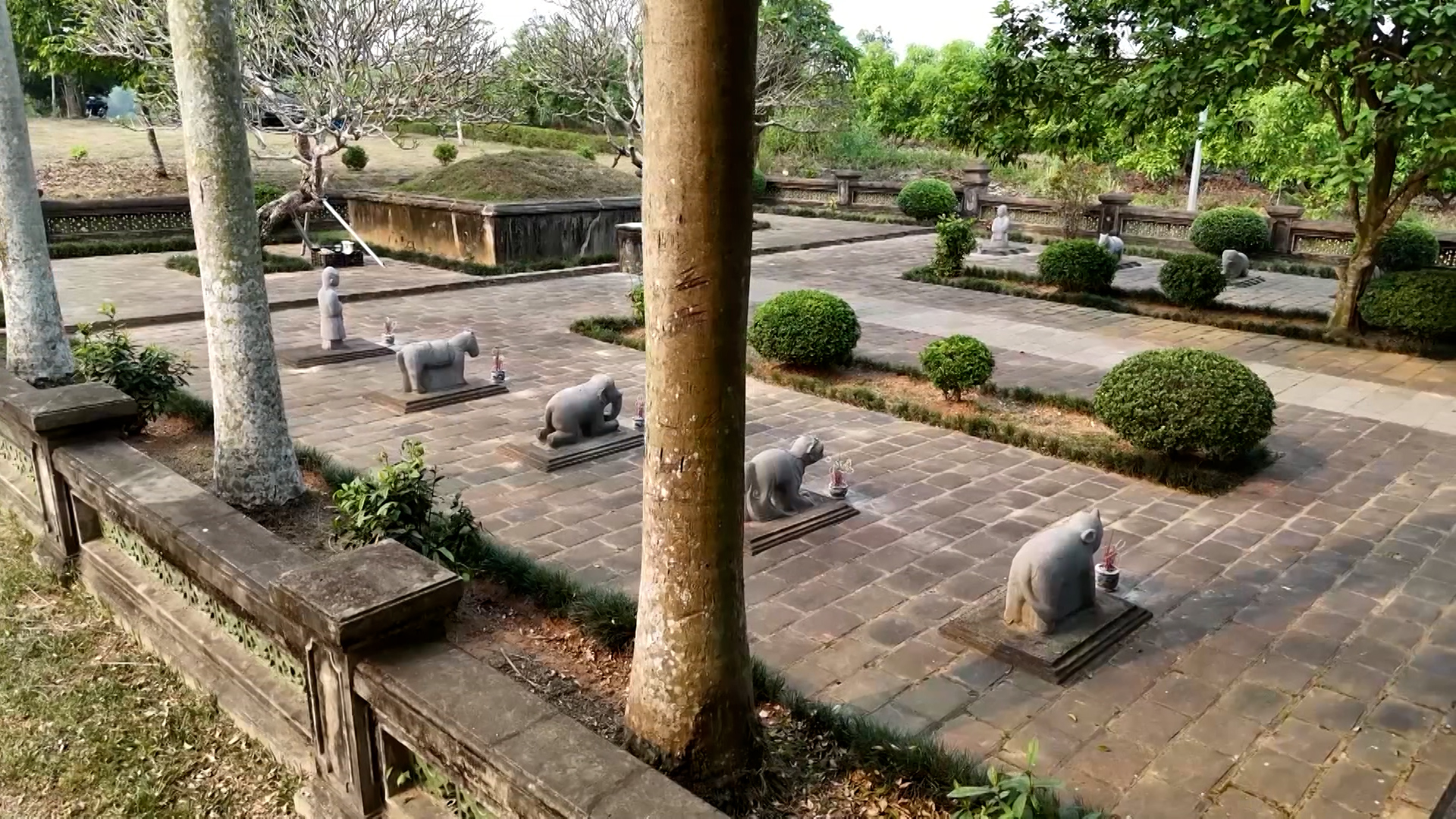
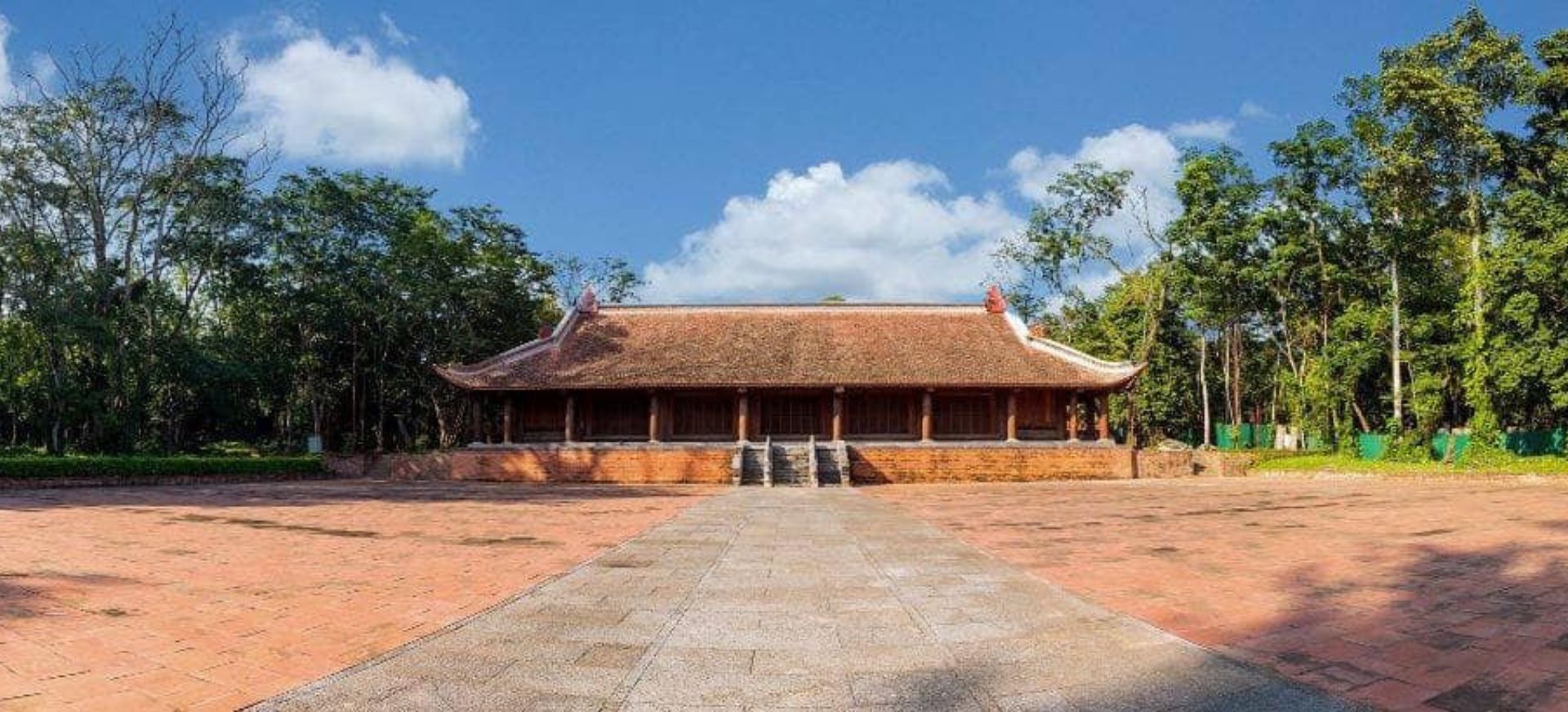
Lam Kinh Historical Site is a major historical and architectural complex in Thanh Hoa, closely associated with national hero Le Loi and the founding of the Later Le Dynasty. Once serving as an important royal ancestral center, the site preserves temples, royal tombs and architectural remains that reflect the dynasty’s political legacy and traditional reverence for ancestors.
Lam Son Commune, Thanh Hoa Province
Historical and architectural heritage site
Founded in 1428 under the Later Le Dynasty
7:00 AM–6:00 PM
Temple of King Le Thai To, royal tombs, Vinh Lang stele, ancient trees, Ngoc River and Bach Bridge
Discover Thanh Hoa, a destination where pristine beaches, lush mountain landscapes and centuries of history come together in the heart of North Central Vietnam.
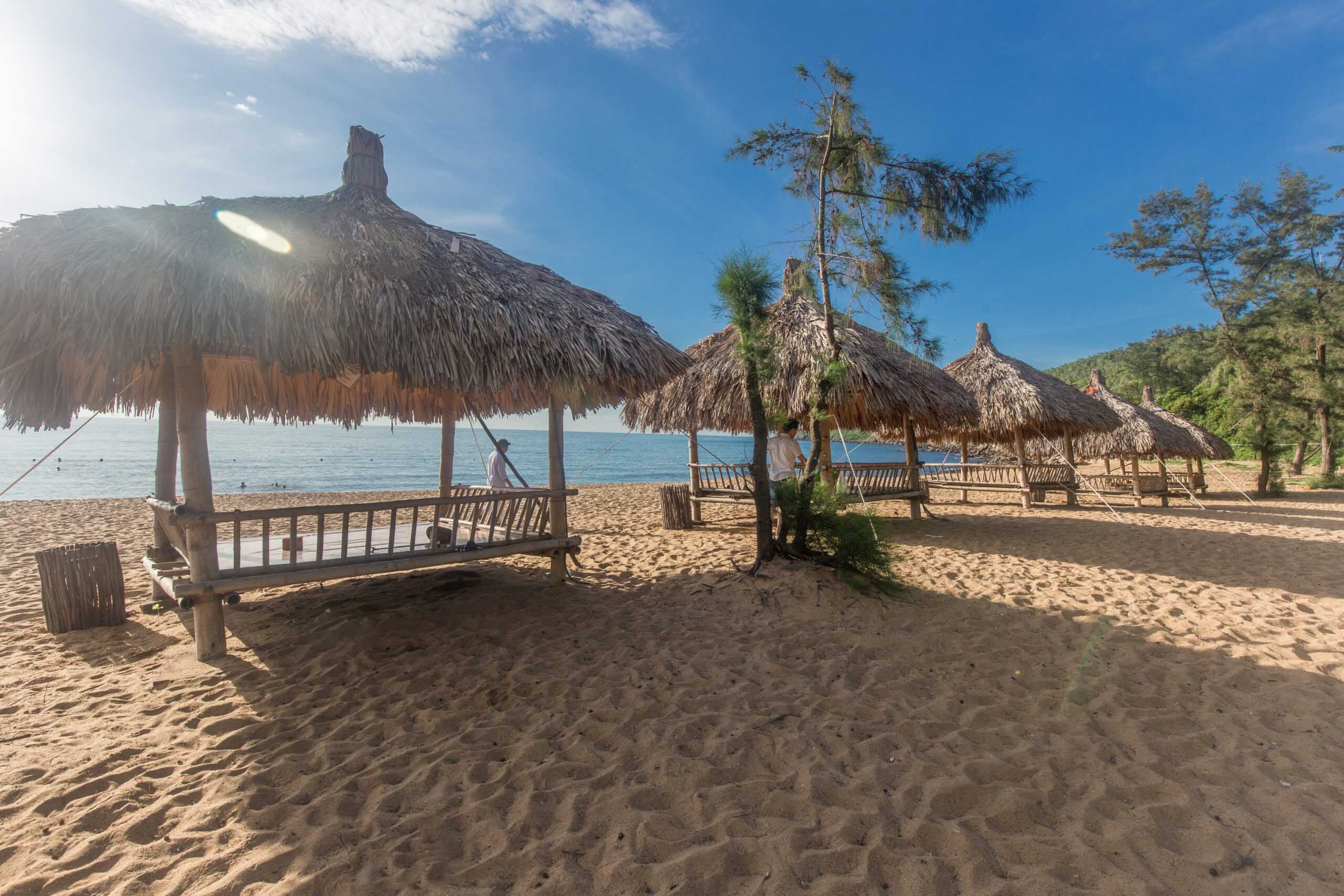
Escape to Bai Dong, a peaceful coastal retreat in Thanh Hoa, where clear blue waters, natural rock formations and quiet sandy shores create a refreshing seaside getaway.
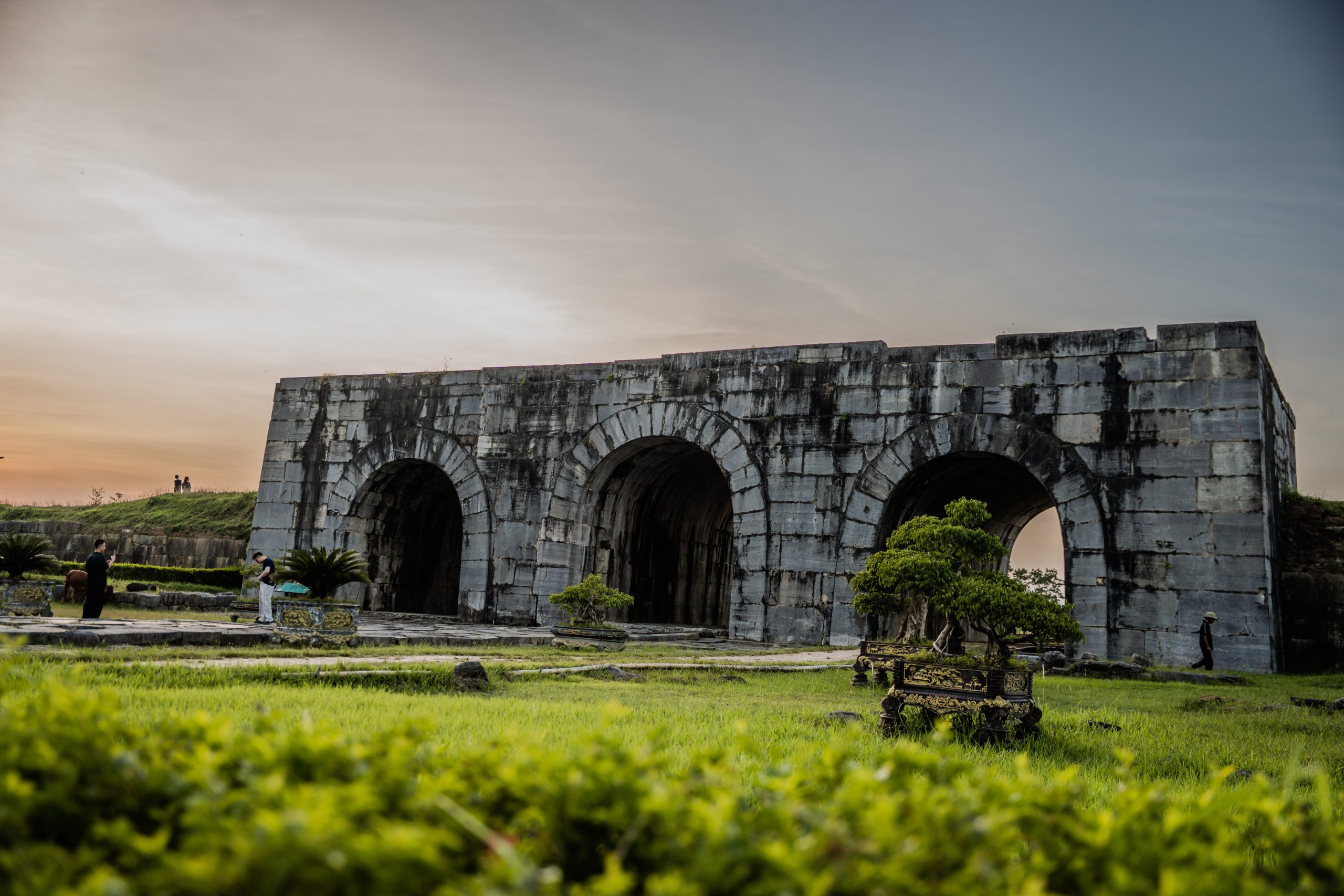
Step back into Vietnam’s imperial past at Ho Dynasty Citadel, a UNESCO World Heritage Site renowned for its monumental stone walls and remarkable 14th-century architecture.