
Hai Phong
Discover Hai Phong, a vibrant port city where coastal landscapes, island adventures, historic landmarks and distinctive Northern Vietnamese cuisine come together.
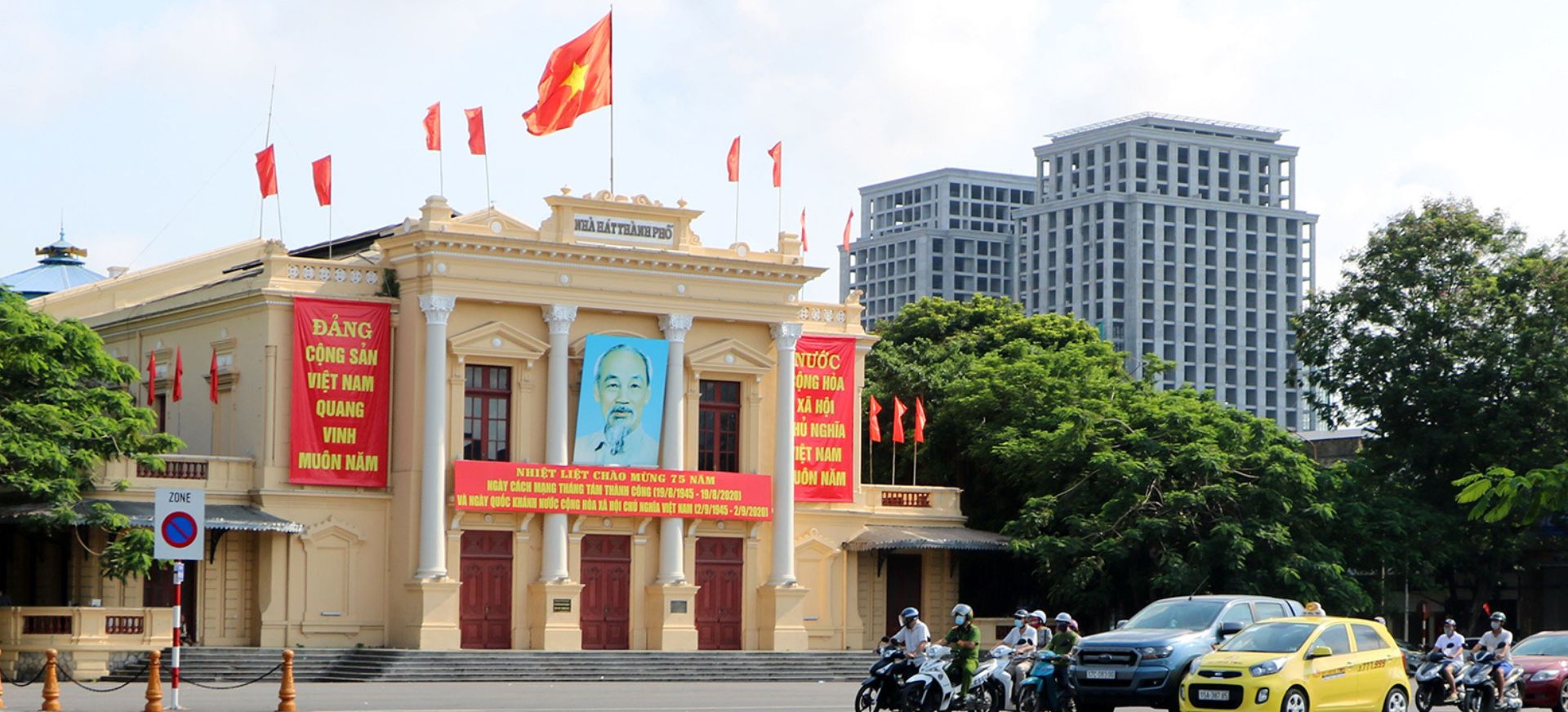
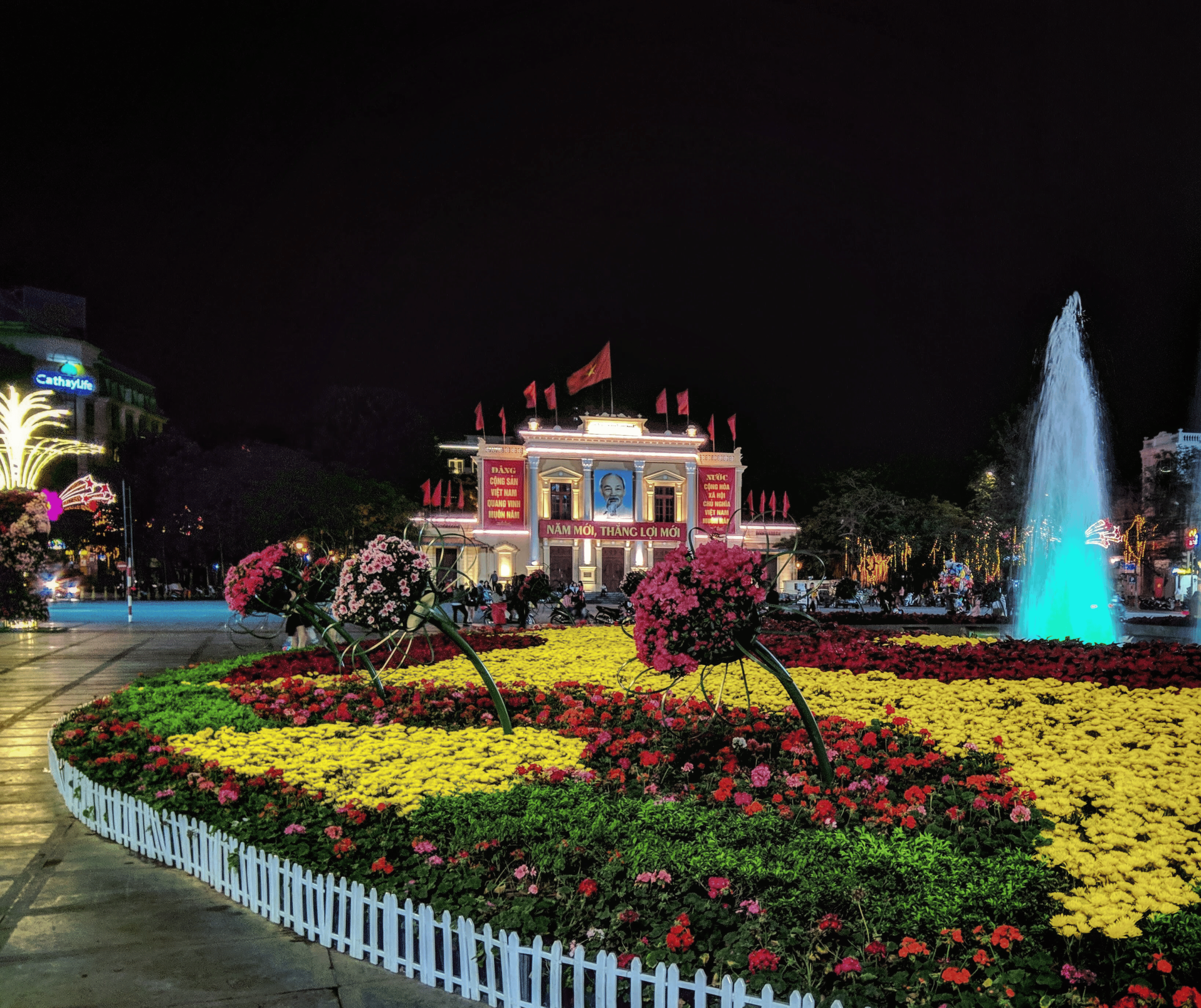
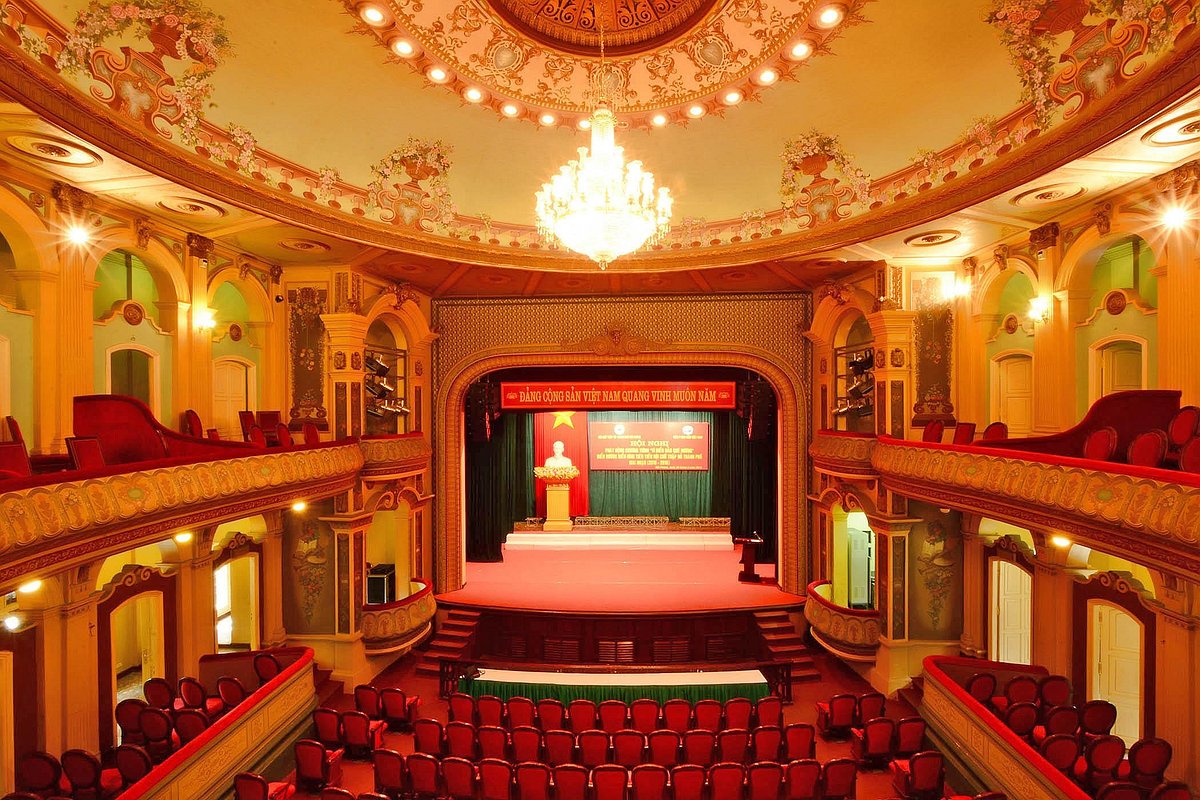
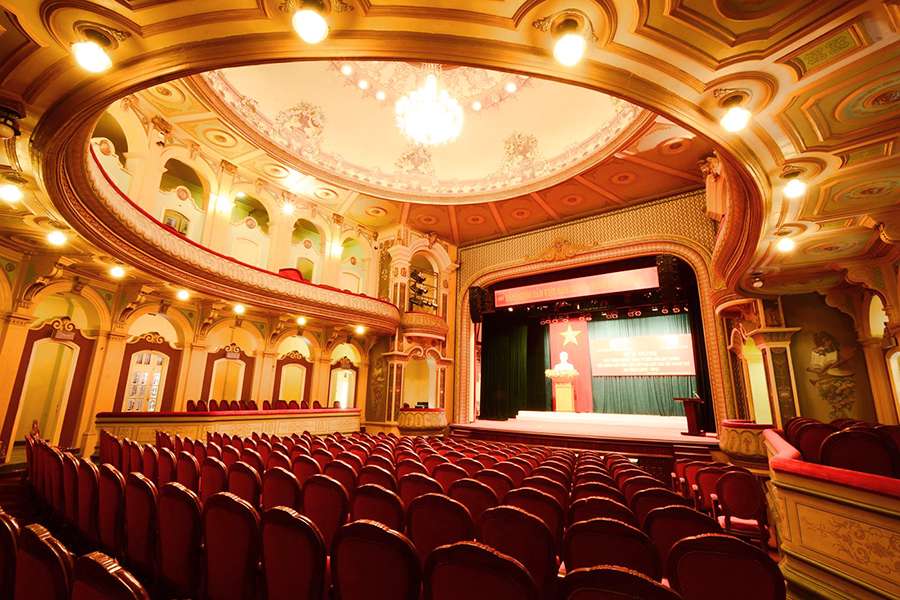
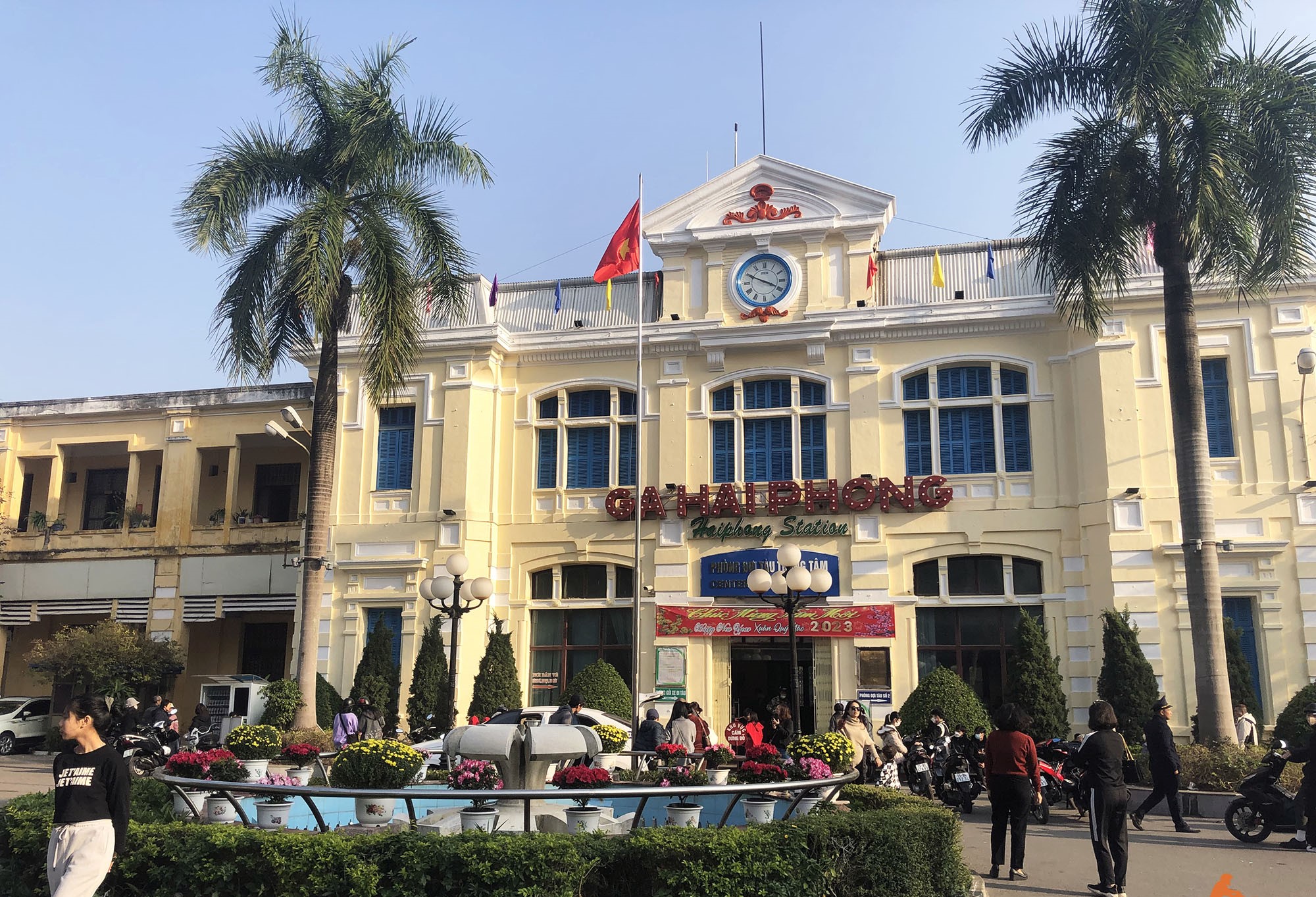
Hai Phong Opera House and the surrounding French Quarter showcase the city’s colonial-era heritage through elegant European architecture, tree-lined streets and historic buildings. Together, they offer a glimpse into Hai Phong’s urban history and distinctive character as a historic port city.
Central Hai Phong City
Historic architecture and urban heritage
Hai Phong Opera House was constructed between 1904 and 1912; the surrounding French Quarter developed from the late 19th century into the early 20th century.
Open all day for viewing the exterior and exploring the surrounding streets. Access to the Opera House interior depends on performances and events.
Neoclassical Opera House, historic French-style buildings, tree-lined streets, Opera Square and colonial-era urban architecture
Discover Hai Phong, a vibrant port city where coastal landscapes, island adventures, historic landmarks and distinctive Northern Vietnamese cuisine come together.
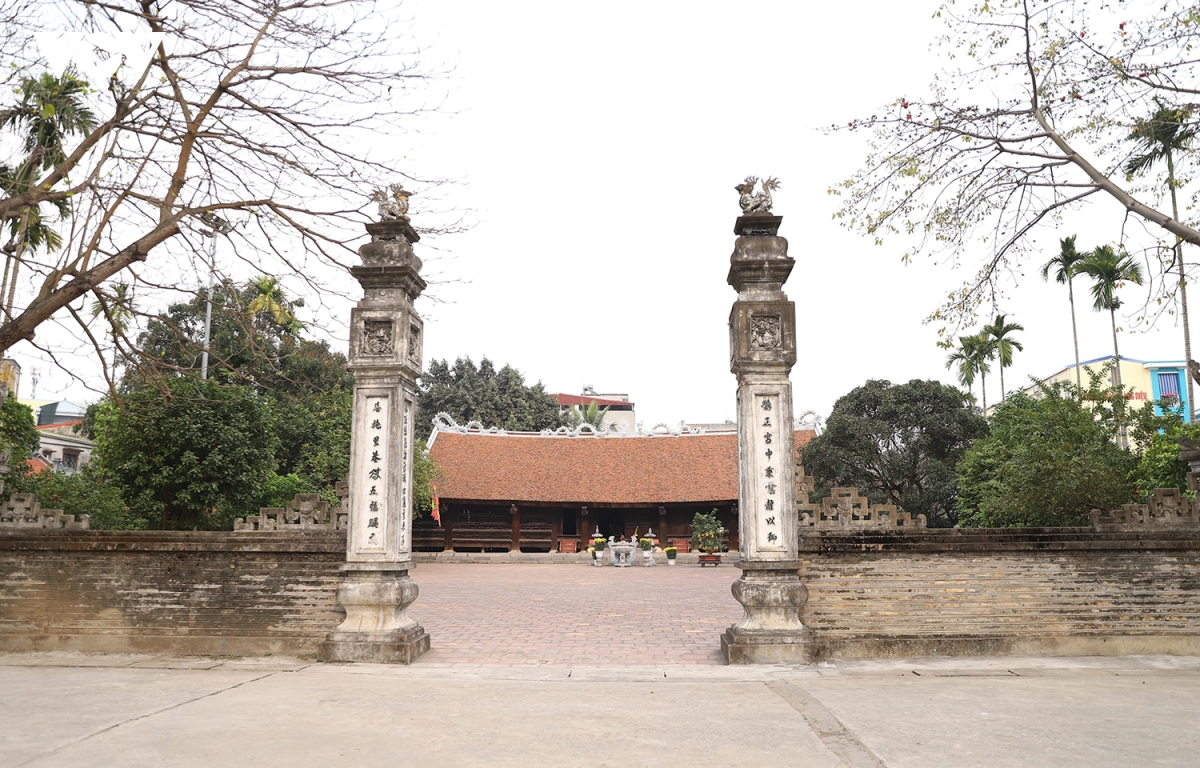
Discover Centuries of Vietnamese Heritage Through Exquisite Wooden Carvings and Timeless Traditional Architecture
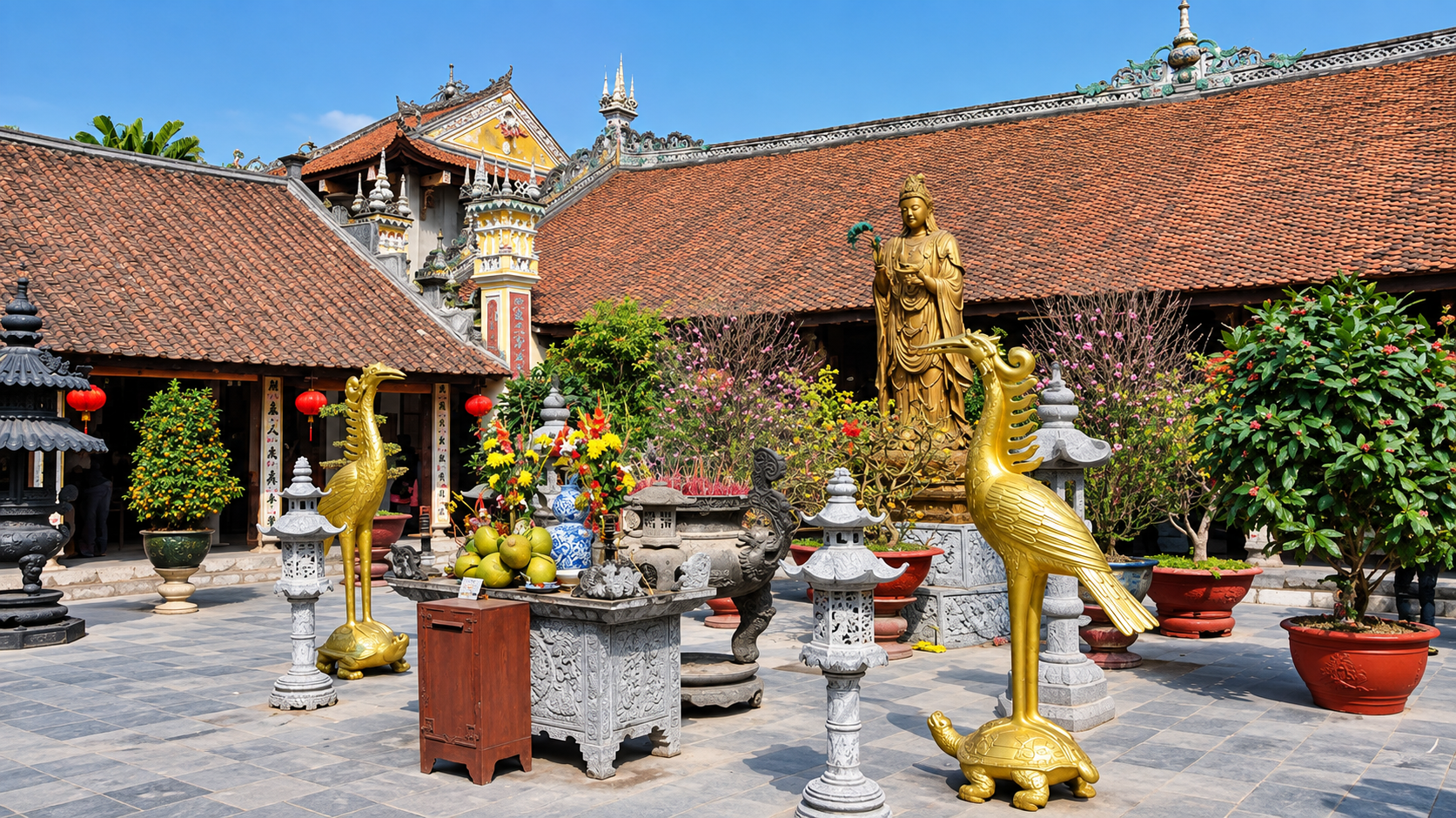
A Timeless Buddhist Sanctuary in the Heart of Hai Phong