
Ninh Binh
Discover Ninh Binh, where dramatic limestone landscapes, ancient heritage and peaceful waterways create one of Vietnam’s most captivating destinations.
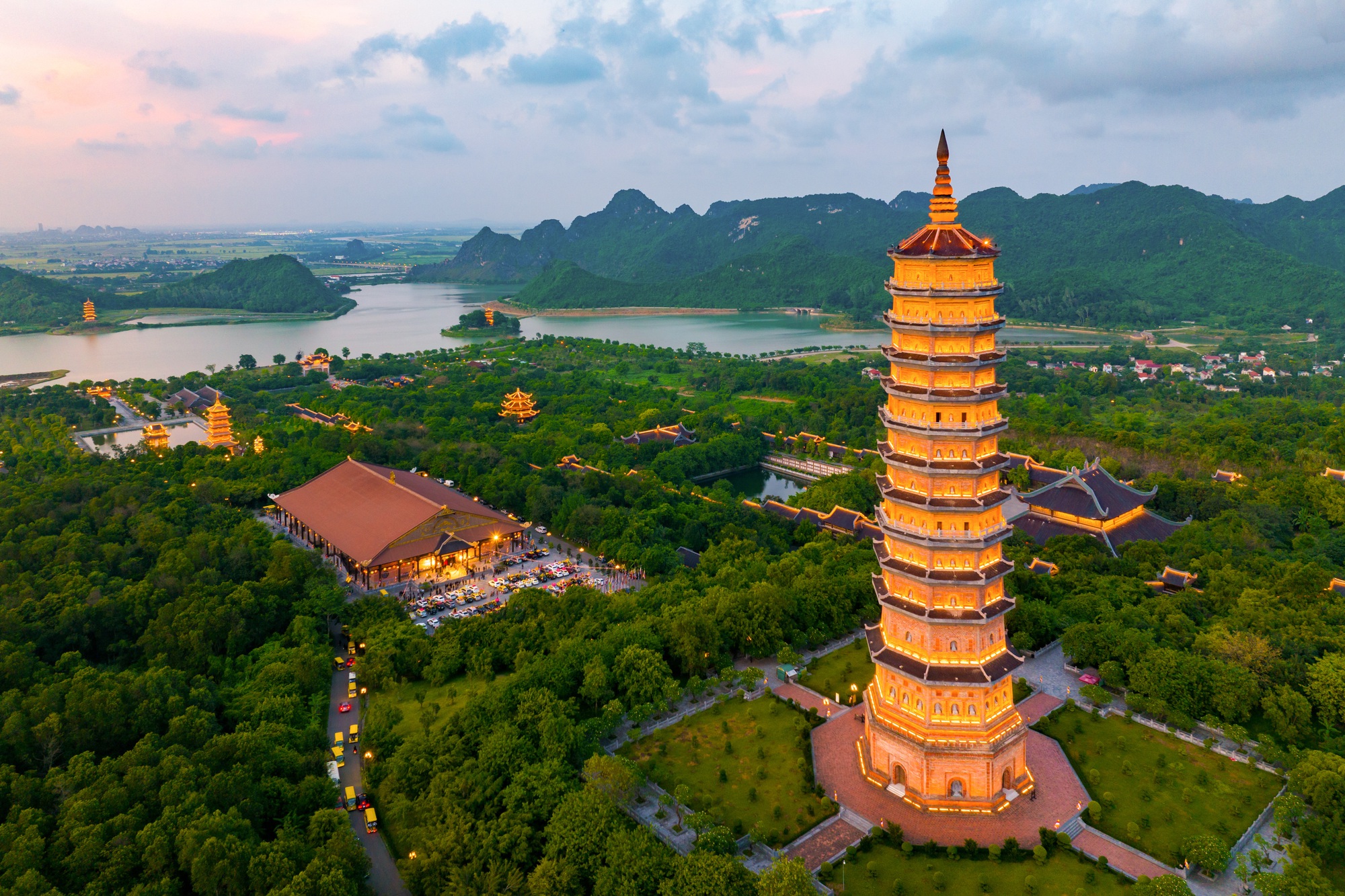
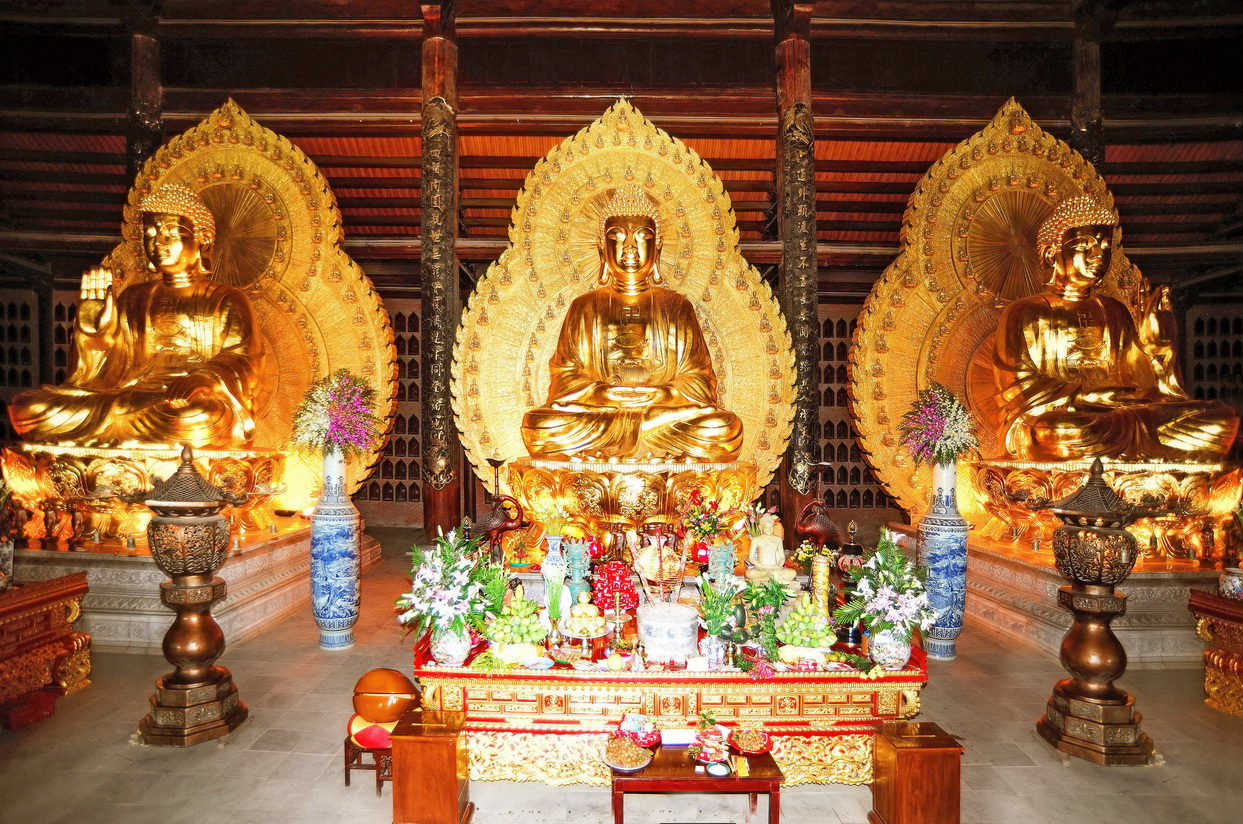
Set among the limestone mountains of Ninh Binh, Bai Dinh Pagoda is one of Vietnam’s largest Buddhist temple complexes, renowned for its grand architecture, monumental Buddha statues and significance as a major pilgrimage destination.
Tay Hoa Lu Ward, Ninh Binh Province
Buddhist Pagoda & Pilgrimage Site
Ancient pagoda with origins traditionally associated with the 11th–12th centuries; modern complex developed from 2003
Generally open daily
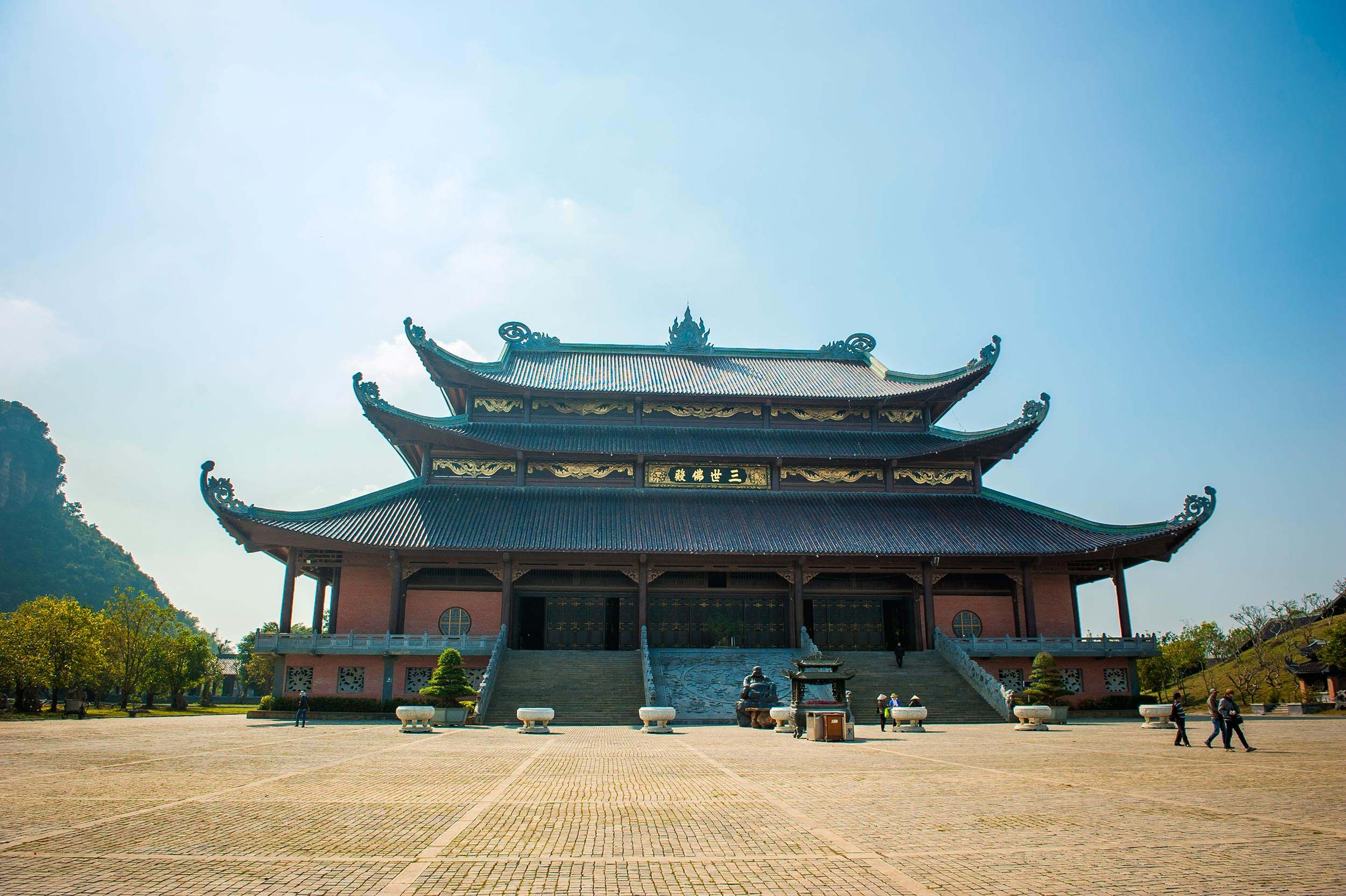
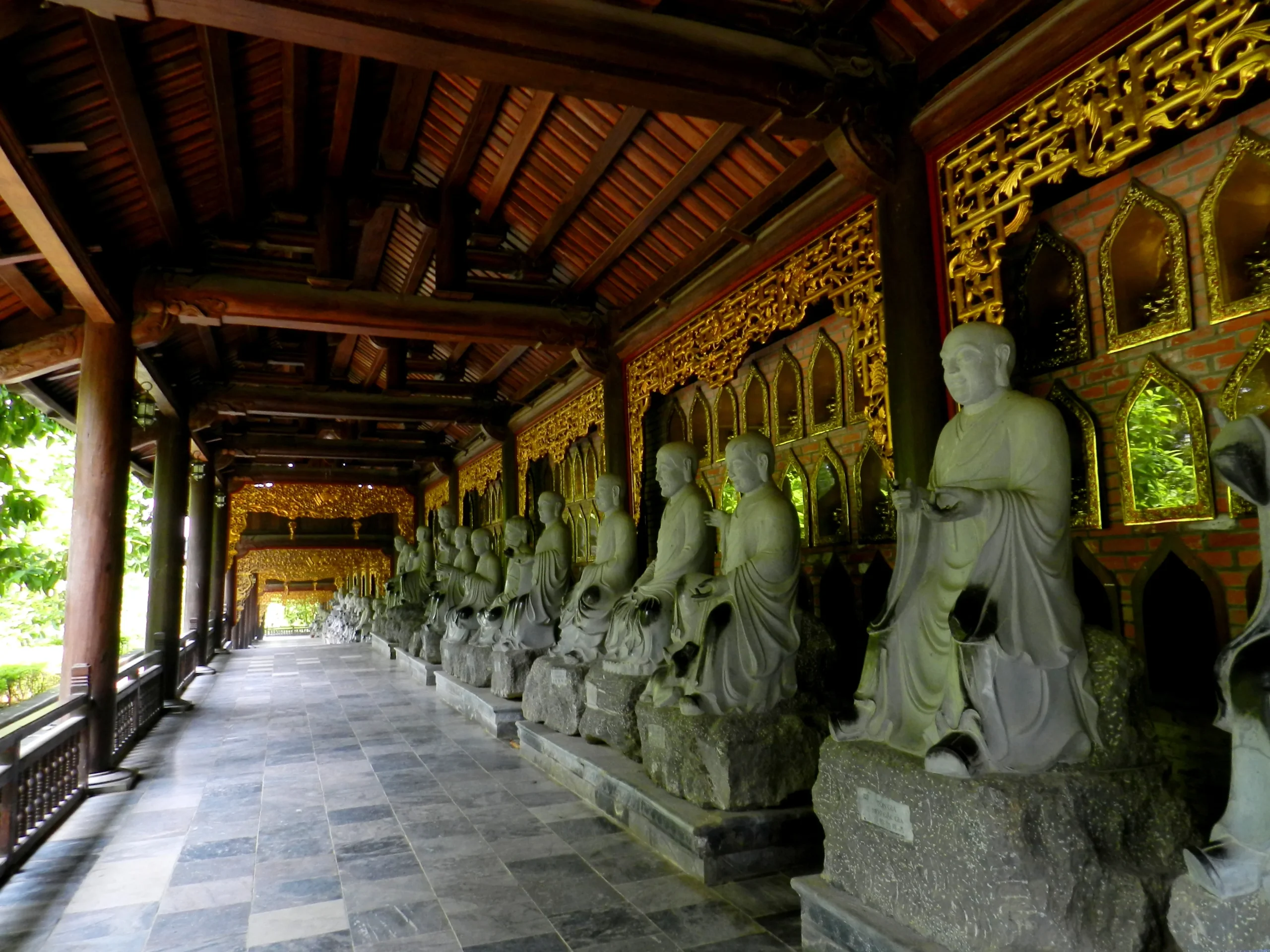
Tam The Hall, Phap Chu Hall, Arhat Corridor, bronze Buddha statues, Bell Tower and Bao Thien Stupa
Discover Ninh Binh, where dramatic limestone landscapes, ancient heritage and peaceful waterways create one of Vietnam’s most captivating destinations.
Relive the legend of Dinh Bo Linh in a spectacular live performance that brings Vietnam’s early history to life through martial arts, circus, dance and traditional music.
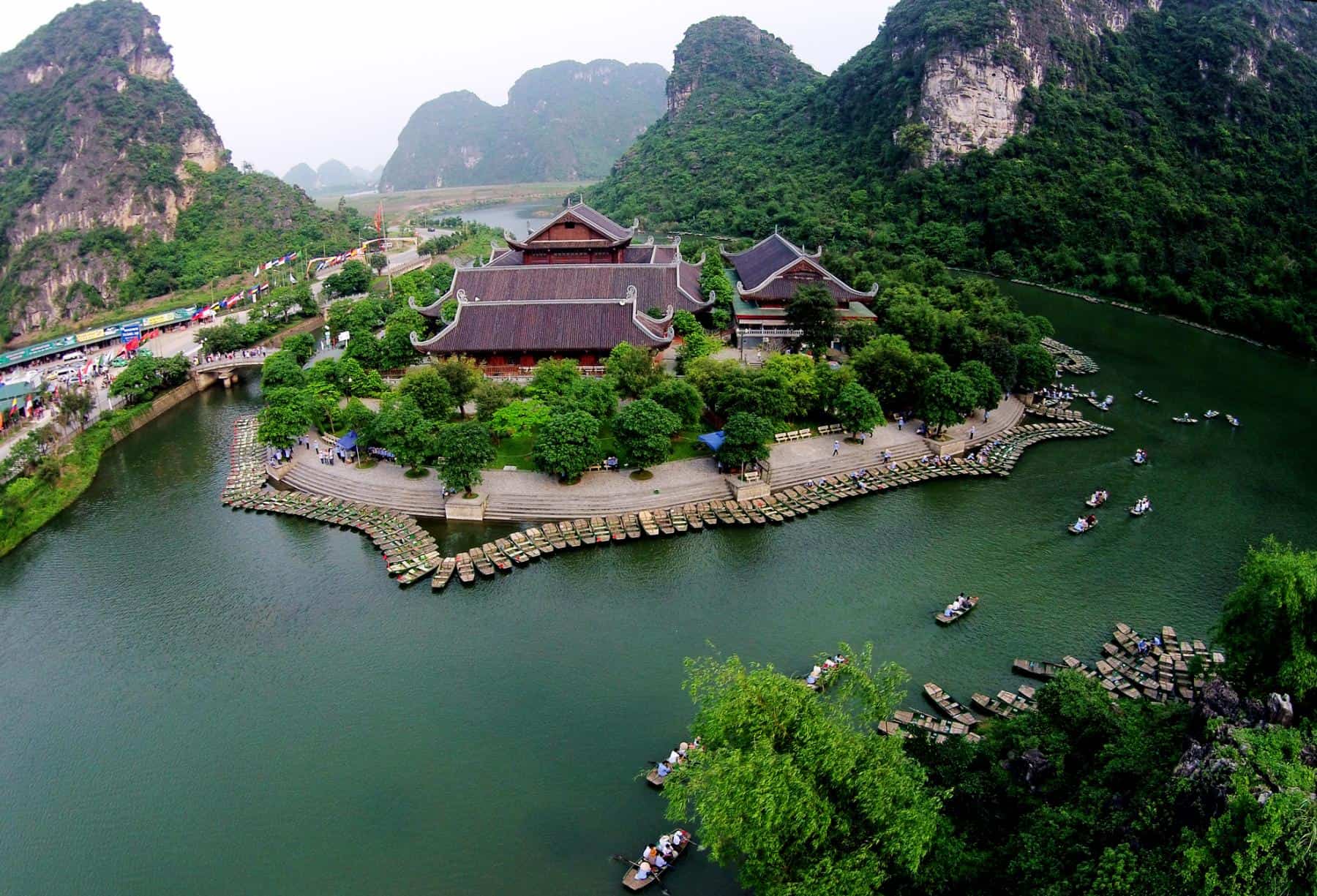
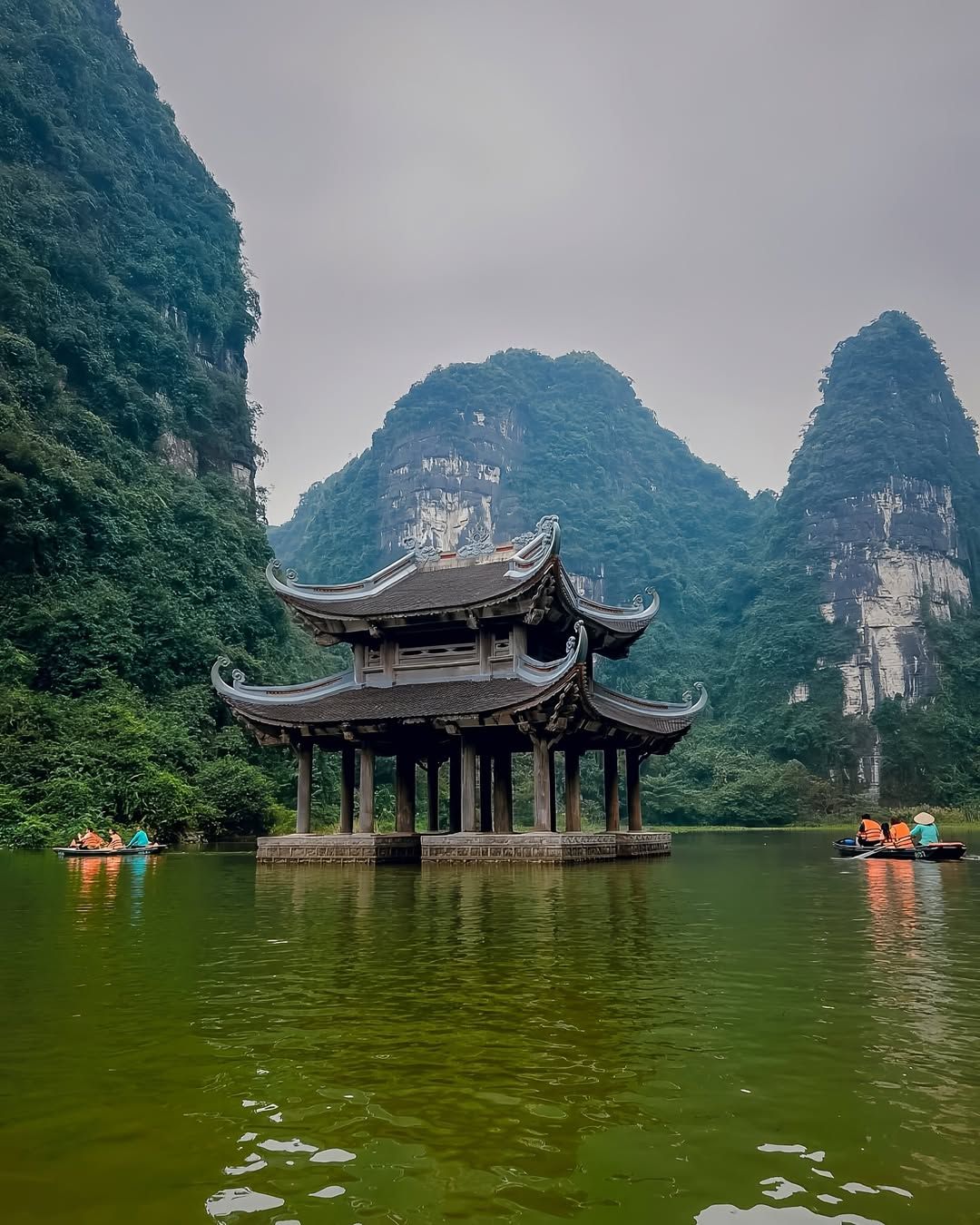
Explore Trang An, a UNESCO World Heritage landscape of towering limestone peaks, hidden caves, ancient temples and winding rivers in the heart of Ninh Binh.