

Da Nang
Discover a vibrant coastal destination where sun-kissed beaches, dramatic mountain landscapes, rich cultural heritage and exciting cuisine come together in the heart of Central Vietnam.
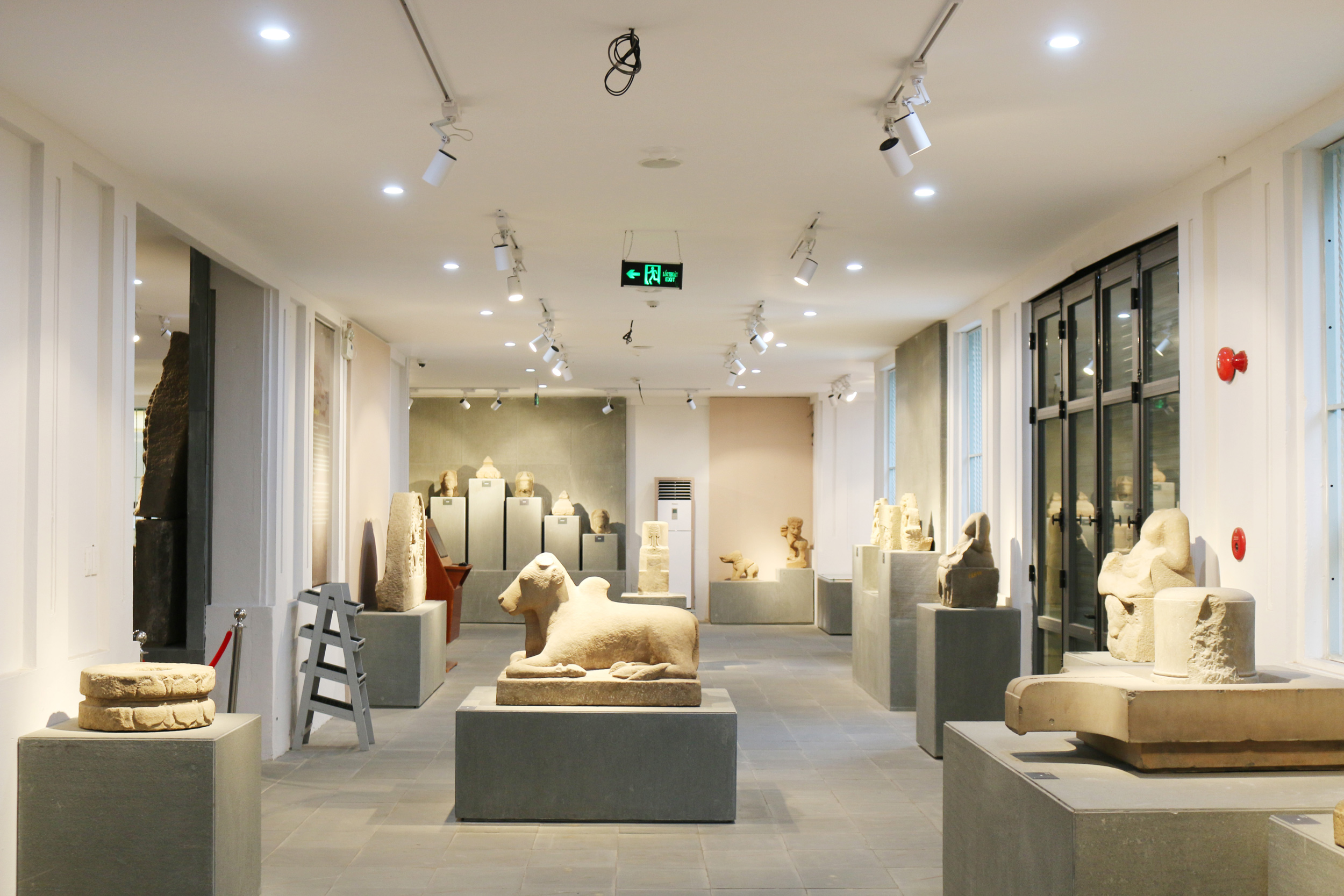
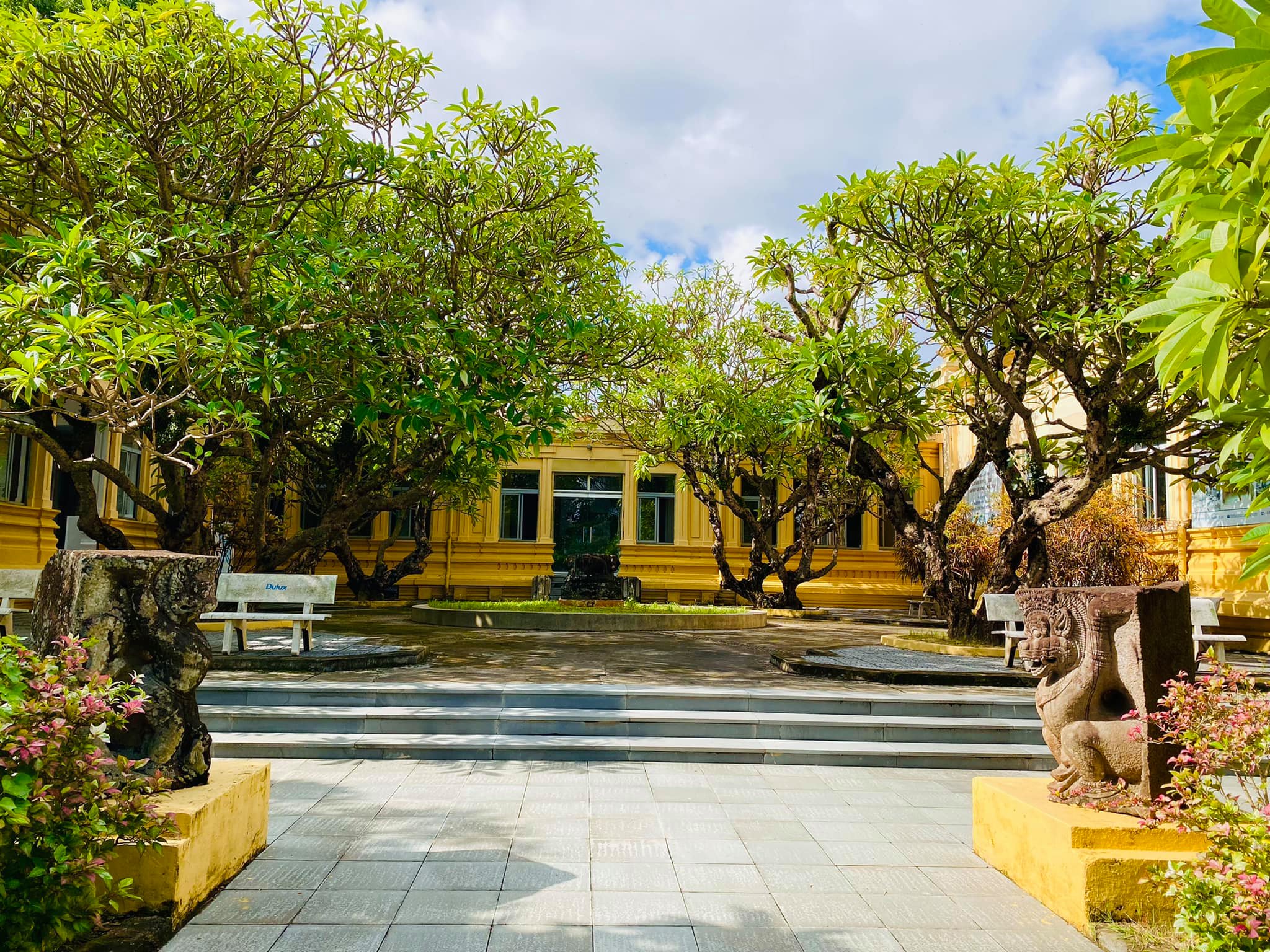
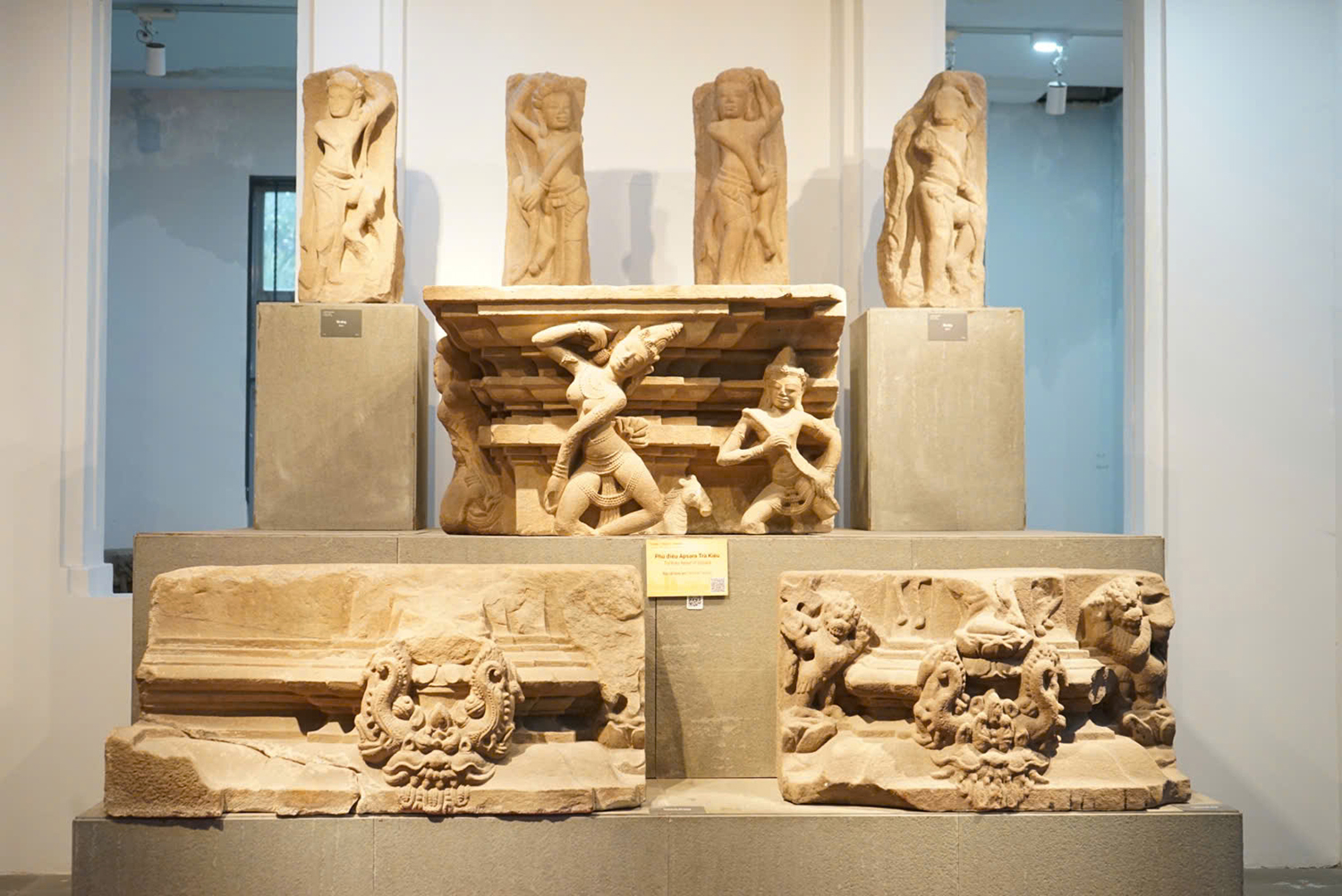
The Cham Museum of Sculpture preserves one of Vietnam’s most important collections of Cham art, featuring sandstone and terracotta works created between the early centuries of the Champa civilisation and the 15th century. Its exhibits reveal the kingdom’s religious beliefs, artistic achievements and cultural connections with wider South and Southeast Asia.
Binh Hien Ward, Da Nang City
Archaeological Museum & Cultural Heritage Site
Construction began in 1915; opened to the public in 1919
Daily, 7:00 AM–5:00 PM
Cham sandstone sculptures, Hindu and Buddhist deities, My Son E1 altar, Tra Kieu and Dong Duong collections, historic architecture
Discover a vibrant coastal destination where sun-kissed beaches, dramatic mountain landscapes, rich cultural heritage and exciting cuisine come together in the heart of Central Vietnam.
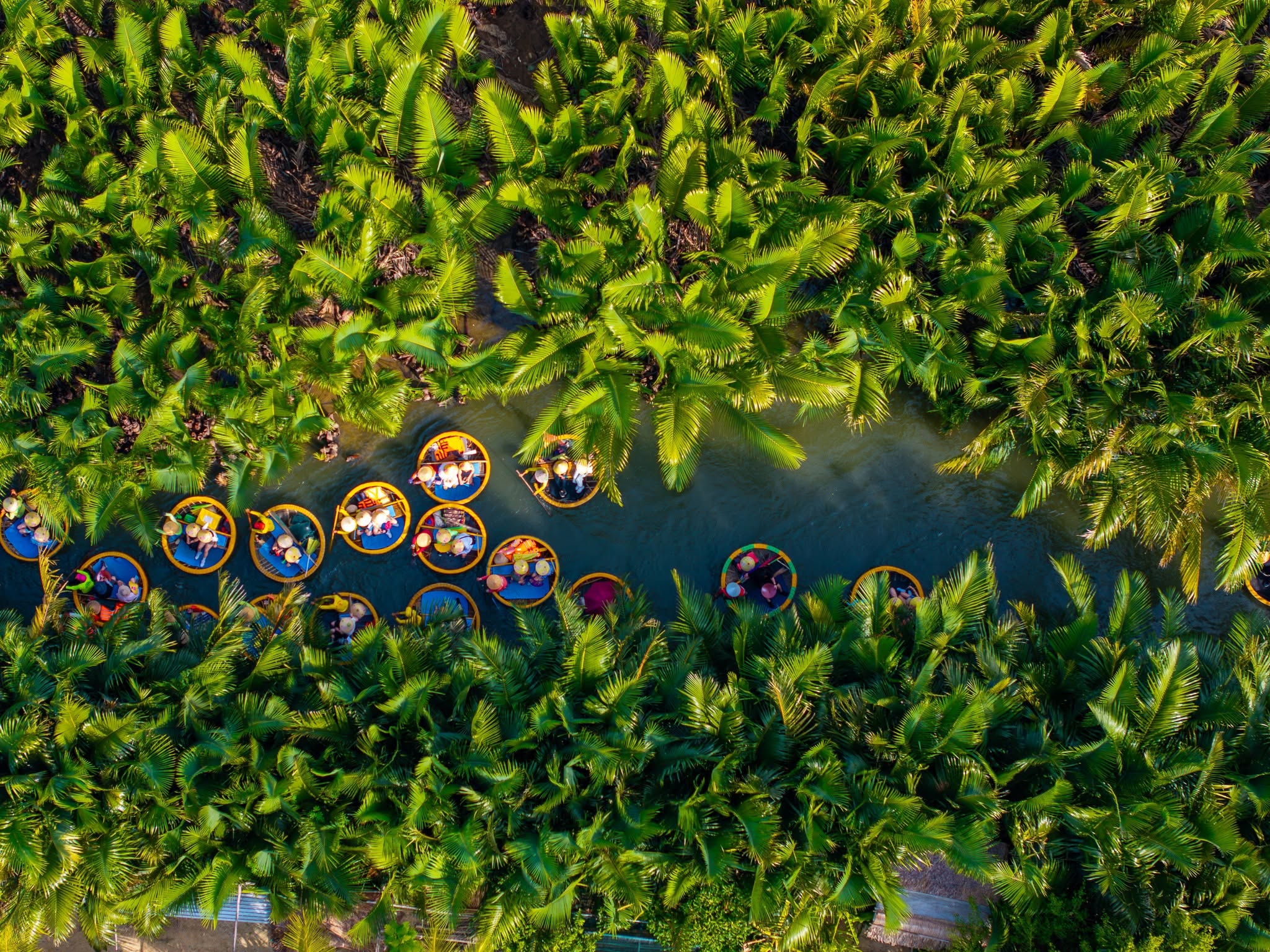
Glide through winding waterways beneath lush nipa palms and discover the natural beauty, traditional river culture and wartime history of Hoi An’s countryside.
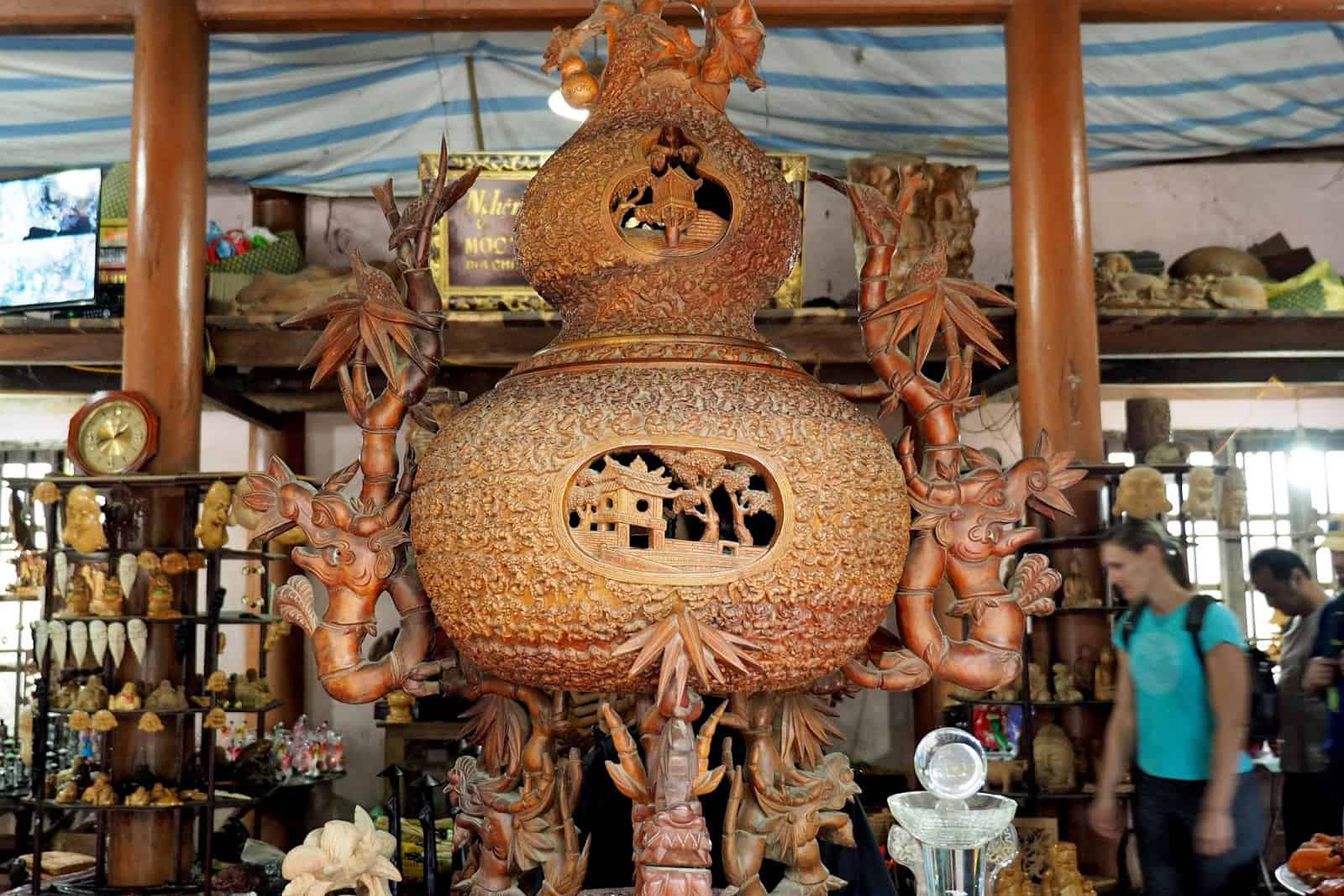
Explore a riverside craft village where generations of skilled artisans transform wood into intricate carvings, traditional boats and architectural masterpieces.