
Bac Ninh
Discover Bac Ninh, where UNESCO-recognised folk melodies, centuries-old pagodas, traditional craft villages and the enduring heritage of the Red River Delta reveal a rich side of northern Vietnam.
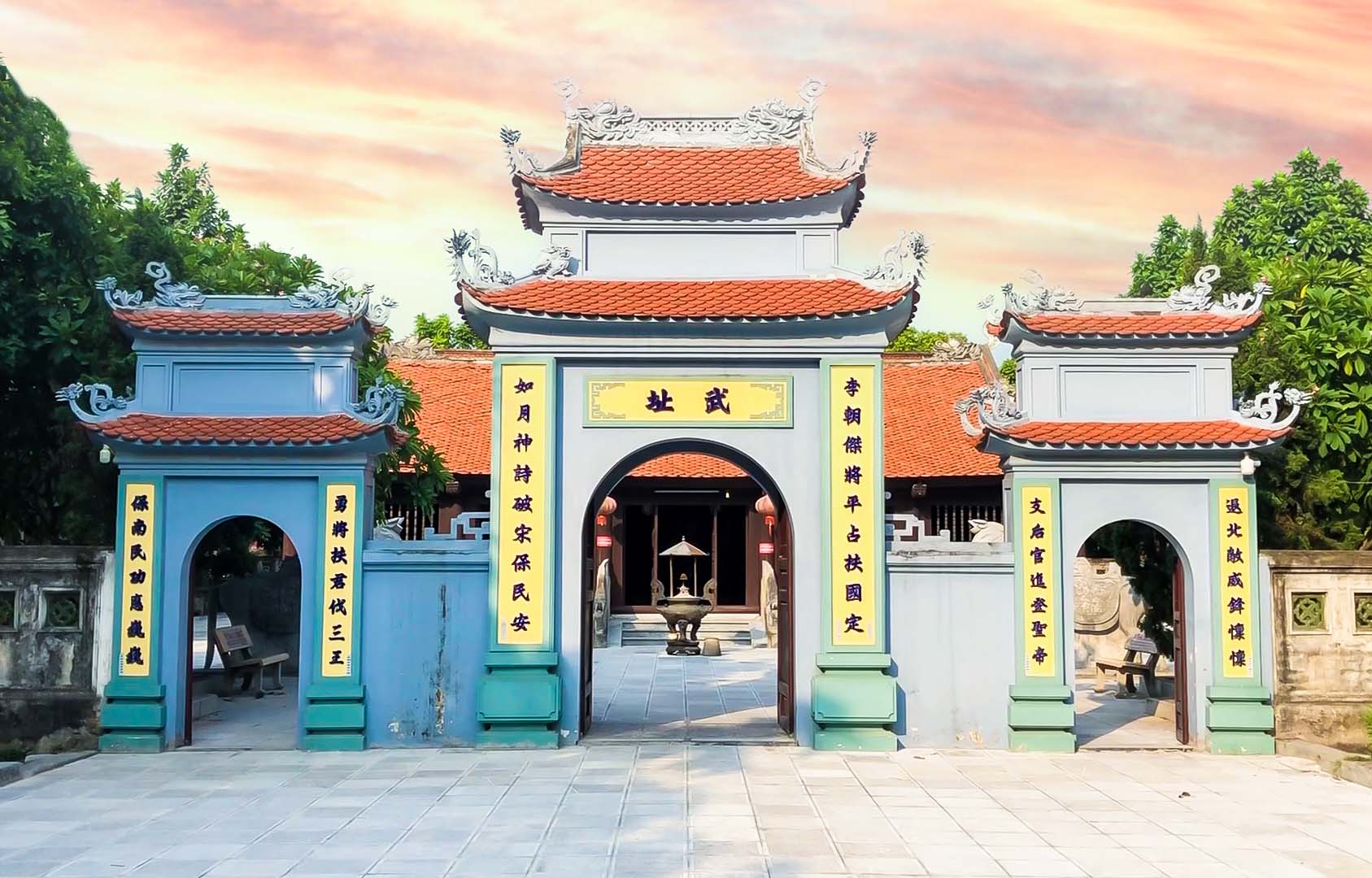
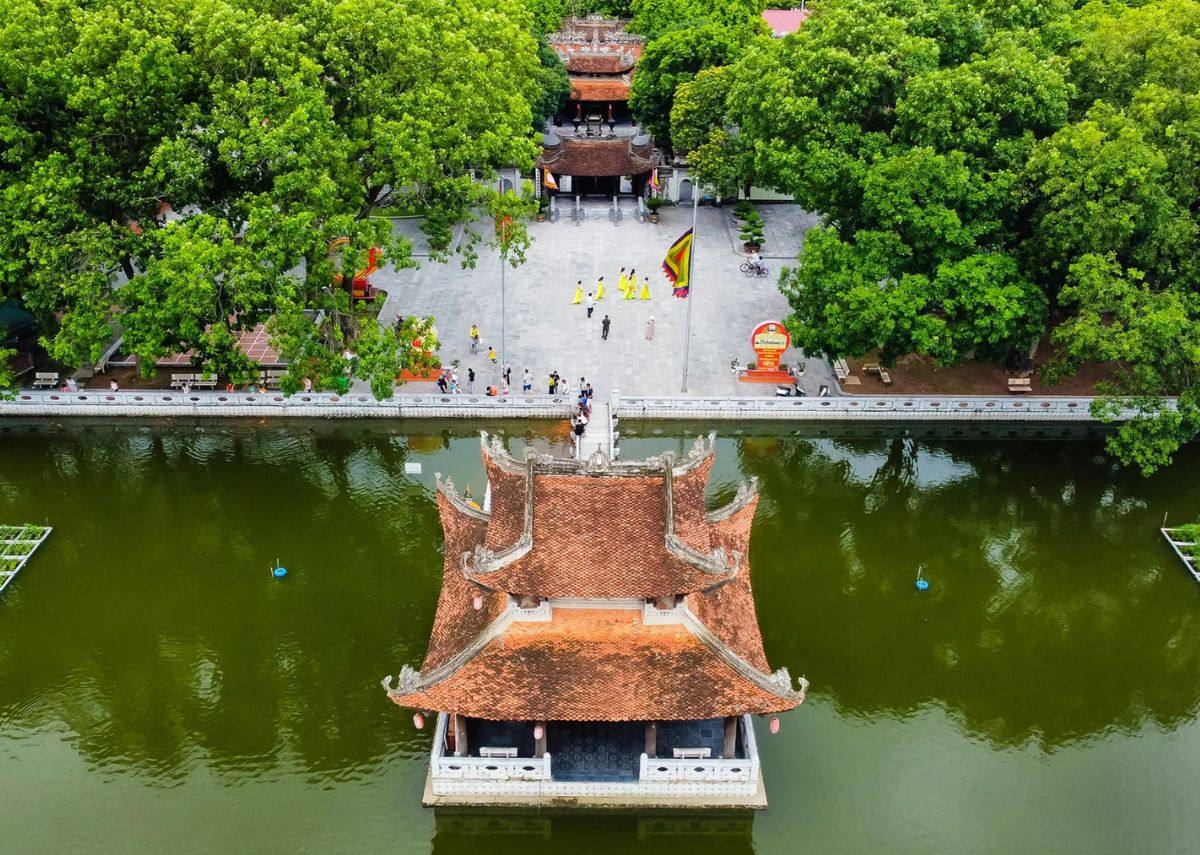
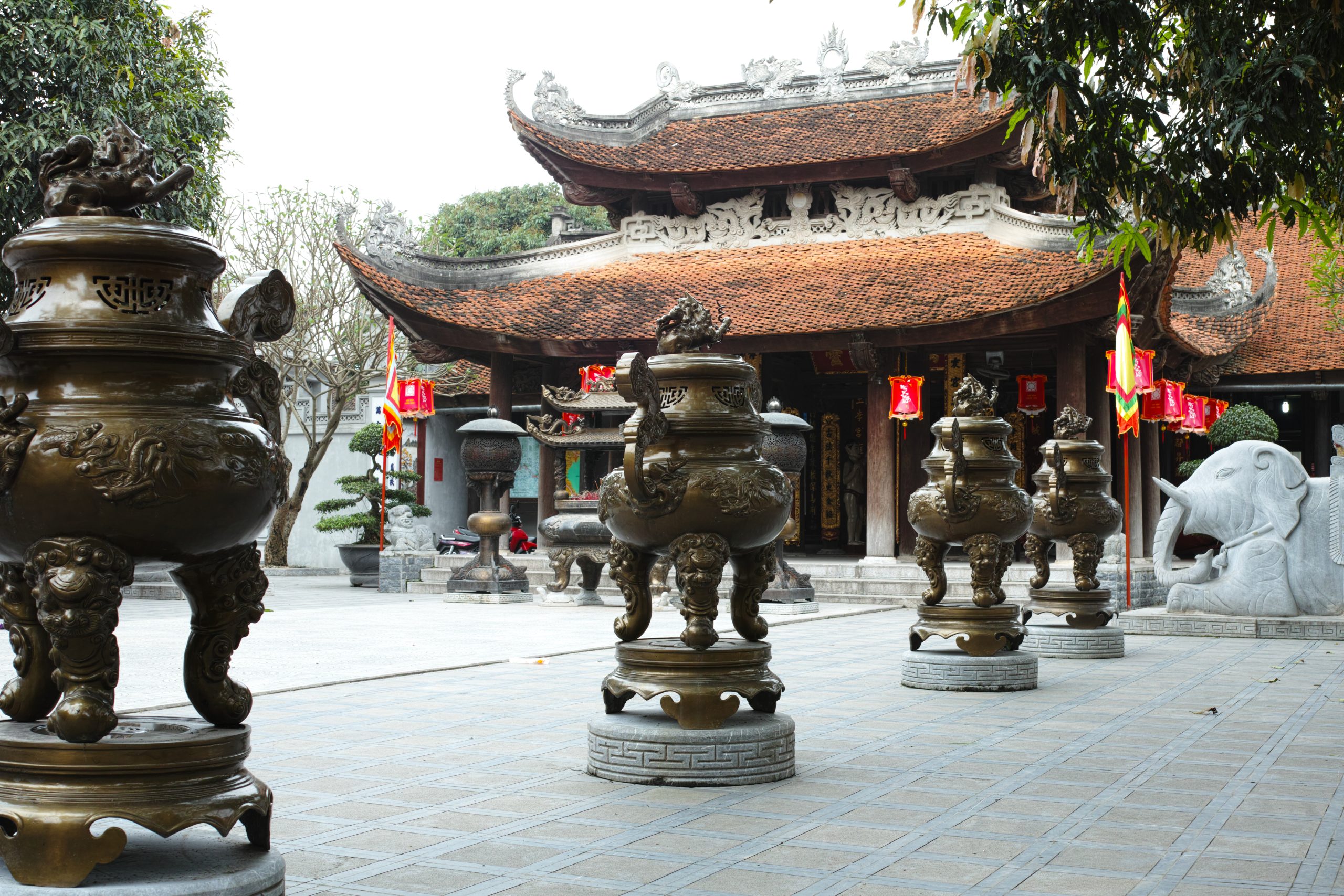
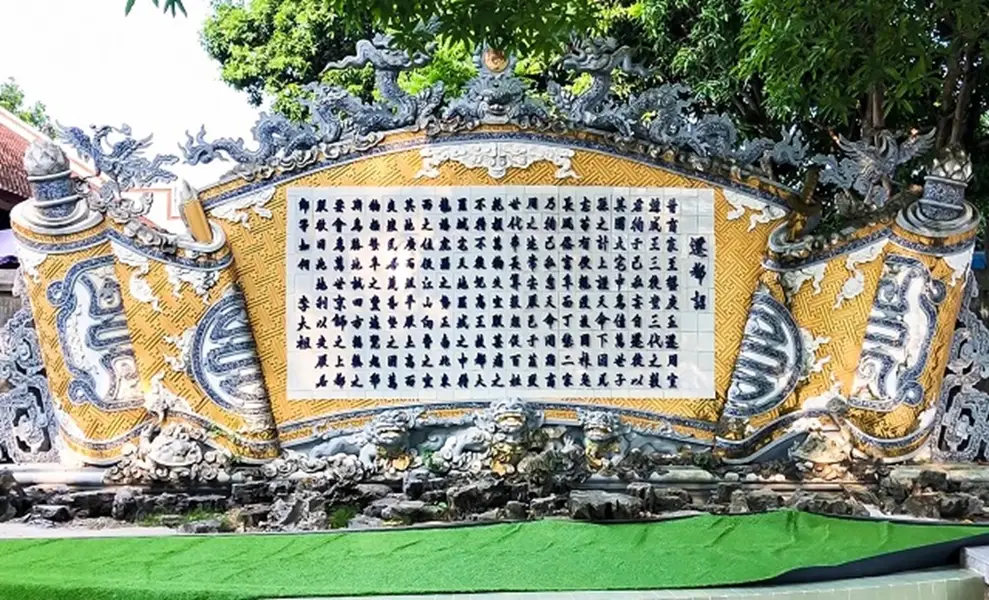
Do Temple, also known as Ly Bat De Temple, is an important historical and spiritual landmark dedicated to the eight emperors of the Ly Dynasty. Located in the historic Kinh Bac region, the complex preserves the memory of the dynasty that established Thang Long—modern-day Hanoi—as Vietnam’s capital in 1010.
Tu Son Ward, Bac Ninh City
Royal Ancestral Temple & National Special Historical Site
First established in 1030 by Emperor Ly Thai Tong; reconstructed and expanded in later centuries
Generally open during daytime
Ngu Long Mon Gate, ancestral worship halls, traditional wooden architecture, intricate carvings, crescent-shaped lake, Thuy Dinh water pavilion and the annual Do Temple Festival
Discover Bac Ninh, where UNESCO-recognised folk melodies, centuries-old pagodas, traditional craft villages and the enduring heritage of the Red River Delta reveal a rich side of northern Vietnam.
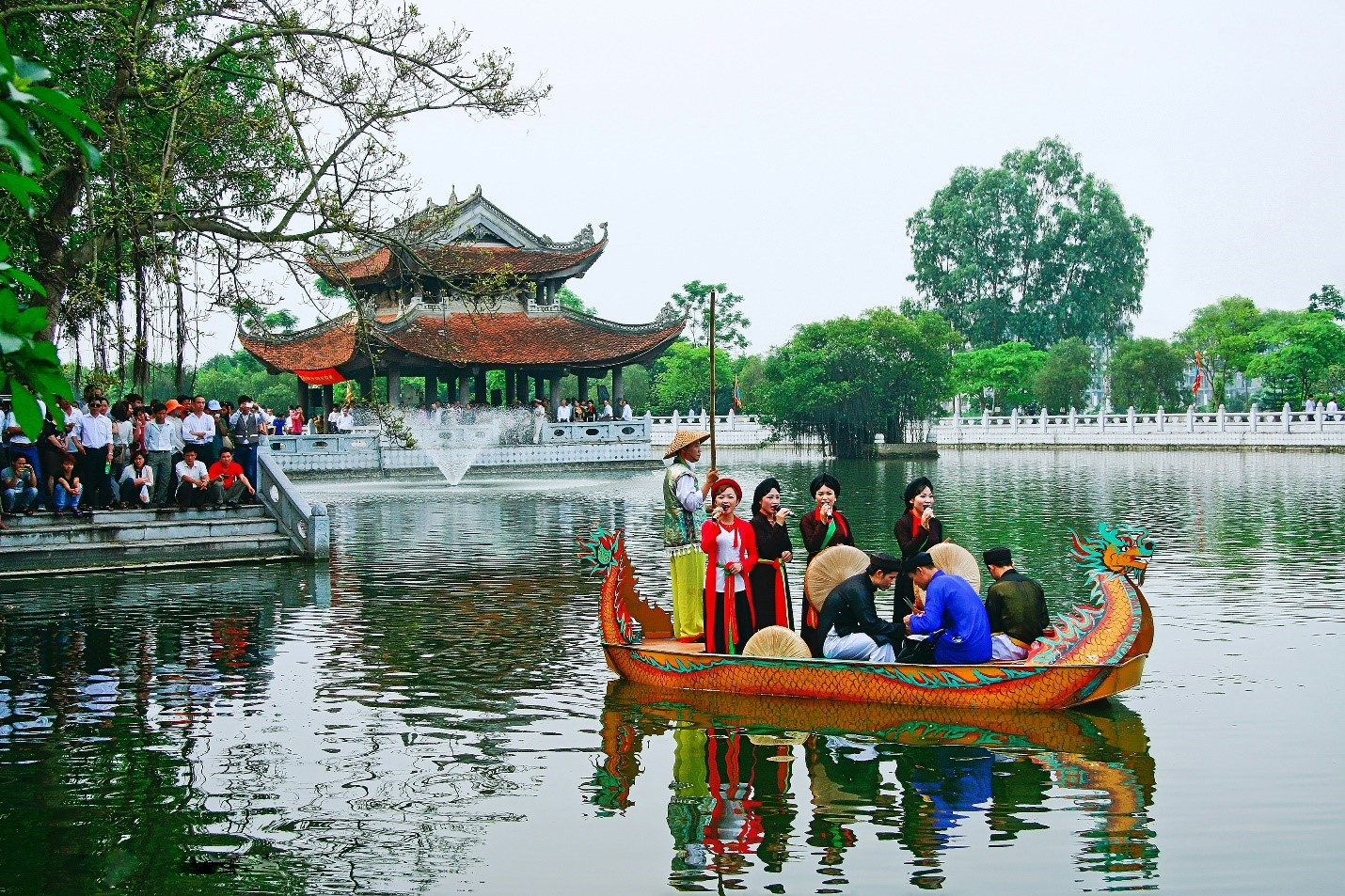
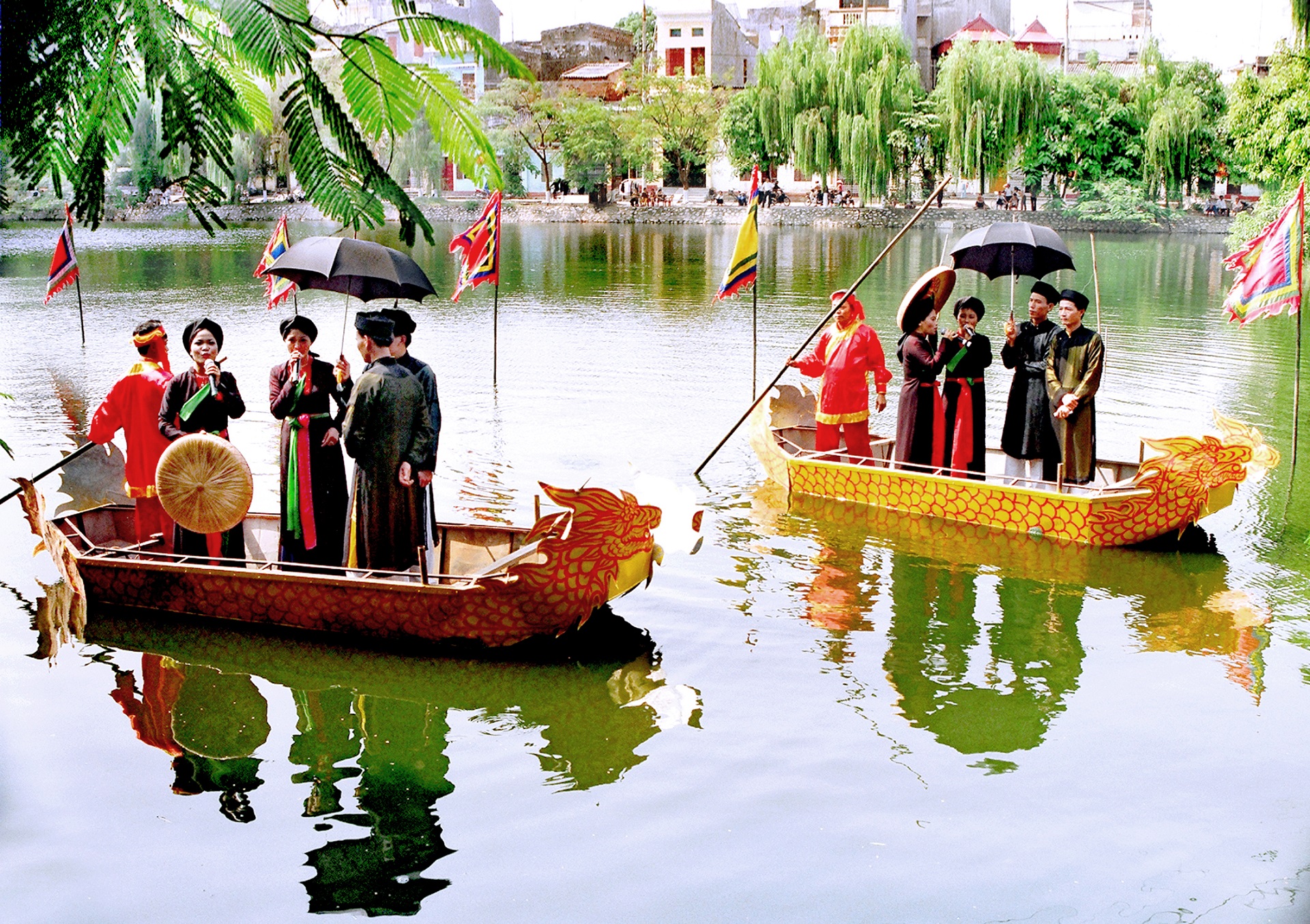
Experience the lyrical beauty of Quan Ho folk singing, where graceful melodies, traditional costumes and heartfelt musical exchanges bring the centuries-old cultural traditions of northern Vietnam to life.
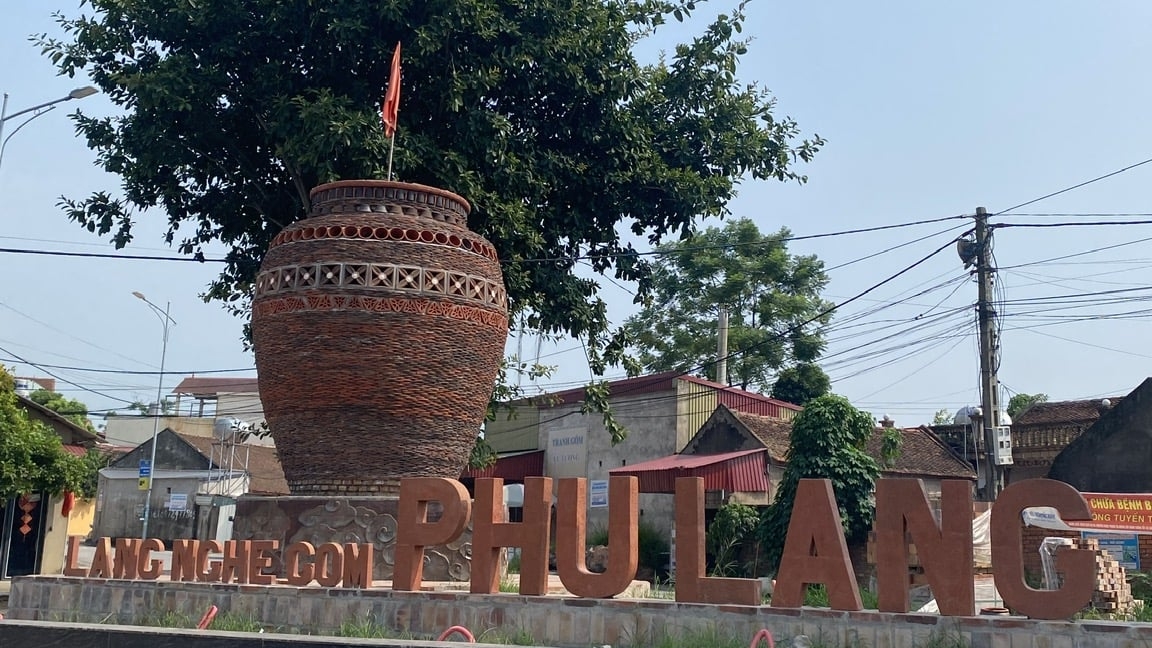
Explore the earthy beauty of Phu Lang pottery, where skilled artisans transform local clay, traditional glazes and fire into distinctive ceramics that embody the enduring craftsmanship of Vietnam’s Kinh Bac region.