




Da Nang
Discover a vibrant coastal destination where sun-kissed beaches, dramatic mountain landscapes, rich cultural heritage and exciting cuisine come together in the heart of Central Vietnam.
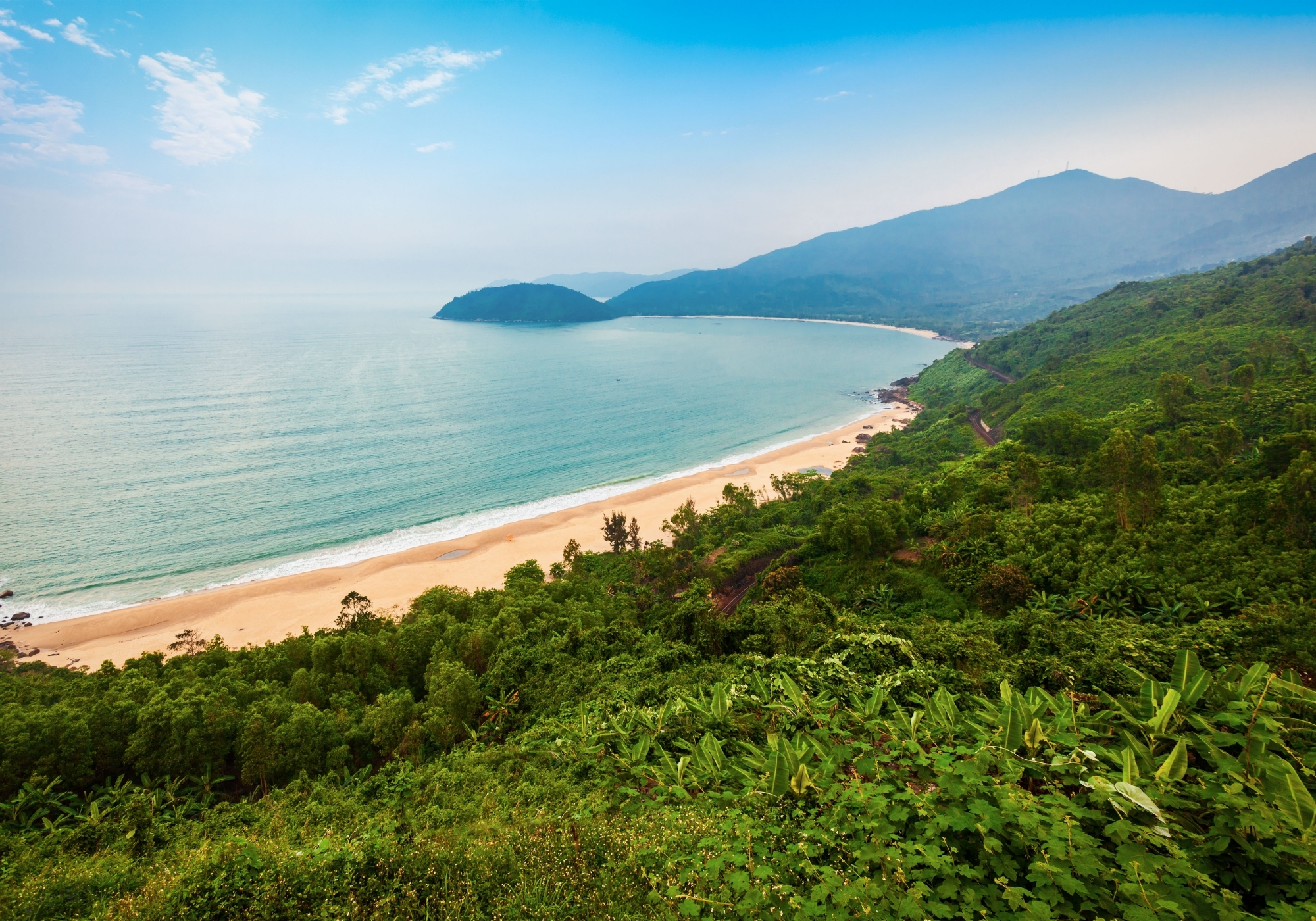
Hai Van Pass is a celebrated mountain route running along the Truong Son Range between Da Nang and Hue. Stretching approximately 21 km and reaching around 496 metres above sea level, it is renowned for its winding roads, dramatic mountain scenery and historic Hai Van Gate at the summit.
Between Da Nang City and Hue City
Mountain Pass & Historic Landmark
Mountain road developed over time; Hai Van Gate was built in 1826
Open daily; no standard opening hours for the mountain pass itself
Winding coastal road, Hai Van Gate, panoramic views of Da Nang Bay, Lang Co Bay and the surrounding mountains
Discover a vibrant coastal destination where sun-kissed beaches, dramatic mountain landscapes, rich cultural heritage and exciting cuisine come together in the heart of Central Vietnam.
Glide through winding waterways beneath lush nipa palms and discover the natural beauty, traditional river culture and wartime history of Hoi An’s countryside.
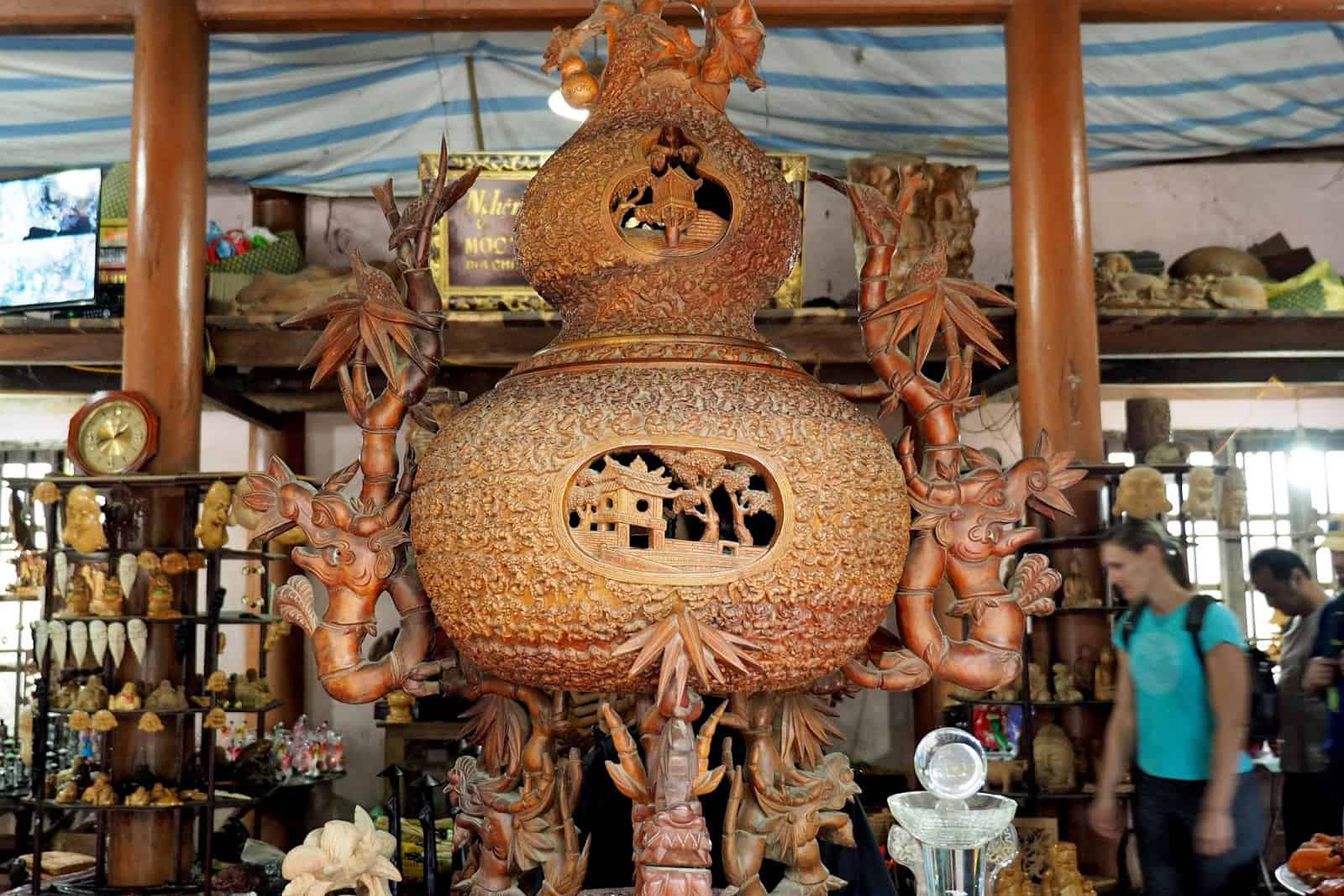
Explore a riverside craft village where generations of skilled artisans transform wood into intricate carvings, traditional boats and architectural masterpieces.