
Ho Chi Minh City
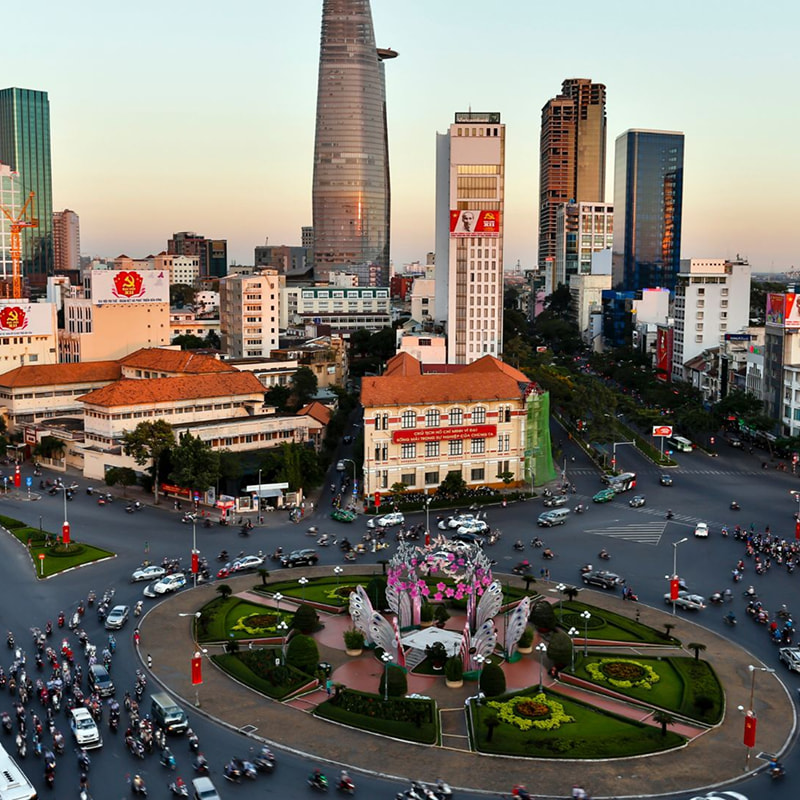
Discover a city where historic landmarks, vibrant street life and contemporary energy come together, offering an unforgettable introduction to the culture, cuisine and contrasts of southern Vietnam.
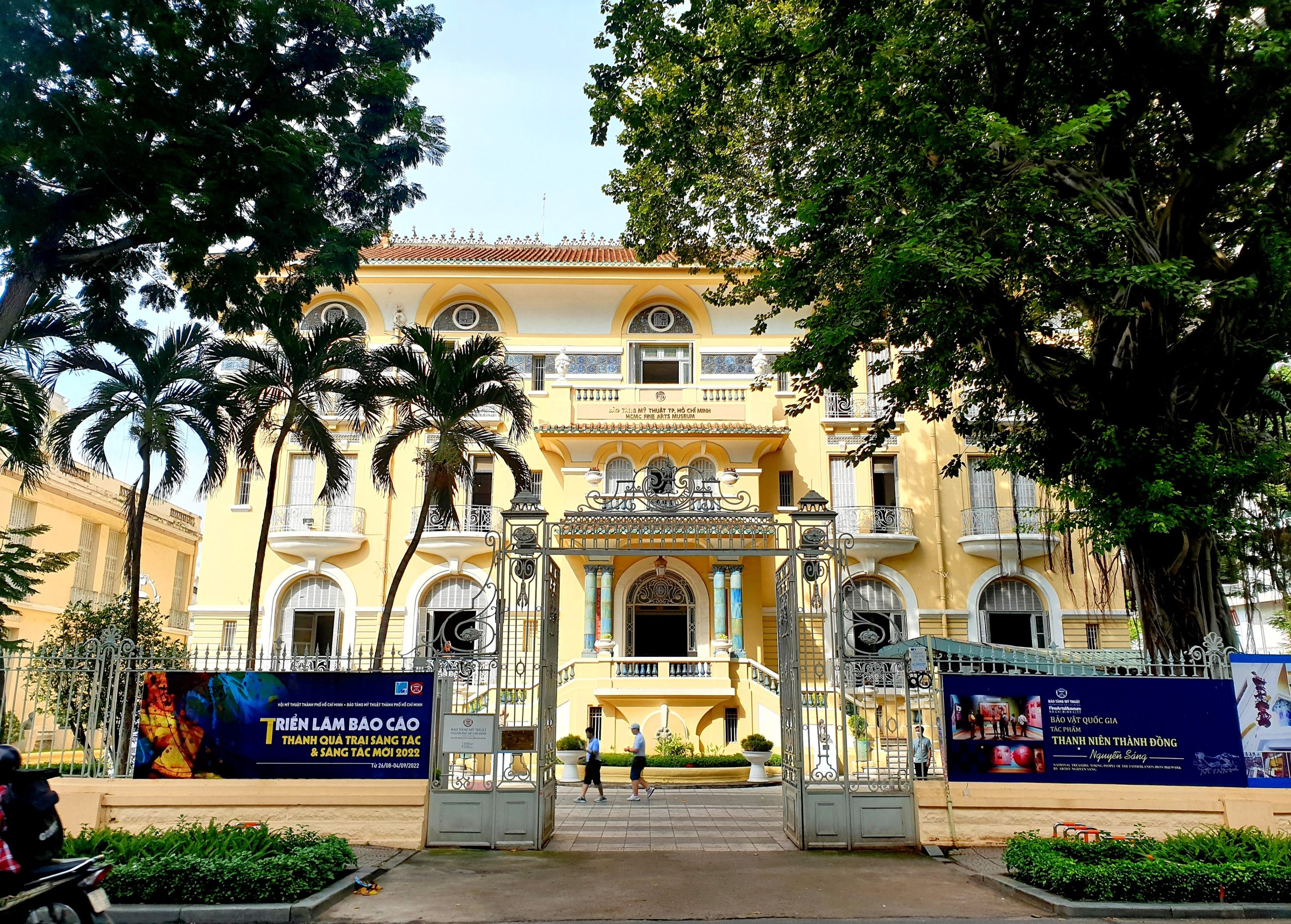
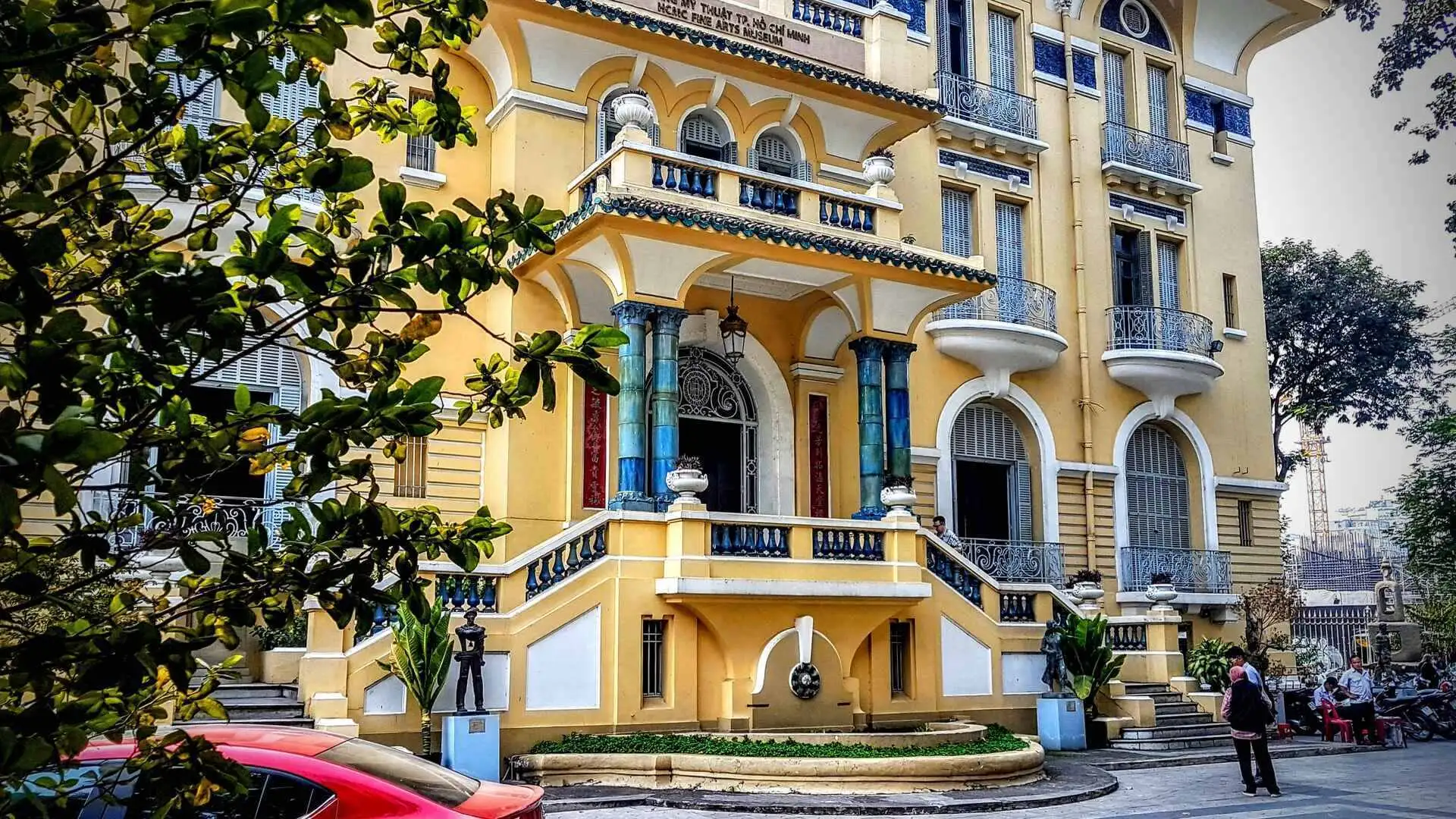
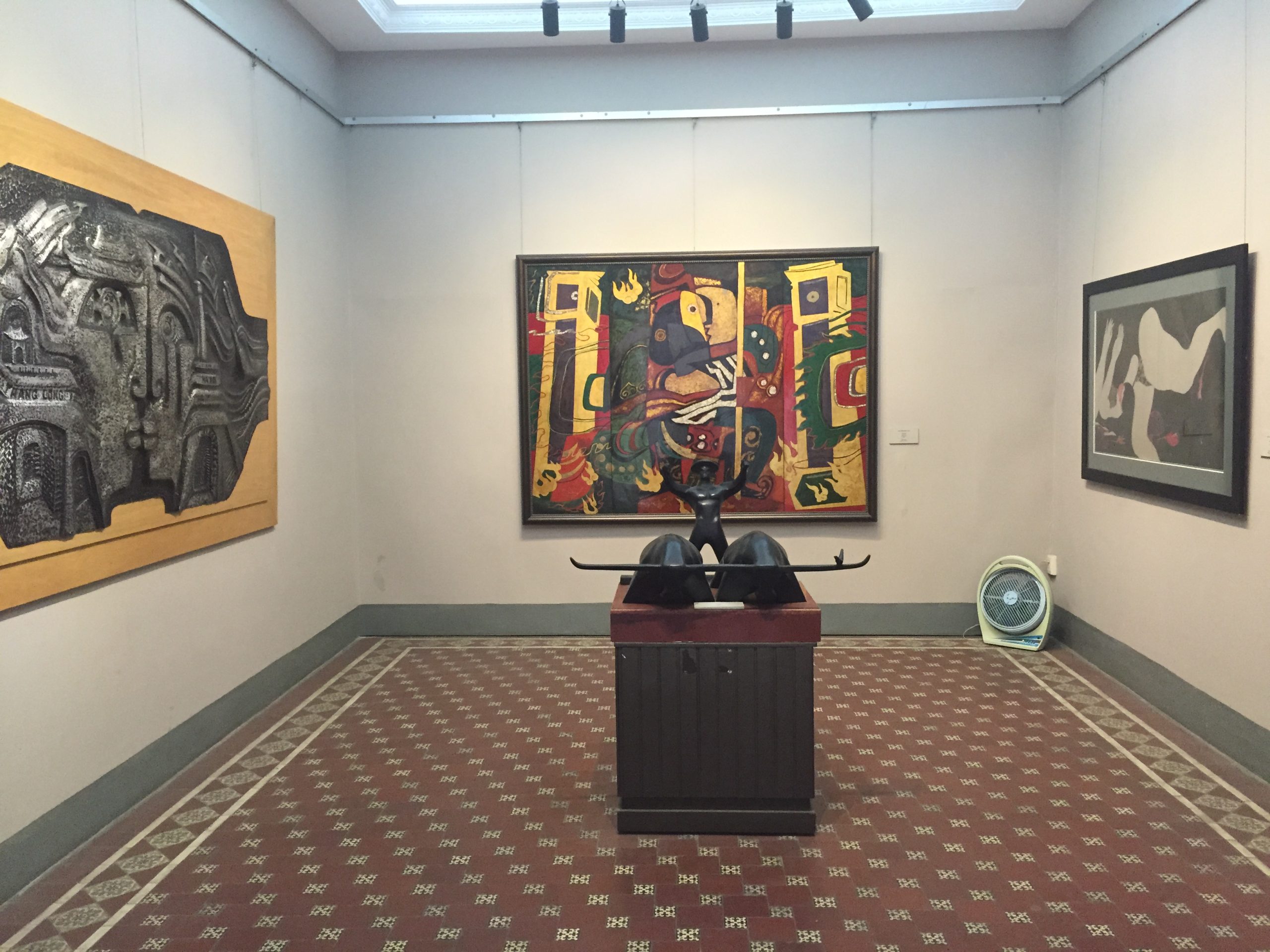
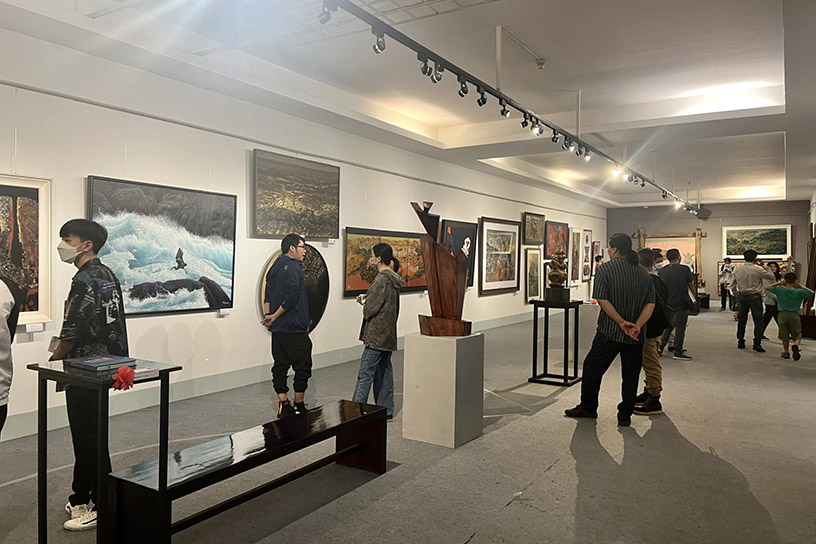
The Ho Chi Minh City Museum of Fine Arts is a major cultural destination showcasing Vietnamese paintings, sculptures, traditional art and historical artefacts. Housed in a distinctive early-20th-century mansion, the museum offers visitors both an introduction to Vietnam’s art history and an opportunity to admire one of the city’s most characterful historic buildings.
97A Pho Duc Chinh Street, Ben Thanh Ward, Ho Chi Minh City
Fine Arts Museum & Architectural Heritage Site
Museum established in 1987; housed in a mansion completed in 1934
Generally 8:00 AM–5:00 PM daily
Vietnamese lacquer paintings, silk paintings, sculptures, traditional ceramics, ancient artefacts, stained-glass windows, patterned floor tiles and historic architectural details
Discover a city where historic landmarks, vibrant street life and contemporary energy come together, offering an unforgettable introduction to the culture, cuisine and contrasts of southern Vietnam.
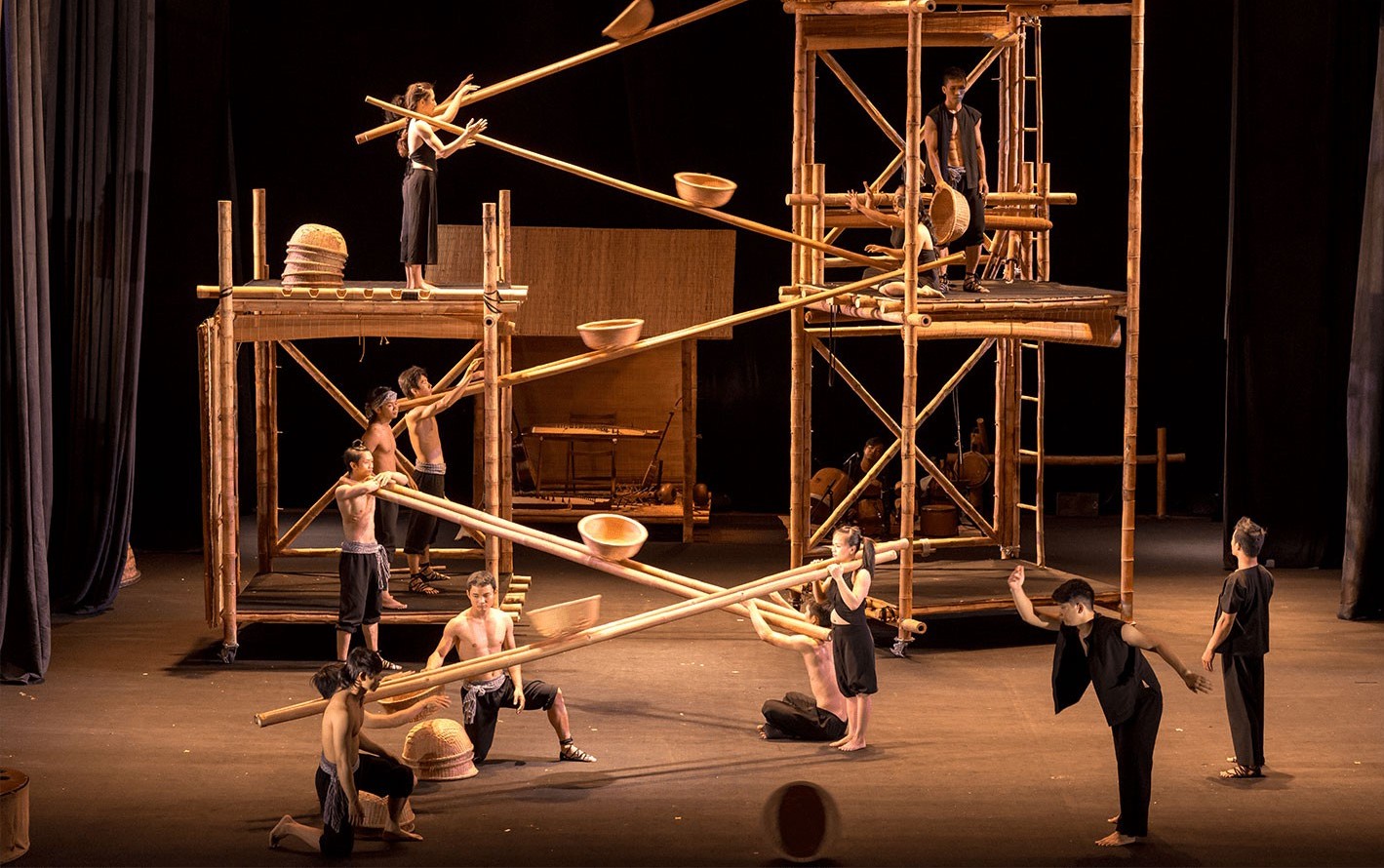
Experience the spirit of Vietnam through a spectacular fusion of bamboo acrobatics, live traditional music and contemporary theatre, performed in one of Ho Chi Minh City’s most beautiful historic venues.
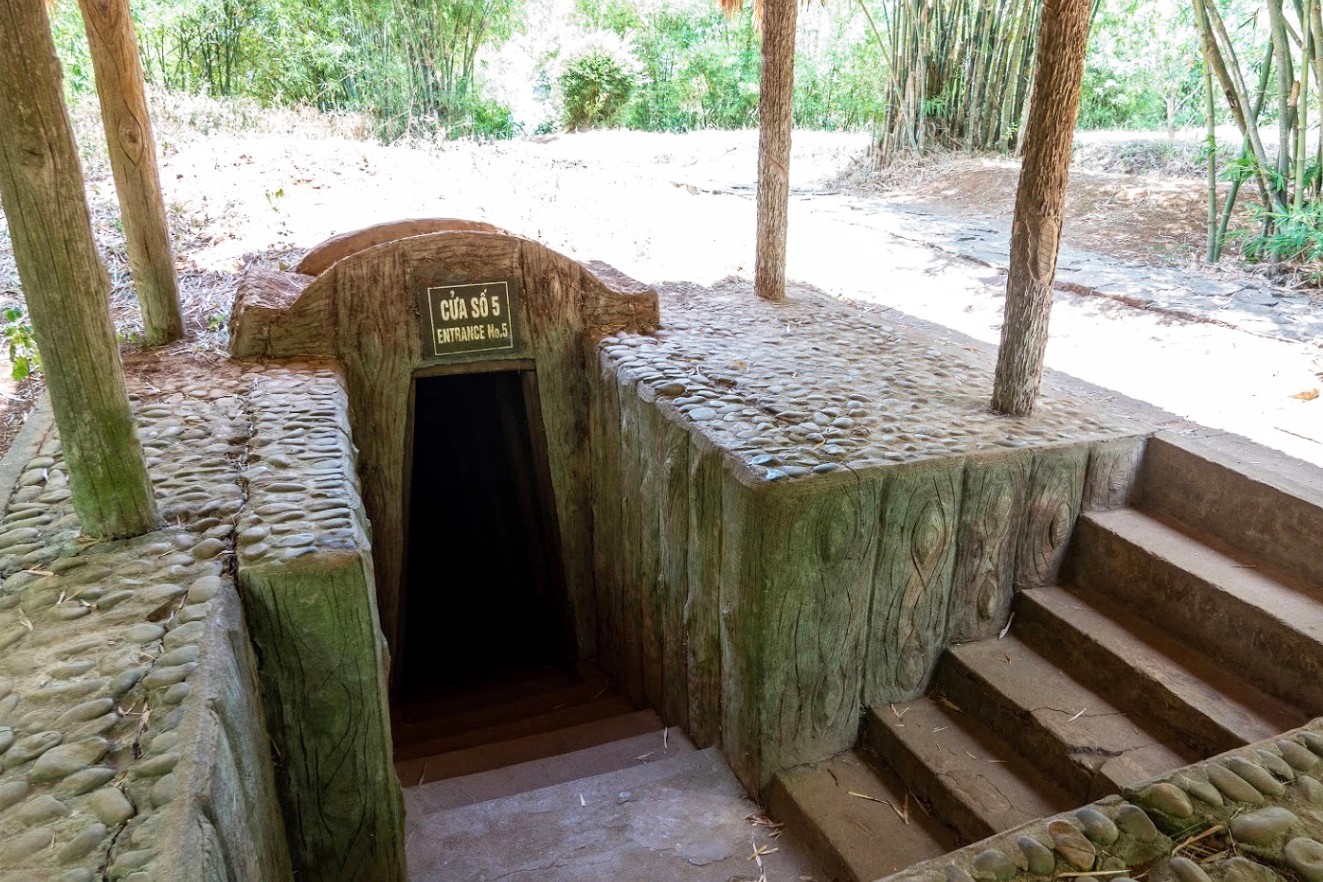
Step into one of Vietnam’s most extraordinary wartime legacies, where an extensive underground tunnel network reveals the ingenuity, resilience and daily struggles of those who lived and fought beneath the ground.