
Ho Chi Minh City
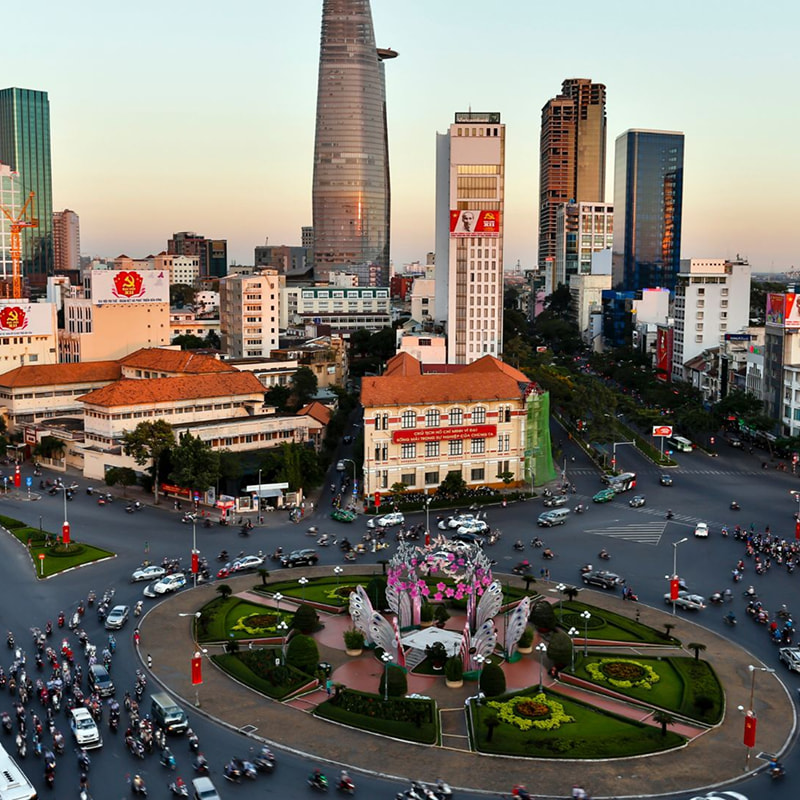
Discover a city where historic landmarks, vibrant street life and contemporary energy come together, offering an unforgettable introduction to the culture, cuisine and contrasts of southern Vietnam.
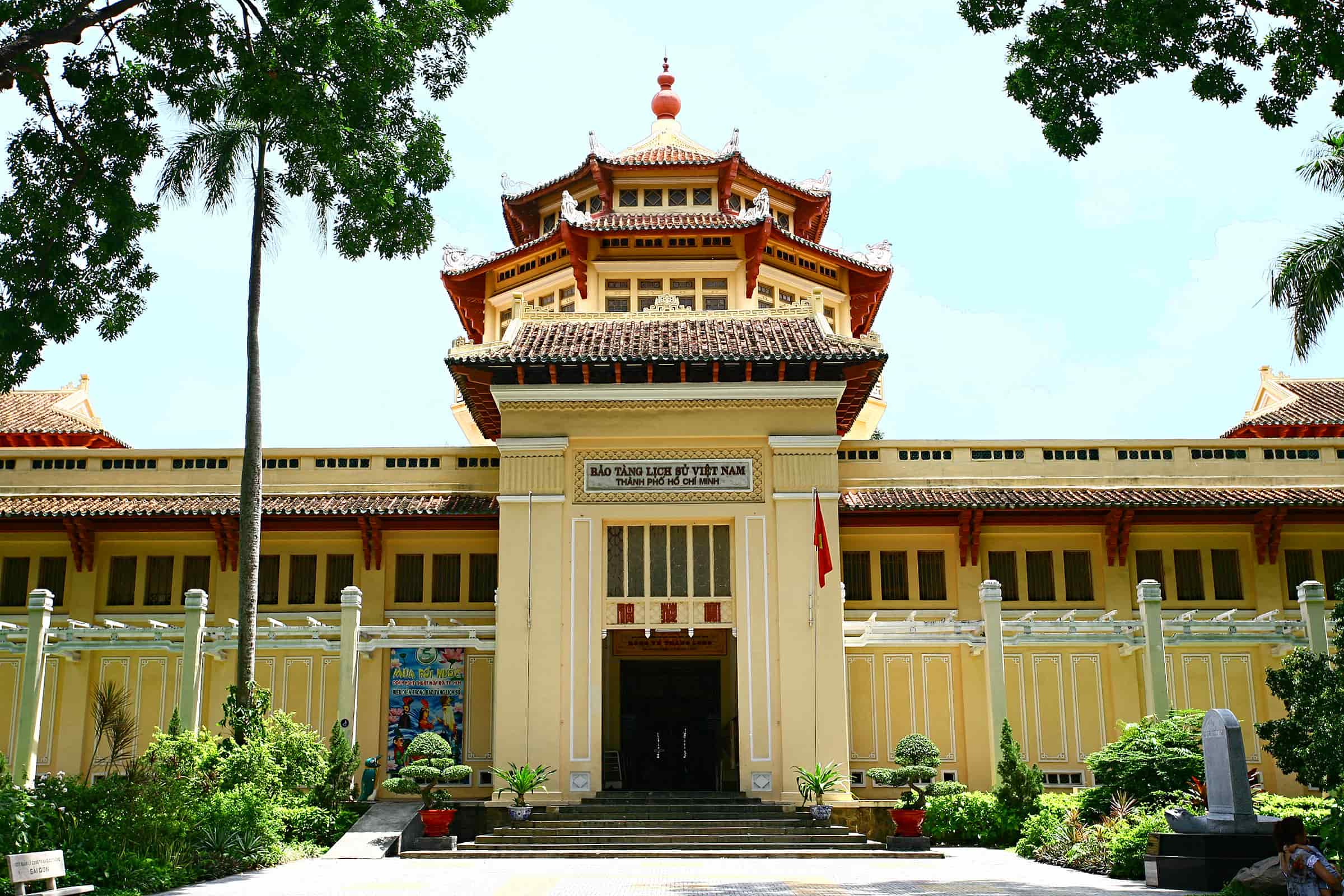
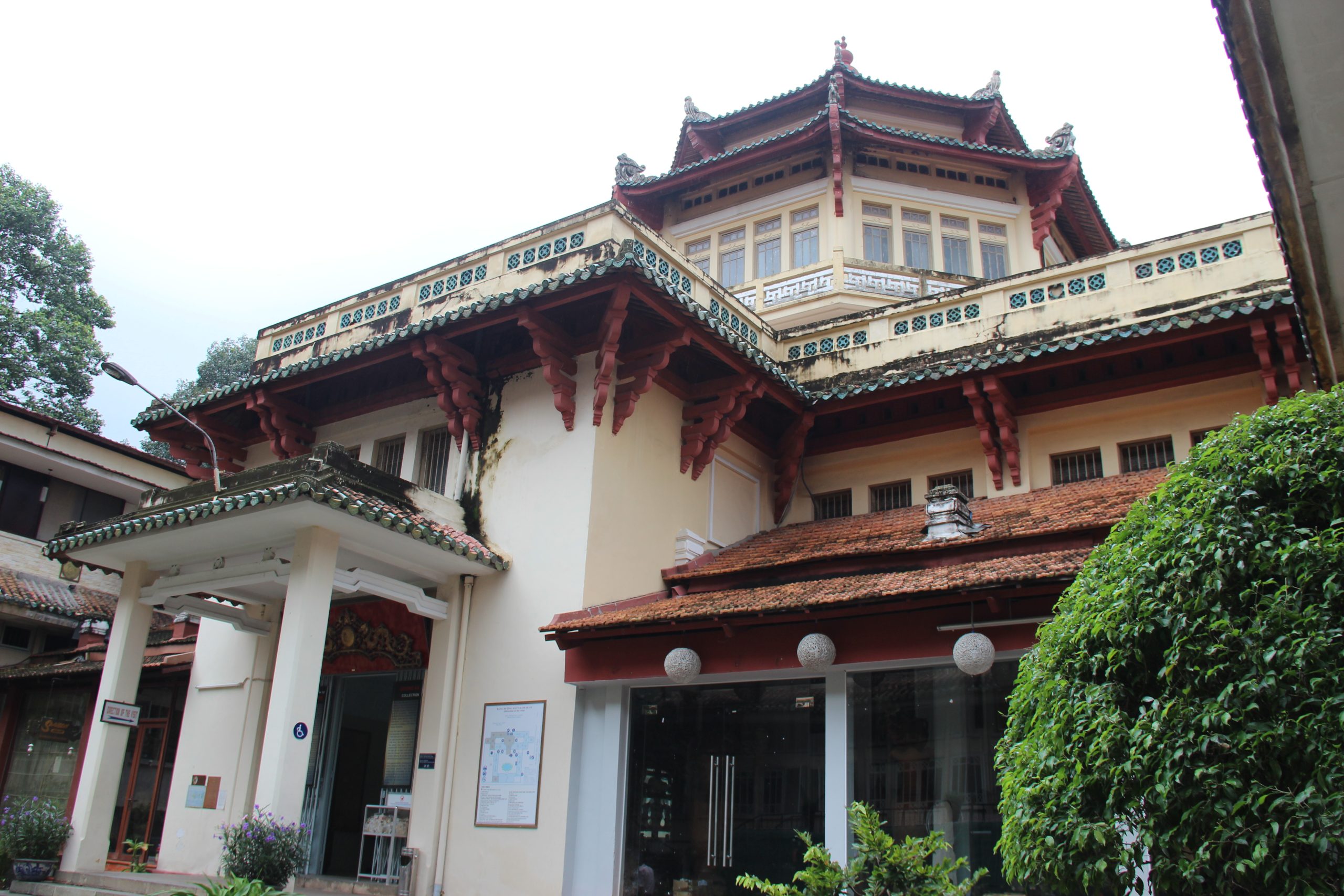
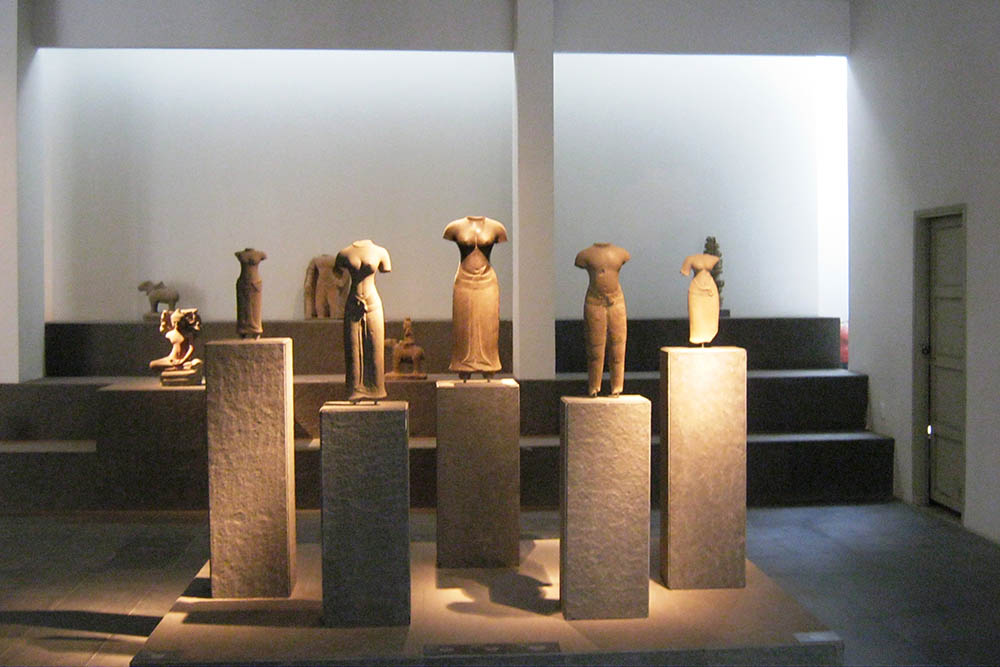
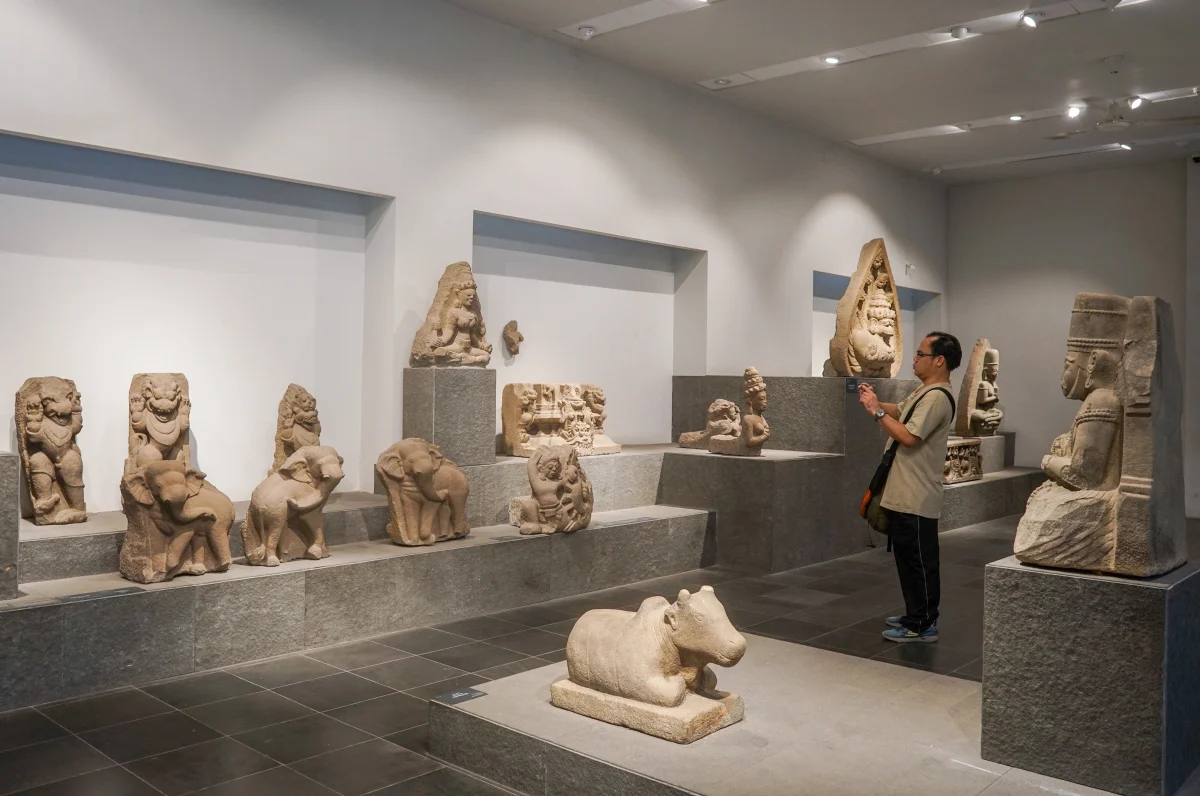
The Ho Chi Minh City Museum of History is one of southern Vietnam’s most important historical museums, presenting the country’s development through archaeological discoveries, religious art and cultural artefacts. Established in 1929, it is also notable for its distinctive Indochinese architectural style.
2 Nguyen Binh Khiem Street, Saigon Ward, Ho Chi Minh City
History Museum & Cultural Heritage Site
Founded in 1929 as the Blanchard de la Brosse Museum
Tuesday–Sunday, 8:00 AM–11:30 AM and 1:00 PM–5:00 PM; closed on Mondays
Ancient Vietnamese artefacts, Champa sculptures, Buddhist art, bronze objects, ceramics, historical collections and Indochinese architecture
Discover a city where historic landmarks, vibrant street life and contemporary energy come together, offering an unforgettable introduction to the culture, cuisine and contrasts of southern Vietnam.
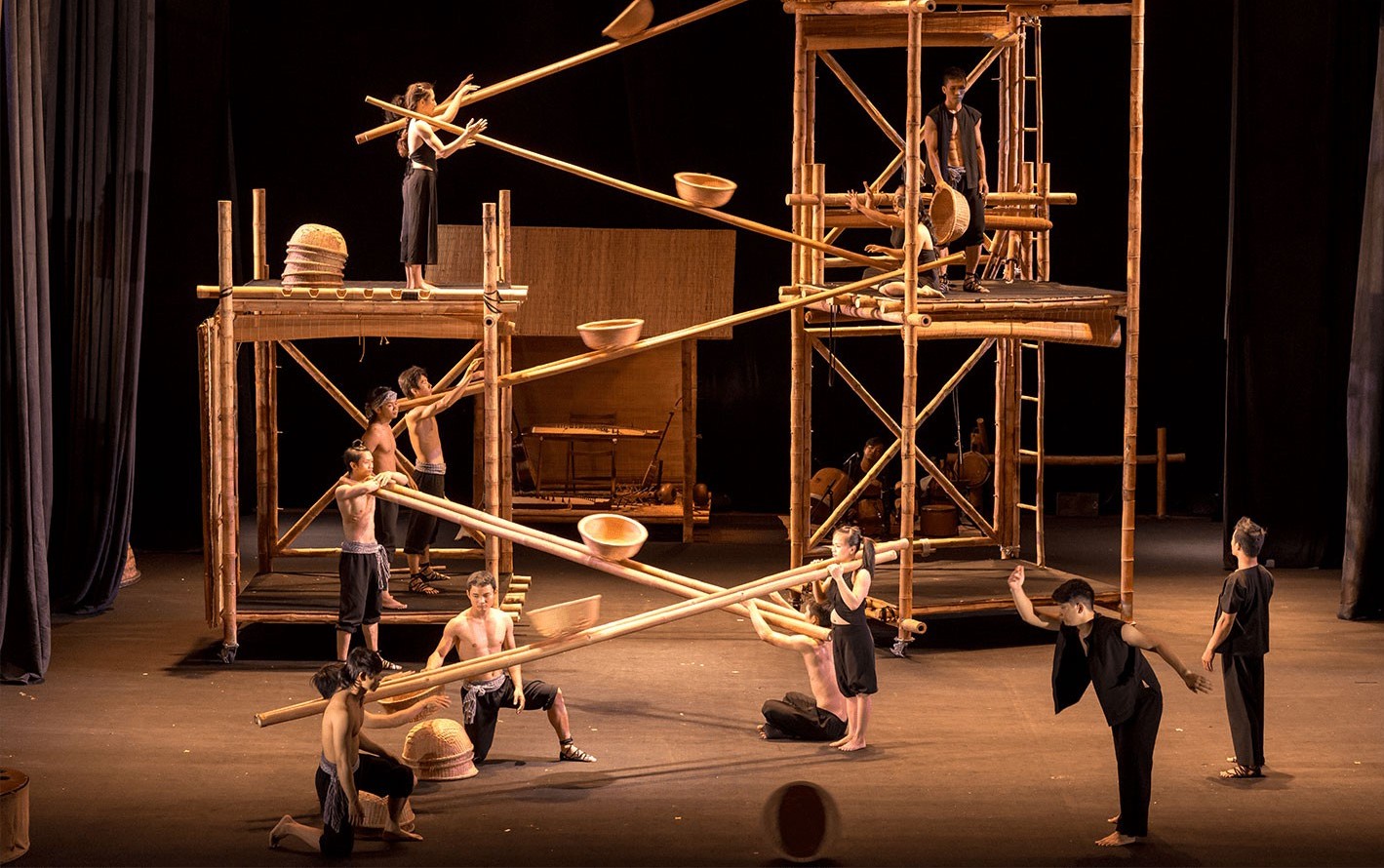
Experience the spirit of Vietnam through a spectacular fusion of bamboo acrobatics, live traditional music and contemporary theatre, performed in one of Ho Chi Minh City’s most beautiful historic venues.
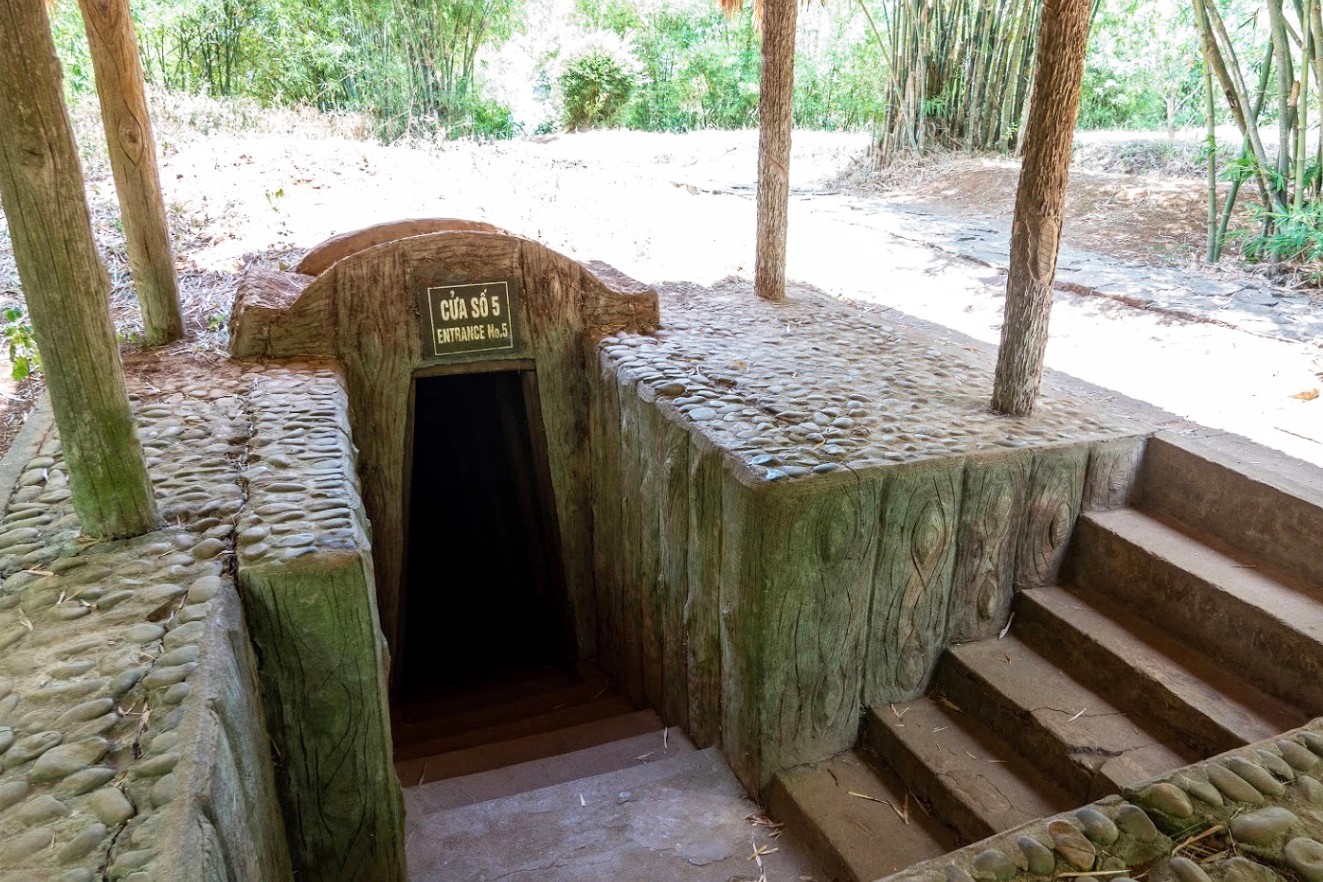
Step into one of Vietnam’s most extraordinary wartime legacies, where an extensive underground tunnel network reveals the ingenuity, resilience and daily struggles of those who lived and fought beneath the ground.