



Da Nang
Discover a vibrant coastal destination where sun-kissed beaches, dramatic mountain landscapes, rich cultural heritage and exciting cuisine come together in the heart of Central Vietnam.
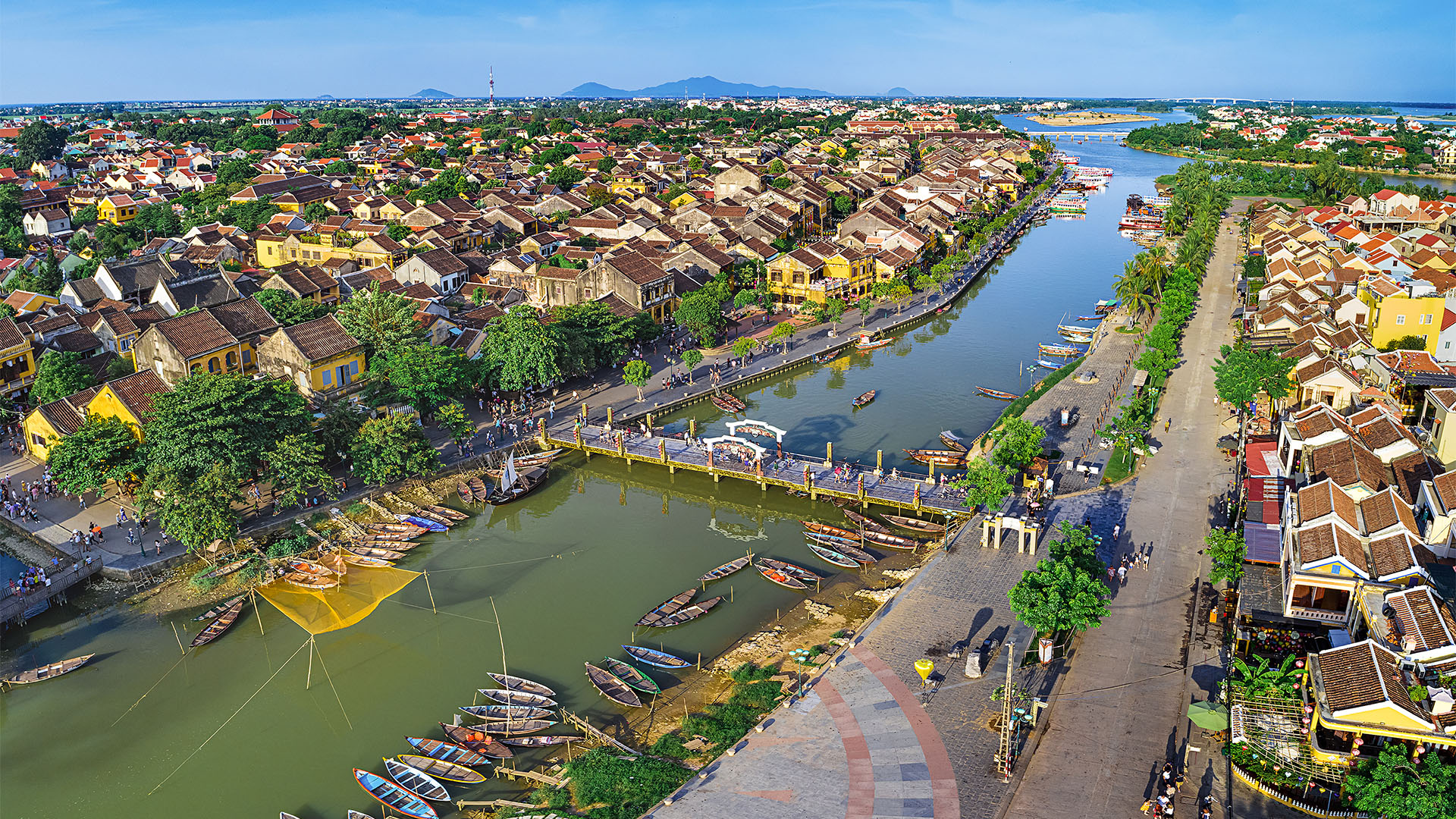
Hoi An Ancient Town is a remarkably well-preserved trading port that flourished from the 15th to the 19th century. Recognised as a UNESCO World Heritage Site in 1999, it retains its historic street layout, traditional wooden buildings, assembly halls, temples and bridges, reflecting centuries of cultural exchange across Asia and beyond.
Hoi An Ward, Da Nang City
Historic Town & UNESCO World Heritage Site
Developed as a trading port from the 15th century; UNESCO-listed in 1999
The ancient town’s pedestrian area generally operates from 9:00 AM to 9:00 PM in winter and until 9:30 PM in summer.
Japanese Covered Bridge, Tan Ky Ancient House, Chinese assembly halls, lantern-lined streets, Thu Bon River and traditional markets
Discover a vibrant coastal destination where sun-kissed beaches, dramatic mountain landscapes, rich cultural heritage and exciting cuisine come together in the heart of Central Vietnam.
Glide through winding waterways beneath lush nipa palms and discover the natural beauty, traditional river culture and wartime history of Hoi An’s countryside.
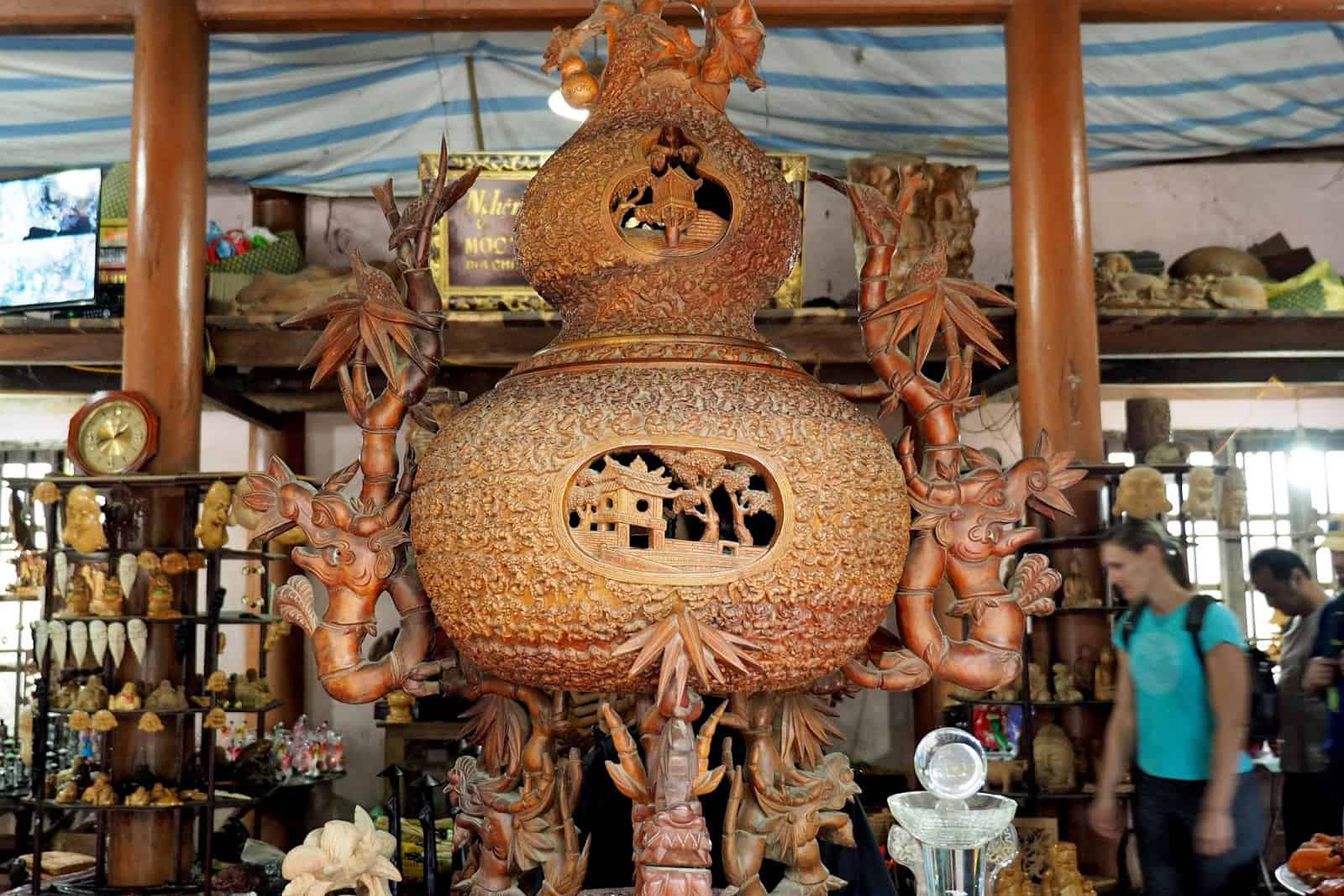
Explore a riverside craft village where generations of skilled artisans transform wood into intricate carvings, traditional boats and architectural masterpieces.