


Da Nang
Discover a vibrant coastal destination where sun-kissed beaches, dramatic mountain landscapes, rich cultural heritage and exciting cuisine come together in the heart of Central Vietnam.
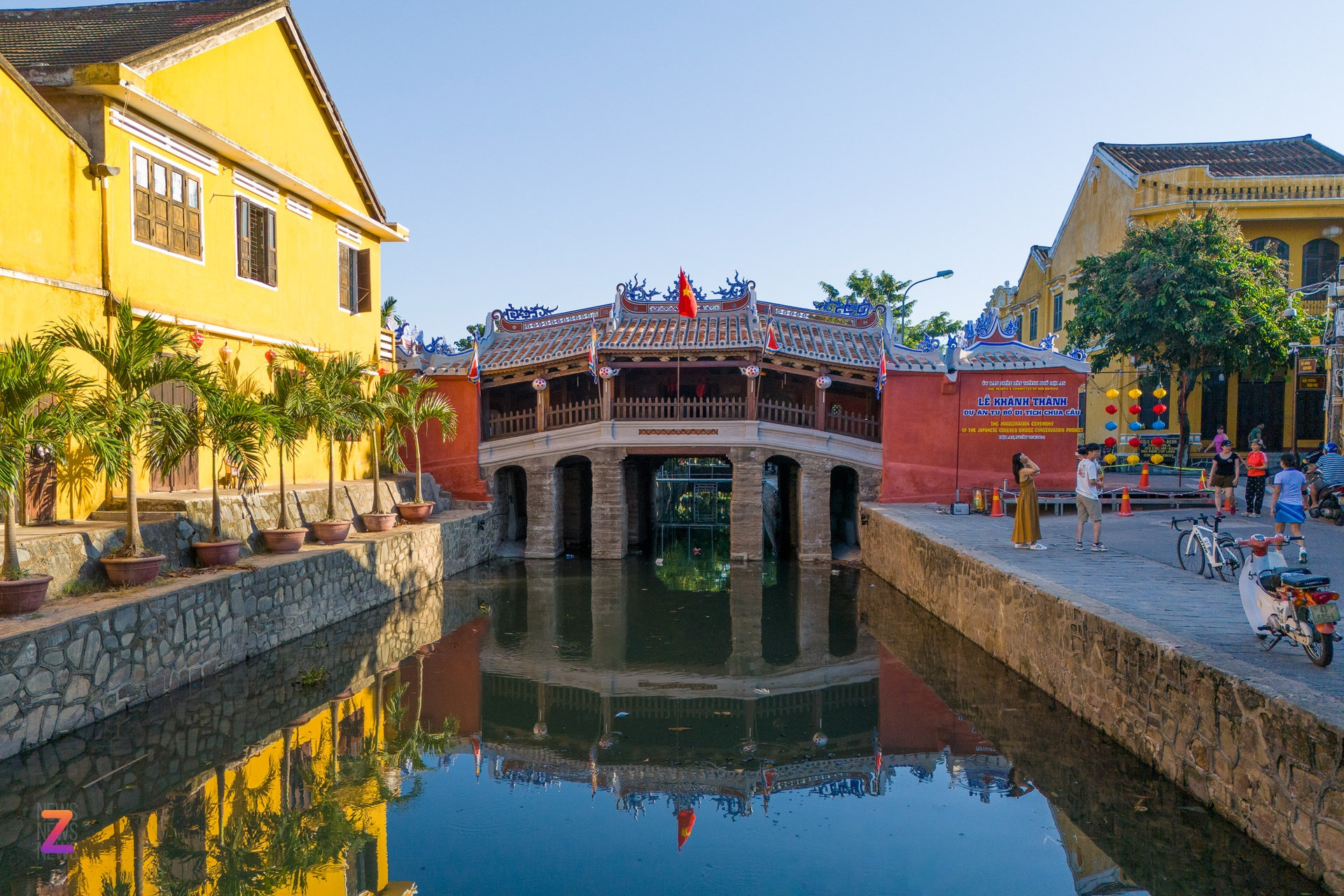
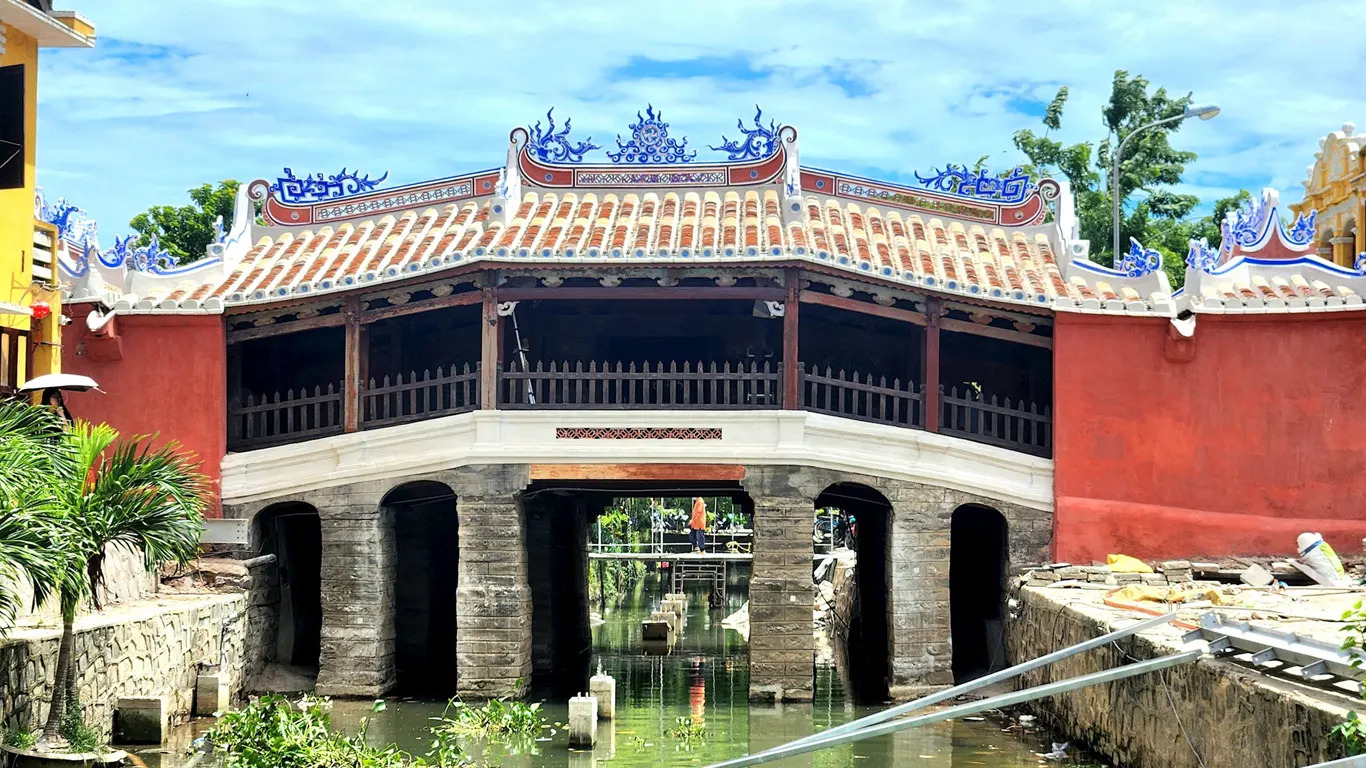
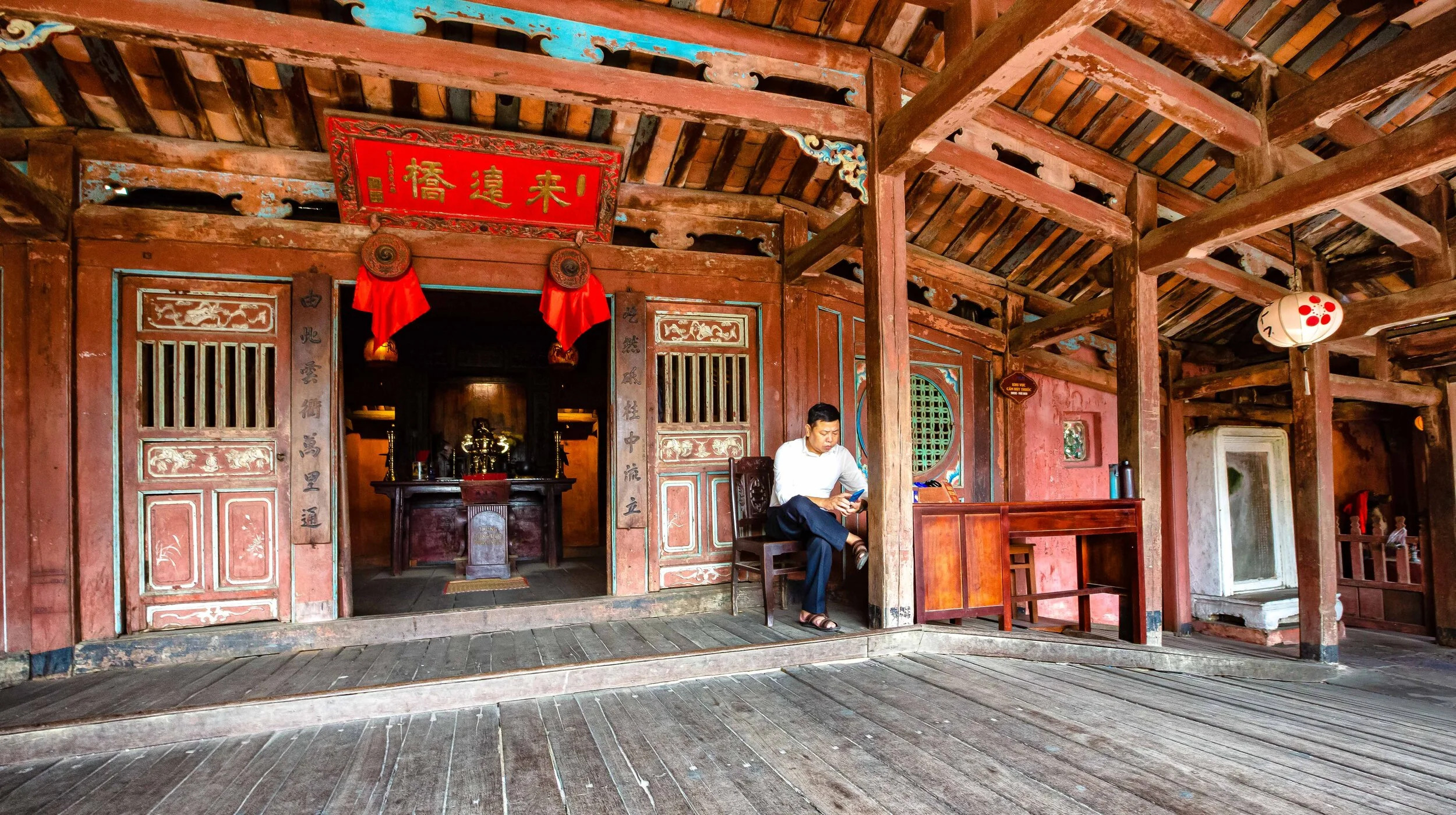
The Japanese Covered Bridge, also known as Chua Cau or Lai Vien Kieu, is a historic covered bridge built by Japanese merchants around the late 16th or early 17th century. Spanning a small canal in Hoi An Ancient Town, it combines a wooden bridge, a tiled roof and a shrine, reflecting the town’s history of international trade and cultural exchange.
Nguyen Thi Minh Khai Street, Hoi An Ward, Da Nang City
Historic Covered Bridge & Cultural Heritage Site
Late 16th–early 17th century
The surrounding area is accessible throughout the day; access to the bridge and shrine follows the heritage site’s visiting arrangements.
Traditional wooden structure, tiled roof, small shrine, decorative carvings and Vietnamese–Japanese cultural heritage
Discover a vibrant coastal destination where sun-kissed beaches, dramatic mountain landscapes, rich cultural heritage and exciting cuisine come together in the heart of Central Vietnam.
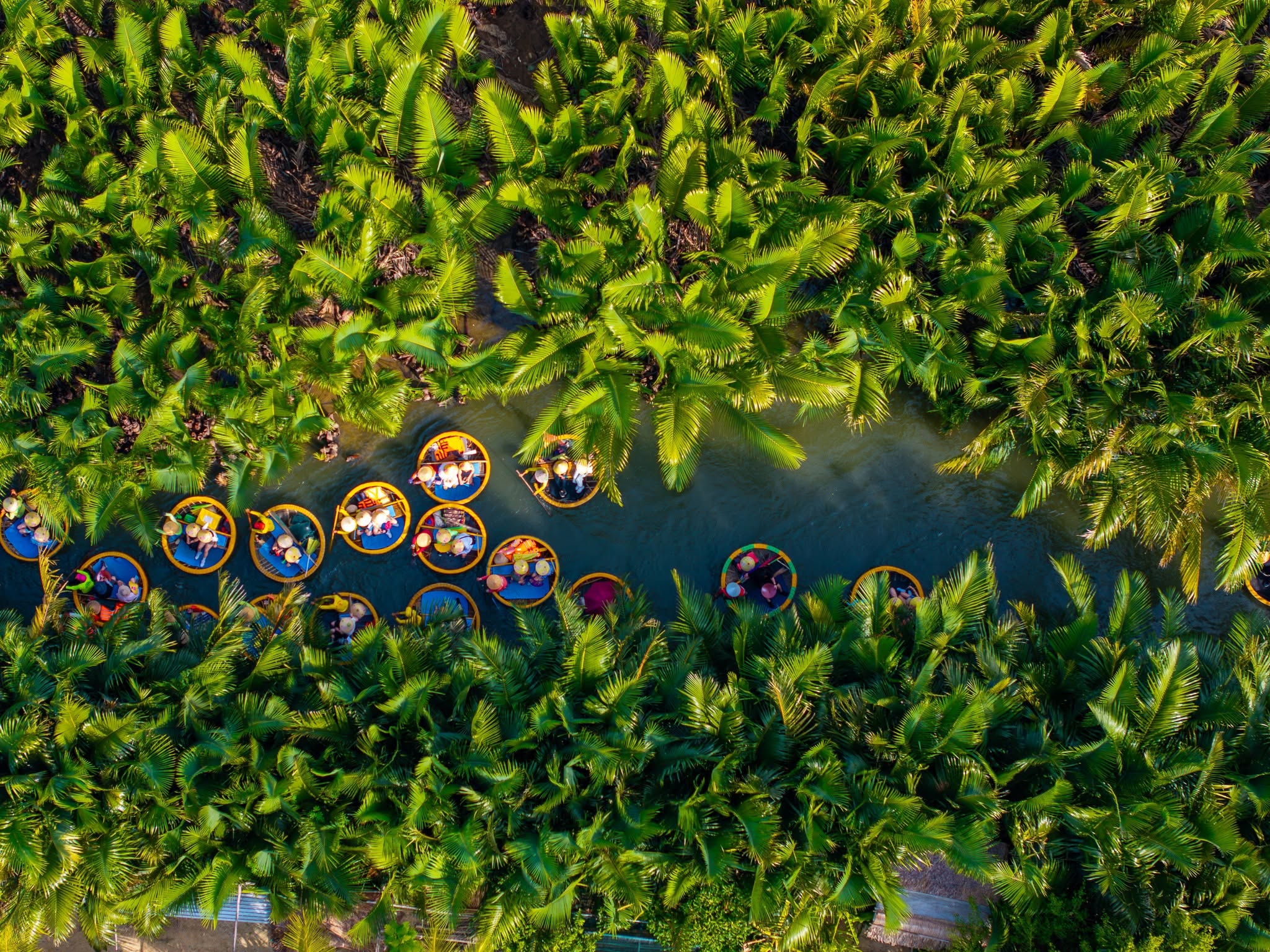
Glide through winding waterways beneath lush nipa palms and discover the natural beauty, traditional river culture and wartime history of Hoi An’s countryside.
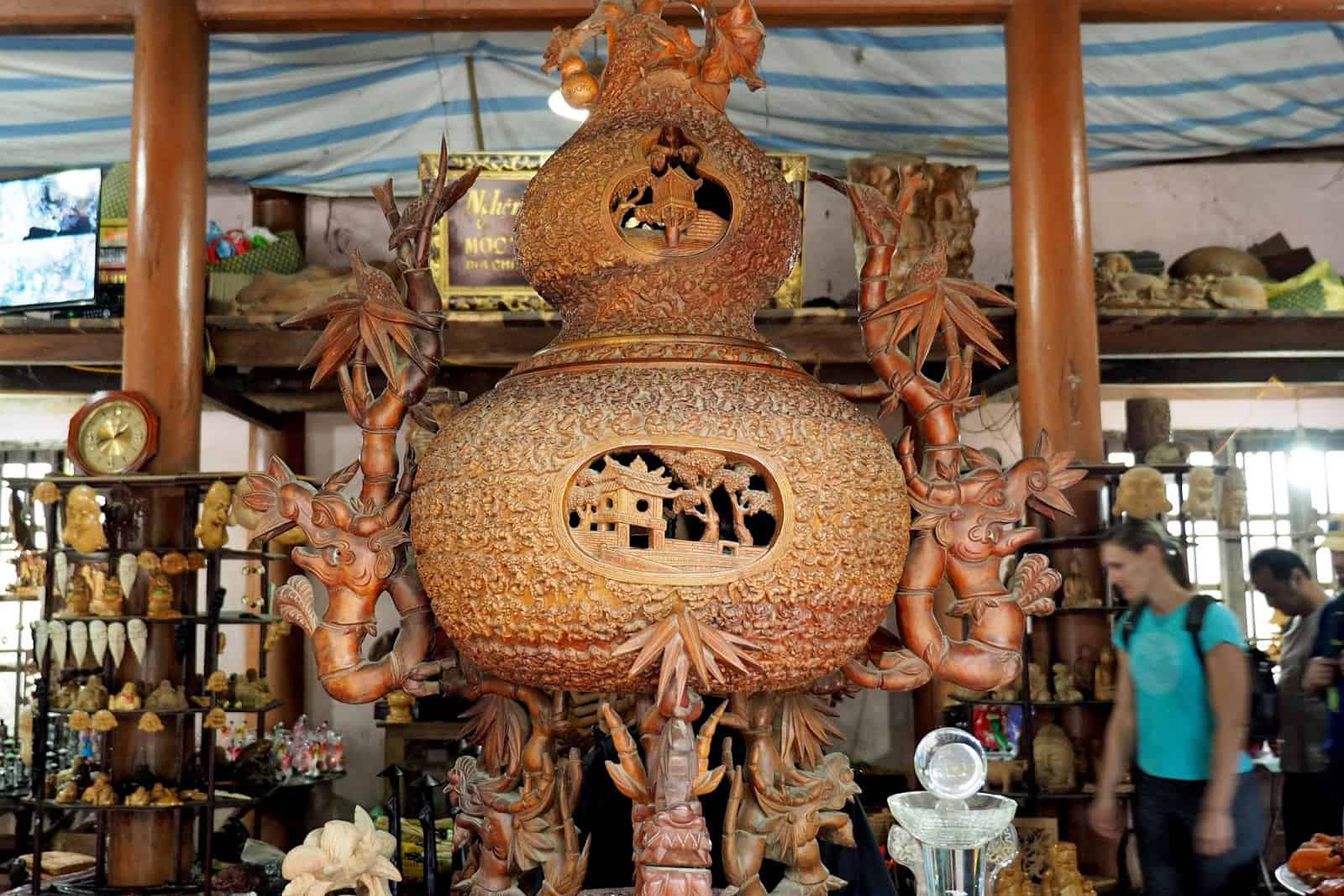
Explore a riverside craft village where generations of skilled artisans transform wood into intricate carvings, traditional boats and architectural masterpieces.