
Da Nang
Discover a vibrant coastal destination where sun-kissed beaches, dramatic mountain landscapes, rich cultural heritage and exciting cuisine come together in the heart of Central Vietnam.
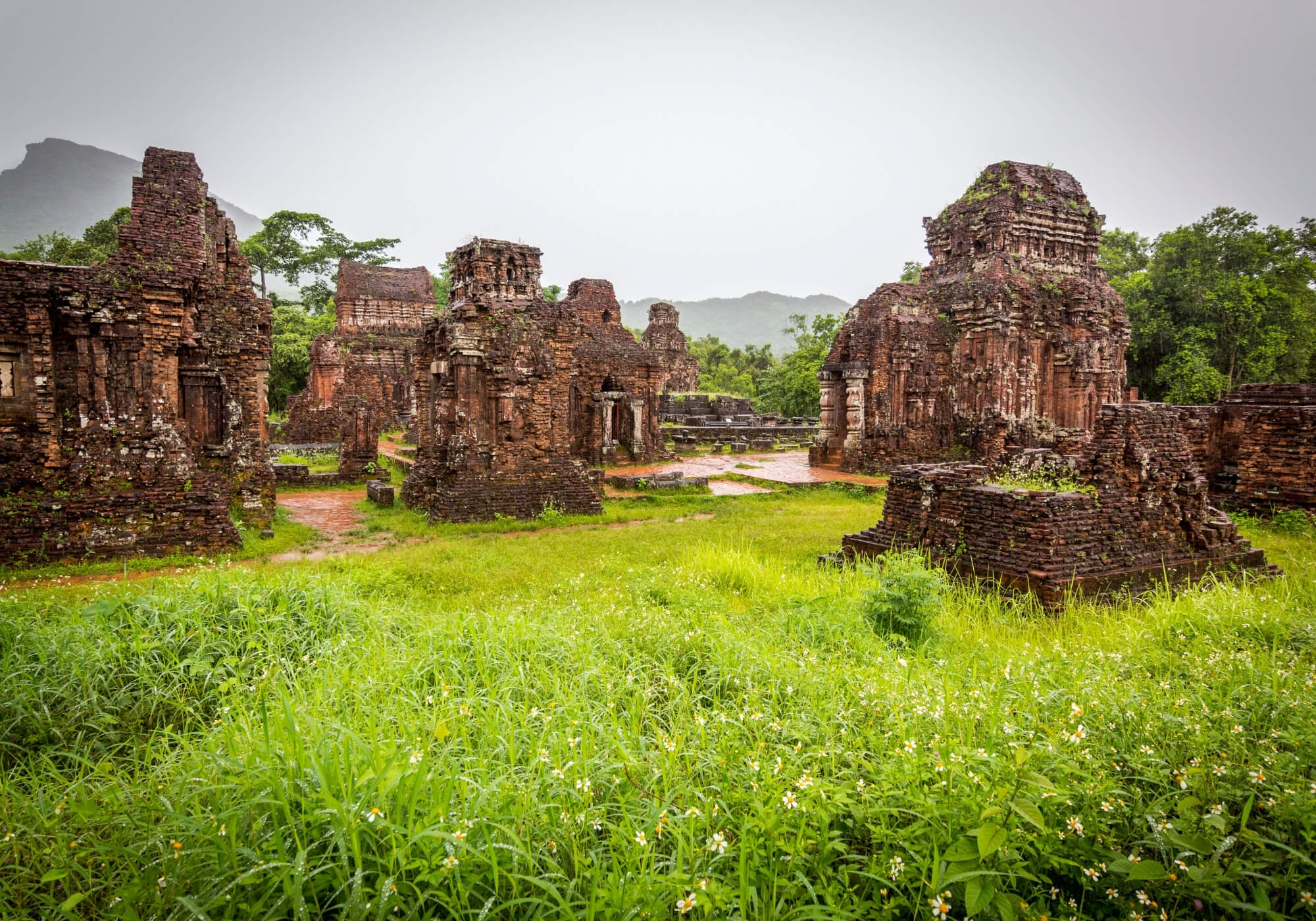
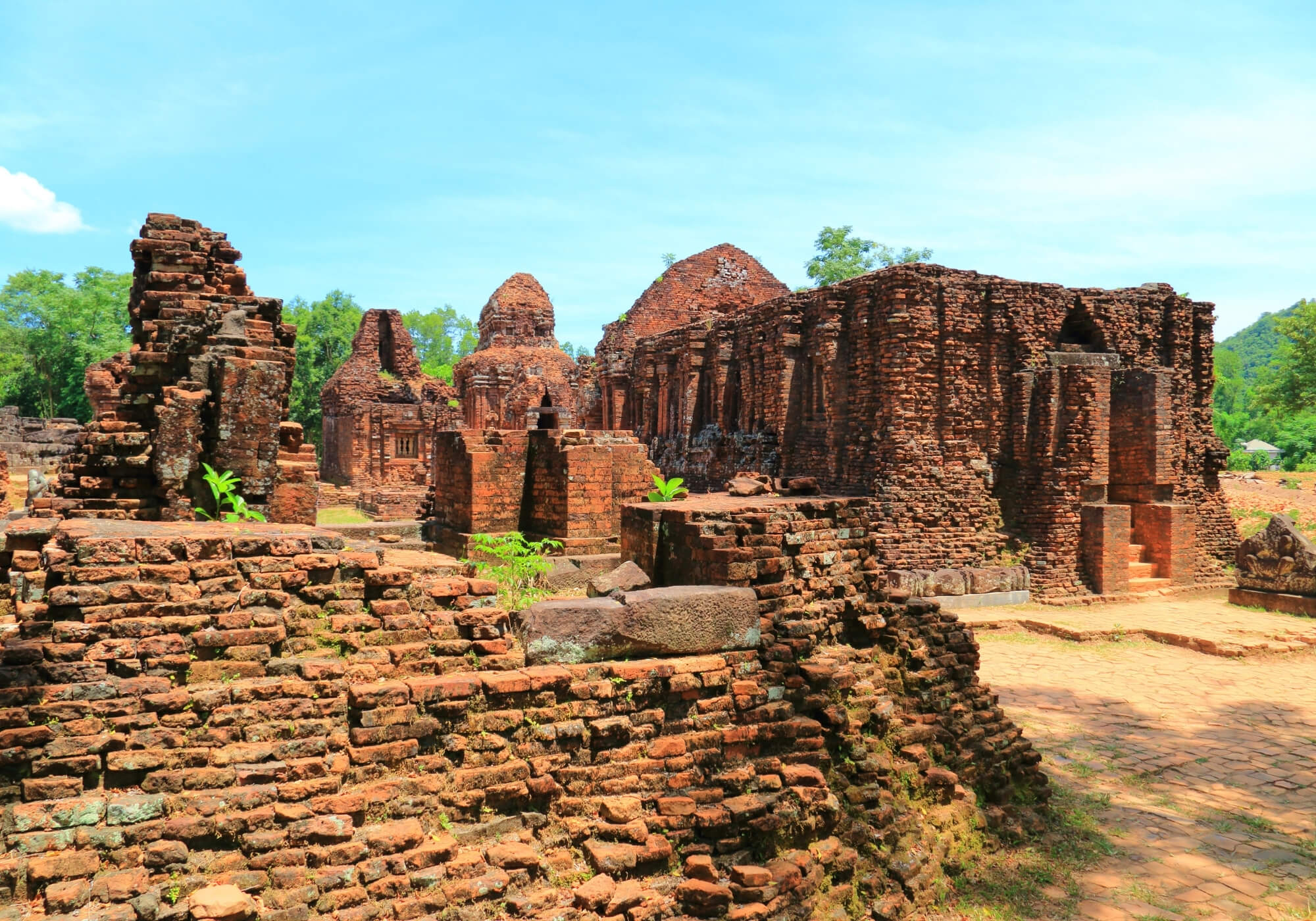
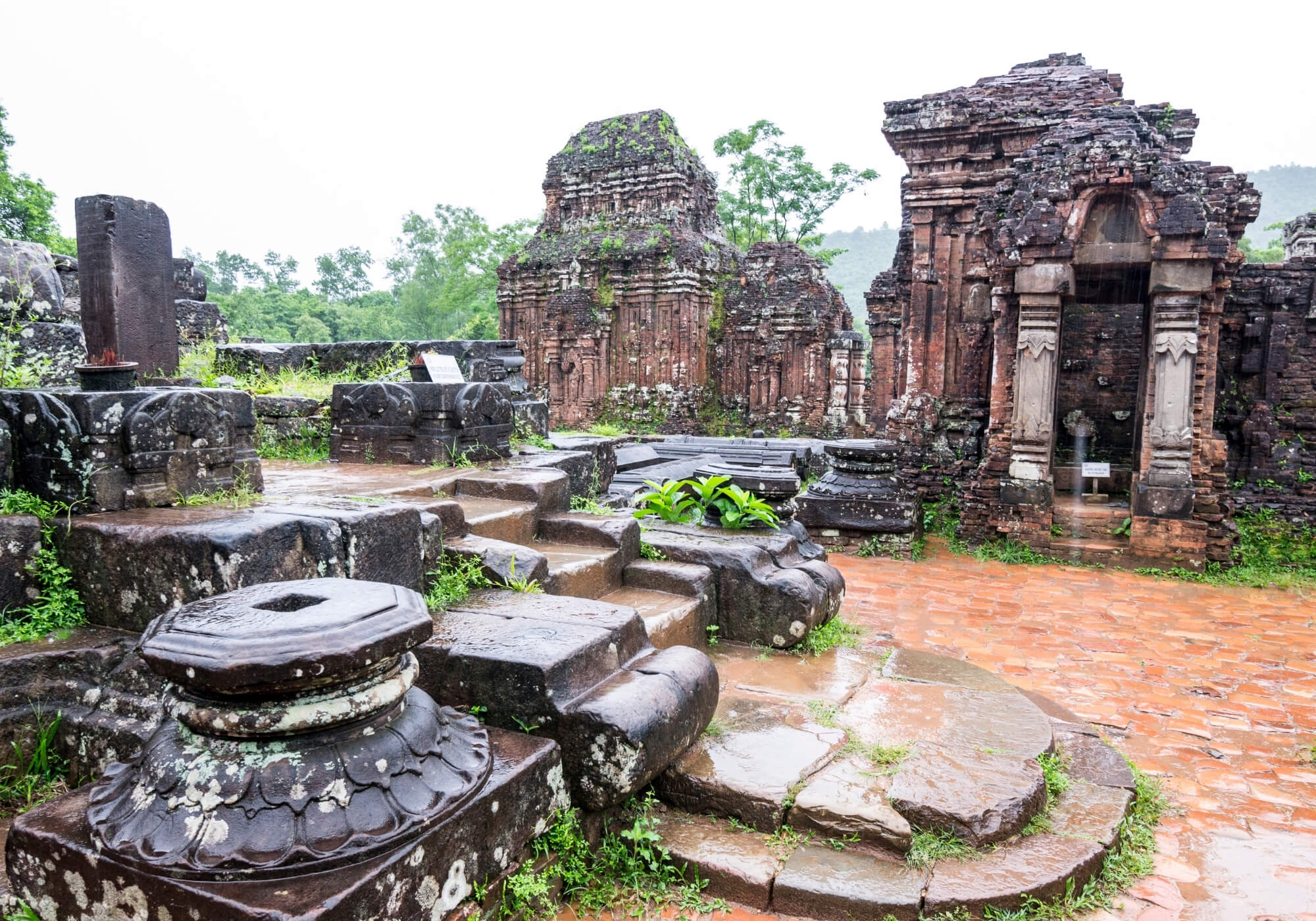
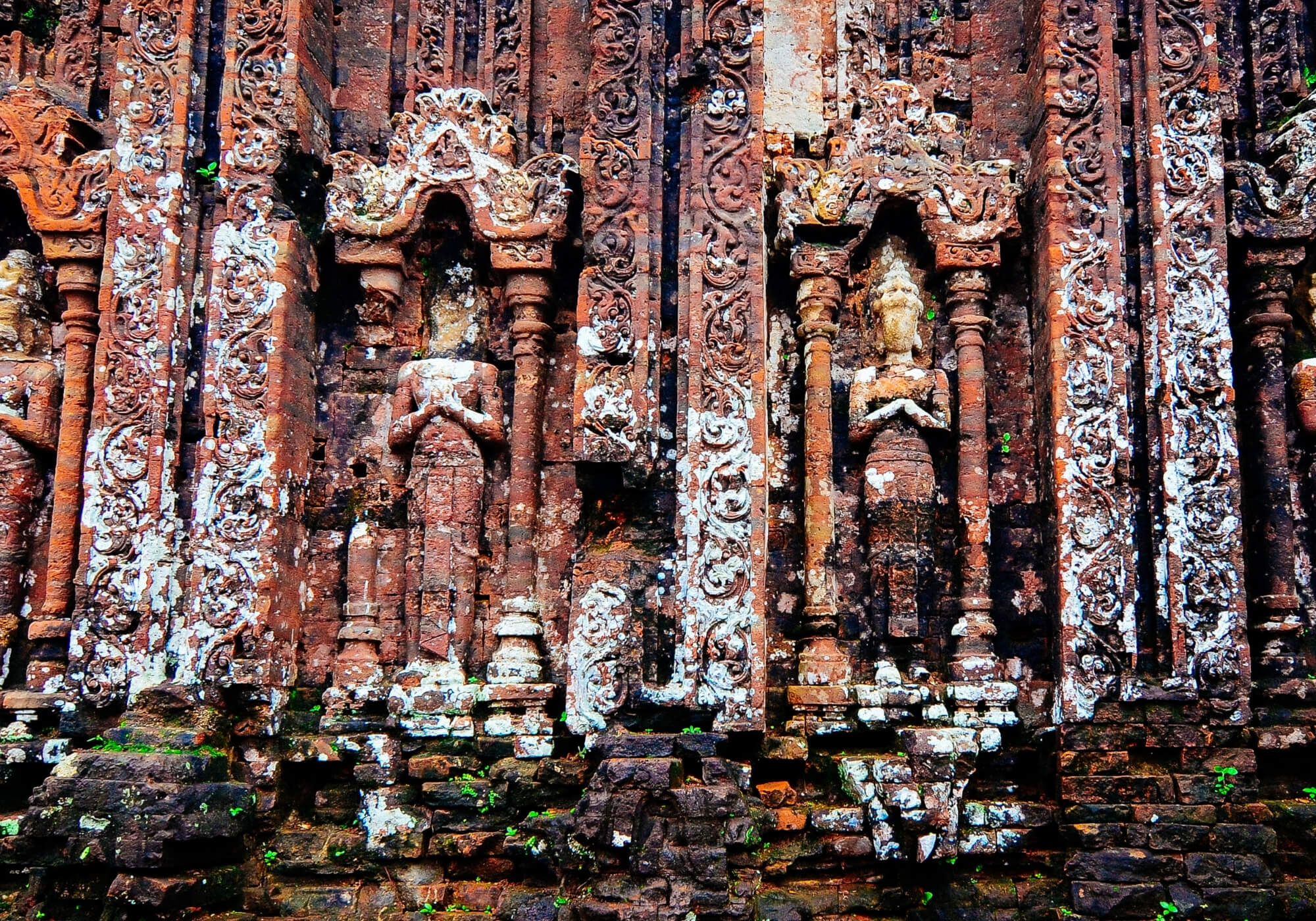
My Son Sanctuary is an archaeological complex of Hindu-influenced temple towers built by the Champa civilisation between the 4th and 13th centuries. Once a major religious and political centre of the Champa Kingdom, it was inscribed as a UNESCO World Heritage Site in 1999 and remains one of the most significant surviving examples of Cham architecture.
Duy Phu area, Da Nang City
Archaeological Site & UNESCO World Heritage Site
From the 4th to the 13th centuries
Daily, from approximately 6:00 AM; closing time varies by season and source, generally between 5:00 PM and 6:00 PM.
Ancient brick temple towers, Shiva worship, sandstone carvings, sacred temple groups and Cham cultural heritage
Discover a vibrant coastal destination where sun-kissed beaches, dramatic mountain landscapes, rich cultural heritage and exciting cuisine come together in the heart of Central Vietnam.
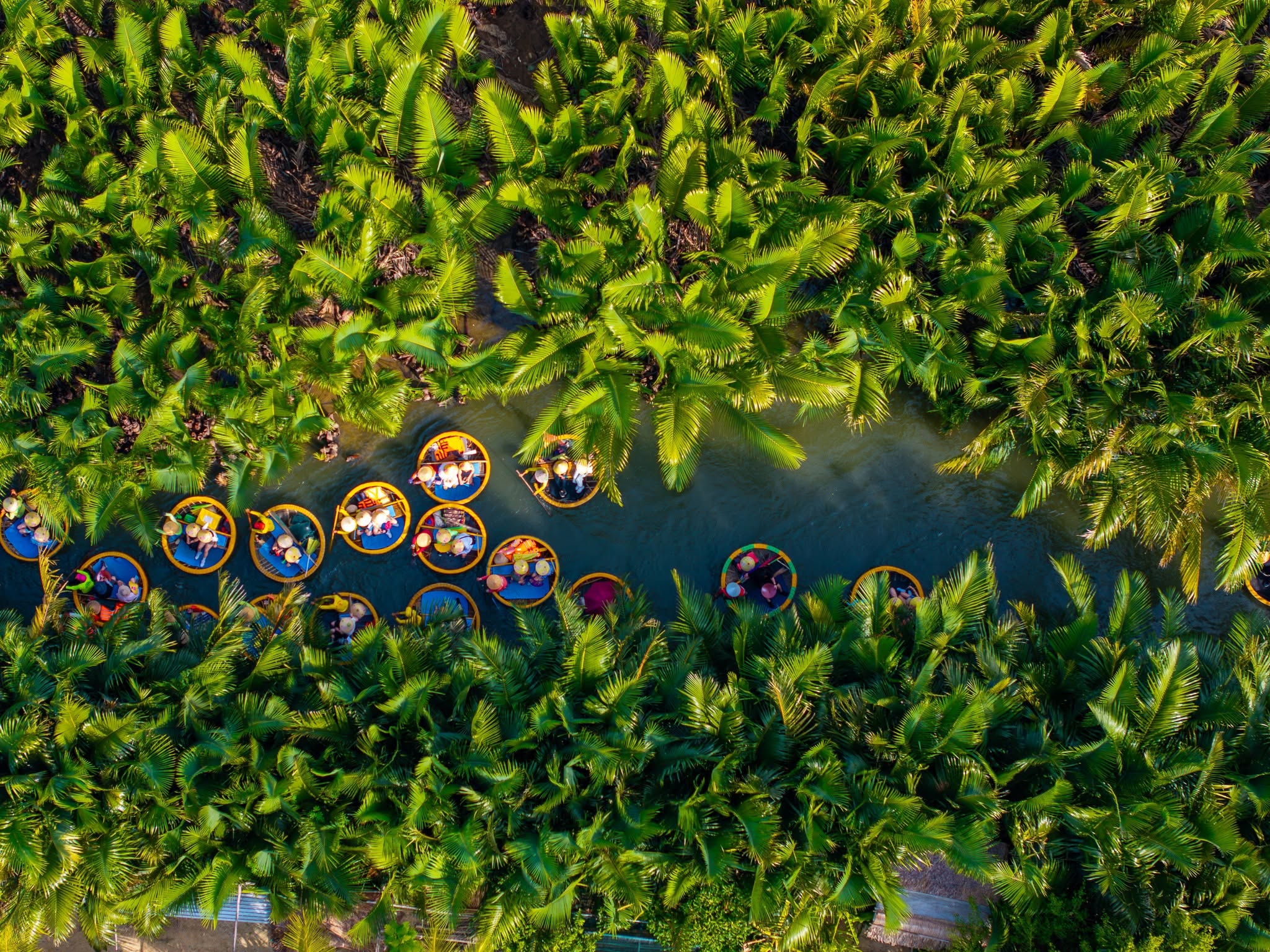
Glide through winding waterways beneath lush nipa palms and discover the natural beauty, traditional river culture and wartime history of Hoi An’s countryside.
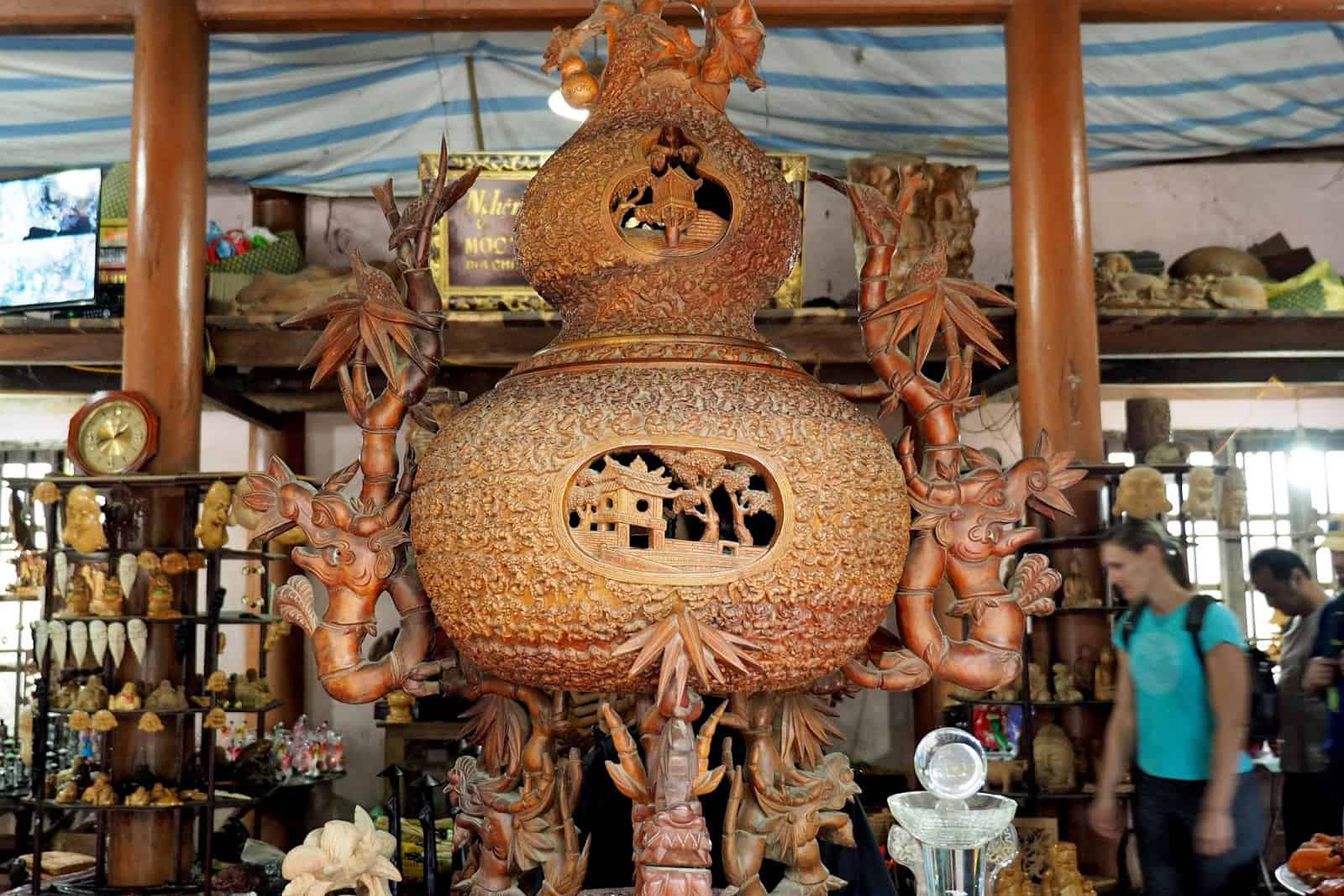
Explore a riverside craft village where generations of skilled artisans transform wood into intricate carvings, traditional boats and architectural masterpieces.