
Ho Chi Minh City
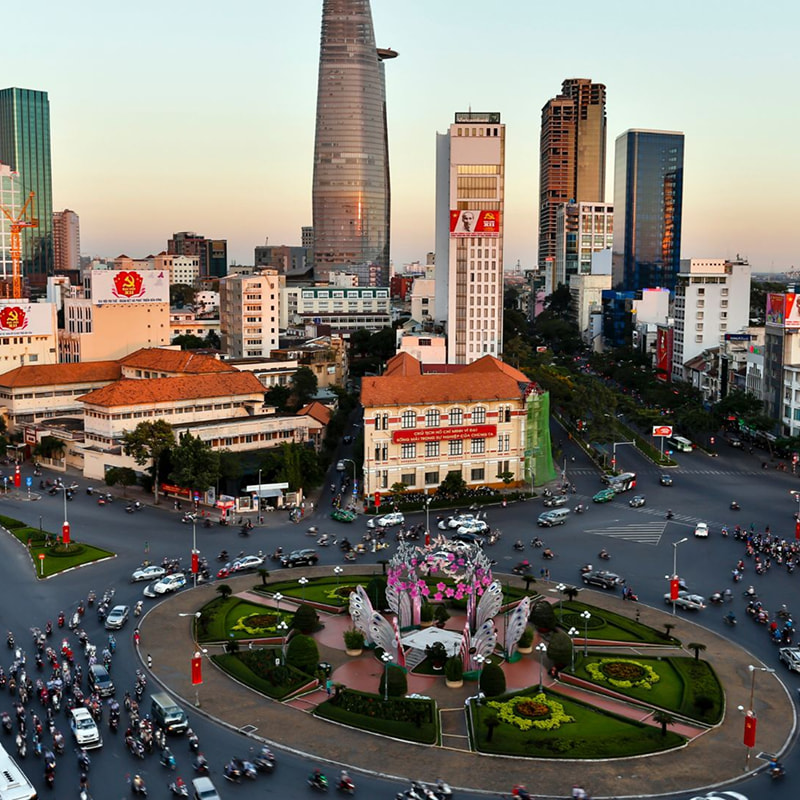
Discover a city where historic landmarks, vibrant street life and contemporary energy come together, offering an unforgettable introduction to the culture, cuisine and contrasts of southern Vietnam.
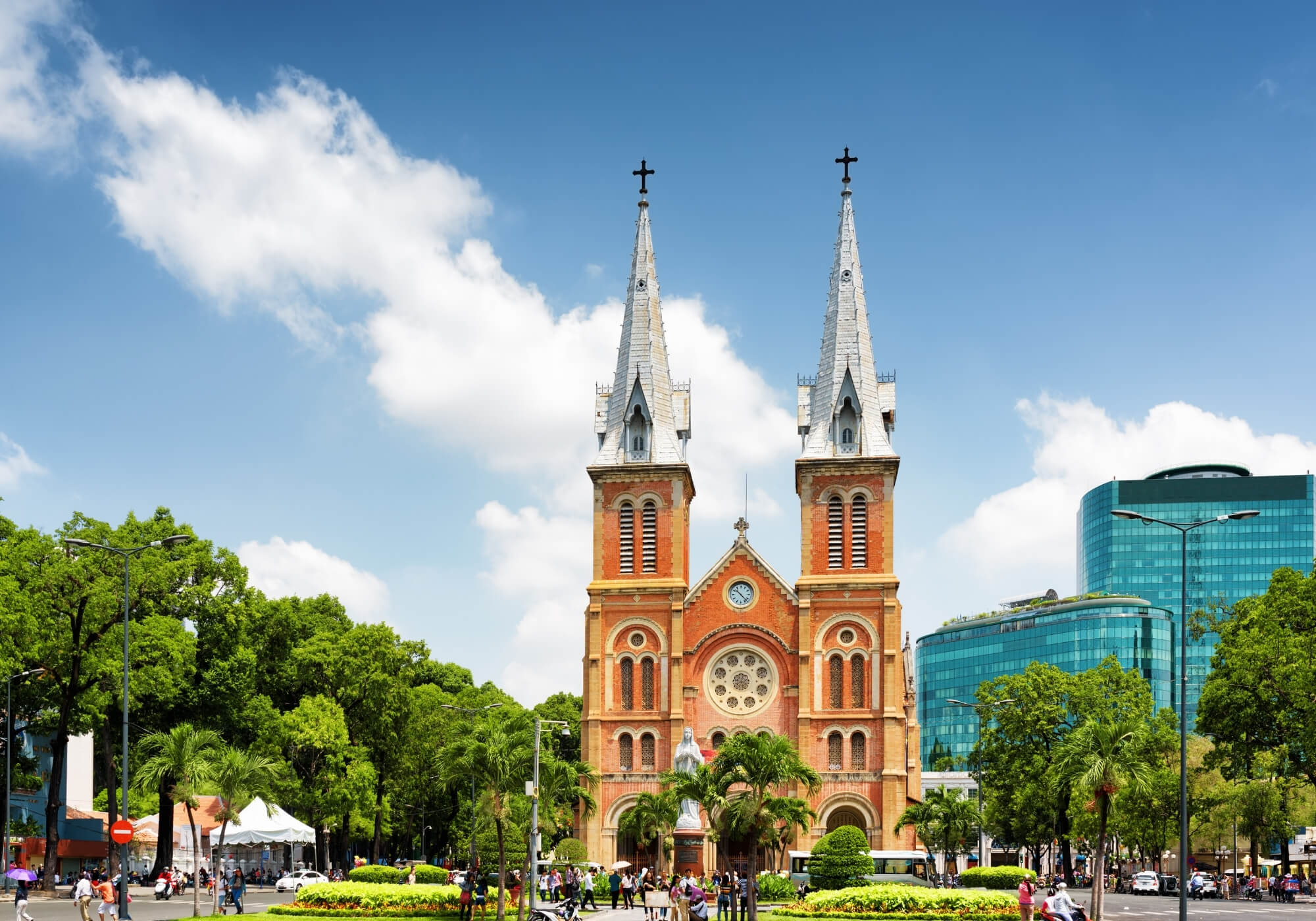
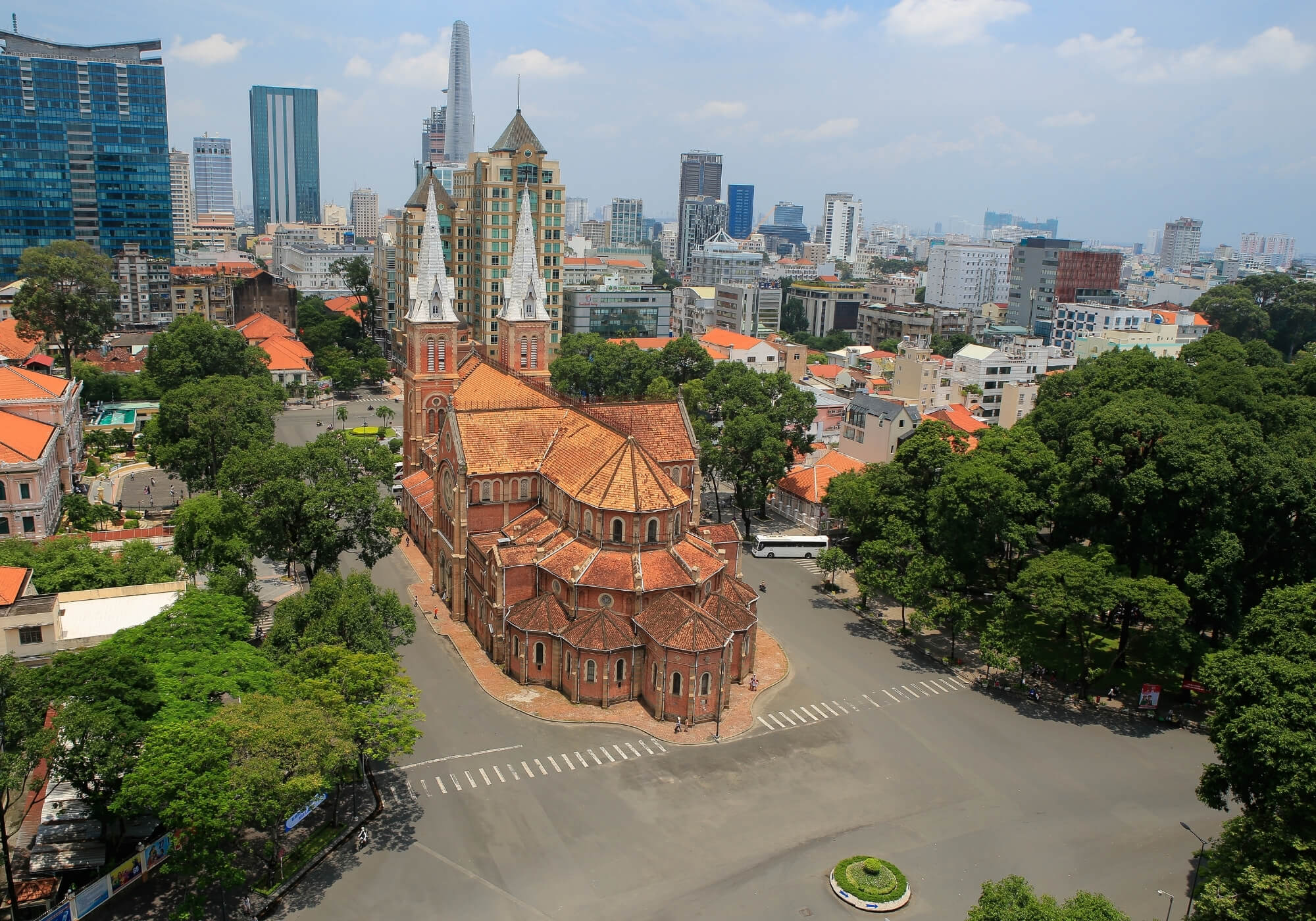
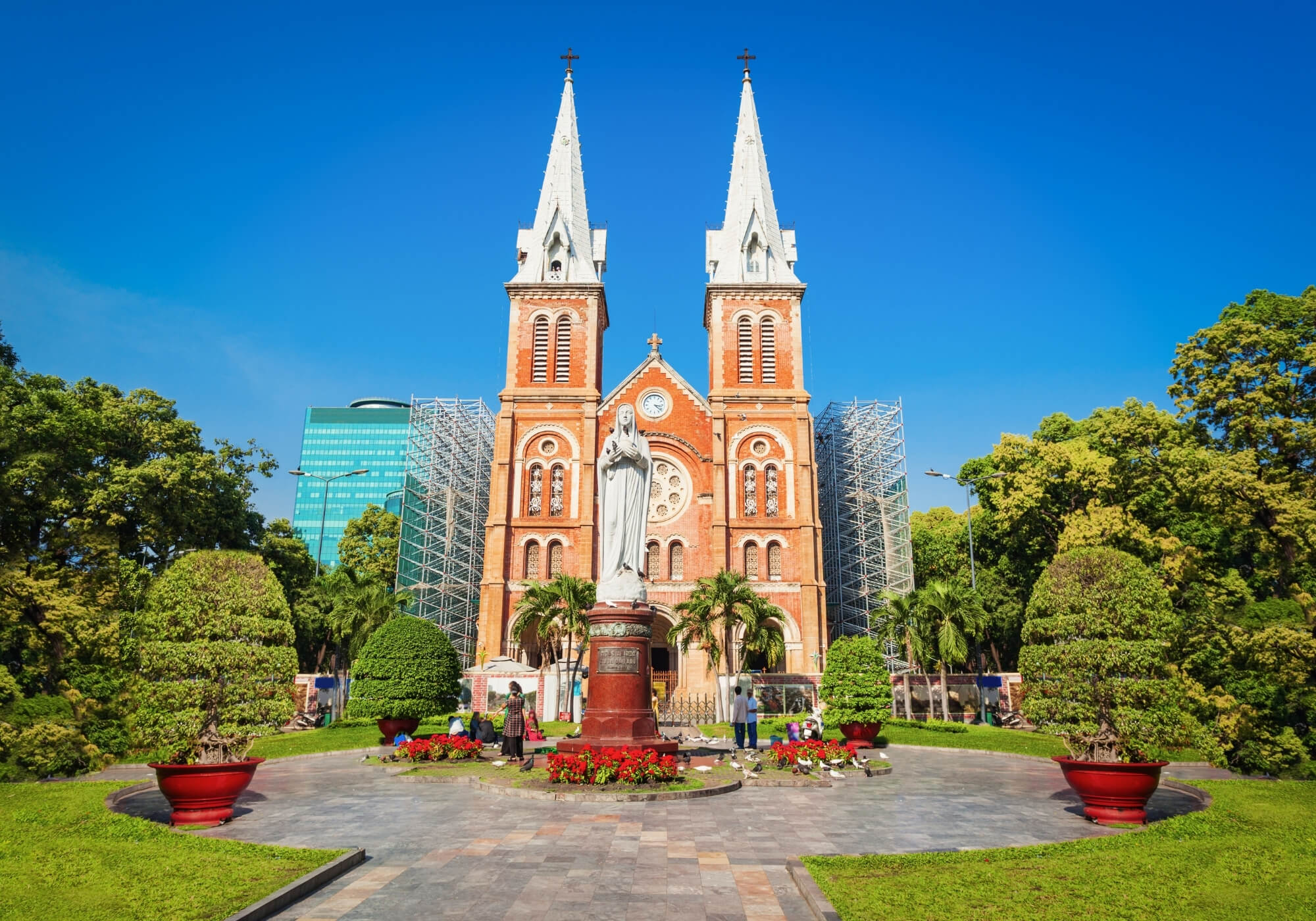
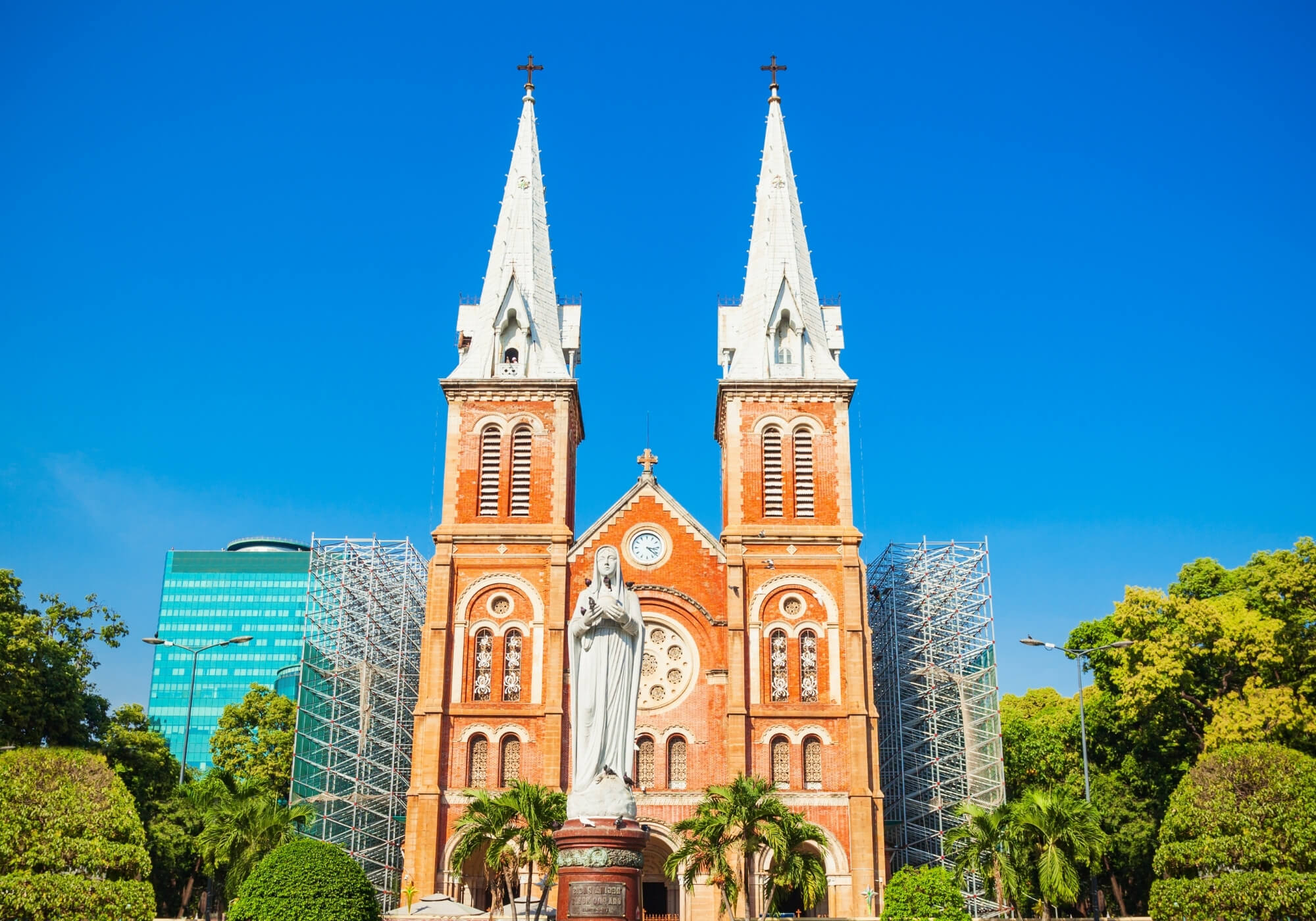
Notre-Dame Cathedral Basilica of Saigon is a landmark Catholic cathedral in central Ho Chi Minh City, celebrated for its distinctive red-brick façade and twin bell towers. Built during the French colonial period, it remains an important religious site and architectural symbol of the city.
1 Cong Xa Paris, Saigon Ward, Ho Chi Minh City
Catholic Cathedral, Basilica & Architectural Landmark
Construction began in 1877 and was completed in 1880; granted minor basilica status in 1959
The cathedral remains open for scheduled religious services. The exterior can be viewed from the surrounding public area.
Red-brick façade, twin bell towers, Romanesque-inspired architecture, Virgin Mary statue, Paris Commune Square and nearby Saigon Central Post Office
Discover a city where historic landmarks, vibrant street life and contemporary energy come together, offering an unforgettable introduction to the culture, cuisine and contrasts of southern Vietnam.
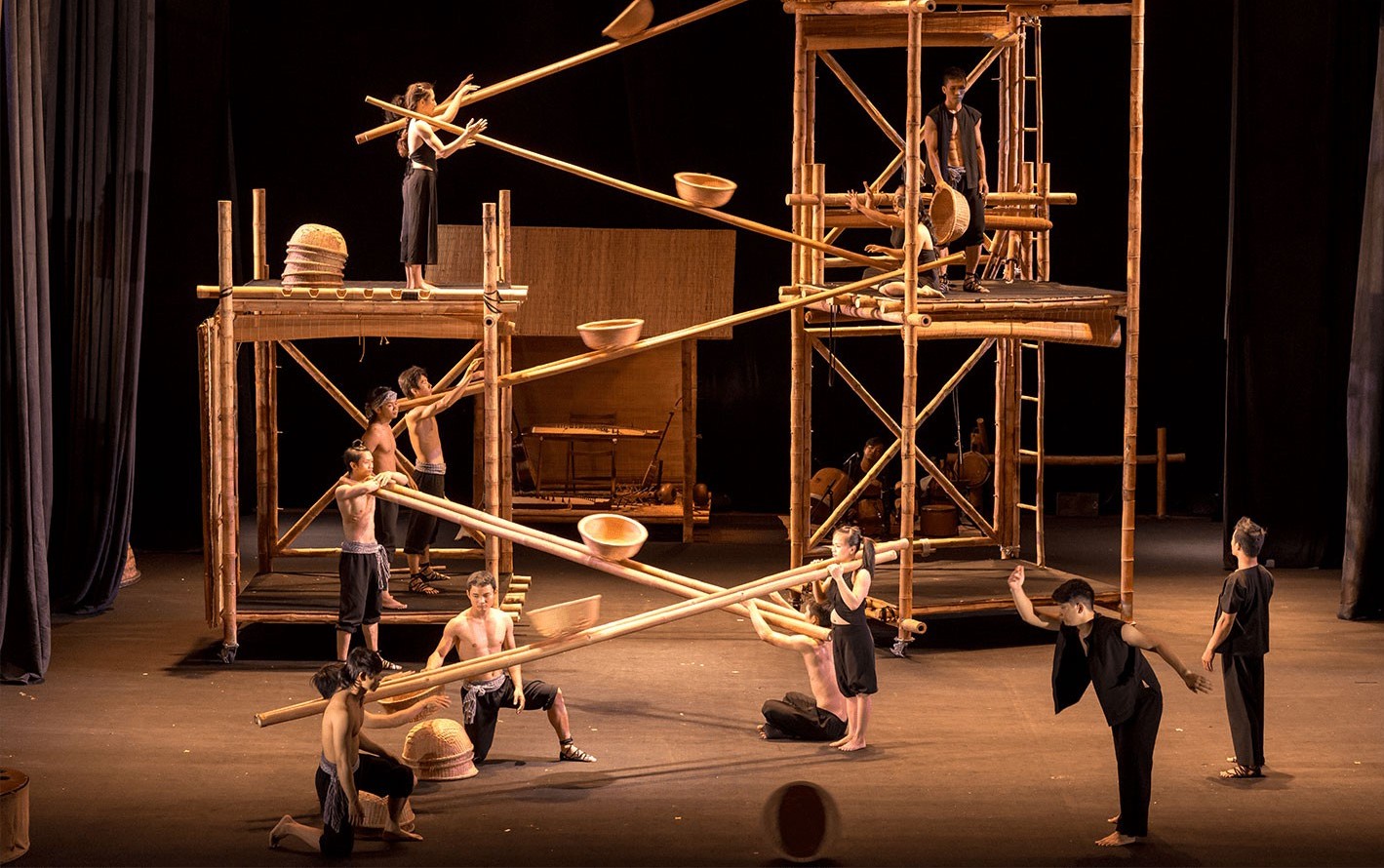
Experience the spirit of Vietnam through a spectacular fusion of bamboo acrobatics, live traditional music and contemporary theatre, performed in one of Ho Chi Minh City’s most beautiful historic venues.
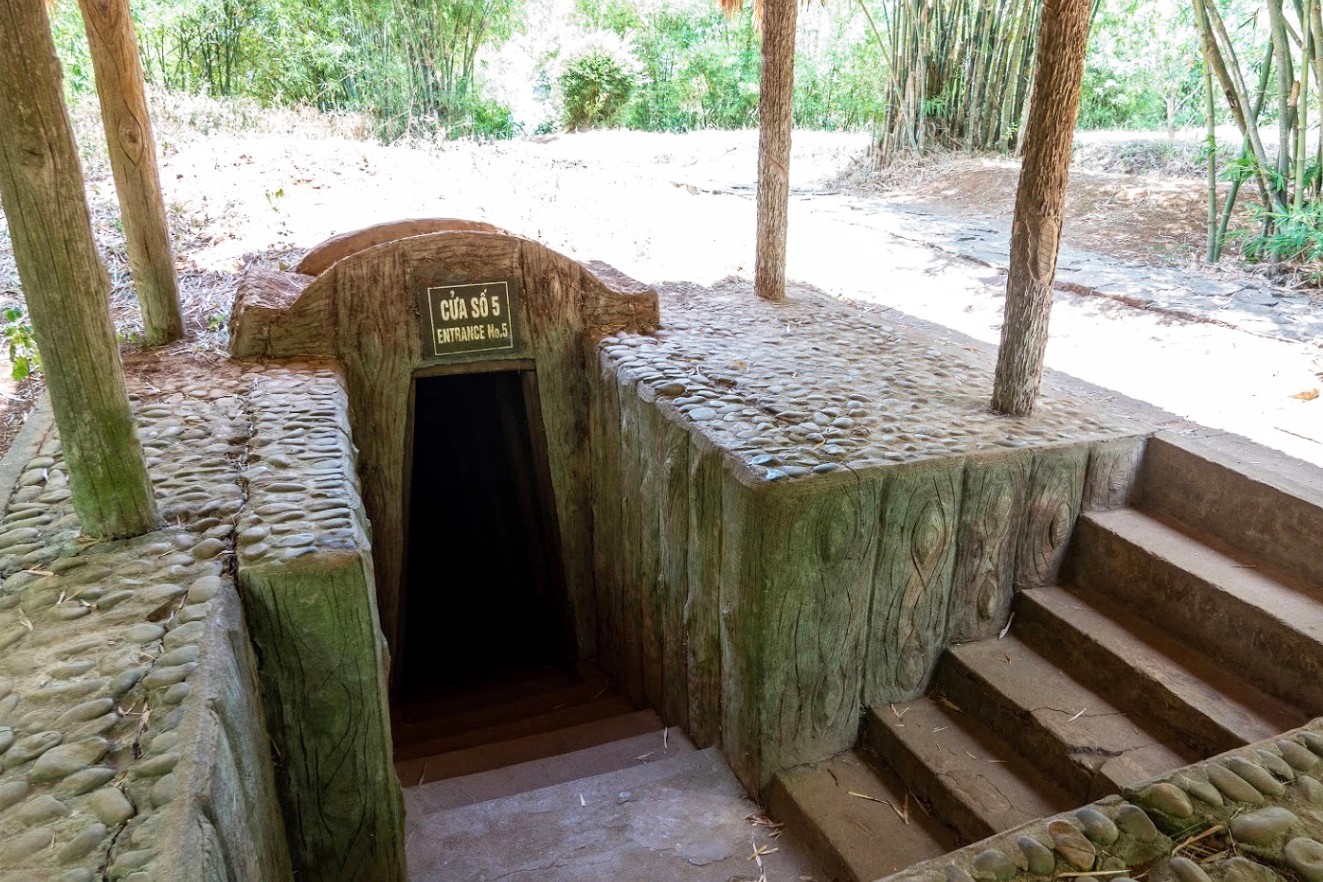
Step into one of Vietnam’s most extraordinary wartime legacies, where an extensive underground tunnel network reveals the ingenuity, resilience and daily struggles of those who lived and fought beneath the ground.