

Bac Ninh
Discover Bac Ninh, where UNESCO-recognised folk melodies, centuries-old pagodas, traditional craft villages and the enduring heritage of the Red River Delta reveal a rich side of northern Vietnam.
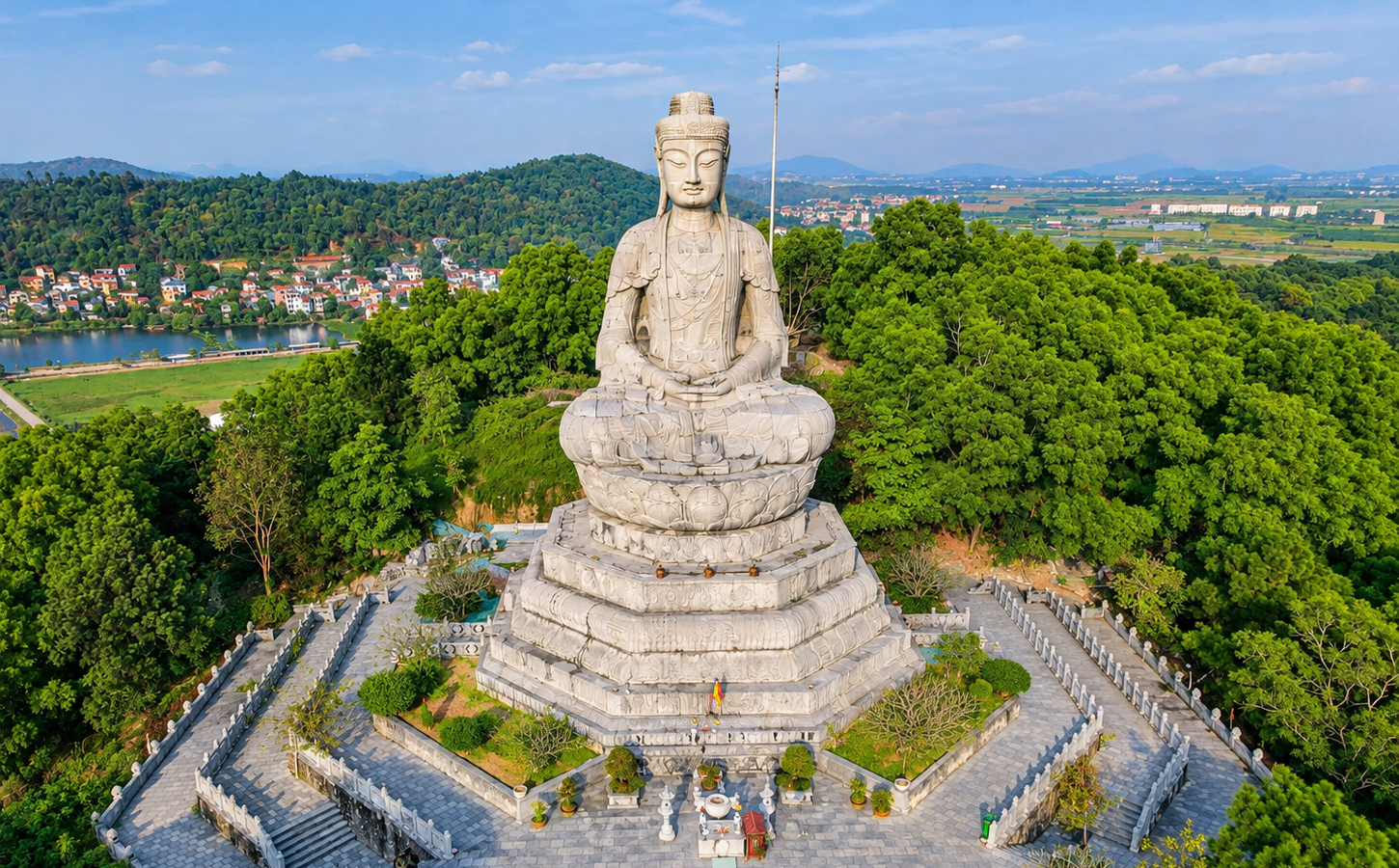
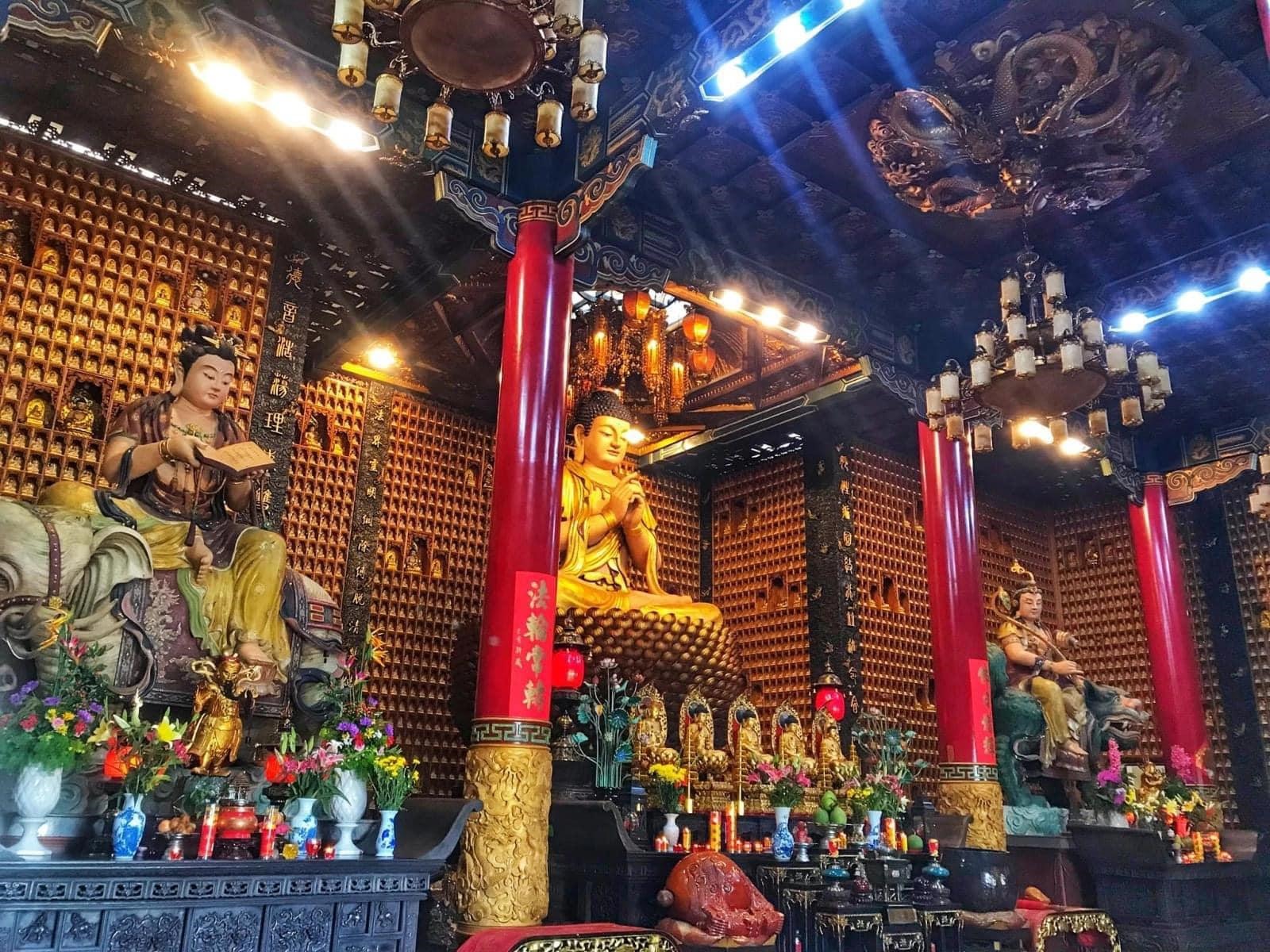
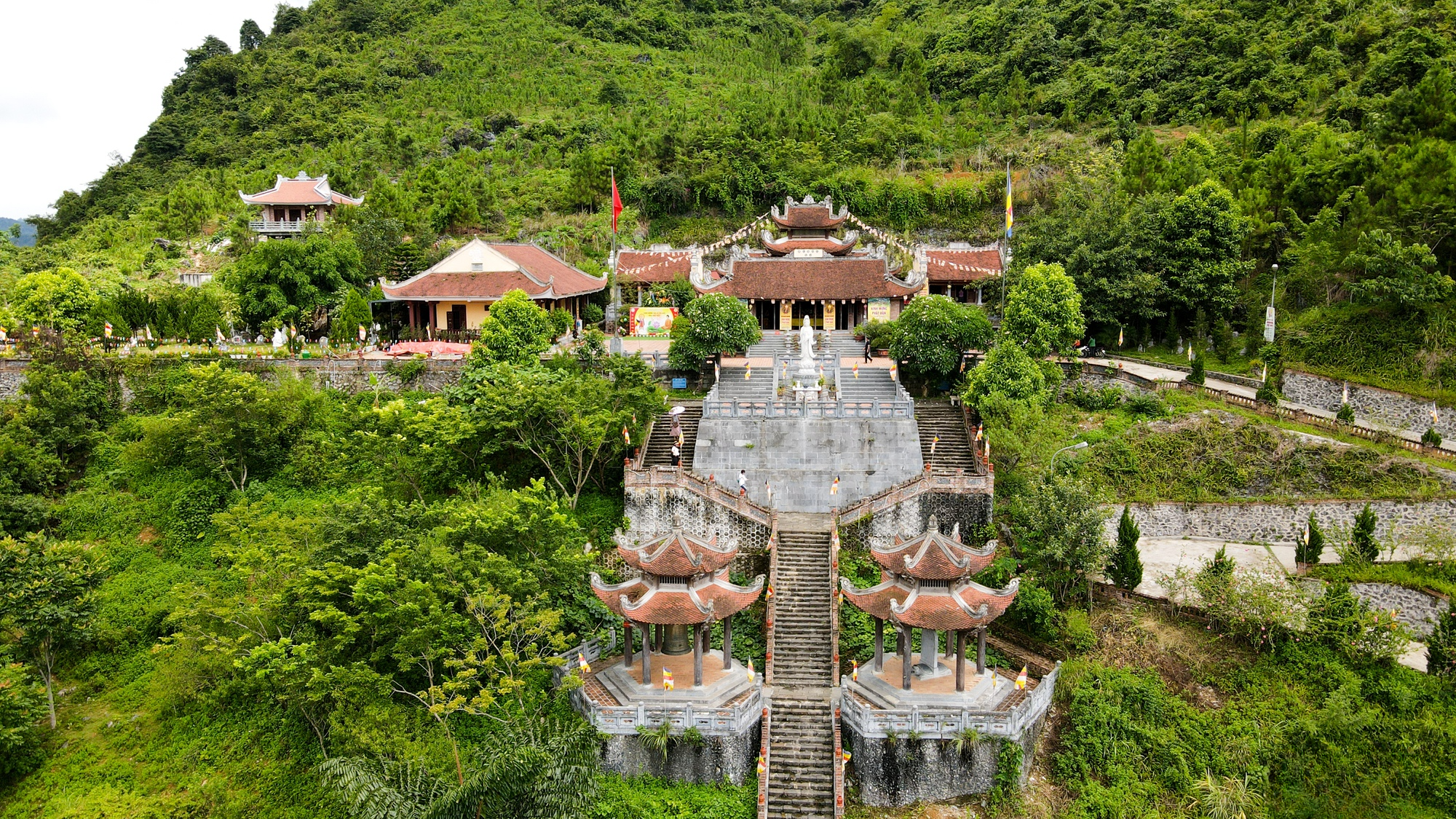
Phat Tich Pagoda, also known as Van Phuc Pagoda, is one of northern Vietnam’s most significant Buddhist heritage sites. Set on the southern slope of Phat Tich Mountain, it is renowned for its historic stone Buddha statue, ancient sculptures and close association with the Ly Dynasty.
Phat Tich Commune, Bac Ninh City
Buddhist Pagoda & Special National Historical Site
Developed as a major Buddhist centre in 1057 during the reign of Emperor Ly Thanh Tong; the site has undergone several restorations
Generally 7:00 AM–6:00 PM
Ly Dynasty Amitabha stone Buddha, carved stone animals, ancient stone stupa garden, traditional temple architecture and views from Phat Tich Mountain
Discover Bac Ninh, where UNESCO-recognised folk melodies, centuries-old pagodas, traditional craft villages and the enduring heritage of the Red River Delta reveal a rich side of northern Vietnam.
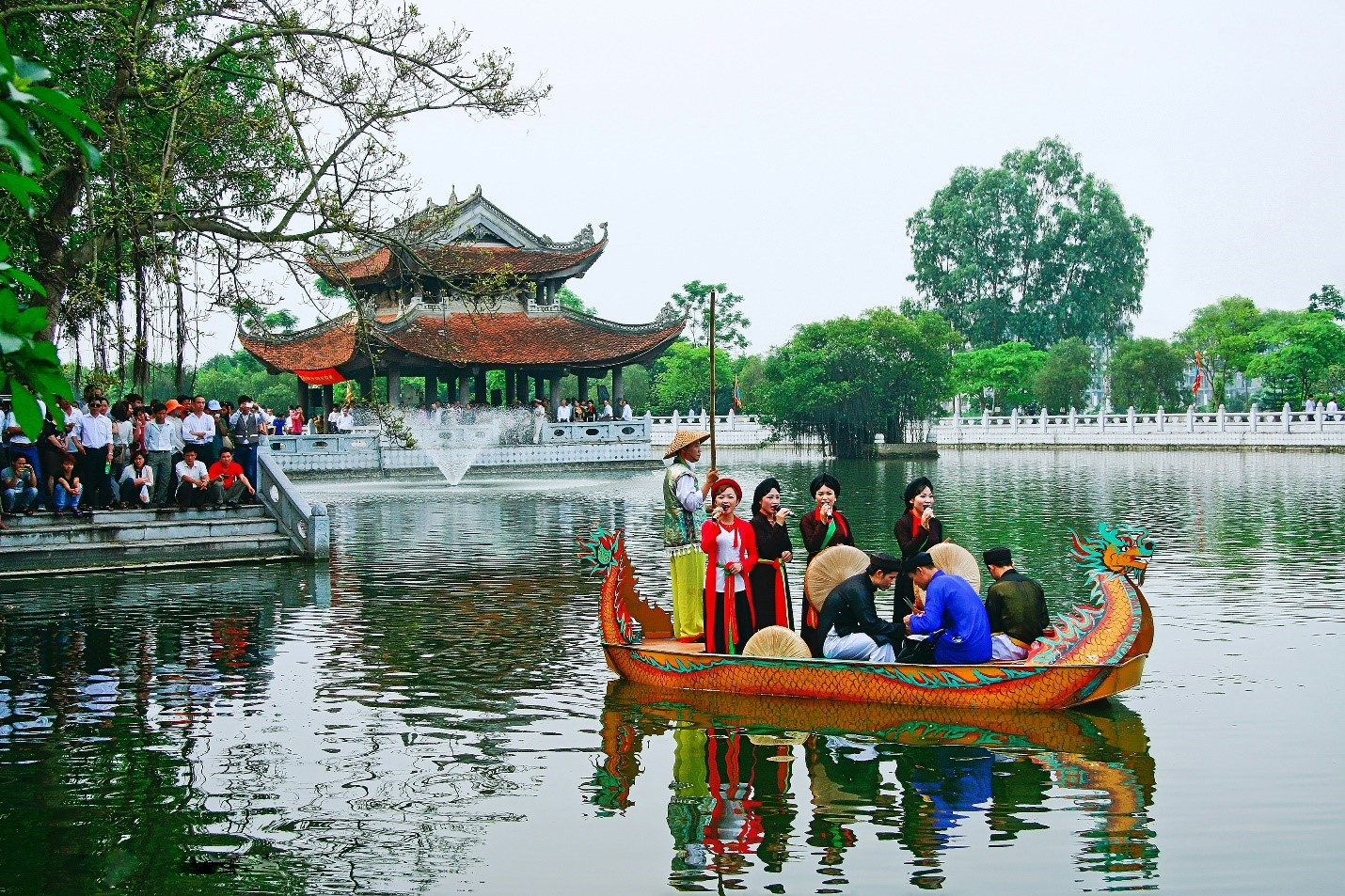
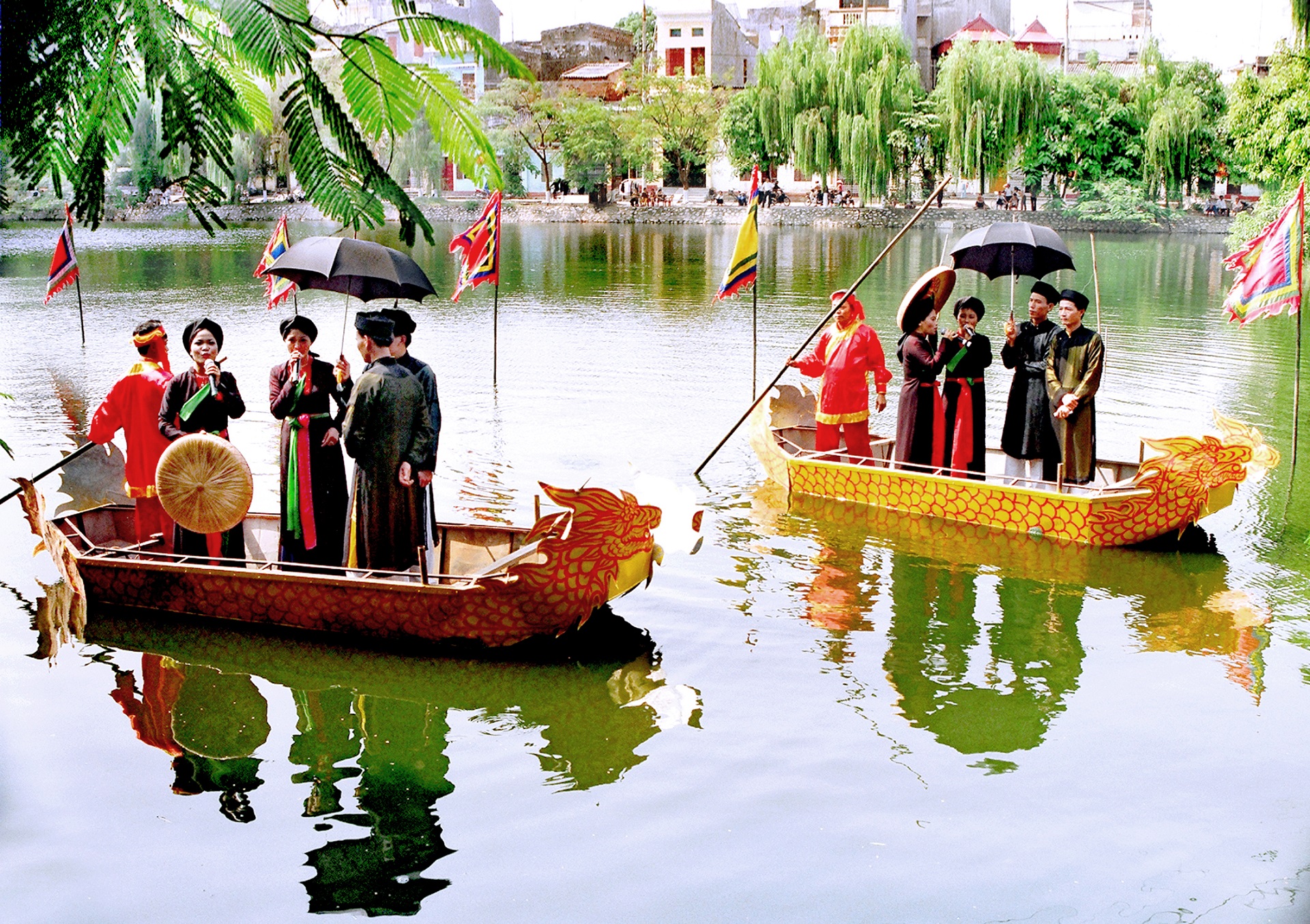
Experience the lyrical beauty of Quan Ho folk singing, where graceful melodies, traditional costumes and heartfelt musical exchanges bring the centuries-old cultural traditions of northern Vietnam to life.
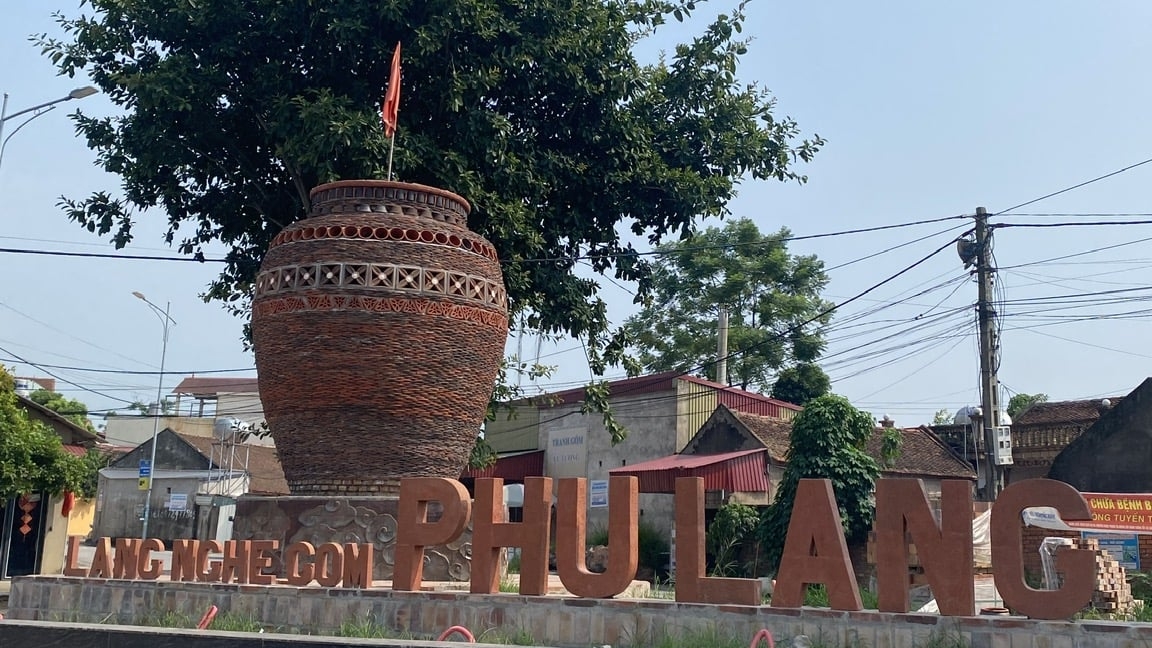
Explore the earthy beauty of Phu Lang pottery, where skilled artisans transform local clay, traditional glazes and fire into distinctive ceramics that embody the enduring craftsmanship of Vietnam’s Kinh Bac region.