
Hanoi
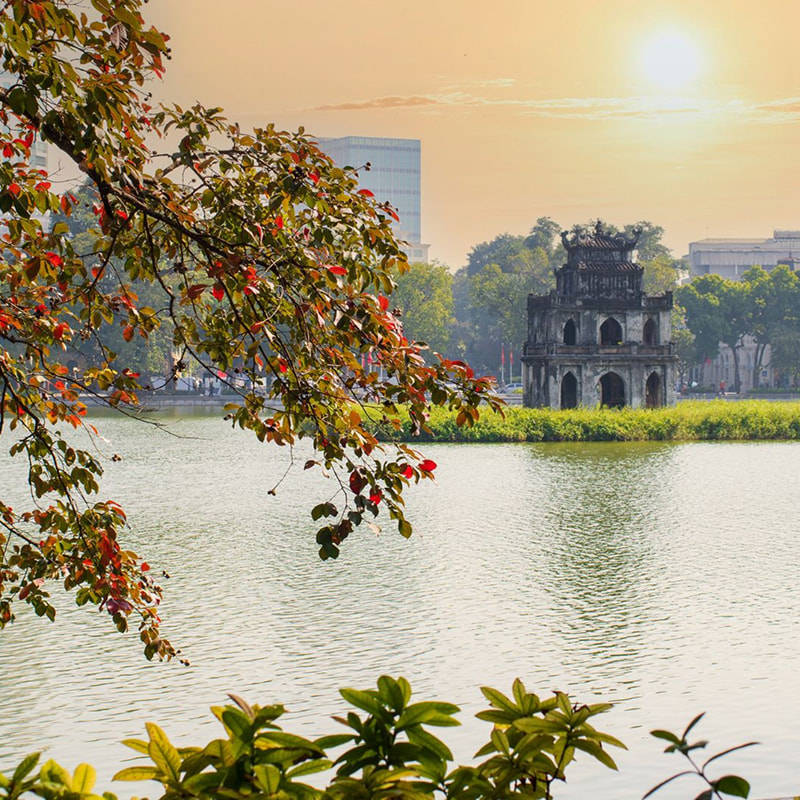
Discover Hanoi, where timeless heritage, vibrant street life, and authentic Vietnamese culture come together.

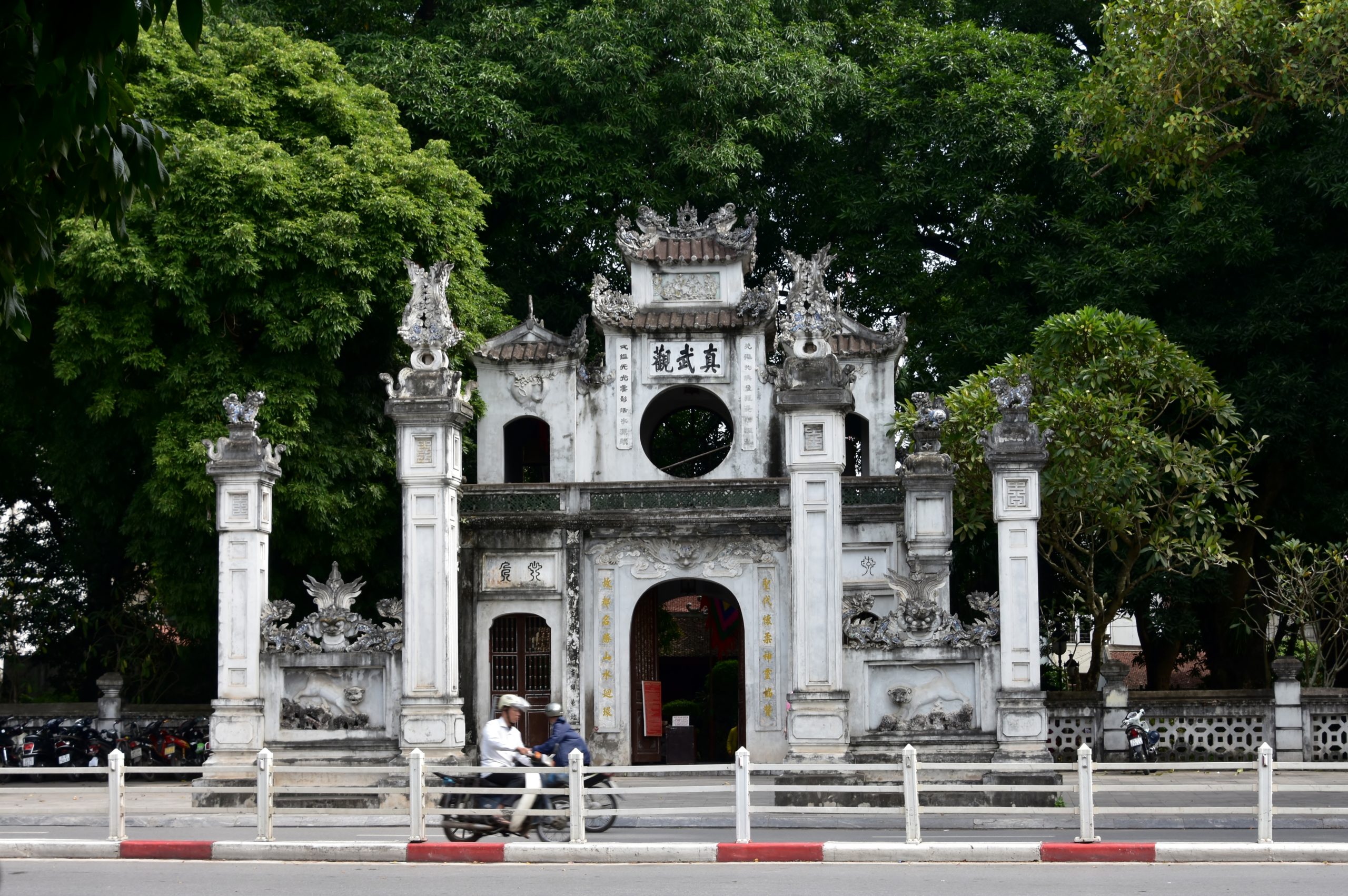
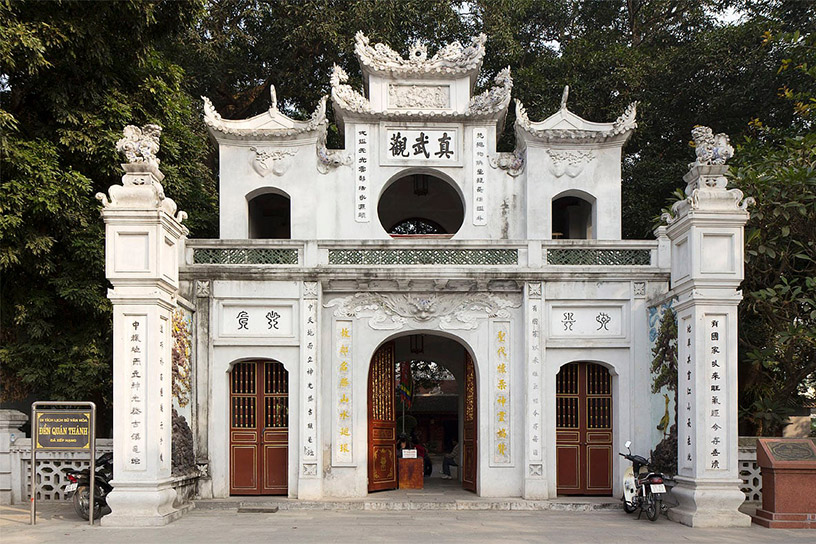
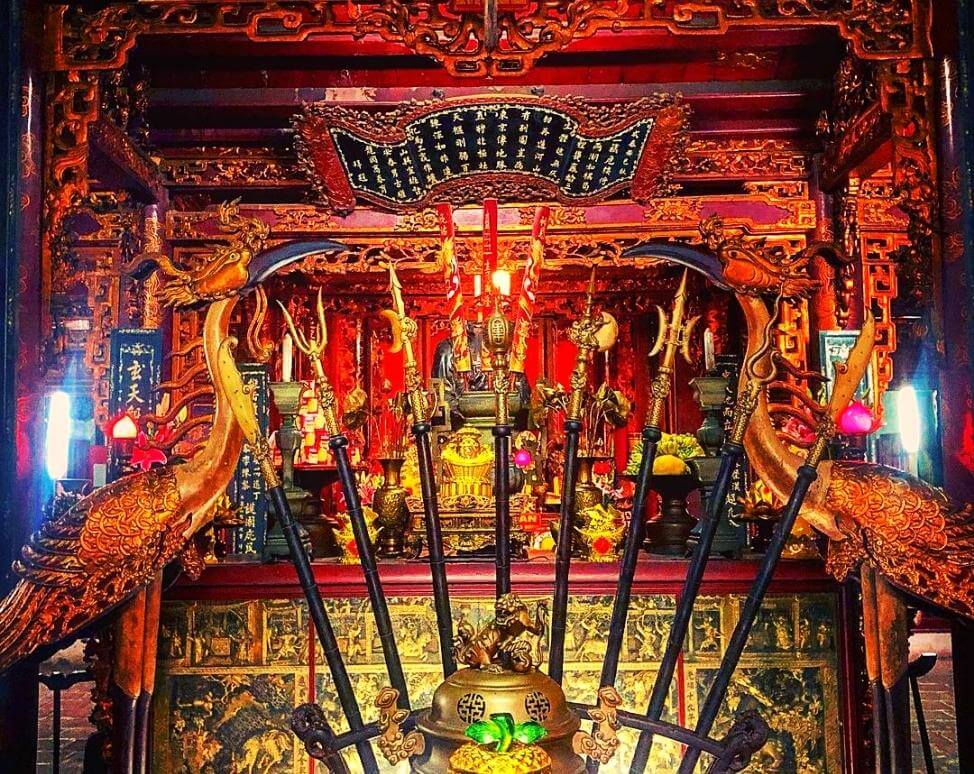
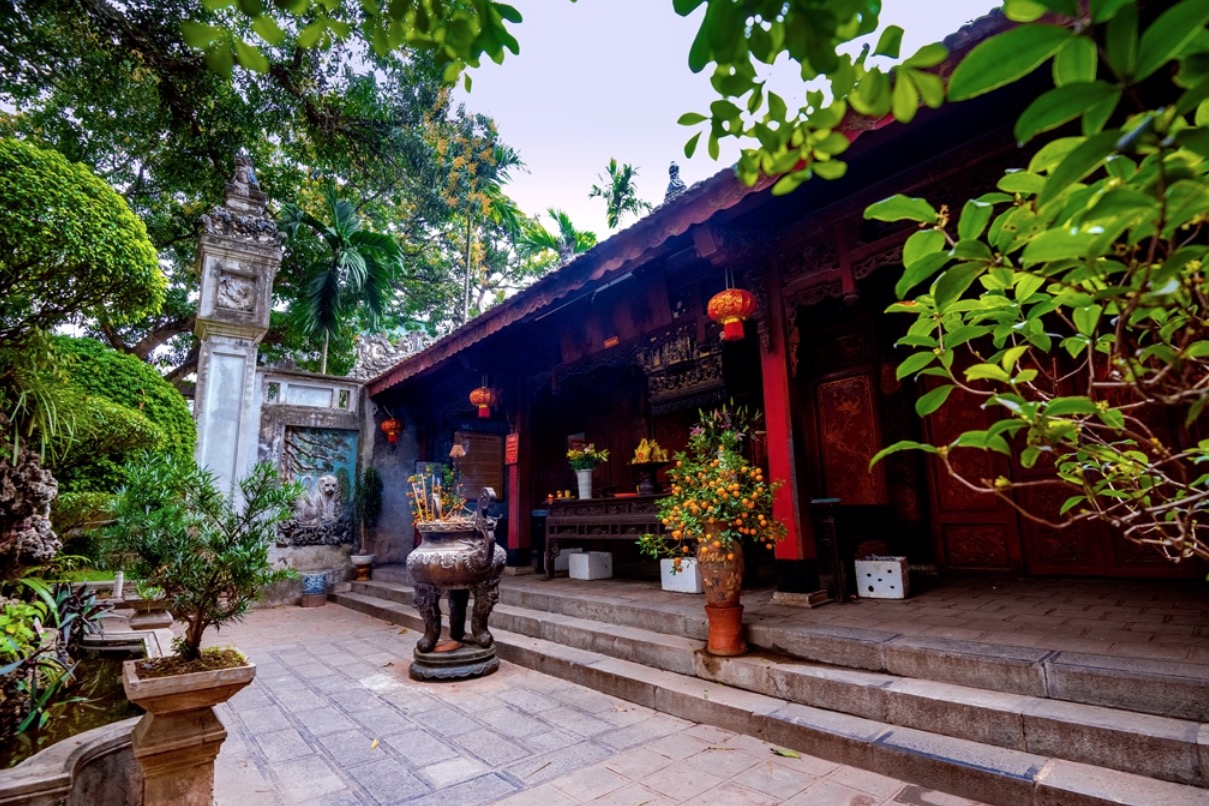
Located beside West Lake, Quan Thanh Temple is one of the four sacred temples of ancient Thang Long, historically built to protect the capital from the four directions.
Ba Dinh Ward, Hanoi
Taoist Temple & Historical Site
11th century, traditionally dated to 1010
08:00–17:00 daily
Huyen Thien Tran Vu bronze statue, traditional architecture, ornate wood carvings and sacred Taoist symbolism
Discover Hanoi, where timeless heritage, vibrant street life, and authentic Vietnamese culture come together.
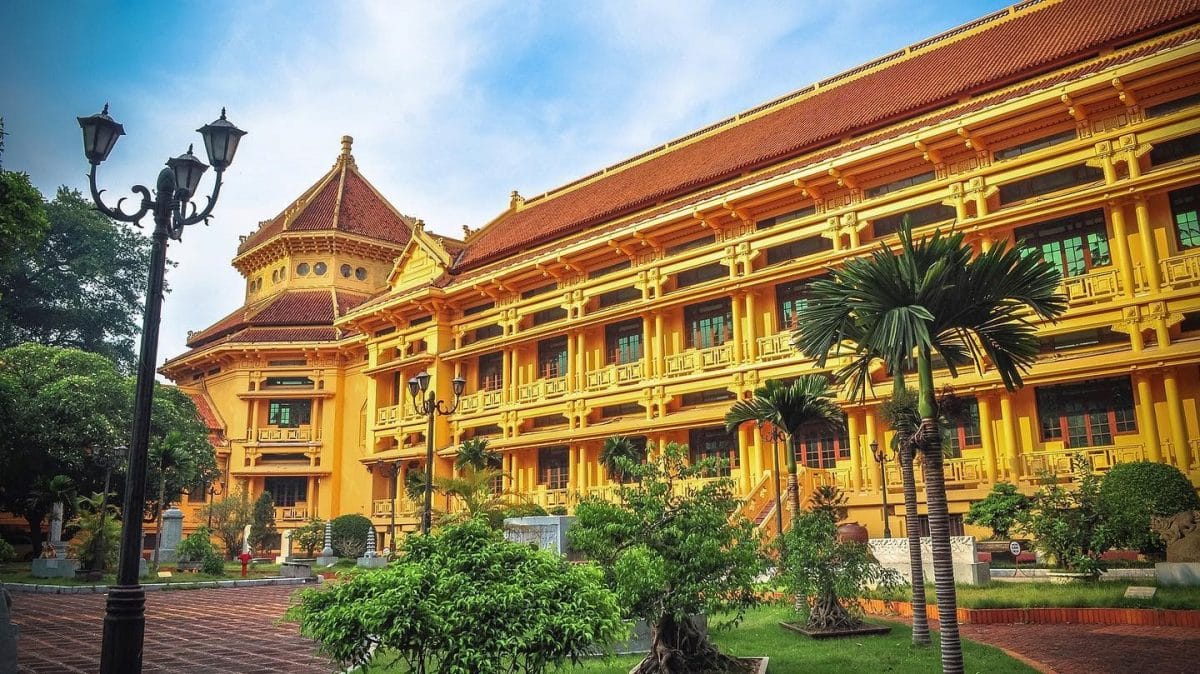
Trace Vietnam’s long and fascinating history through a remarkable collection of archaeological treasures, cultural artefacts and national heritage.
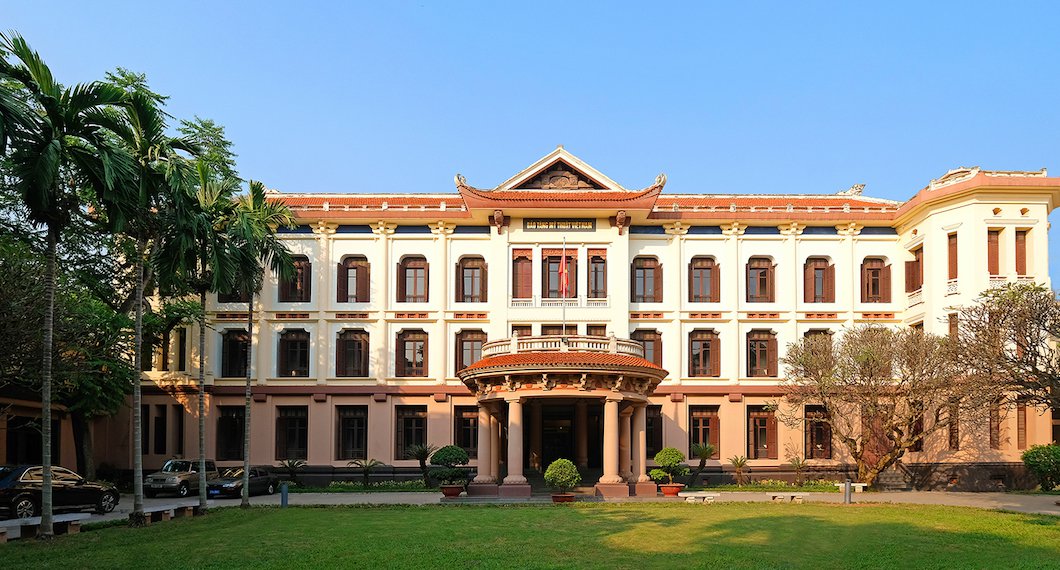
Discover the beauty of Vietnamese art through centuries of creativity, tradition and cultural expression.