
Hue
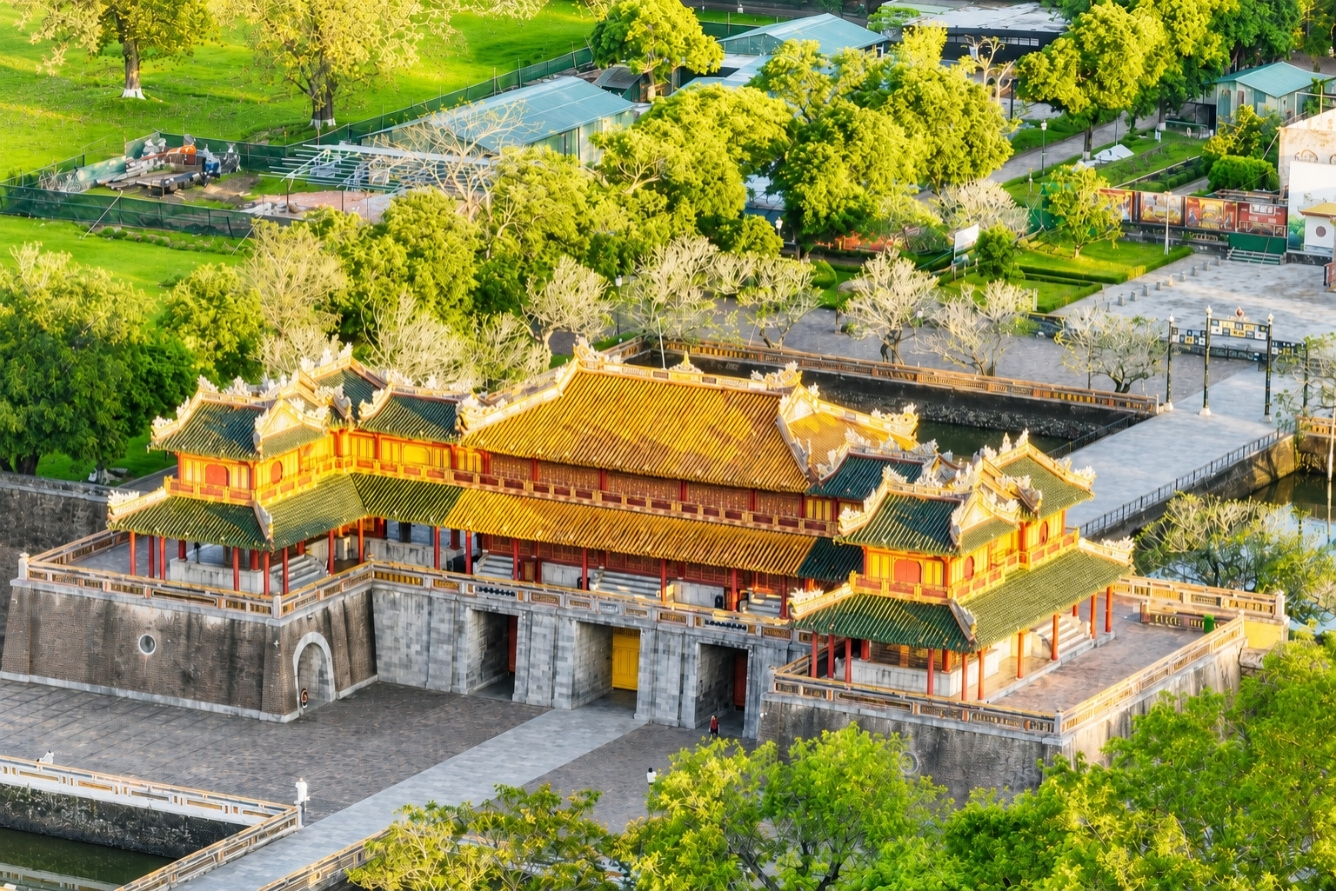
Discover the legacy of Vietnam’s last royal dynasty, from majestic imperial palaces and serene royal tombs to elegant garden houses and the gentle flow of the Perfume River.
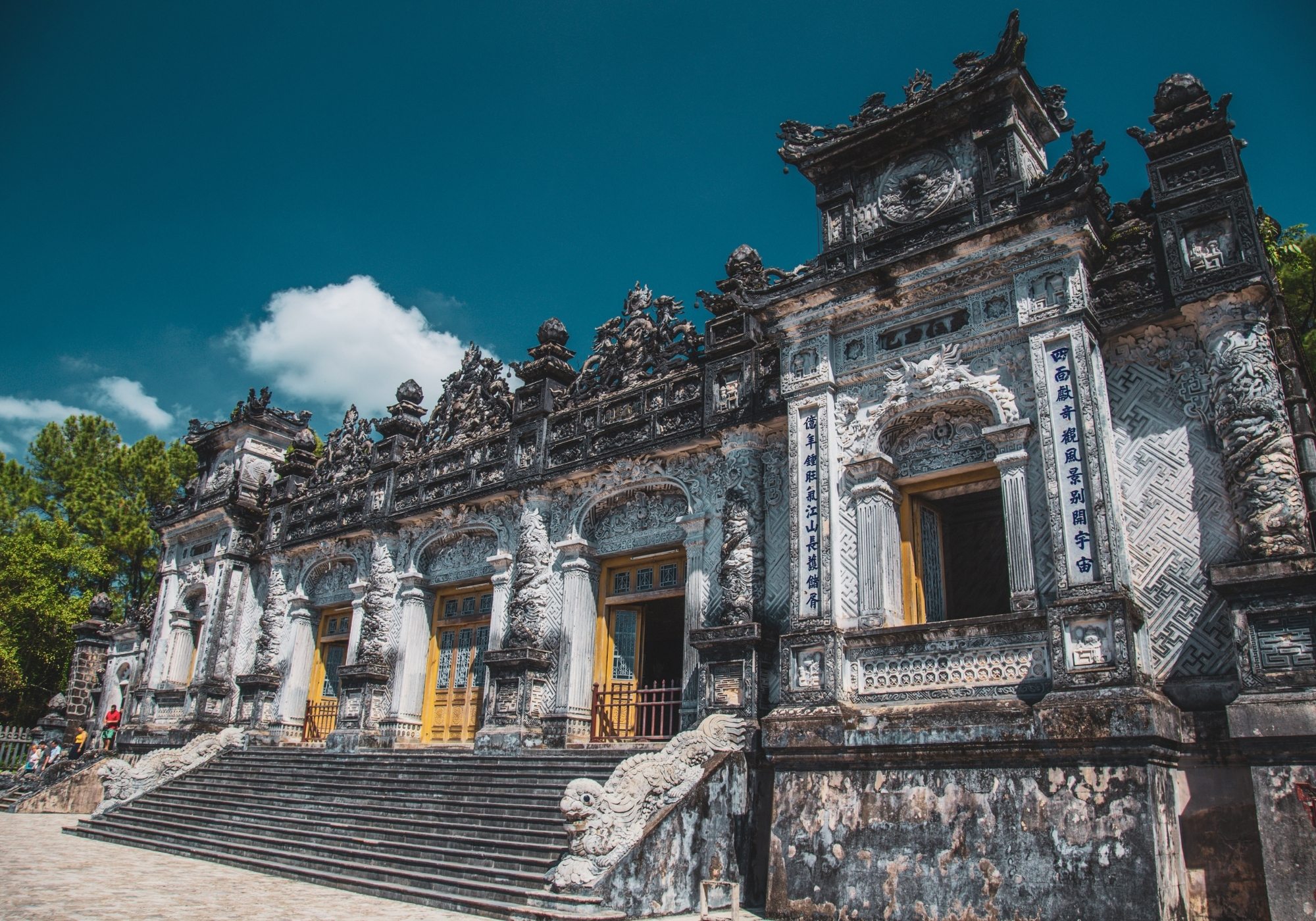
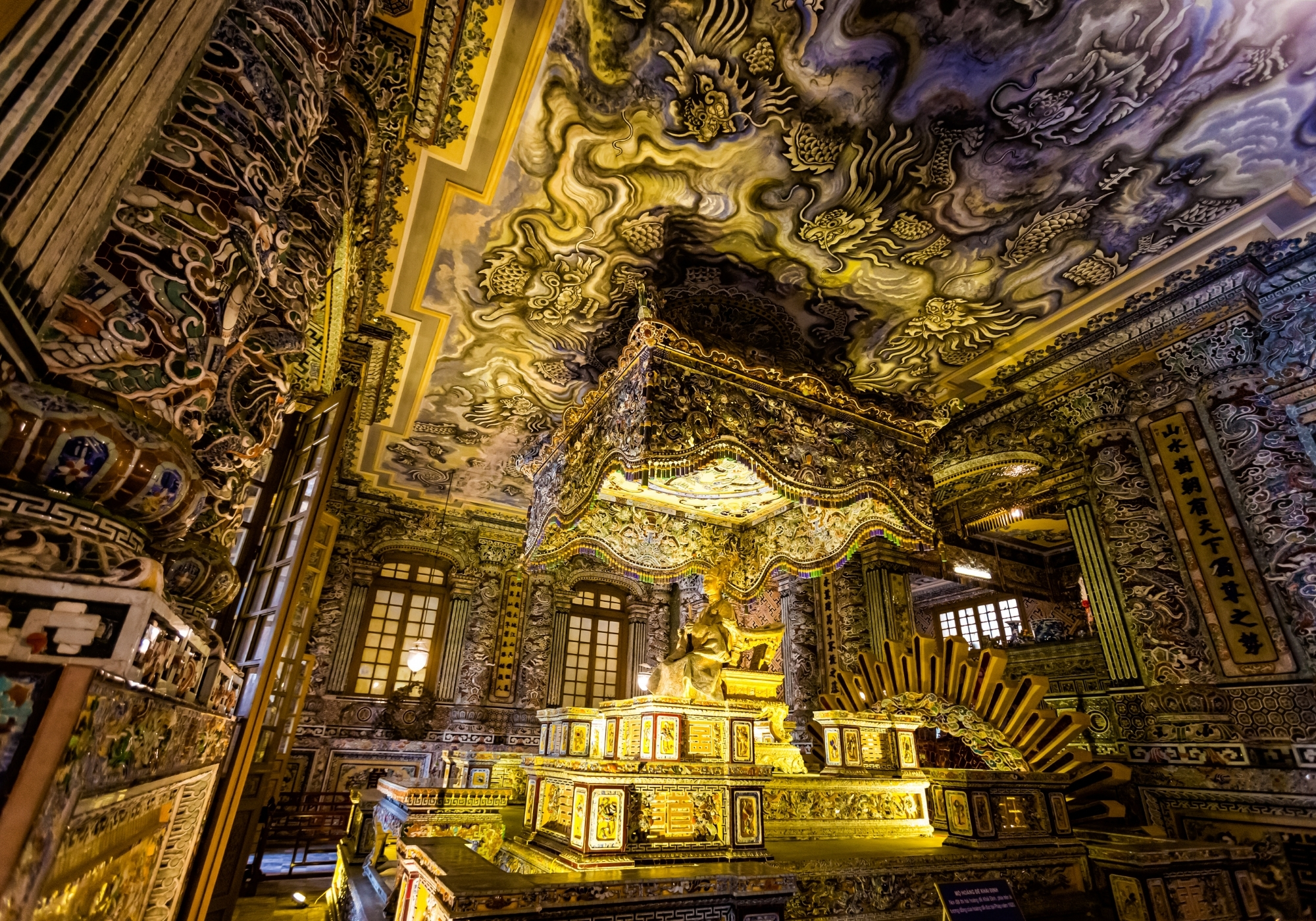
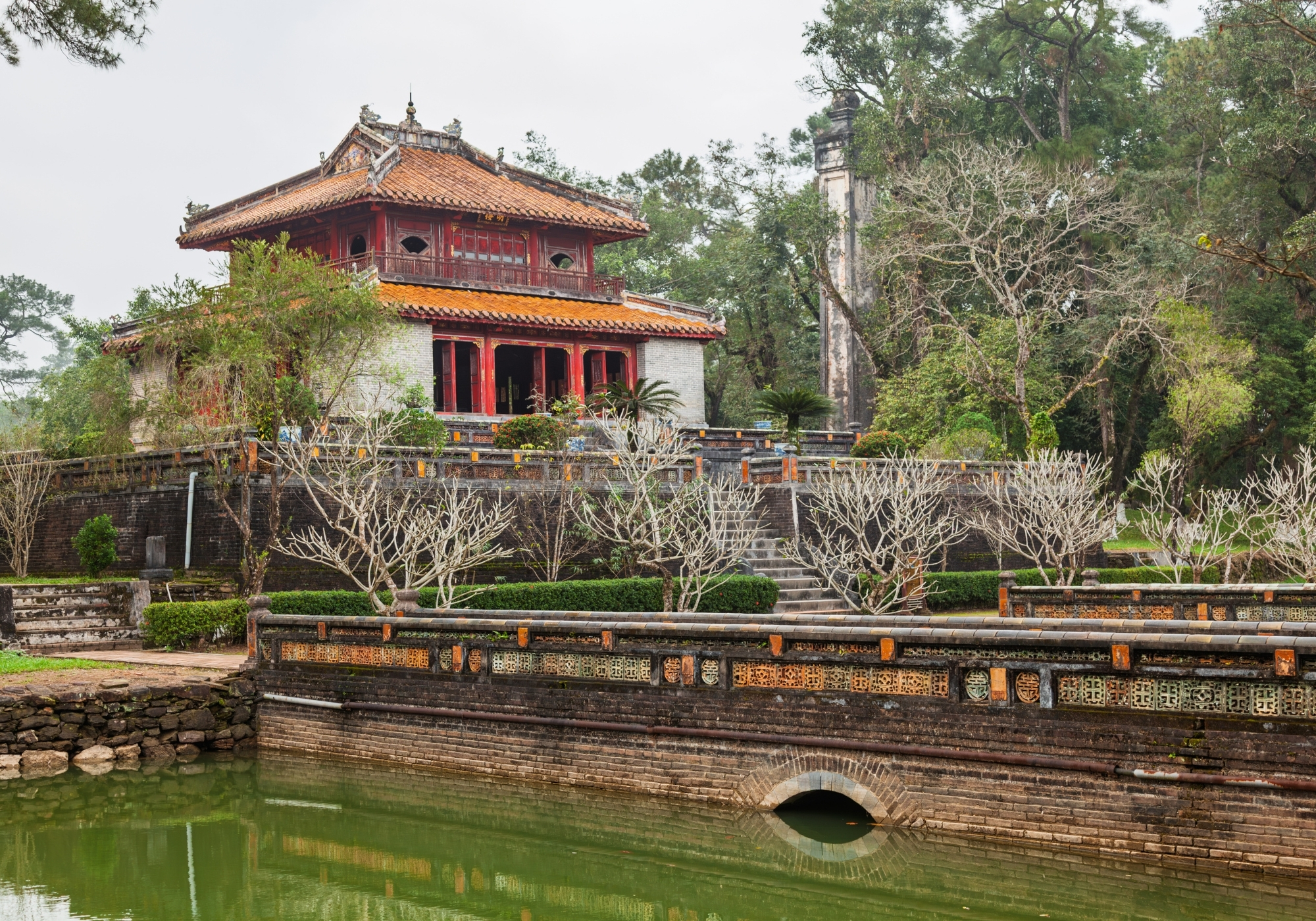
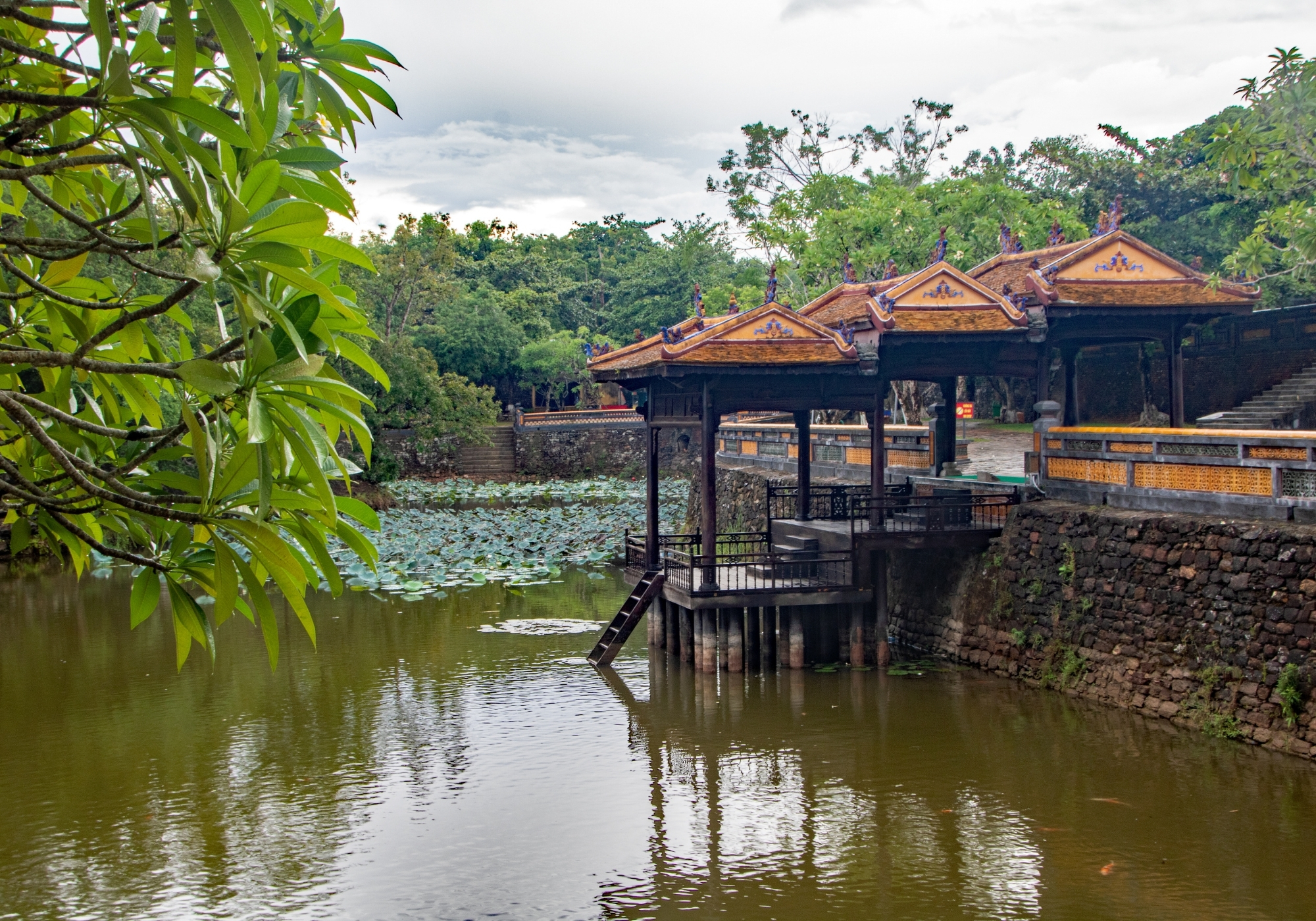
The Royal Tombs of the Nguyen Emperors are a collection of imperial mausoleums built around Hue, the capital of Vietnam’s last royal dynasty from 1802 to 1945. Part of the Complex of Hue Monuments, recognised by UNESCO in 1993, the tombs combine traditional royal architecture, landscape design and spiritual symbolism.
Areas surrounding Hue City, Central Vietnam
Imperial Mausoleums and UNESCO World Heritage Site
Early 19th to early 20th century
The principal tombs generally open daily from around 7:00 AM to 5:30 PM, with schedules varying by site and season.
Minh Mang Tomb, Tu Duc Tomb, Khai Dinh Tomb, Gia Long Tomb, royal temples, ceremonial courtyards, lakes and landscaped gardens
Discover the legacy of Vietnam’s last royal dynasty, from majestic imperial palaces and serene royal tombs to elegant garden houses and the gentle flow of the Perfume River.
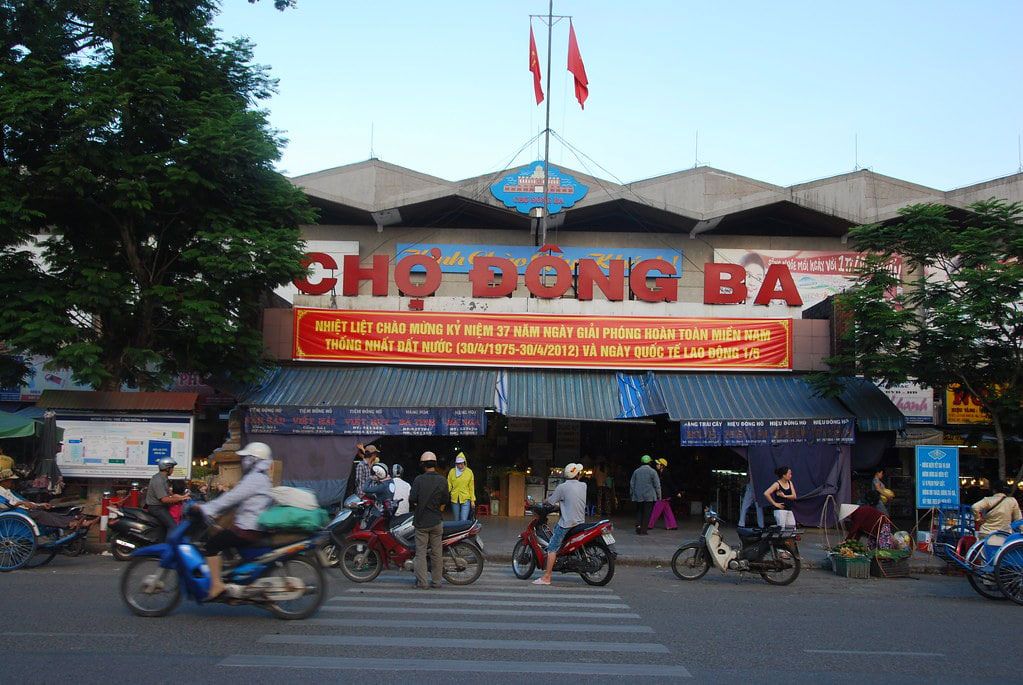
Experience the lively rhythms of everyday Hue through a historic marketplace filled with regional delicacies, traditional handicrafts and the flavours of Vietnam’s former imperial capital.
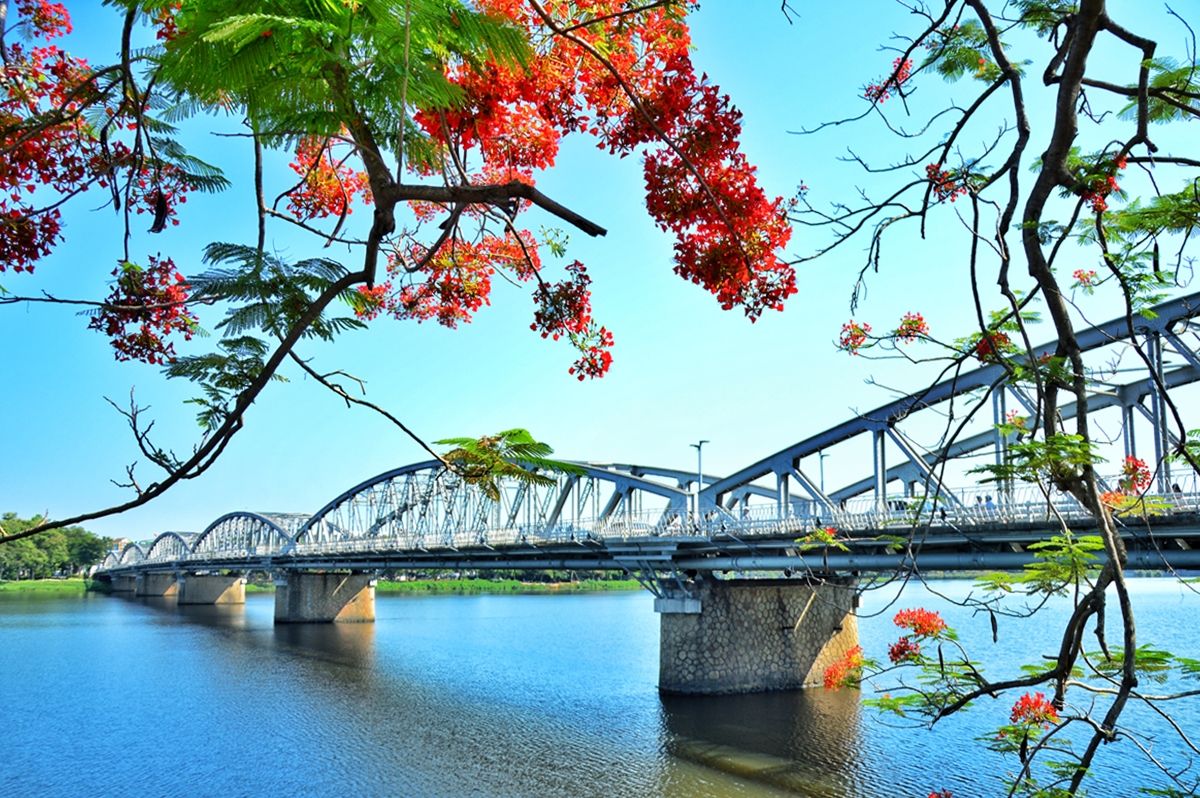
Follow the gentle flow of the Perfume River through Hue, where historic pagodas, elegant bridges and royal heritage create one of Vietnam’s most evocative riverside landscapes.