
Hanoi
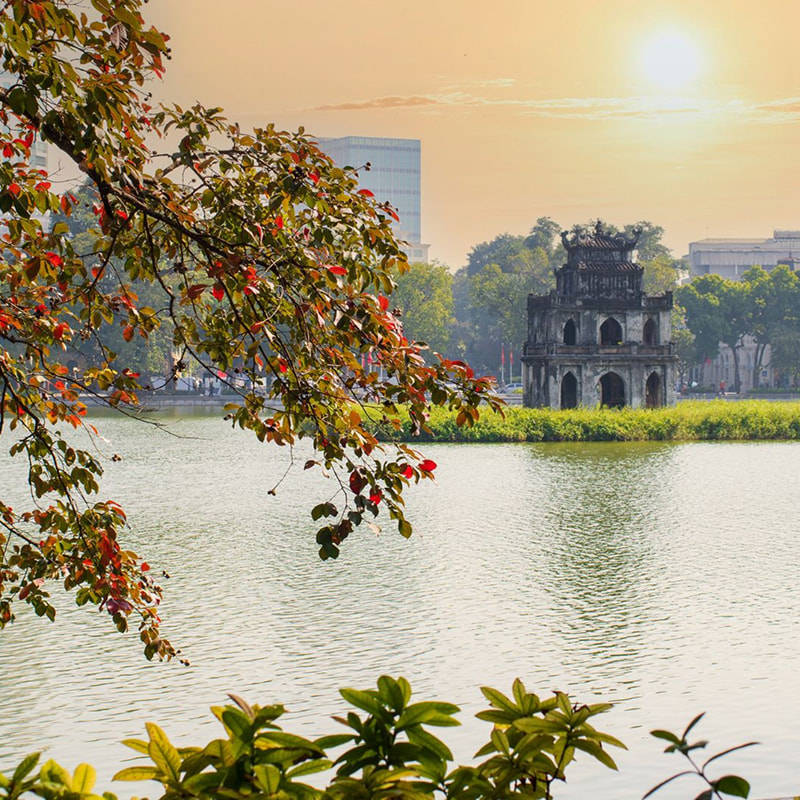
Discover Hanoi, where timeless heritage, vibrant street life, and authentic Vietnamese culture come together.
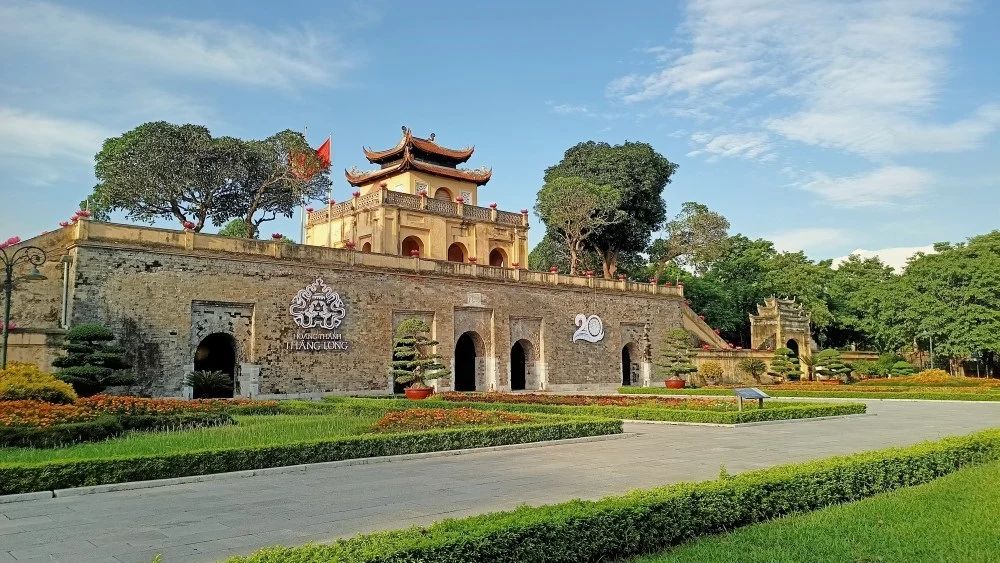
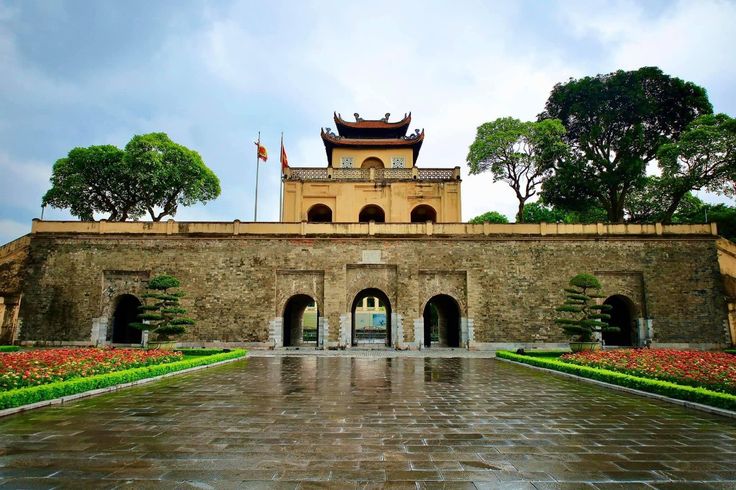
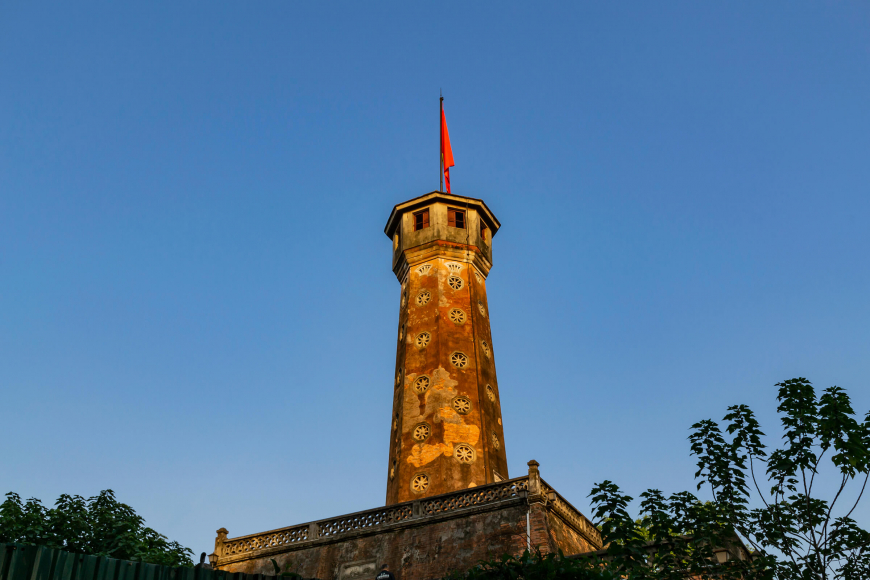
The Thang Long Imperial Citadel is one of Hanoi’s most important historical sites and a UNESCO World Heritage Site, preserving the remains of a royal capital that served as a centre of political power for nearly 13 centuries.
Ba Dinh, Hanoi
Historical & Archaeological Heritage Site
1010
08:00–17:00
Doan Mon Gate, Hanoi Flag Tower, Kinh Thien Palace Foundation, North Gate and 18 Hoang Dieu Archaeological Site
Discover Hanoi, where timeless heritage, vibrant street life, and authentic Vietnamese culture come together.
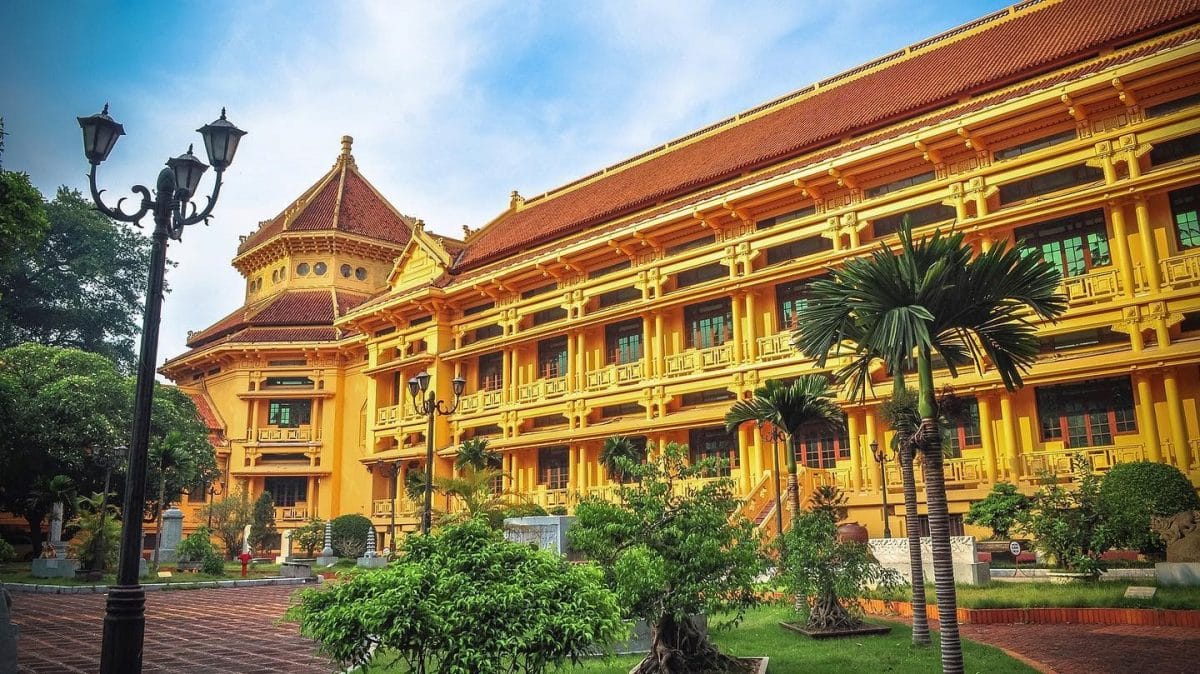
Trace Vietnam’s long and fascinating history through a remarkable collection of archaeological treasures, cultural artefacts and national heritage.
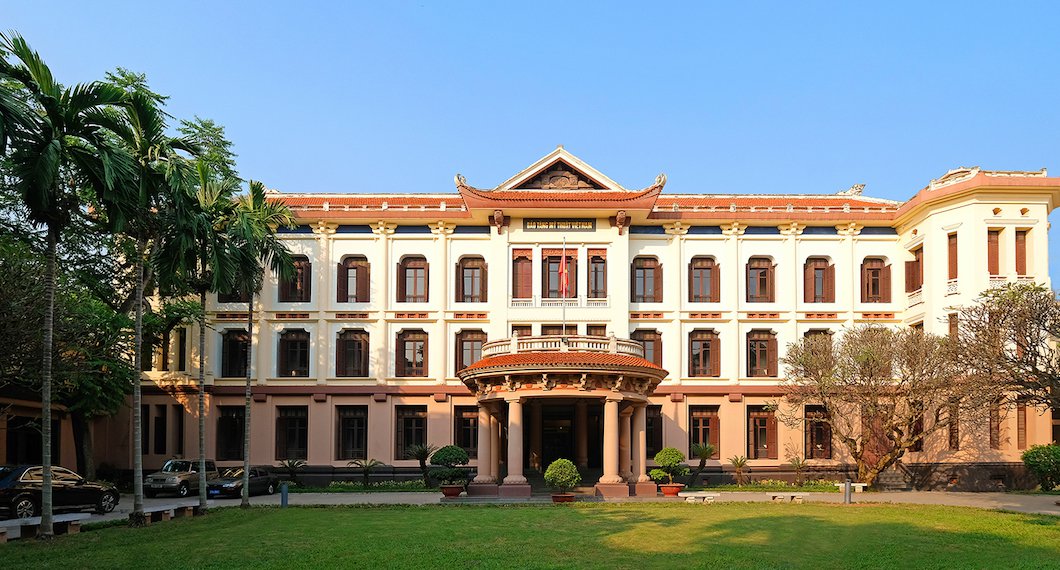
Discover the beauty of Vietnamese art through centuries of creativity, tradition and cultural expression.