
Ho Chi Minh City
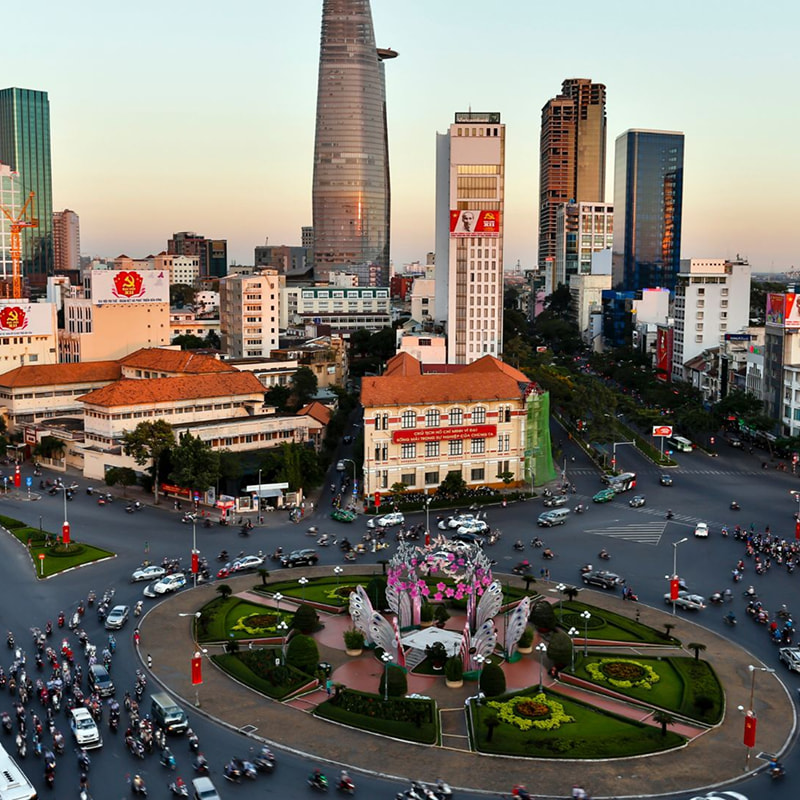
Discover a city where historic landmarks, vibrant street life and contemporary energy come together, offering an unforgettable introduction to the culture, cuisine and contrasts of southern Vietnam.
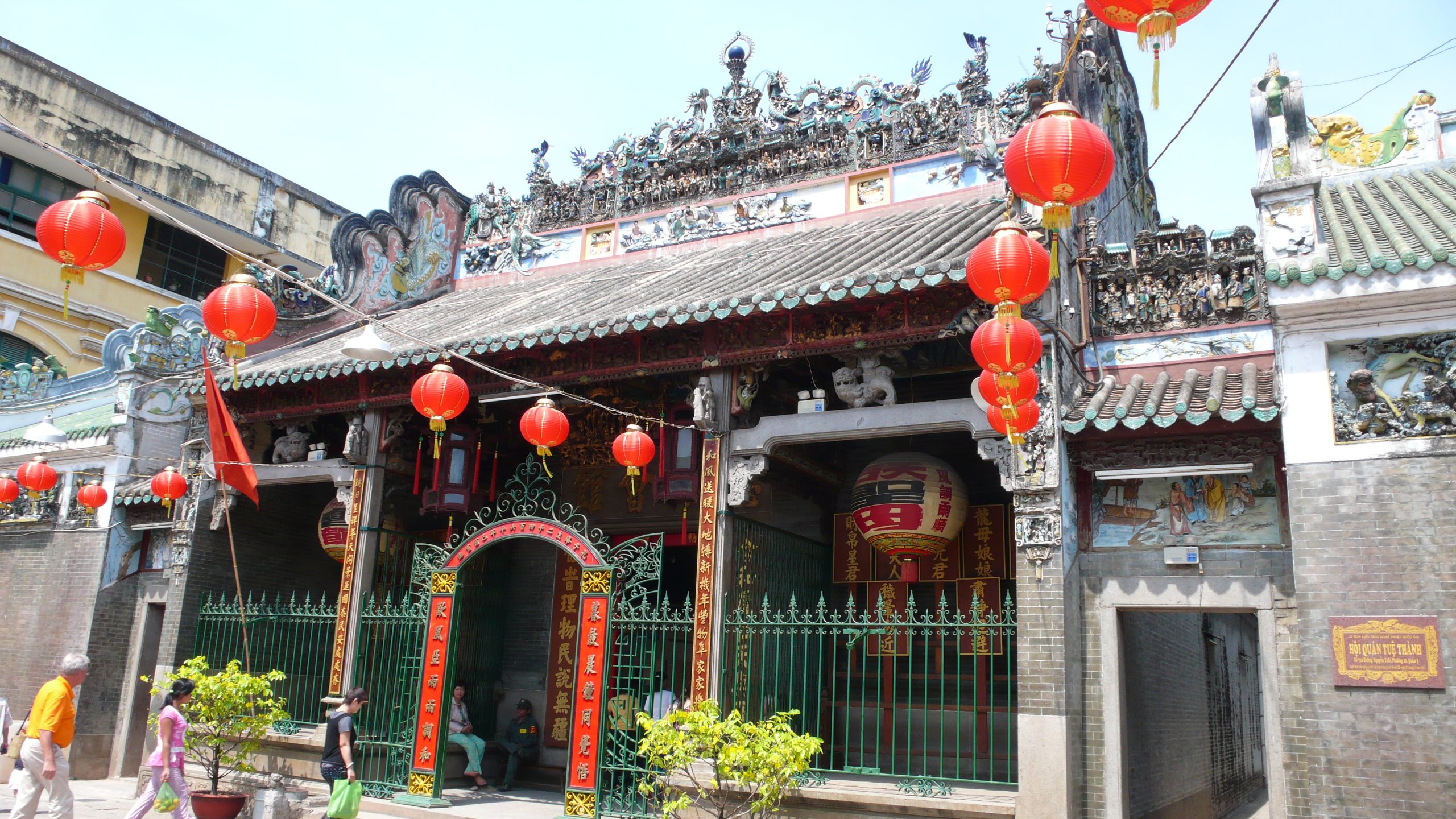
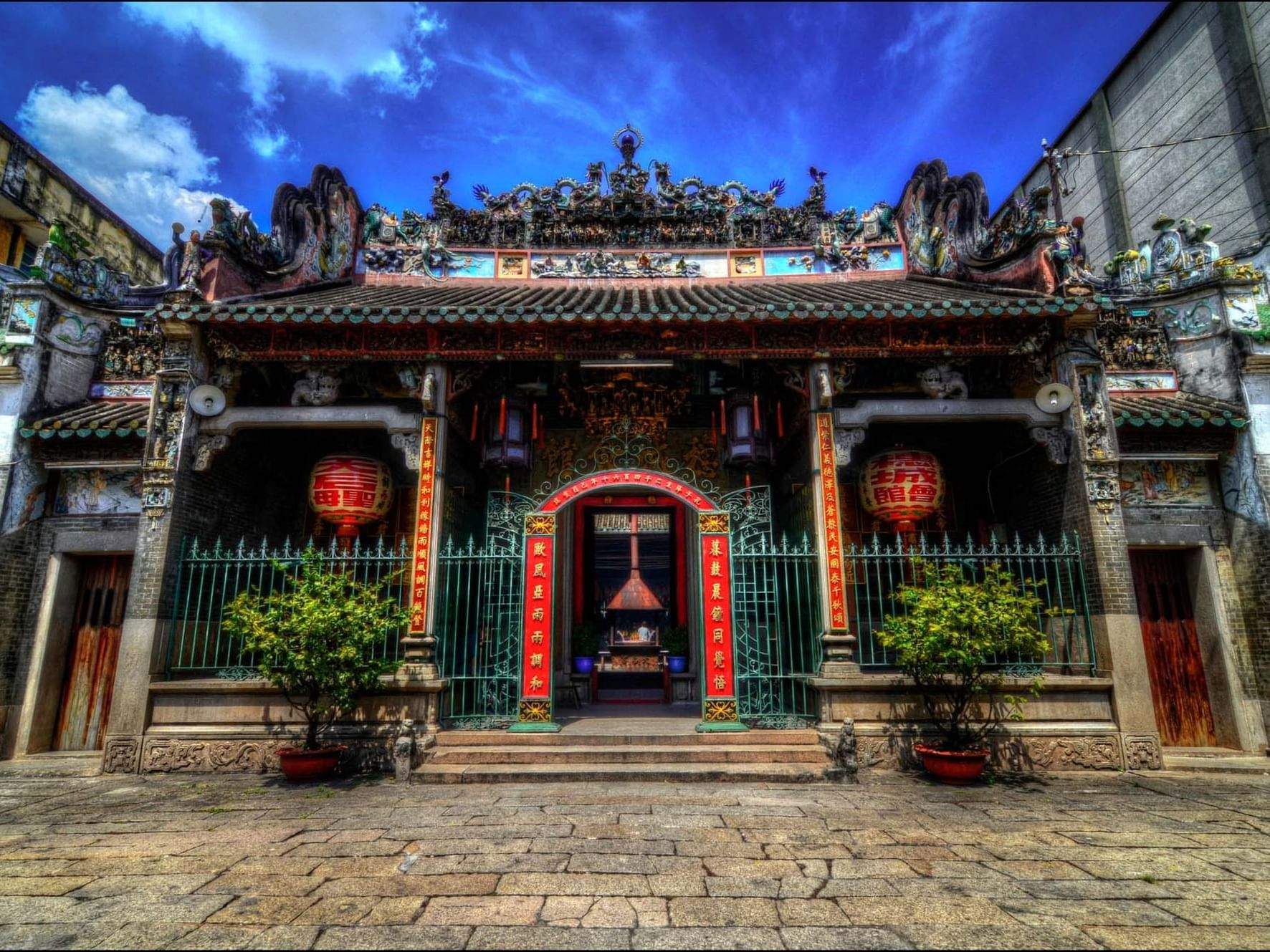
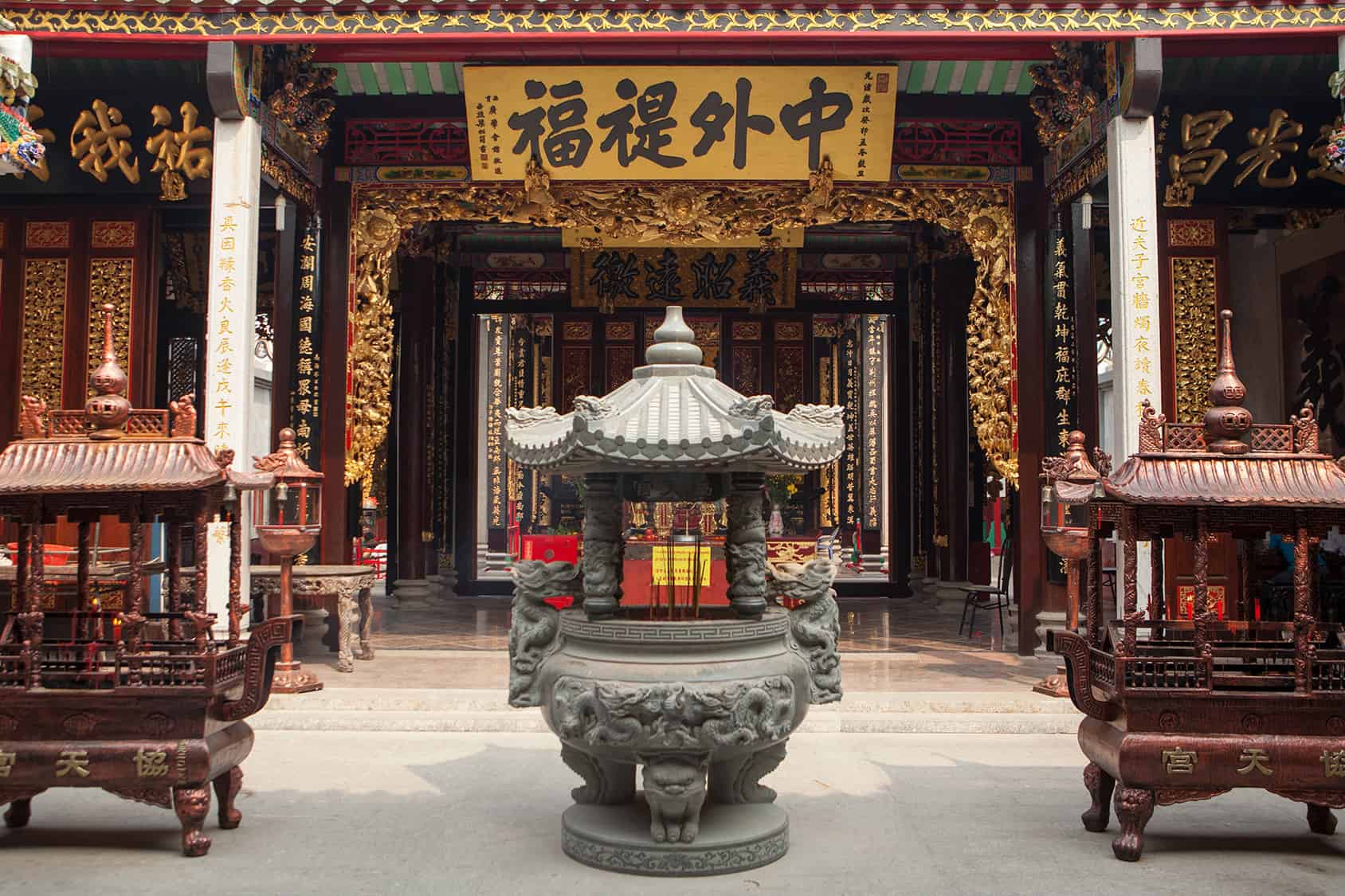
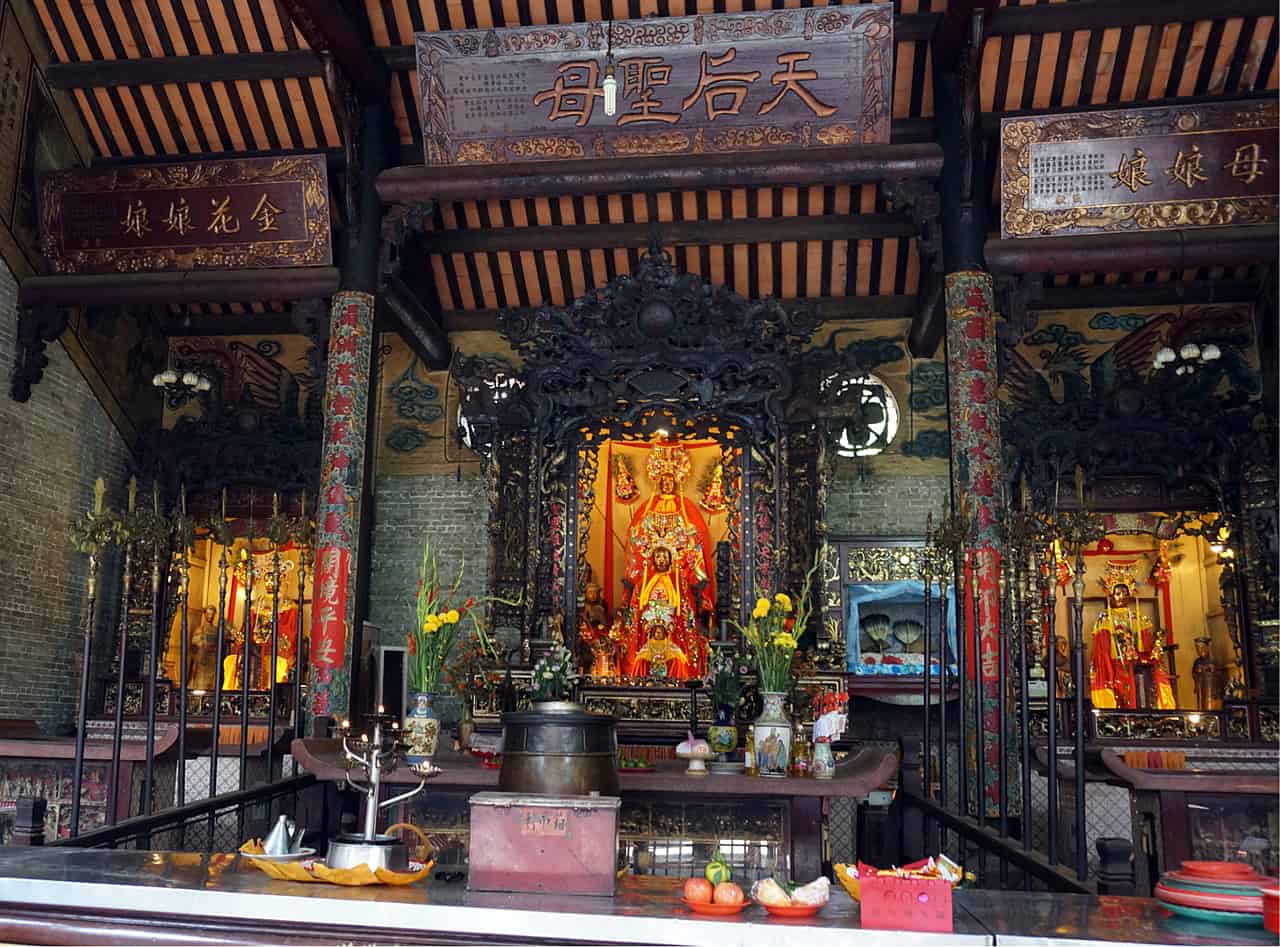
Thien Hau Pagoda is one of the most significant historic Chinese religious sites in Ho Chi Minh City. Founded by the Cantonese community in the 18th century, it honours Thien Hau, the sea goddess believed to protect sailors and those travelling across the ocean.
710 Nguyen Trai Street, Cholon Ward, Ho Chi Minh City
Chinese-Vietnamese Temple & Cultural Heritage Site
Around 1760
Generally around 6:00 AM–5:30 PM daily
Traditional Chinese architecture, elaborate ceramic roof sculptures, carved altars, hanging spiral incense coils, historic artefacts and annual Thien Hau festival
Discover a city where historic landmarks, vibrant street life and contemporary energy come together, offering an unforgettable introduction to the culture, cuisine and contrasts of southern Vietnam.
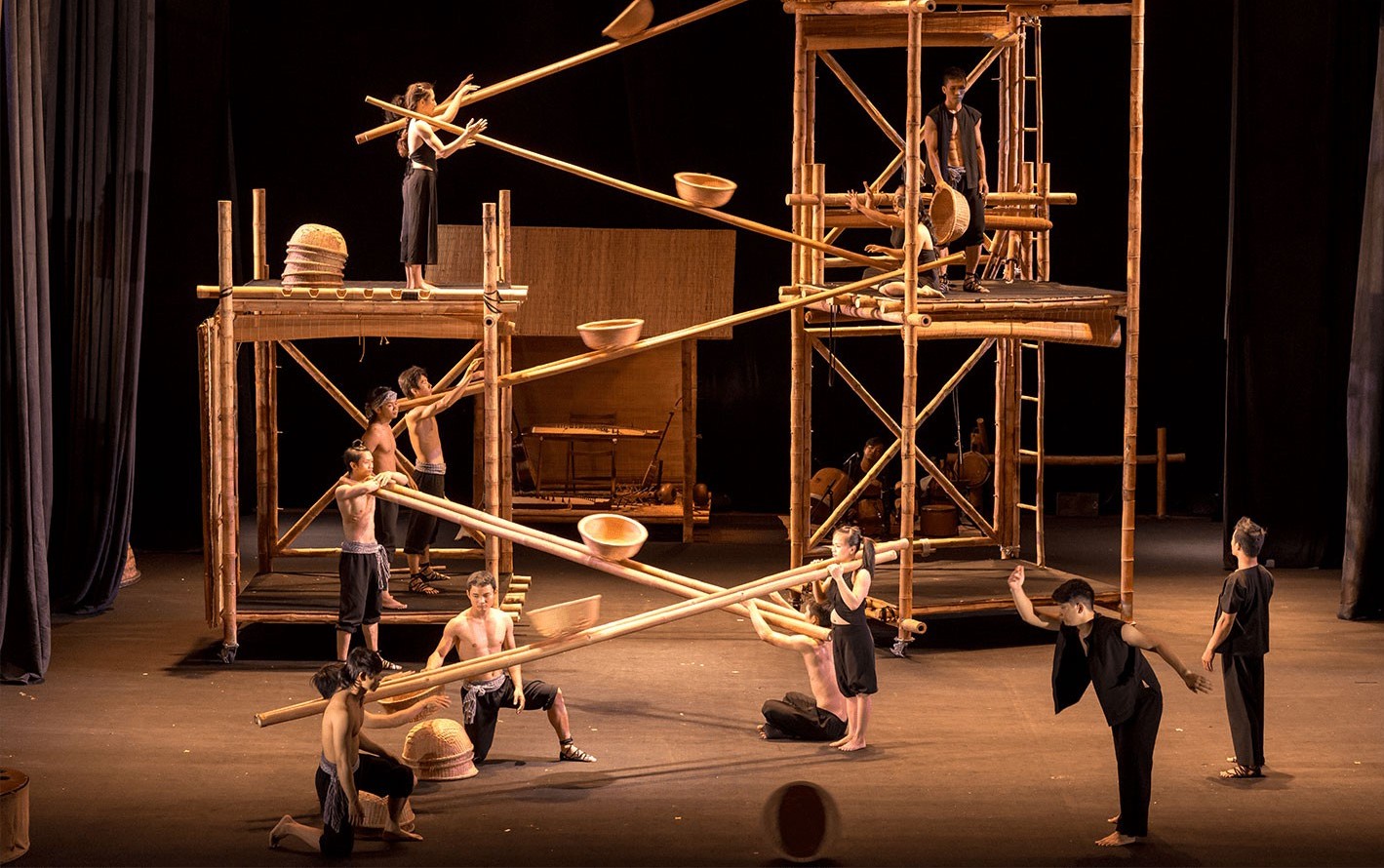
Experience the spirit of Vietnam through a spectacular fusion of bamboo acrobatics, live traditional music and contemporary theatre, performed in one of Ho Chi Minh City’s most beautiful historic venues.
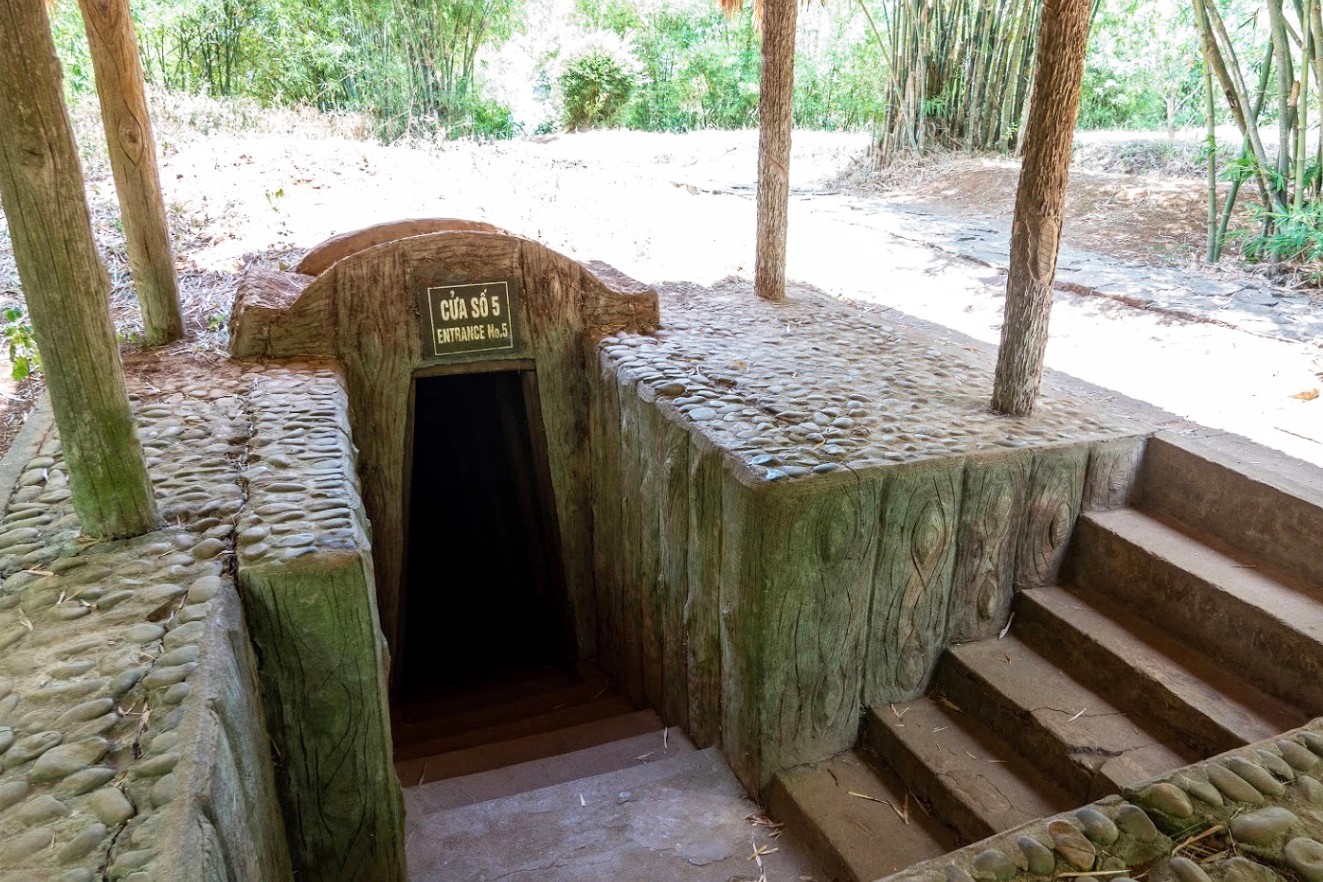
Step into one of Vietnam’s most extraordinary wartime legacies, where an extensive underground tunnel network reveals the ingenuity, resilience and daily struggles of those who lived and fought beneath the ground.