
Da Nang
Discover a vibrant coastal destination where sun-kissed beaches, dramatic mountain landscapes, rich cultural heritage and exciting cuisine come together in the heart of Central Vietnam.
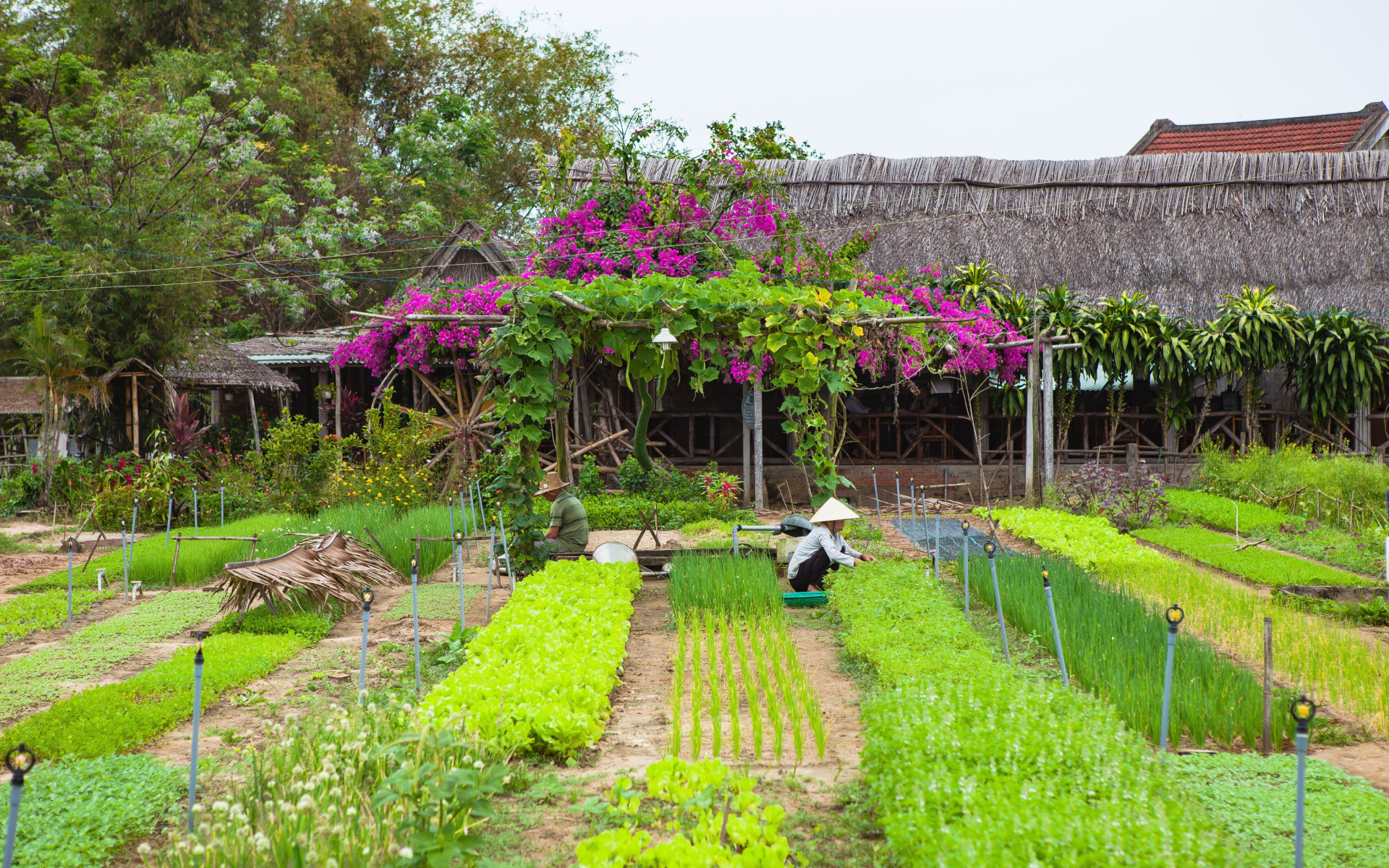
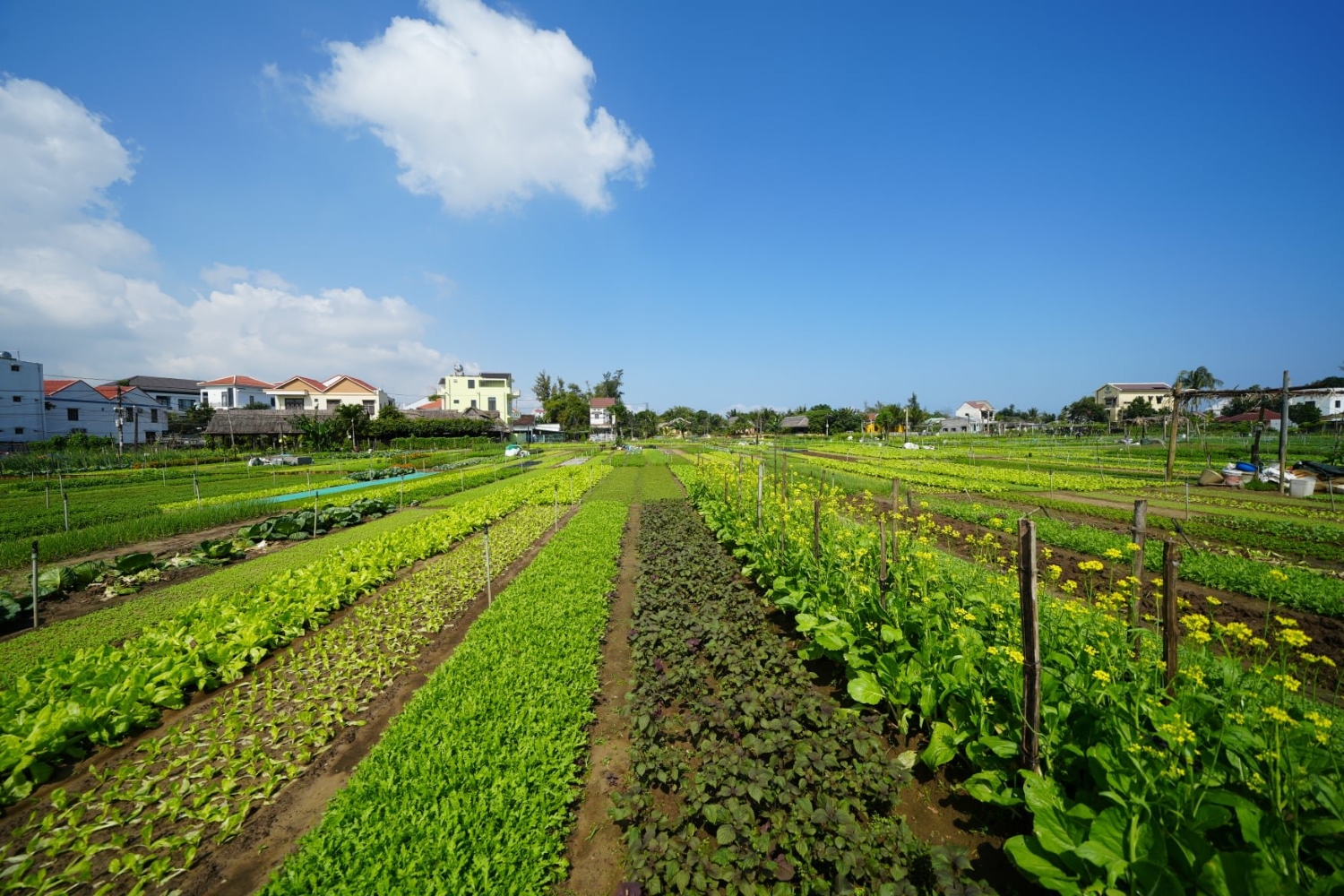
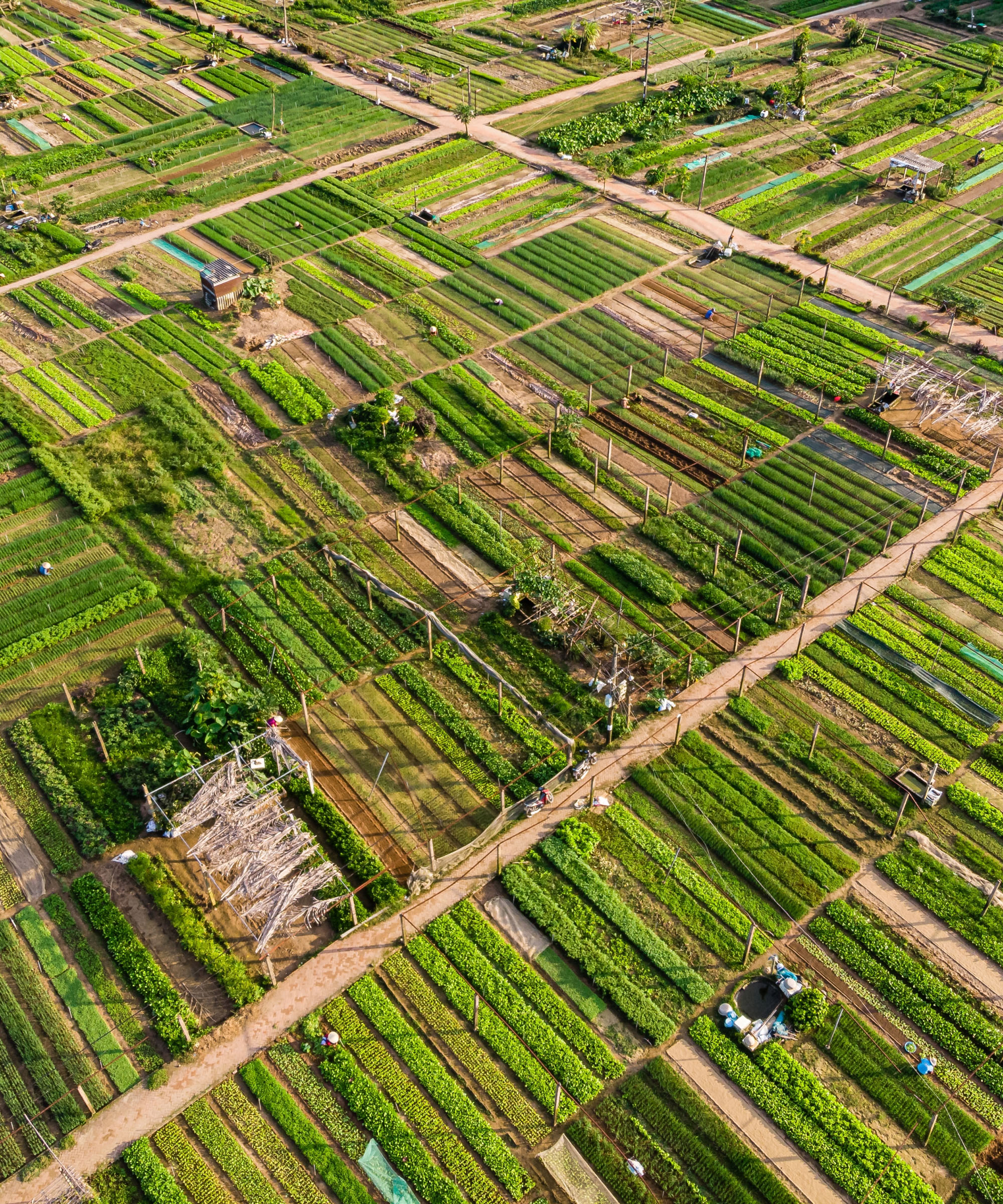
Tra Que Vegetable Village is a traditional farming community about 3 km from Hoi An Ancient Town, renowned for its fragrant herbs, leafy vegetables and long-preserved agricultural practices. Dating back to the 16th century, the village was named a Best Tourism Village 2024 by UN Tourism in recognition of its cultural heritage and community-based tourism.
Hoi An Tay Ward, Da Nang City
Traditional Farming Village and Community-Based Tourism Site
Around the 16th century
8:00 AM–6:00 PM daily
Herb gardens, traditional farming techniques, organic cultivation, farming experiences and local cuisine
Discover a vibrant coastal destination where sun-kissed beaches, dramatic mountain landscapes, rich cultural heritage and exciting cuisine come together in the heart of Central Vietnam.
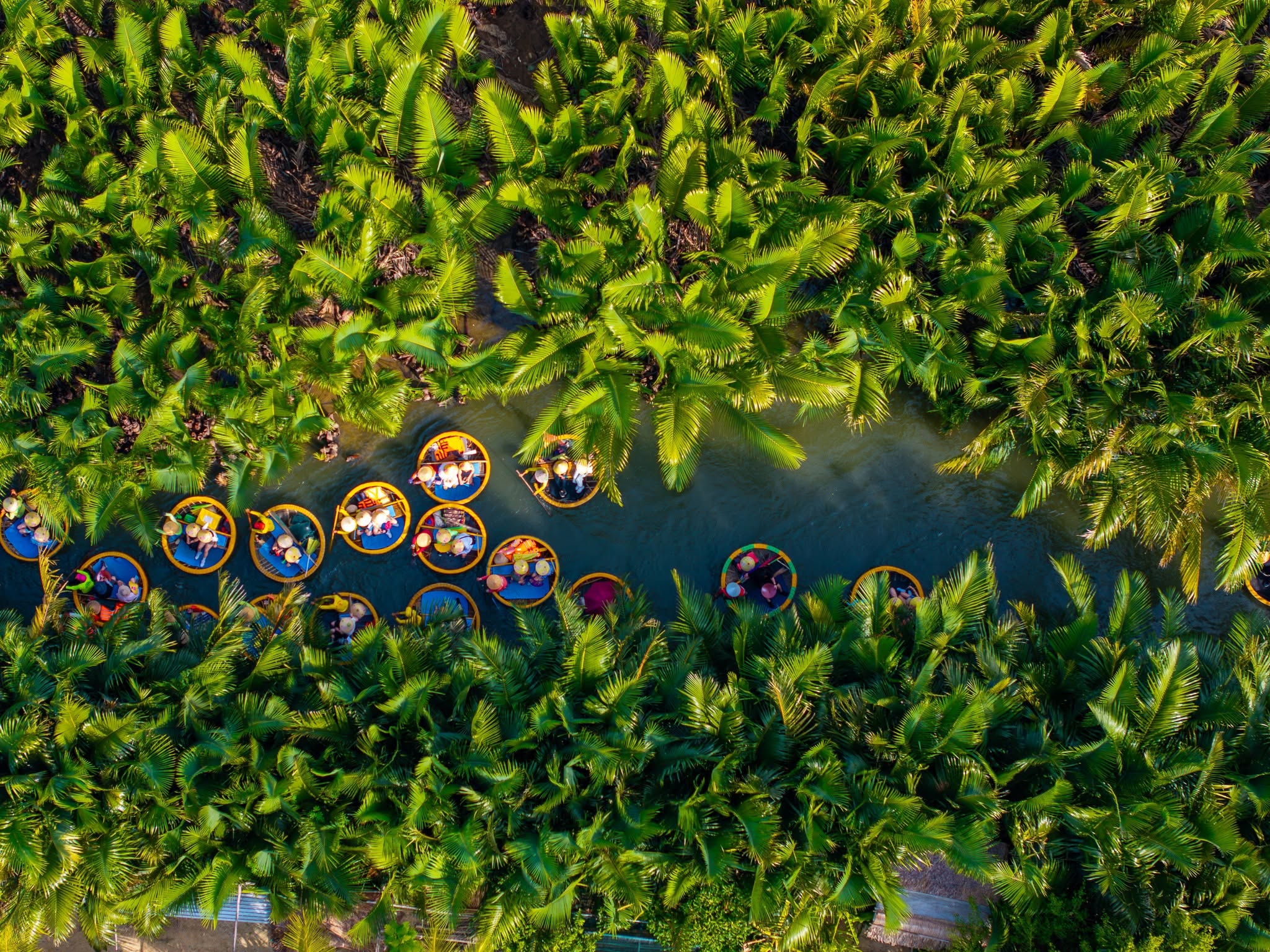
Glide through winding waterways beneath lush nipa palms and discover the natural beauty, traditional river culture and wartime history of Hoi An’s countryside.
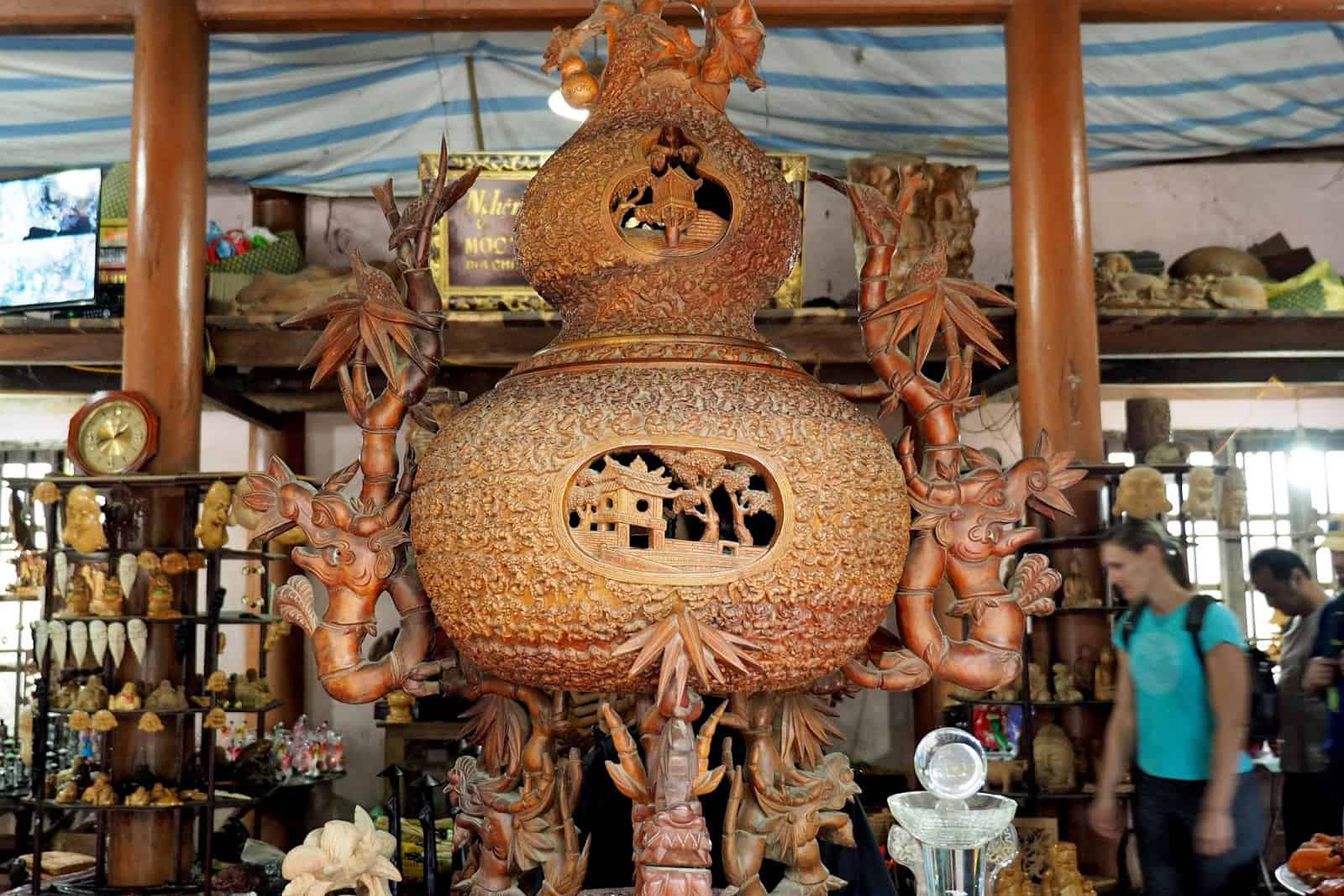
Explore a riverside craft village where generations of skilled artisans transform wood into intricate carvings, traditional boats and architectural masterpieces.