

Da Nang
Discover a vibrant coastal destination where sun-kissed beaches, dramatic mountain landscapes, rich cultural heritage and exciting cuisine come together in the heart of Central Vietnam.
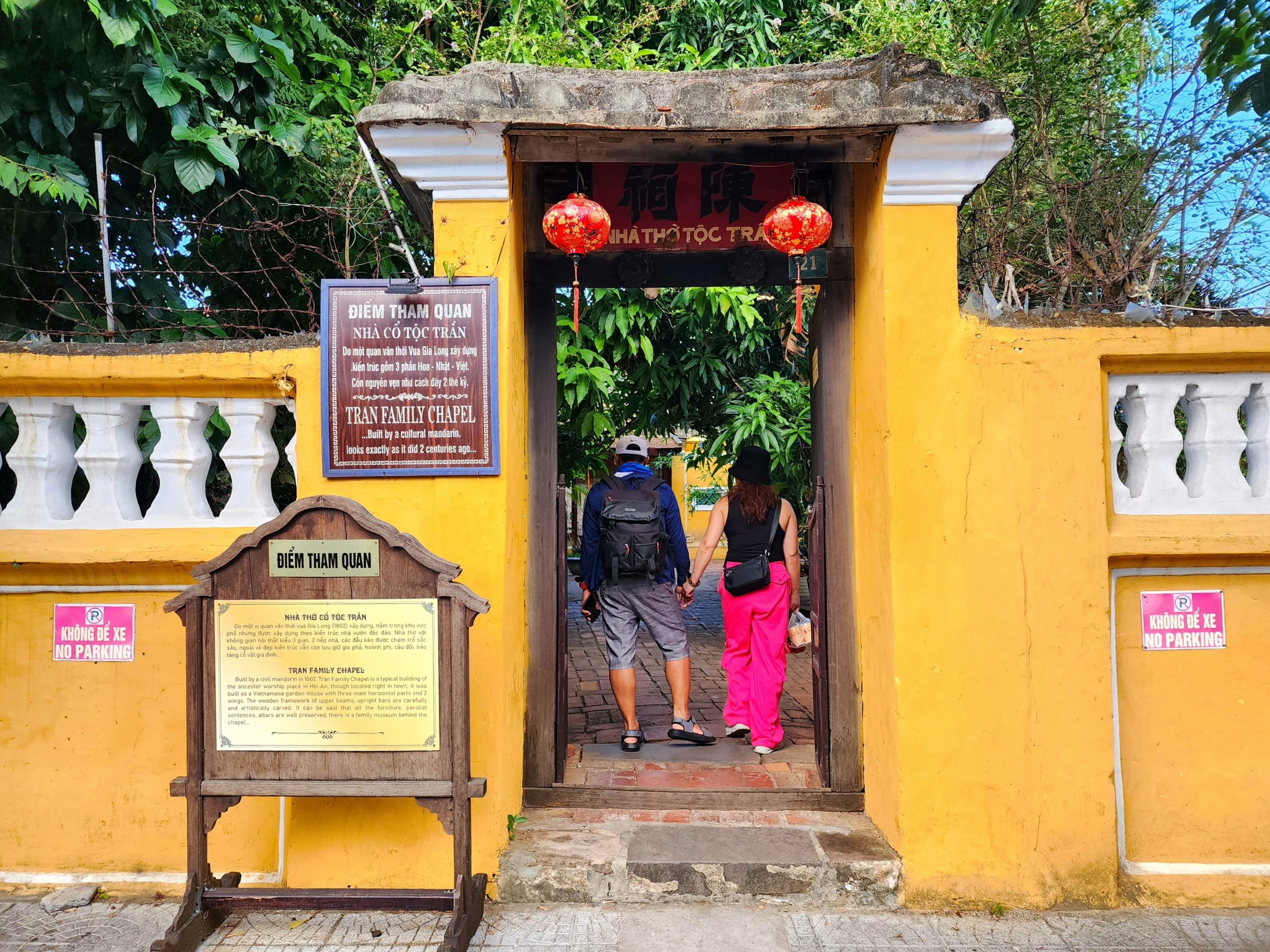
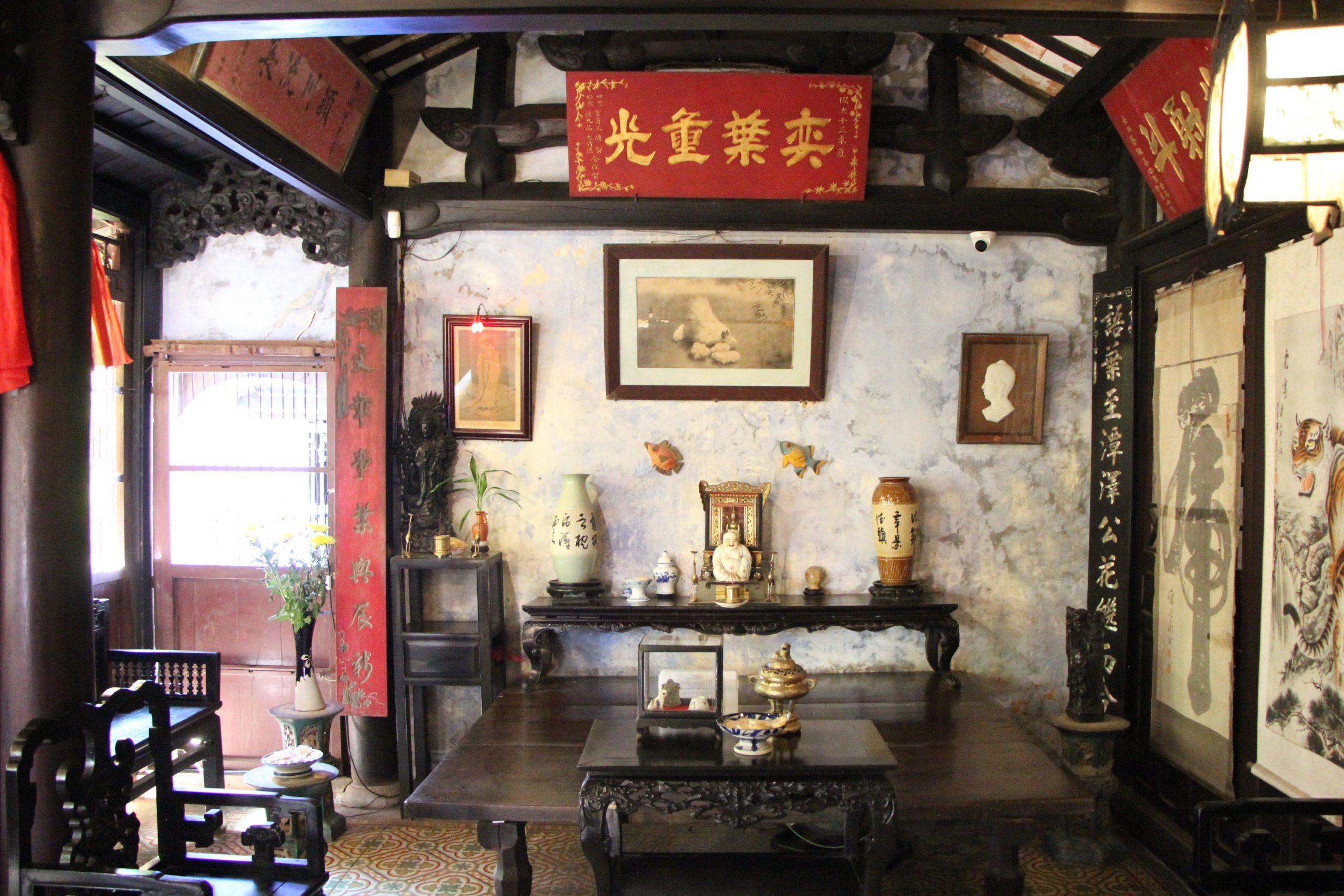
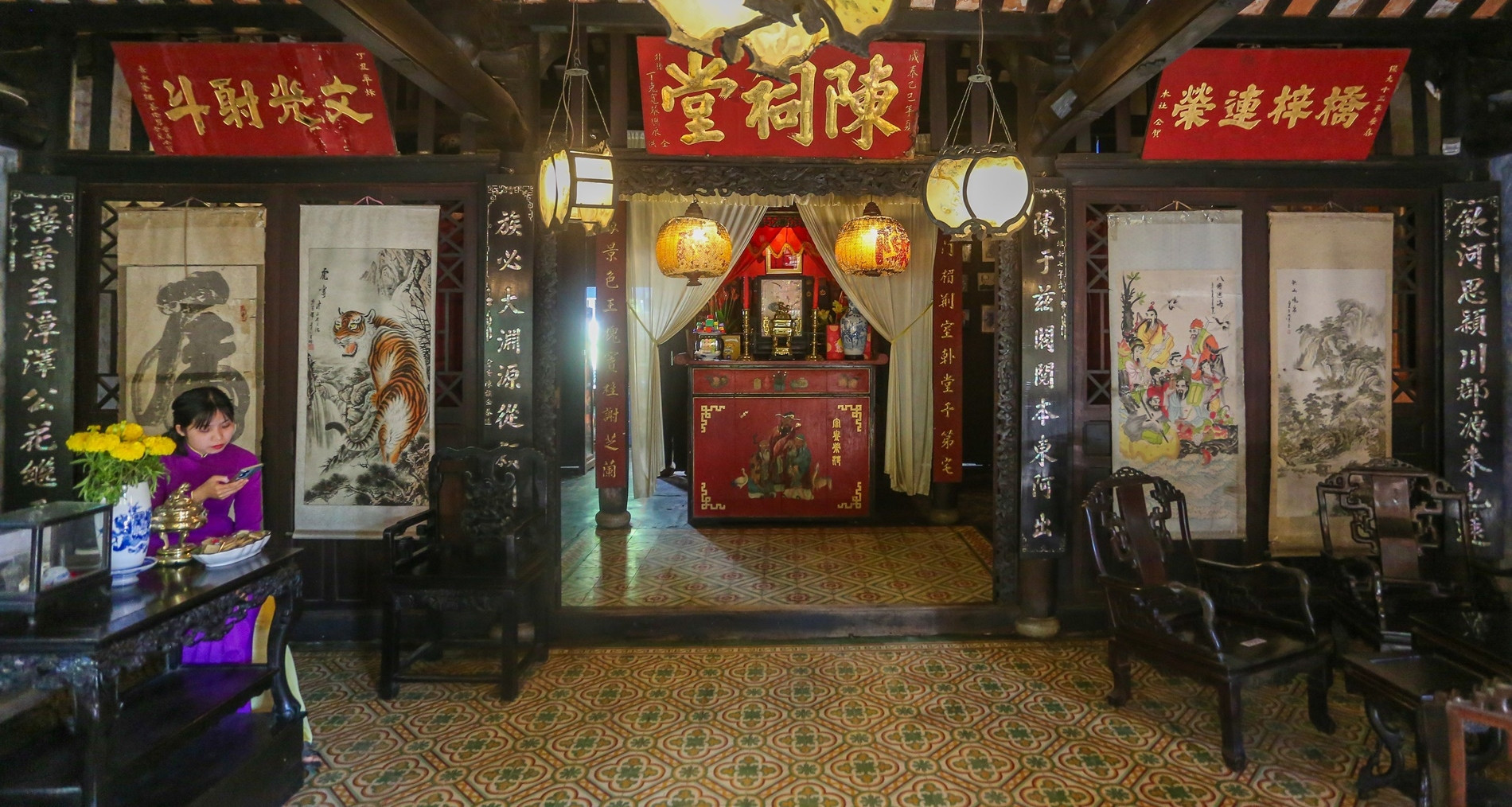
Tran Family Temple, also known as Tran Family Chapel, is a historic ancestral shrine built in 1802 by Tran Tu Nhac, a Vietnamese mandarin serving under Emperor Gia Long. Set within a traditional garden compound, the temple has preserved the Tran family’s ancestral worship traditions and offers insight into the family customs and architectural styles of historic Hoi An.
21 Le Loi Street, Hoi An Ward, Da Nang City
Ancestral Temple & Historic Heritage Site
1802
Generally 7:00 AM–9:00 PM daily
Ancestral worship hall, traditional garden layout, antique family heirlooms, carved wooden architecture and Vietnamese family traditions
Discover a vibrant coastal destination where sun-kissed beaches, dramatic mountain landscapes, rich cultural heritage and exciting cuisine come together in the heart of Central Vietnam.
Glide through winding waterways beneath lush nipa palms and discover the natural beauty, traditional river culture and wartime history of Hoi An’s countryside.
Explore a riverside craft village where generations of skilled artisans transform wood into intricate carvings, traditional boats and architectural masterpieces.