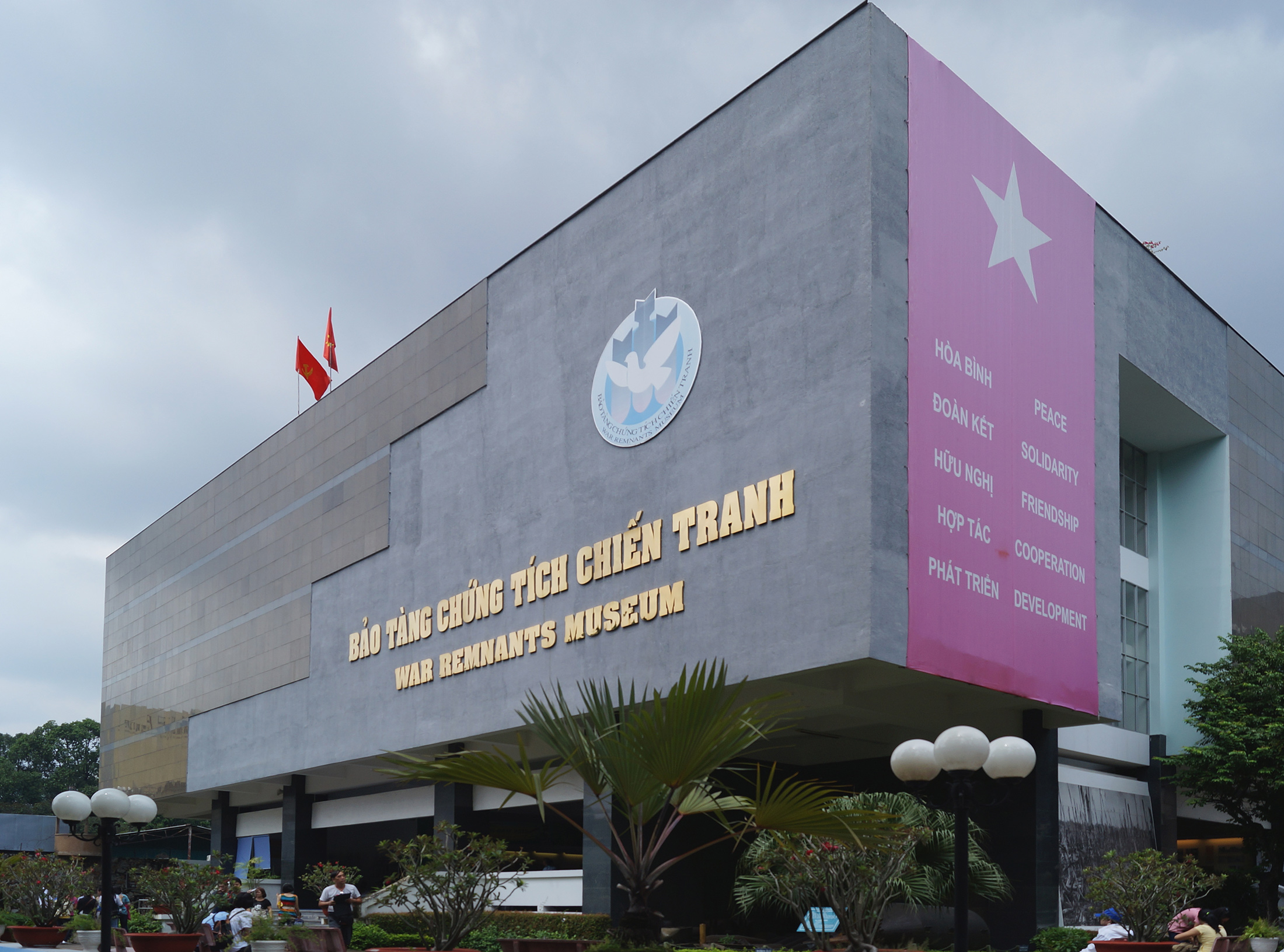
The War Remnants Museum offers visitors an in-depth look at the Vietnam War and its enduring effects on the country and its people. Opened shortly after the end of the war, the museum was established to collect, preserve and display historical evidence, photographs and artefacts relating to wartime experiences. Its exhibitions approach the subject primarily through the consequences of conflict, documenting destruction, civilian suffering, resistance and the continuing pursuit of peace.
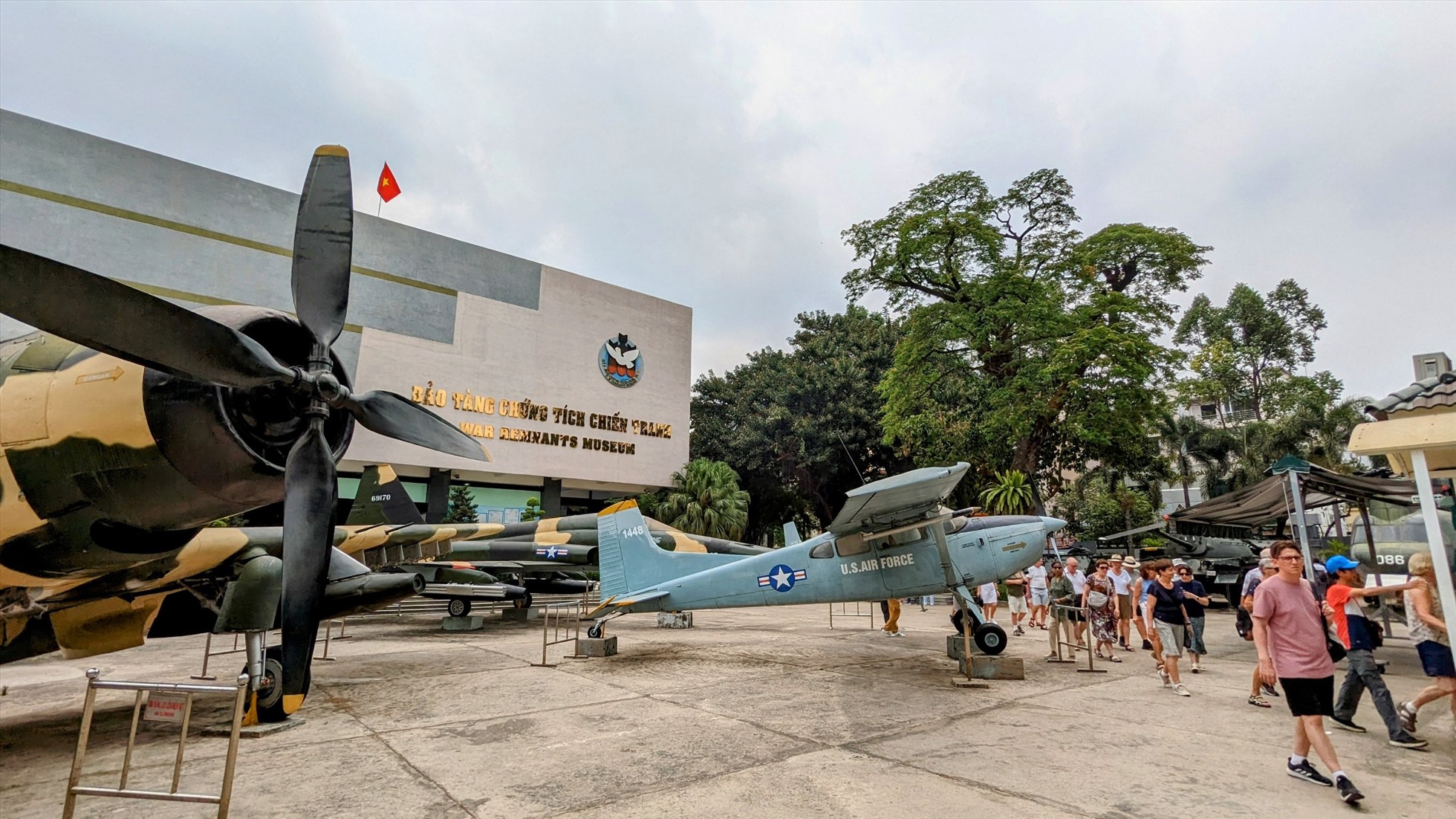
The museum’s outdoor courtyard is often the first stop for visitors. It displays a range of military equipment, including aircraft, helicopters, tanks, artillery and other vehicles associated with the conflict. These large-scale exhibits provide a tangible introduction to the military technology used during the war and the scale of the resources deployed.
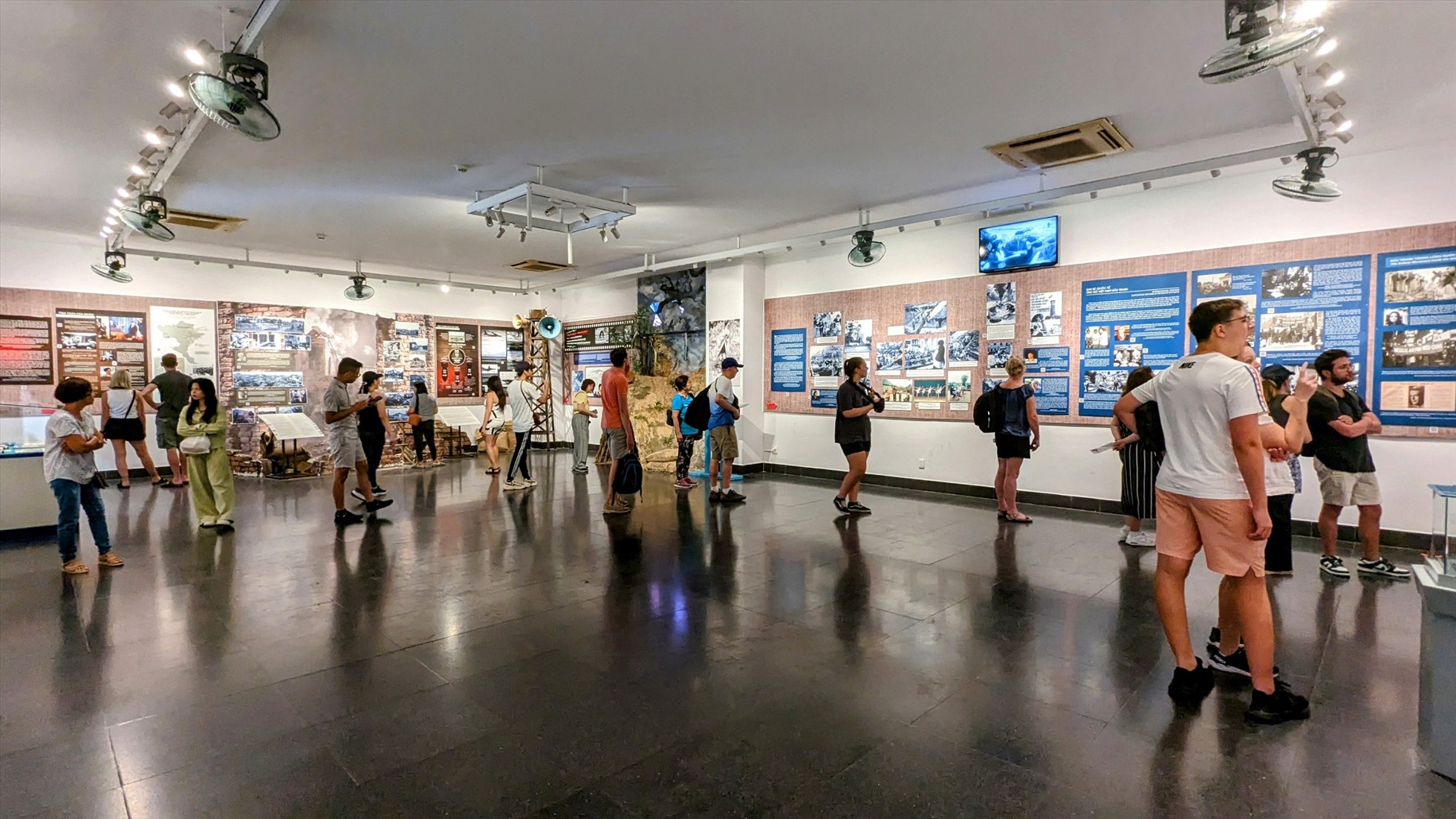
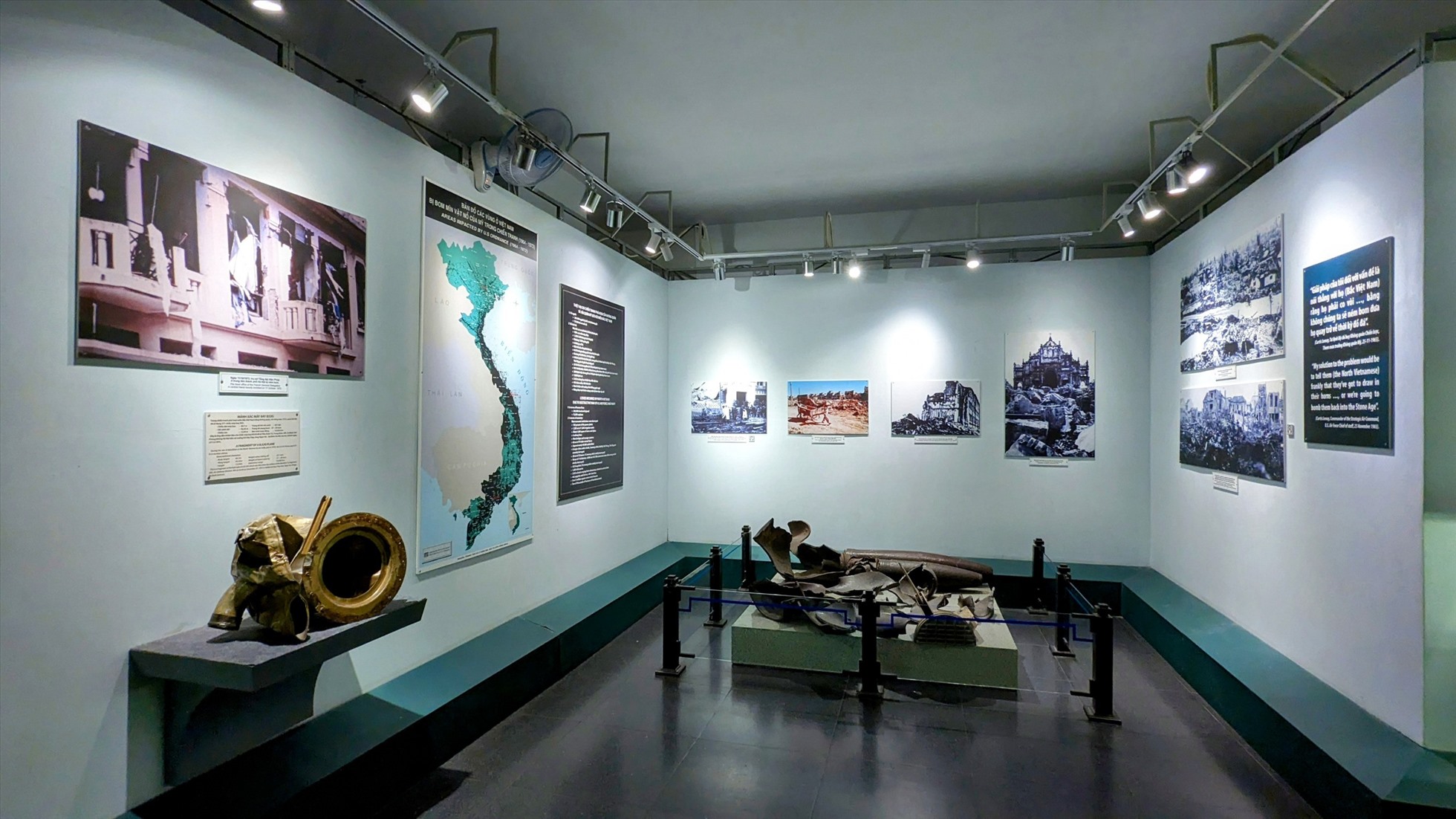
Inside, the museum’s galleries are arranged around different themes. Photographs, documents, personal accounts and historical objects examine military operations, wartime destruction, imprisonment and the experiences of civilians. The exhibitions encourage visitors to consider not only the events themselves but also their wider humanitarian consequences.
One of the museum’s most significant subjects is the long-term impact of Agent Orange and other chemical defoliants used during the war. Photographs, maps, documents and personal stories illustrate the effects of toxic chemicals on the environment and human health, including the suffering experienced by affected families across generations. These displays offer an important perspective on the consequences of war that continue long after fighting has ended.
Another notable exhibition focuses on the imprisonment of political detainees and prisoners during the conflict. Photographs, documents and reconstructed prison environments introduce visitors to detention conditions and the experiences of those held in facilities such as Con Dao and Phu Quoc. The displays are often confronting and may be emotionally challenging, particularly for younger visitors.
The museum also preserves an important photographic record of the war through its Reminiscence collection, known internationally as Requiem. Created with photographs by war correspondents who died while reporting from the battlefields of Indochina, the collection documents the conflict through the work of photographers from different countries. Their images provide a visual record of soldiers, civilians, destroyed communities and the realities of life during wartime.
Beyond documenting suffering, the museum explores international opposition to the war and expressions of solidarity with the Vietnamese people. Photographs, posters, documents and other materials trace anti-war movements and demonstrate how the conflict resonated around the world. Together, these exhibitions give the museum a broader message about human rights, reconciliation and the importance of preventing future conflicts.
A visit to the War Remnants Museum is an essential experience for travellers seeking a deeper understanding of Vietnam’s modern history. Some displays contain graphic photographs and distressing material, so visitors should allow time to reflect and consider the museum’s suitability for young children.